



Lease Volume Down Another 7 Percent in 2002
The Association of Consumer Vehicle Lessors (ACVL) announced on September 15 that member leasing companies reporting both 2001 and 2002 volume had a total reduction in new leases from 2.02 million to 1.89 million.
The Association of Consumer Vehicle Lessors (ACVL) announced on September 15 that member leasing companies reporting both 2001 and 2002 volume had a total reduction in new leases from 2.02 million to 1.89 million. This modest 6.8 percent 2002 volume decline shows that leasing activity has almost stabilized. However, since the peak of leasing in 1999, leasing volume has fallen 42.6 percent.
The 2002 decline is due entirely to reduced captive volumes: total bank leases increased slightly: 0.6 percent, while all captive volume was down 8.5 percent.
"There were a number of factors contributing to lower lease volumes," explained Rob Mize, ACVL President, "including the expansion of the 0 percent retail installment programs and other similar manufacturer installment sale promotions, continued declines in residual values (causing higher monthly lease payments that make leasing less competitive compared to financing), and fewer manufacturer subvented lease programs."
ACVL members also reported that their end-of-term residual losses increased somewhat in 2002. Residual losses increased to $3,269 in 2002 from a weighted average of $2,961 in 2001, a 9.4 percent increase. While the increased residual loss level was an unwelcome development for lessors, consumers who leased reaped the substantial benefit by having lessors absorb these increased losses.
Put another way, consumers whose leases ended in 2002 came out far better than those who had purchased their vehicles, since the residual value used in the leases that ended in 2002 was more than $3,200 greater than the actual trade-in values of the vehicles. Thus, the study revealed that consumers who leased saved an average of more than $3,200 compared with those who bought their vehicles in the same year.
"Now more than ever, it's important that consumers be informed about the benefits and responsibilities of leasing before they decide whether to lease or buy," said Mize.
The ACVL survey highlights a number of areas in which bank and captive vehicle leasing programs differ. The average lease term of bank lessors was 50 months in 2002, compared to slightly less than 40 months for captive finance company lessors. The average booking rate of applications received for captives was 72 percent compared to 51 percent for banks. On the other hand, the average bank lessor was more selective on credit with 86 percent of new leases having a credit bureau score above 680 (a standard measurement of a "strong" credit applicant). Captive Finance companies, which support vehicle sales of their manufacturing partner, had 60 percent of leases over that same threshold.
Security deposits continued to disappear. A few years ago, security deposits were so commonplace that they were collected in virtually all leases. In response to consumer preferences, this began to change in the late 90's. In 2001, for the first time lease security deposits became the exception rather than the rule, being assessed in only 35 percent of the leases of the average lessor. This trend continued into 2002: only 22 percent of leases booked had security deposits. Banks reported that just 7.7 percent of leases had security deposits versus 32.7 percent for captives. The decline in security deposits is in response to consumer requests to minimize upfront lease costs. Many members accommodate that consumer preference but charge higher rates or acquisition fees when security deposits are waived.
More Operations
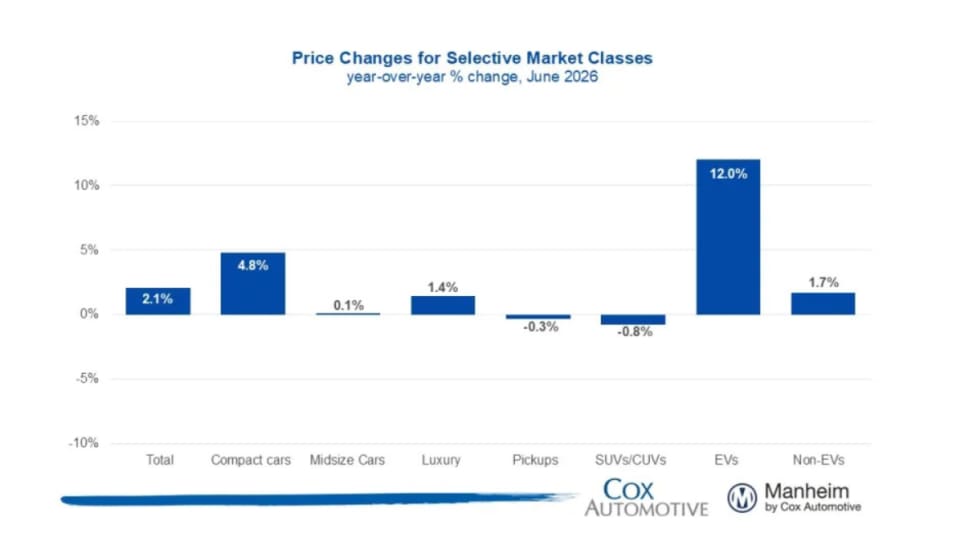
Manheim Index Shows Used-Vehicle Wholesale Prices Up 2.1% in June
The market is seeing stronger appreciation in older used vehicles this year, and the most affordable segments have been among the year’s best performers.
Read More →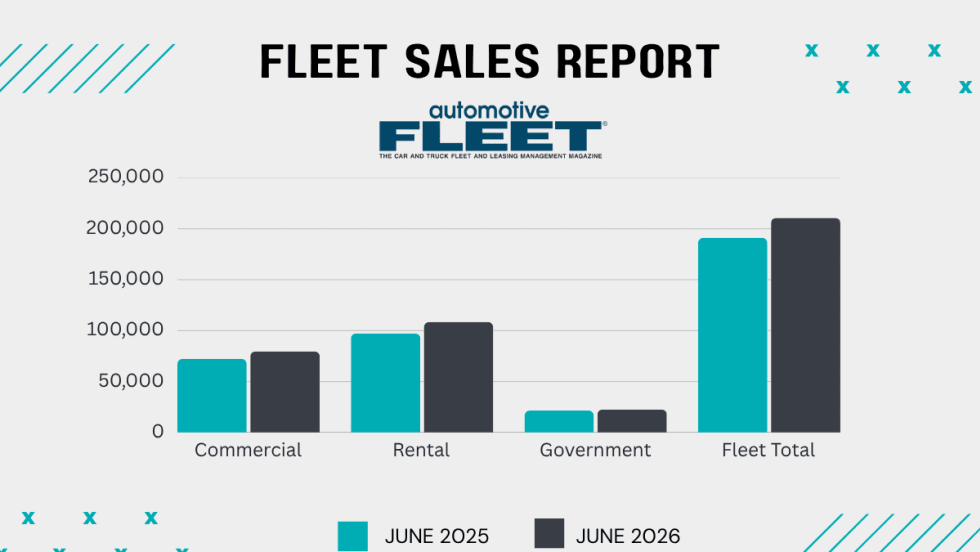
Commercial Fleet Sales Contribute To June, YTD Gains
The fleet sector has boosted its vehicle purchases at a reliable pace in the first half of this year compared with 1H 2025.
Read More →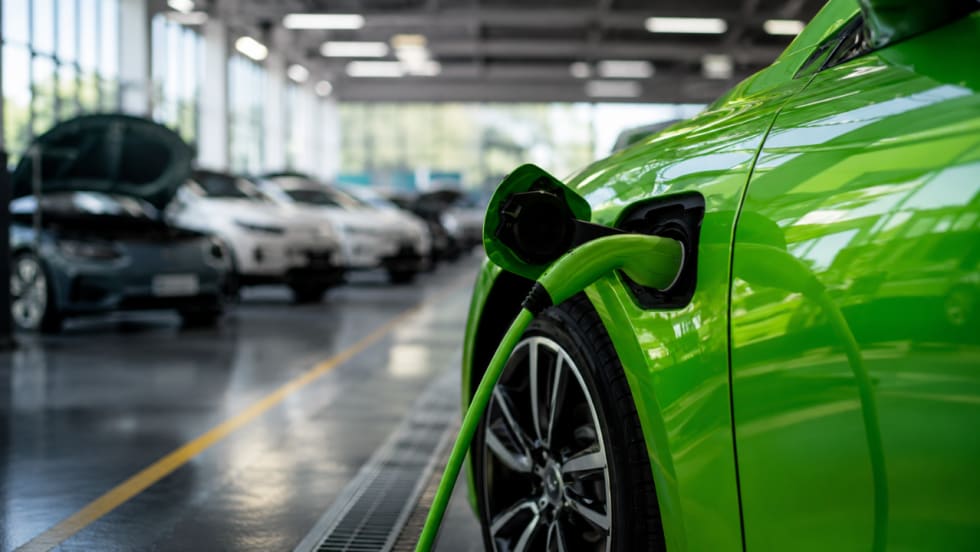
Stop Remarketing Electric Vehicles Like Gas Cars
The advantages and attributes of electric vehicles are upending the traditional remarketing cycle, requiring fleet sellers to rely on new factors and approaches detailed below.
Read More →
AP Fleet Management Expands Remarketing Program for Commercial Work Trucks
AP Fleet Management expanded its commercial vehicle remarketing program with dedicated resale services and an online marketplace for used work trucks.
Read More →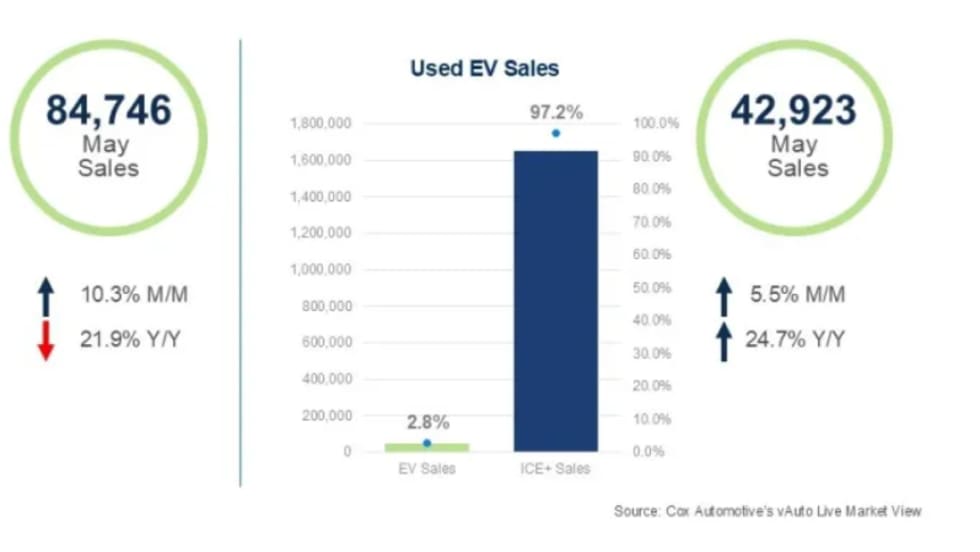
Used EVs Strengthen Overall Electric Vehicle Market
The latest sales data point to several reasons for the divergent trends in new and used EVs that can factor into fleet cycling decisions.
Read More →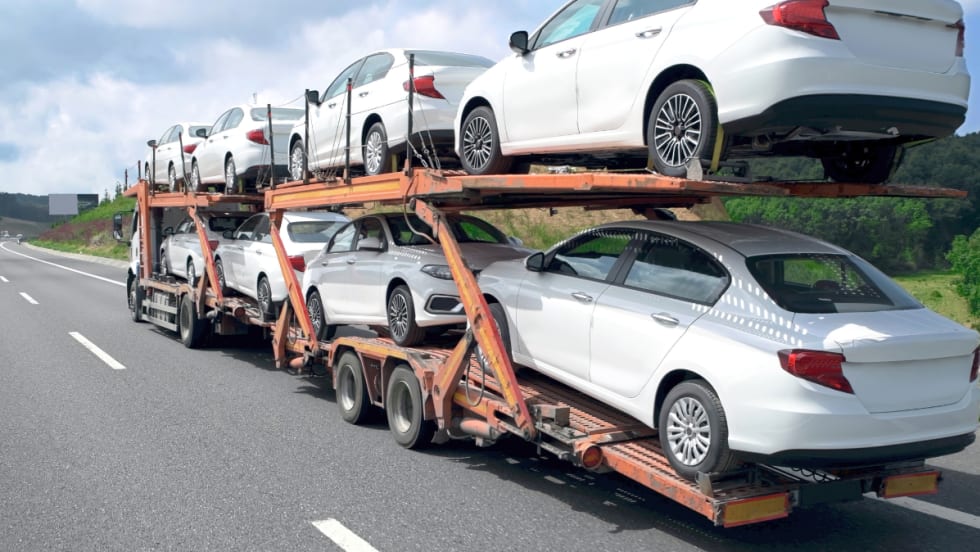
The Data-Driven Haul: 5 Ways AI is Leveling the Playing Field in Auto Transport
Large and small transport fleets are becoming more competitive as predictive analytics and real-time data inform the logistics decision chain.
Read More →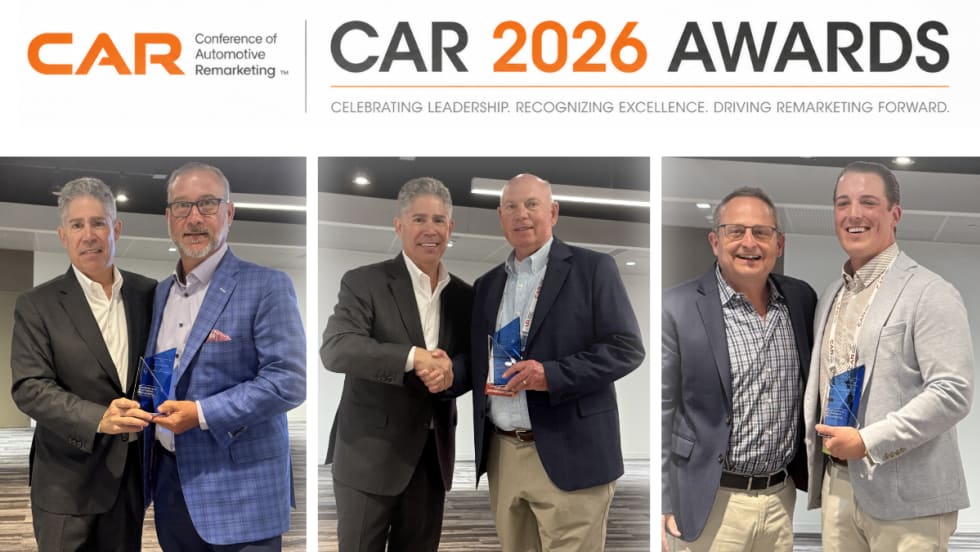
2026 CAR Awards Celebrate Industry Excellence
CAR’s annual Fleet Remarketing Awards opened a reimagined 2026 conference designed to bridge the worlds of fleet management and automotive remarketing.
Read More →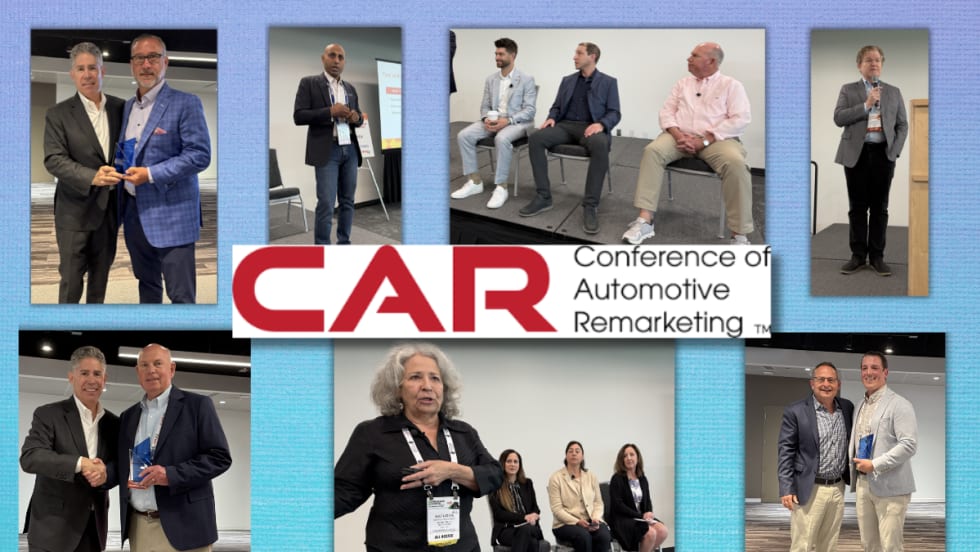
CAR 2026 Recap Part 2: Closing the Gap Between Data & Remarketing Value
The second half of CAR 2026 examined how fleets can translate lifecycle strategy, vehicle data, and market shifts into higher real-world results.
Read More →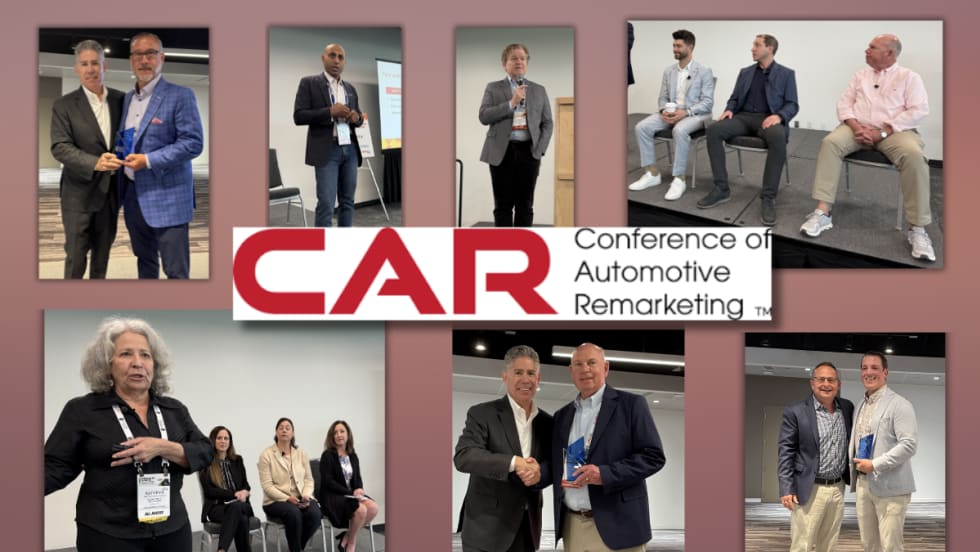
CAR2026 in Two Words: Velocity, Value (Part 1)
The 2026 Conference of Automotive Remarketing convened with a mandate to involve a new constituency — fleet managers — and an updated mission to demonstrate unrealized value in de-fleeted vehicles.
Read More →
CAR 2026: Get the Wall Street Update on the Key Players in Remarketing
From a Wall Street analyst's take on remarketing's key players to whether fleets need their own version of Carfax, CAR 2026's afternoon roundtables will answer key operational and industry questions.
Read More →