



J.D. Power and Associates: Vehicle History Reports are Becoming Increasingly Important to Used-Vehicle Buyers
WESTLAKE VILLAGE, CA – As last year's hurricanes cause concern about flood-damaged vehicles potentially appearing on the market, vehicle history reports are becoming an increasingly important tool among used-vehicle buyers, according to the J.D. Power and Associates 2006 Used Vehicle Sales and Certification (UVSC) Study.
WESTLAKE VILLAGE, CA – As last year’s hurricanes cause concern about flood-damaged vehicles potentially appearing on the market, vehicle history reports are becoming an increasingly important tool among used-vehicle buyers, according to the J.D. Power and Associates 2006 Used Vehicle Sales and Certification (UVSC) Study.
The study, now in its fifth year, finds that 34 percent of used-vehicle buyers report obtaining a vehicle history report (VHR) before purchasing their vehicle-up from 30 percent in 2005. Additionally, 57 percent of respondents say they would refuse to purchase a used vehicle without a VHR-up from 53 percent in 2005.
“Vehicle history reports are an inexpensive way to ease the concerns of consumers about potentially buying a vehicle that may have been heavily damaged in a hurricane or other natural disaster,” said Jane Crane, director of automotive retail research at J.D. Power and Associates. “Approximately 30 percent of manufacturer franchise dealers are opting to provide vehicle history reports to potential buyers at no charge. This gesture of goodwill can go far in earning the buyer’s trust by showing that the dealer has nothing to hide.”
Another way consumers often alleviate the fears associated with buying a used vehicle is by purchasing a manufacturer-sponsored certified pre-owned (CPO) vehicle. Consumers typically pay an average premium of $1,680 for CPO vehicles, which have passed through extensive inspections and often include extended warranties. However, the study finds that certified used-vehicle buyers are less satisfied compared to 2005 with the price paid for the vehicle.
“In light of the large incentives many manufacturers were offering buyers of new vehicles in 2005, it may have been harder to convince used-vehicle buyers that this premium was worth it,” said Crane. “Dealerships have to work hard to communicate the value of certification to their customers and have strong policies in place to follow through on CPO warranties. This can go far in keeping customers satisfied, which increases the likelihood of the customer recommending the dealer to others and returning to the dealership for future vehicle service.”
With fuel prices continuing to rise and sales of new hybrid-electric vehicles increasing every year, many consumers are turning their attention to used hybrid vehicles. The study finds that 44 percent of late-model used-vehicle buyers are willing to consider a pre-owned hybrid-electric vehicle rather than a traditional gasoline-powered vehicle, even at an additional cost. Major concerns that used-vehicle buyers have with considering used hybrid-electric vehicles are the estimated higher maintenance costs, reliability, and the lifespan of the vehicle’s battery pack.
“Previously owned hybrids are perfect candidates for certification programs, where in-depth inspections and longer warranties help alleviate the concerns of buyers about purchasing used hybrids,” said Crane.
The 2006 Used Vehicle Sales and Certification Study is based on responses from more than 12,800 used-vehicle owners who purchased a 2001 to 2006 model-year used vehicle that was registered between September and October 2005.
More Operations
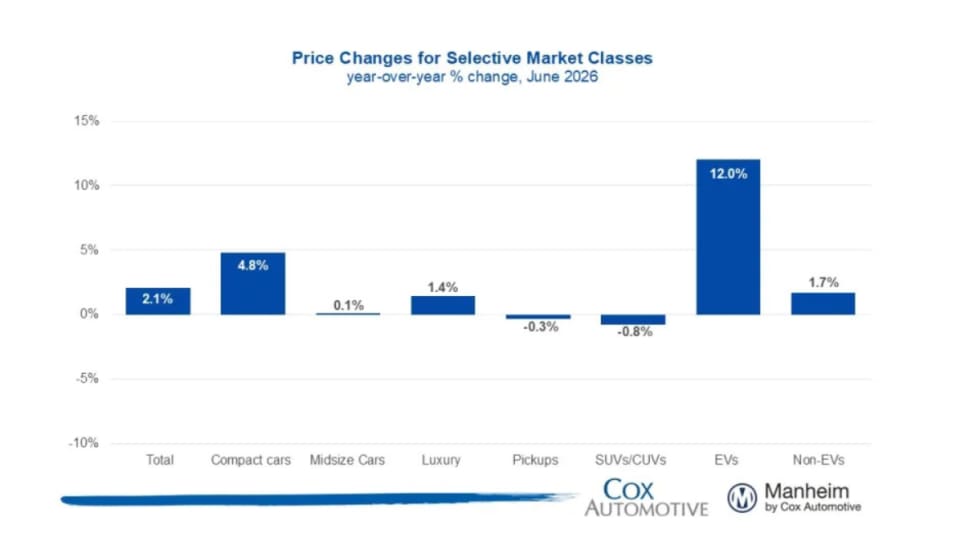
Manheim Index Shows Used-Vehicle Wholesale Prices Up 2.1% in June
The market is seeing stronger appreciation in older used vehicles this year, and the most affordable segments have been among the year’s best performers.
Read More →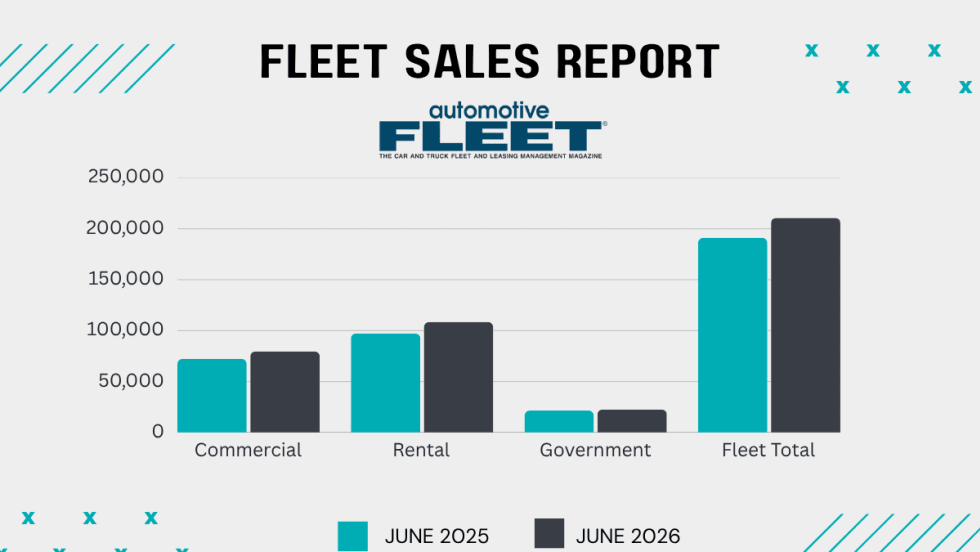
Commercial Fleet Sales Contribute To June, YTD Gains
The fleet sector has boosted its vehicle purchases at a reliable pace in the first half of this year compared with 1H 2025.
Read More →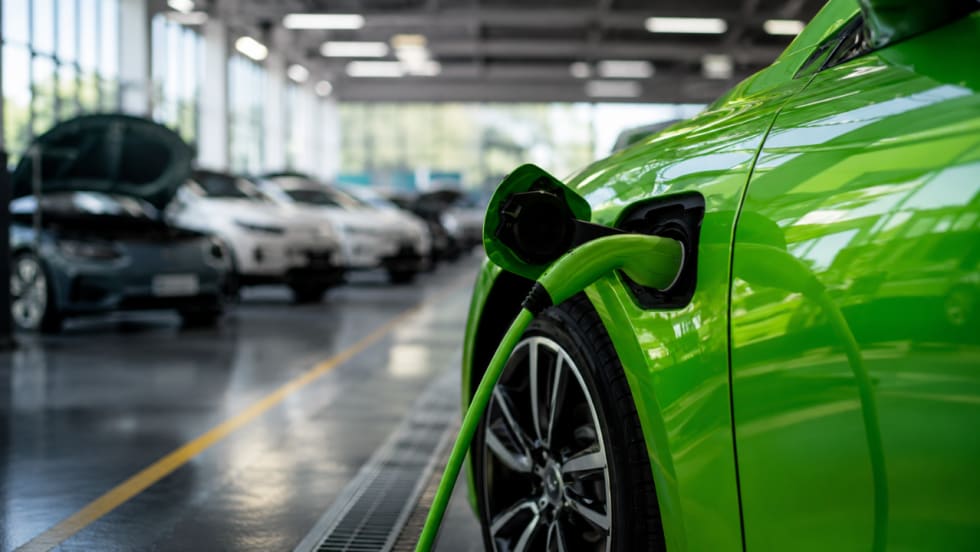
Stop Remarketing Electric Vehicles Like Gas Cars
The advantages and attributes of electric vehicles are upending the traditional remarketing cycle, requiring fleet sellers to rely on new factors and approaches detailed below.
Read More →
AP Fleet Management Expands Remarketing Program for Commercial Work Trucks
AP Fleet Management expanded its commercial vehicle remarketing program with dedicated resale services and an online marketplace for used work trucks.
Read More →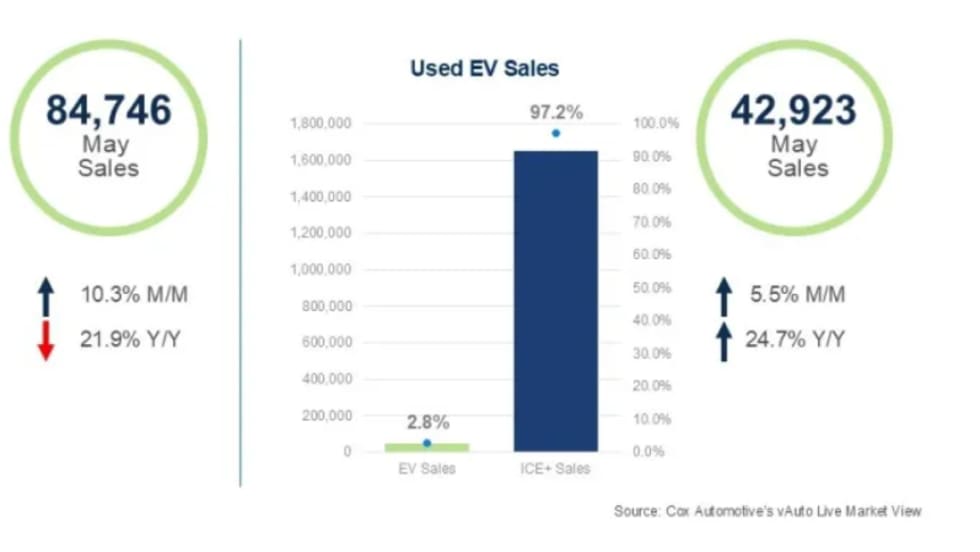
Used EVs Strengthen Overall Electric Vehicle Market
The latest sales data point to several reasons for the divergent trends in new and used EVs that can factor into fleet cycling decisions.
Read More →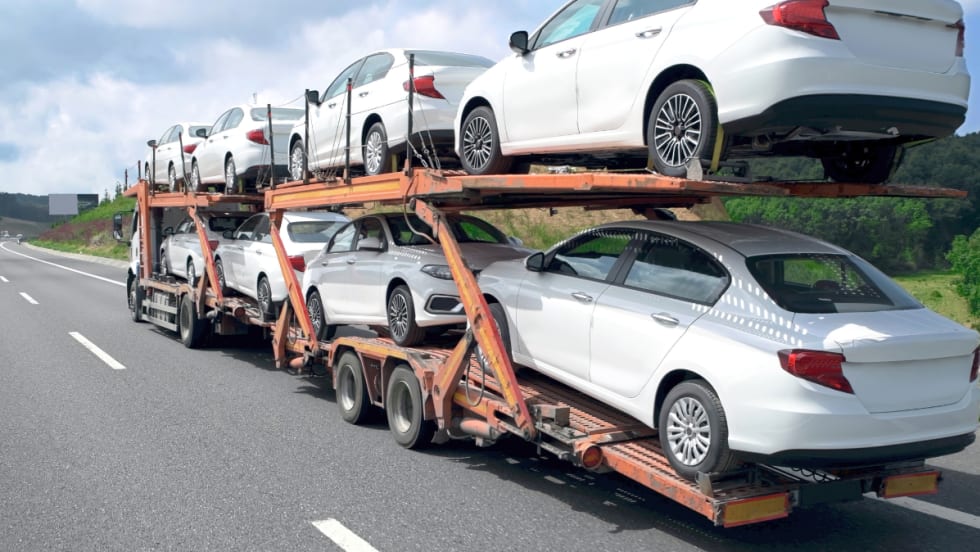
The Data-Driven Haul: 5 Ways AI is Leveling the Playing Field in Auto Transport
Large and small transport fleets are becoming more competitive as predictive analytics and real-time data inform the logistics decision chain.
Read More →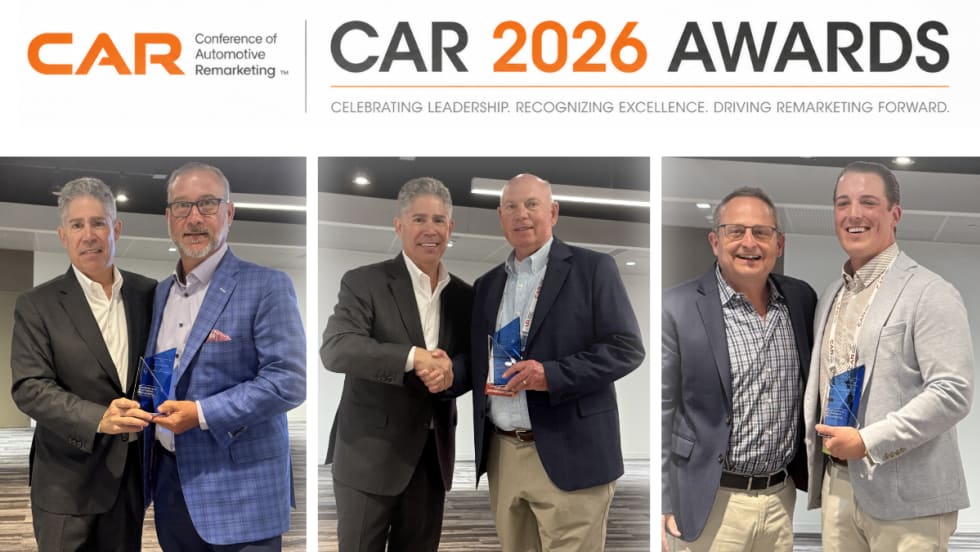
2026 CAR Awards Celebrate Industry Excellence
CAR’s annual Fleet Remarketing Awards opened a reimagined 2026 conference designed to bridge the worlds of fleet management and automotive remarketing.
Read More →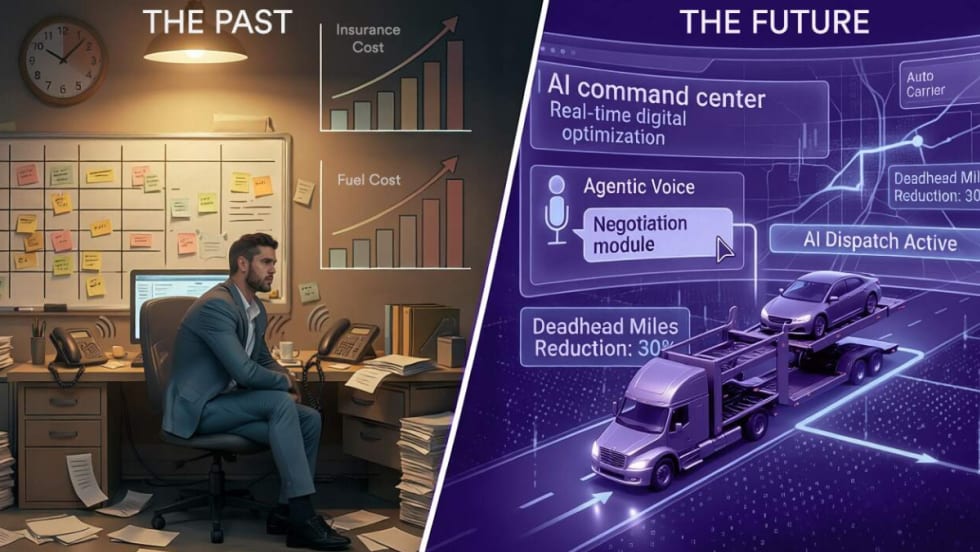
The Predictive Pivot: How AI and Data Are Redefining Auto Logistics in 2026
AI is no longer a luxury but the baseline for profitability in 2026. Auto haulers that adopt these tools now will quickly outpace those using manual workflows and taking a wait-and-see approach.
Read More →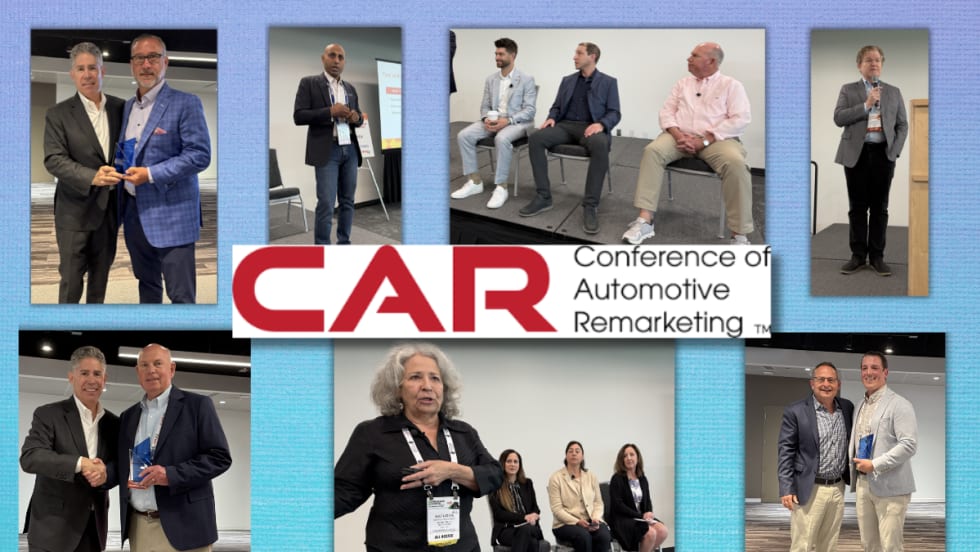
CAR 2026 Recap Part 2: Closing the Gap Between Data & Remarketing Value
The second half of CAR 2026 examined how fleets can translate lifecycle strategy, vehicle data, and market shifts into higher real-world results.
Read More →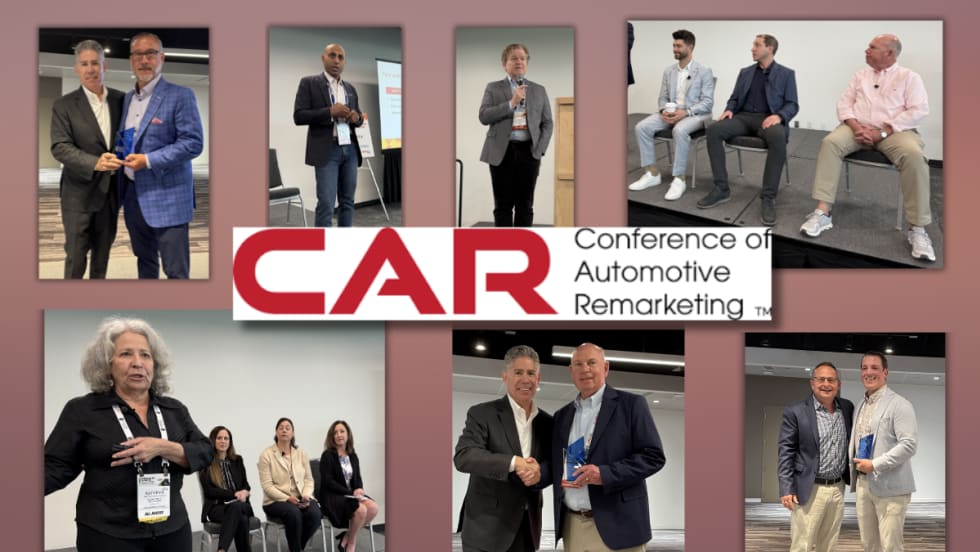
CAR2026 in Two Words: Velocity, Value (Part 1)
The 2026 Conference of Automotive Remarketing convened with a mandate to involve a new constituency — fleet managers — and an updated mission to demonstrate unrealized value in de-fleeted vehicles.
Read More →