




Related: Hertz: Customer Pain Points Should Drive Innovation
Hertz Closes Q3 with $2.8B Revenue
Hertz's Q3 earnings are a 7% increase from the same time last year.
November 8, 2018

The company reported adjusted net income for the third quarter 2018 of $180 million.
Photo courtesy of Hertz.
2 min to read
Hertz Global Holdings released its Q3 financial results today, reporting a total revenue of $2.8 billion, a 7% increase versus the third quarter 2017.
Income before income taxes for the third quarter 2018 was $181 million versus $143 million in the same period last year. Third quarter 2018 net income attributable to Hertz Global was $141 million, or $1.68 per diluted share, compared to $93 million, or $1.12 per diluted share, during the third quarter 2017.
The company reported adjusted net income for the third quarter 2018 of $180 million, or $2.14 adjusted diluted EPS, compared to $118 million, or $1.42 adjusted diluted EPS, for the same period last year. Adjusted corporate EBITDA for the third quarter 2018 was $351 million, compared to $321 million in the same period last year.
"Our operational turnaround continues to move forward as reflected by our fourth consecutive quarter of year-over-year revenue and adjusted earnings growth," said Kathryn V. Marinello, president and CEO of Hertz Global. "We are balancing our priorities of targeting a higher-quality revenue mix, while making investments in our operations, brands, and technologies to optimally position the company for long-term, sustainable growth."
Third Quarter 2018 Compared to Third Quarter 2017:
Total revenues increased 7%; U.S. RAC total revenues up 10%
Net income attributable to Hertz Global improved 52% to $141 million
Adjusted corporate EBITDA improved 9% to $351 million
U.S. RAC total RPD up 3%
U.S. RAC net depreciation per unit per month decreased 15%
Hertz's international RAC segment revenues increased 1%, and increased 3% when excluding the impact of foreign currency. Total RPD increased 3%, and excluding the impact of Brazil, total RPD increased 1%. Volume was flat versus the prior-year quarter and increased 2% excluding Brazil. The results excluding Brazil were driven by solid growth in the Asia/Pacific region, along with moderate leisure growth in Europe.
Net depreciation per unit per month increased 3%, or 1% excluding Brazil.
Adjusted corporate EBITDA for international RAC decreased 11% compared with a year ago driven by increased direct vehicle operating expenses and vehicle depreciation.
Originally posted on Auto Rental News
More Fleet

Acertus Acquires Fisher Shipping, CEO to Join Acertus
Fisher Shipping will retain its brand and team, while its customers gain access to Acertus’ transportation, storage, vehicle care, and title and registration services.
Read More →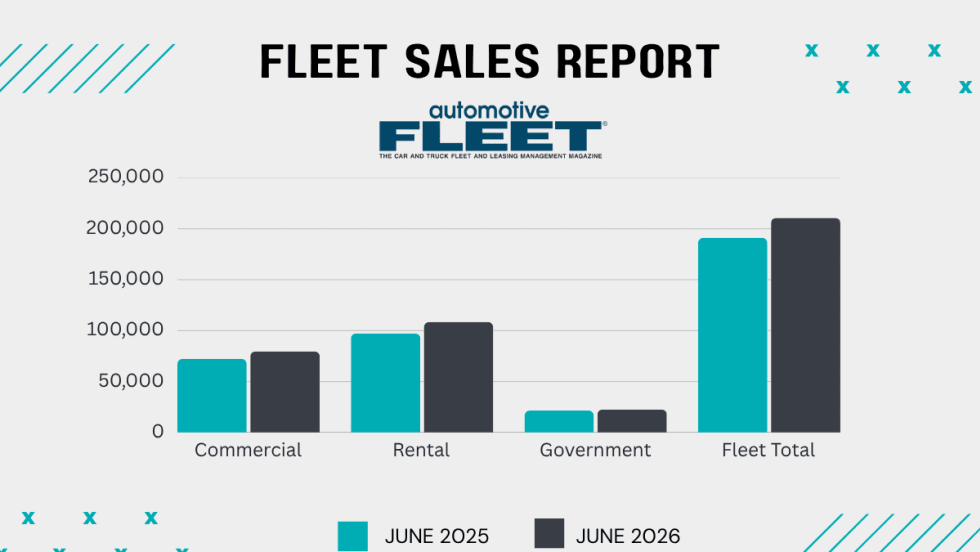
Commercial Fleet Sales Contribute To June, YTD Gains
The fleet sector has boosted its vehicle purchases at a reliable pace in the first half of this year compared with 1H 2025.
Read More →
Registration Opens for 2026 Fleet Forward Conference
Held on the East Coast for the first time, the Washington, D.C.-area event features expert-led education, a new IIHS Crash Test Experience, and collocation with the NAFA’s Fleet Safety Symposium.
Read More →
AP Fleet Management Expands Remarketing Program for Commercial Work Trucks
AP Fleet Management expanded its commercial vehicle remarketing program with dedicated resale services and an online marketplace for used work trucks.
Read More →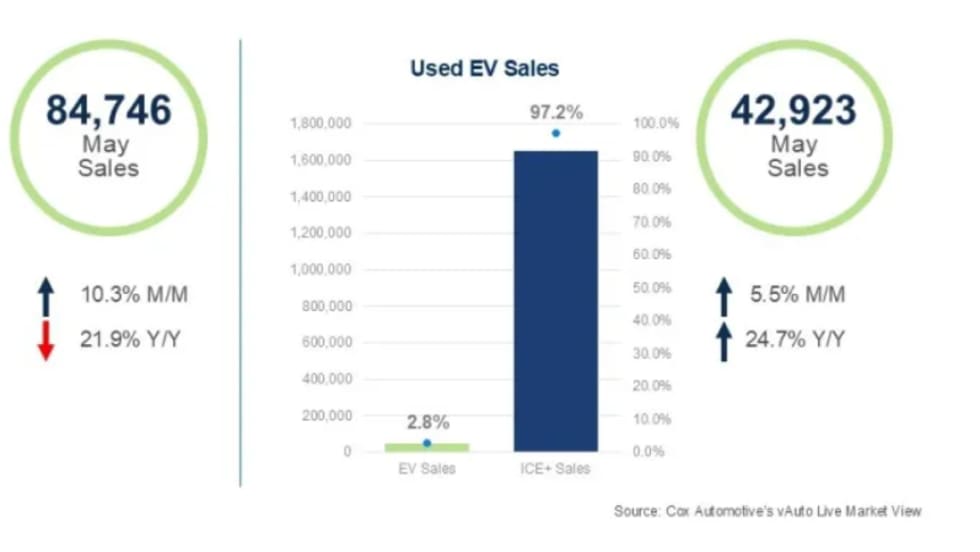
Used EVs Strengthen Overall Electric Vehicle Market
The latest sales data point to several reasons for the divergent trends in new and used EVs that can factor into fleet cycling decisions.
Read More →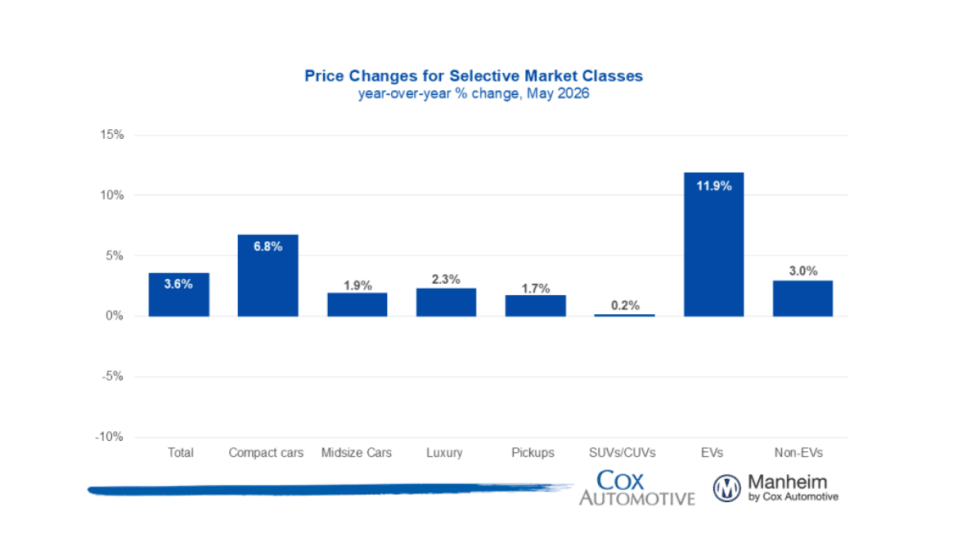
Wholesale Used Vehicle Market Sustains Moderate Rise In Values, Prices
Trends continue to normalize after a strong start to the year, as consumers contend with higher gas prices in the coming summer months.
Read More →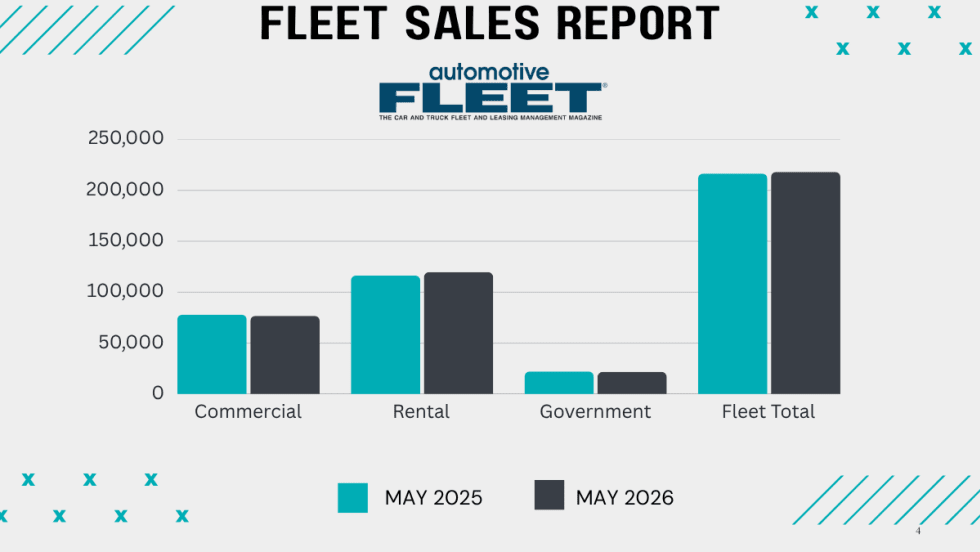
Commercial Fleet Sales Still Lead Sectors Despite May Mini Dip
The U.S. economy's continued growth and positive business investment are creating a favorable environment for fleet vehicle demand.
Read More →
The Data-Driven Haul: 5 Ways AI is Leveling the Playing Field in Auto Transport
Large and small transport fleets are becoming more competitive as predictive analytics and real-time data inform the logistics decision chain.
Read More →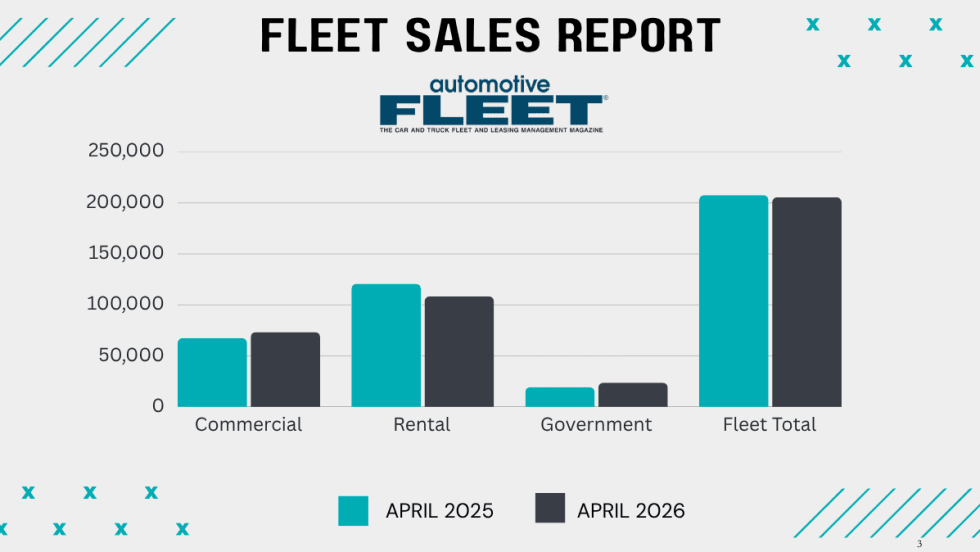
Commercial Fleet Sales Show Healthy Gains
So far, the fleet sector is outshining government and rental fleet sales this year as economic growth spurs more business investment.
Read More →
CAR 2026 Recap Part 2: Closing the Gap Between Data & Remarketing Value
The second half of CAR 2026 examined how fleets can translate lifecycle strategy, vehicle data, and market shifts into higher real-world results.
Read More →