



GM Ends Japan Internet Car Sales
General Motors Corp. stopped selling cars through the Internet in Japan after the two-year effort failed to attract many buyers, the automaker said Thursday.
General Motors Corp. stopped selling cars through the Internet in Japan after the two-year effort failed to attract many buyers, the automaker said Thursday.
GM began the effort with a 60 percent stake in an Internet auto sales company in September 2001.
Japanese automakers in which GM holds stakes — Suzuki Motor Corp. and Fuji Heavy Industries, which makes Subaru cars — each took a 20 percent stake.
But Internet auto sales failed to catch on, and the company, which handled 60 GM, Suzuki, and Subaru models, was dissolved at the end of September, according to a GM spokesman in Tokyo.
GM has not disclosed how many cars it sold through the Internet, but Fuji Heavy sold about 4,000 cars and Suzuki 1,900.
One reason the project was not popular is that papers are required for car sales in Japan making Internet sales less convenient.
More Operations
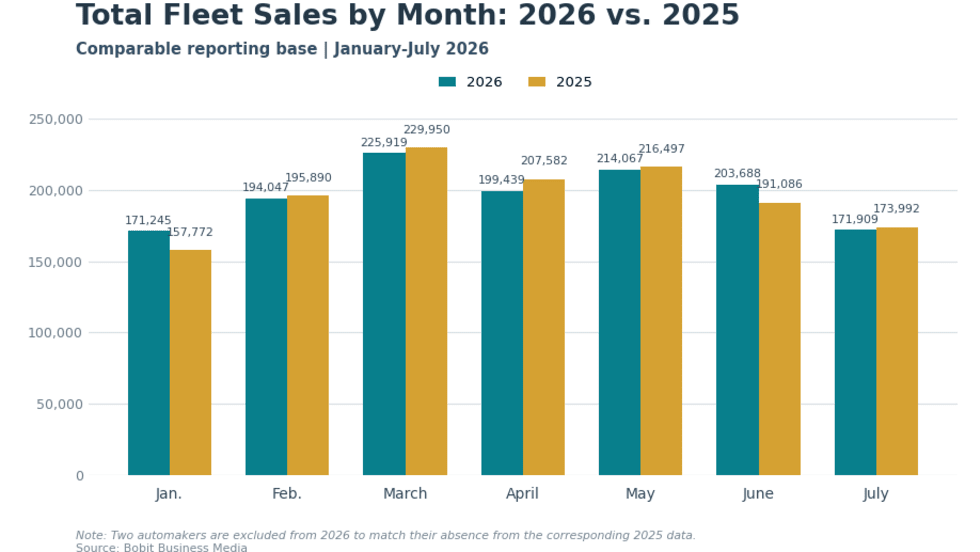
Fleet Sales Hold Steady as Commercial Gains Offset Rental Decline
Commercial and government fleet sales increased through July 2026, offsetting most of the decline in rental volume and leaving combined comparable fleet sales 0.5% above the same period last year.
Read More →
Personnel Update: BrickHouse GPS, PRO-VISION, Auto Driveaway, and Proaction
Check out the latest must-know fleet personnel updates from the last couple of months.
Read More →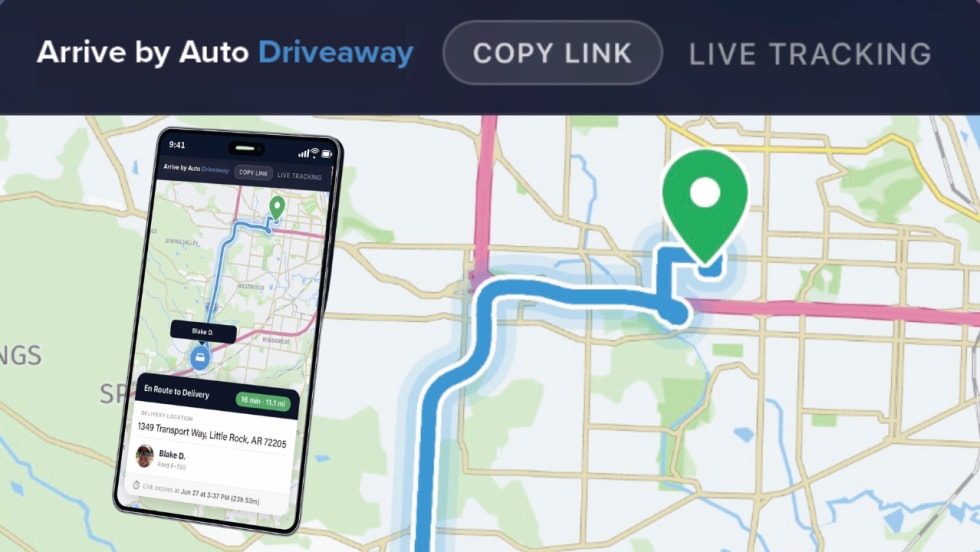
What Comes Next for Auto Driveaway?
A new Auto Driveaway feature called Arrive provides recipients with live location updates and ETAs during the final hour of a vehicle move, while fleet customers continue to have end-to-end shipment visibility through the company's customer portal.
Read More →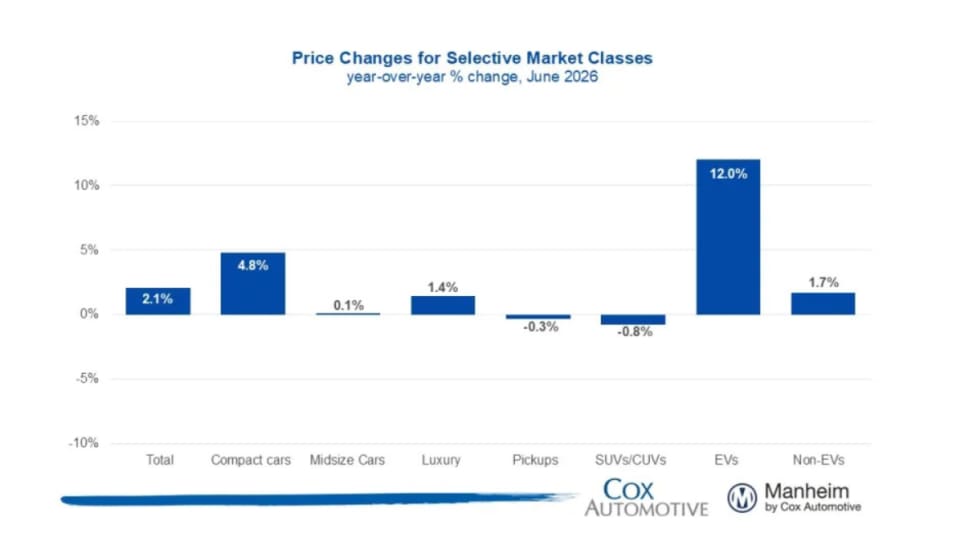
Manheim Index Shows Used-Vehicle Wholesale Prices Up 2.1% in June
The market is seeing stronger appreciation in older used vehicles this year, and the most affordable segments have been among the year’s best performers.
Read More →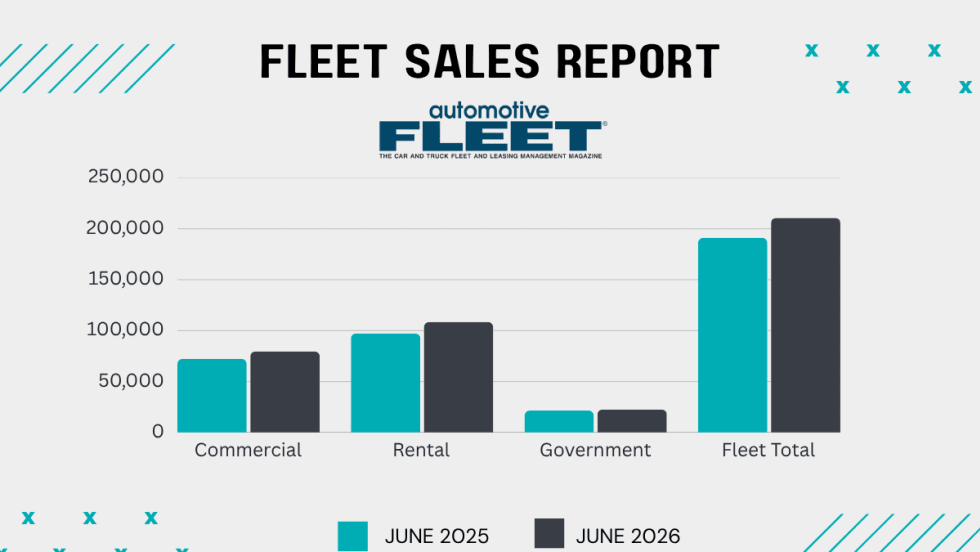
Commercial Fleet Sales Contribute To June, YTD Gains
The fleet sector has boosted its vehicle purchases at a reliable pace in the first half of this year compared with 1H 2025.
Read More →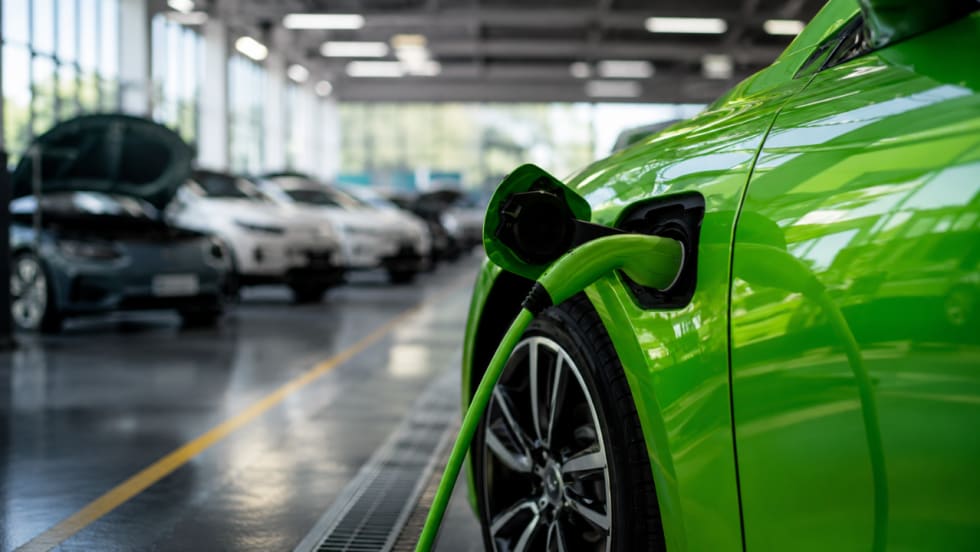
Stop Remarketing Electric Vehicles Like Gas Cars
The advantages and attributes of electric vehicles are upending the traditional remarketing cycle, requiring fleet sellers to rely on new factors and approaches detailed below.
Read More →
AP Fleet Management Expands Remarketing Program for Commercial Work Trucks
AP Fleet Management expanded its commercial vehicle remarketing program with dedicated resale services and an online marketplace for used work trucks.
Read More →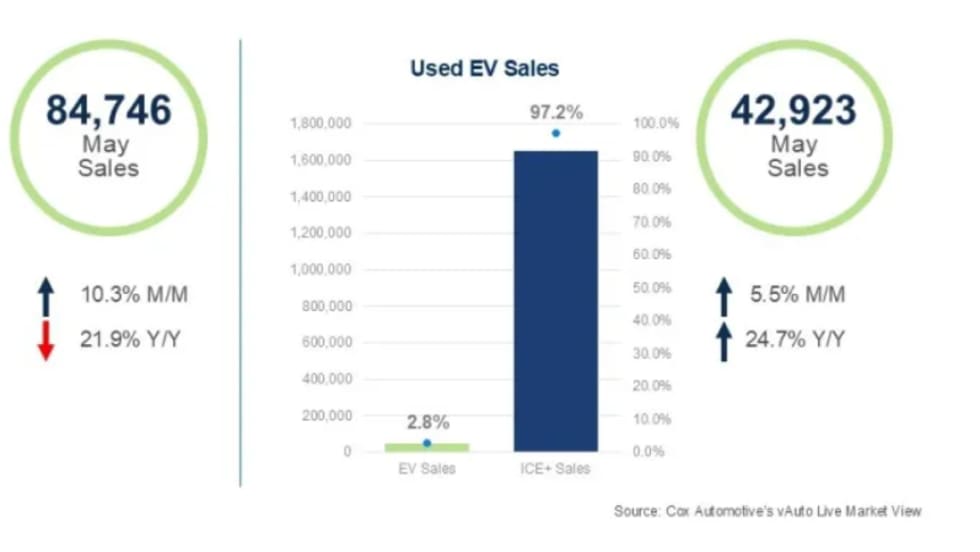
Used EVs Strengthen Overall Electric Vehicle Market
The latest sales data point to several reasons for the divergent trends in new and used EVs that can factor into fleet cycling decisions.
Read More →
The Data-Driven Haul: 5 Ways AI is Leveling the Playing Field in Auto Transport
Large and small transport fleets are becoming more competitive as predictive analytics and real-time data inform the logistics decision chain.
Read More →
2026 CAR Awards Celebrate Industry Excellence
CAR’s annual Fleet Remarketing Awards opened a reimagined 2026 conference designed to bridge the worlds of fleet management and automotive remarketing.
Read More →