



Fuel Prices and Big Trucks: Are Folks being Penny Wise and Pound Foolish?
CARMEL, IN - According to ADESA Analytical Services' monthly analysis of Wholesale Used Vehicle Prices by Vehicle Model Class1, wholesale prices of full-size SUVs and pickups have fallen significantly over the last year.
CARMEL, IN - According to ADESA Analytical Services’ monthly analysis of Wholesale Used Vehicle Prices by Vehicle Model Class1, wholesale prices of full-size SUVs and pickups have fallen significantly over the last year, ostensibly because of higher fuel prices, according to Kontos Kommentary by Tom Kontos.
A question arises as to whether the fall in prices for big trucks is greater than what would be justified by rising fuel prices. The analysis below shows that based solely on the rise in gasoline prices, the market may be overreacting to what many believe to be a “tipping point” as fuel prices reached the $4.00 range. As such, the bursting of the truck “bubble” may be somewhat similar to what has been seen in other markets such as housing and stocks, where shrewd opportunists are often able to capitalize on undervalued assets.
As the table below shows, it would take over three years to offset the year-over-year “savings” in full-size SUV values with the increased expense of gasoline over the last year. Put another way, full-size SUVs at auction were worth $14,045 in April 2007, when gasoline was selling for under $3.00 per gallon. Their values have fallen by close to $2,000 as national average gasoline prices have risen close to $4.00.
At these rates, it would take around 40 months for the increased gasoline prices to eat away the savings on the purchase price of the SUV. For completeness sake, I did similar calculations for permutations of SUVs and pickups running on gasoline or diesel. With diesel prices rising more dramatically than gasoline prices in the last year, the savings on diesel powered trucks are matched after about 20 months of diesel cost increases.
It should be noted that these calculations do not take into account the time value of money; that is, the savings on purchase prices for these vehicles are immediate, while the higher fuel costs would accrue over time. To be fair, however, the calculations also do not include any potential future escalation in fuel prices either.
On the other hand, the calculations also ignore the increase in wholesale prices of compact cars, which have risen by 7.2% in the last year. The vehicles are presumably being bought in place of big trucks and their increased cost should also be considered as part of the trade-off.
Moreover, diesel vehicles may be fetching even less than non-diesels, which would render the payback period above for diesel trucks conservative.
Despite their oversimplification, I hope these calculations are useful for dealers “shopping” for vehicles at auction and communicating to their customers. To the extent that savings in SUV and pickup wholesale purchase prices can be passed on to consumers, the same payback period applies to the public. Some SUV or pickup owners may wish to hold on to their vehicle based on this math, but consumers should nevertheless be made aware that if they were ever in the market for a used SUV or pickup, now may be the best time to buy one – even with higher gas prices.
The analysis is based on nearly seven million annual sales transactions from over 170 of the largest U.S. wholesale auto auctions, including those of ADESA as well as other auction companies. ADESA Analytical Services segregates these transactions using the J.D. Power and Associates Vehicle Segmentation Guide to study trends by model class.
More Operations

CAS Automotive Launches Remarketing Service for Damaged, Surplus Equipment
Damaged Equipment expands CAS Automotive’s vehicle remarketing model to commercial equipment, targeting fleet operators, insurers, equipment dealers, and rental companies.
Read More →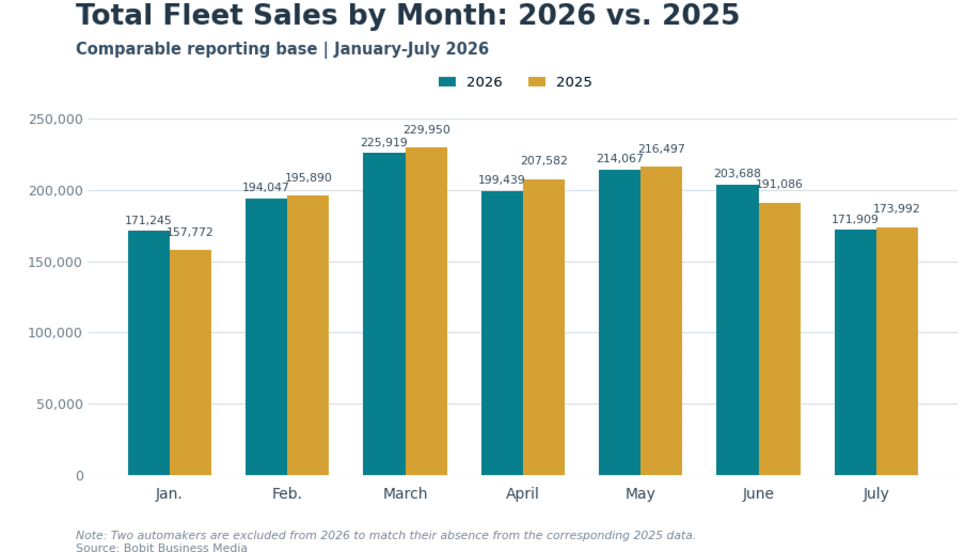
Fleet Sales Hold Steady as Commercial Gains Offset Rental Decline
Commercial and government fleet sales increased through July 2026, offsetting most of the decline in rental volume and leaving combined comparable fleet sales 0.5% above the same period last year.
Read More →
Personnel Update: BrickHouse GPS, PRO-VISION, Auto Driveaway, and Proaction
Check out the latest must-know fleet personnel updates from the last couple of months.
Read More →
What Comes Next for Auto Driveaway?
A new Auto Driveaway feature called Arrive provides recipients with live location updates and ETAs during the final hour of a vehicle move, while fleet customers continue to have end-to-end shipment visibility through the company's customer portal.
Read More →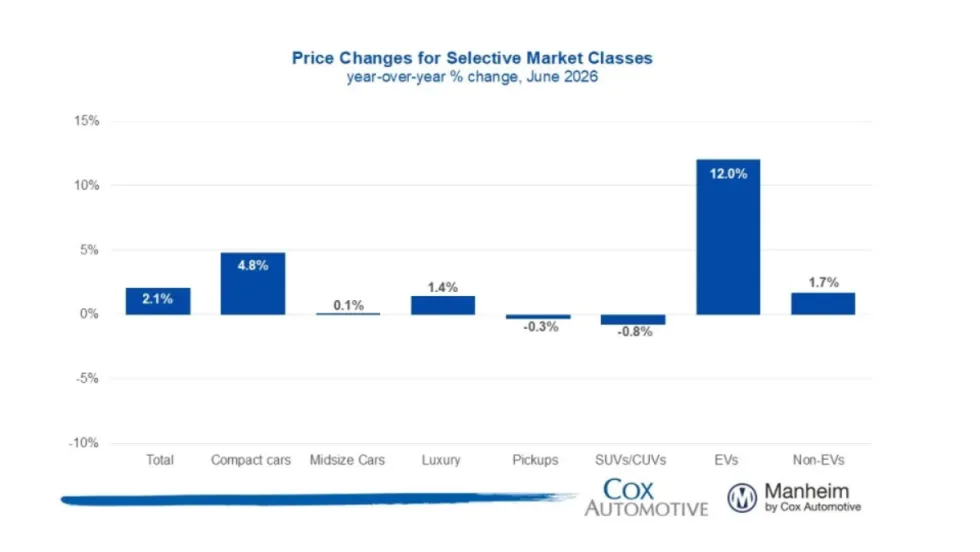
Manheim Index Shows Used-Vehicle Wholesale Prices Up 2.1% in June
The market is seeing stronger appreciation in older used vehicles this year, and the most affordable segments have been among the year’s best performers.
Read More →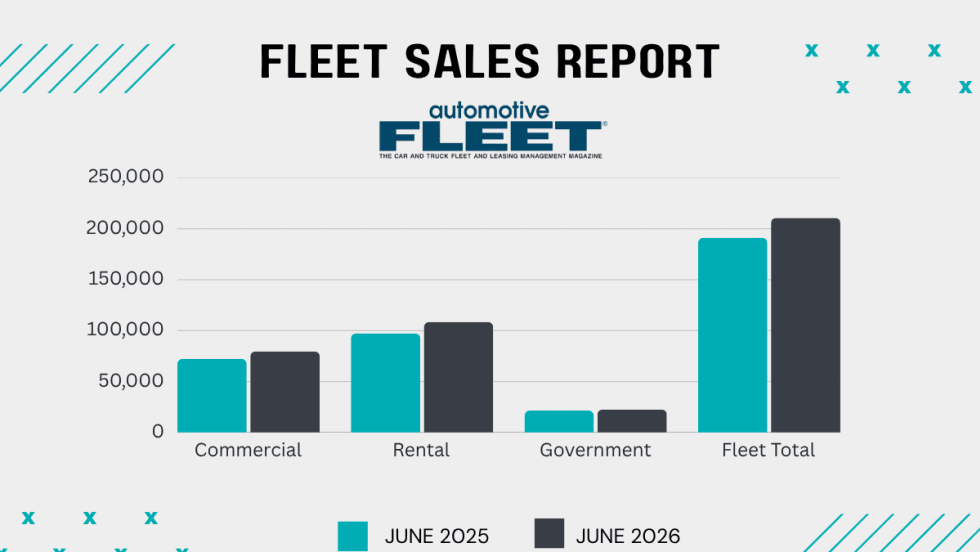
Commercial Fleet Sales Contribute To June, YTD Gains
The fleet sector has boosted its vehicle purchases at a reliable pace in the first half of this year compared with 1H 2025.
Read More →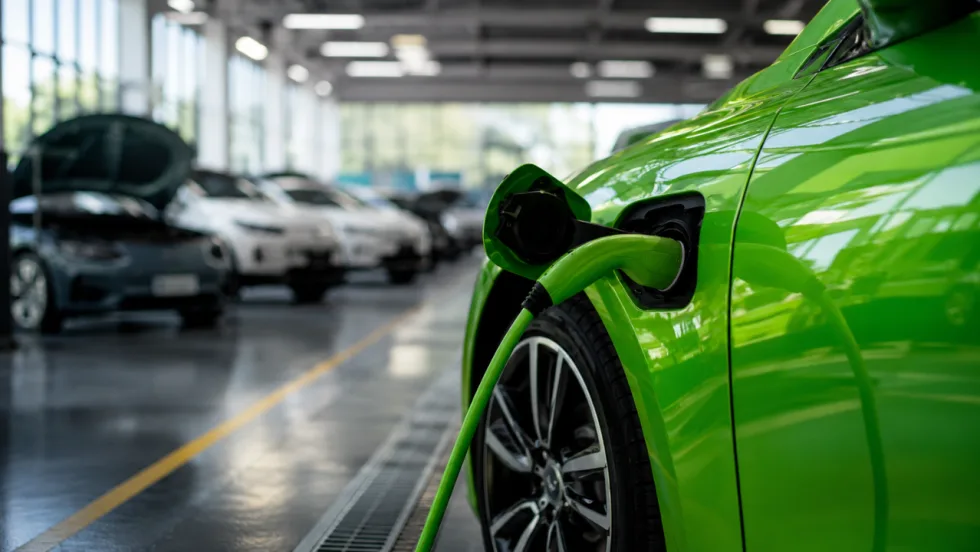
Stop Remarketing Electric Vehicles Like Gas Cars
The advantages and attributes of electric vehicles are upending the traditional remarketing cycle, requiring fleet sellers to rely on new factors and approaches detailed below.
Read More →
AP Fleet Management Expands Remarketing Program for Commercial Work Trucks
AP Fleet Management expanded its commercial vehicle remarketing program with dedicated resale services and an online marketplace for used work trucks.
Read More →
Used EVs Strengthen Overall Electric Vehicle Market
The latest sales data point to several reasons for the divergent trends in new and used EVs that can factor into fleet cycling decisions.
Read More →
The Data-Driven Haul: 5 Ways AI is Leveling the Playing Field in Auto Transport
Large and small transport fleets are becoming more competitive as predictive analytics and real-time data inform the logistics decision chain.
Read More →