



Foreign, Domestic Automakers Suspend Production at North American Factories
The shutdowns come to fight the spread of COVID-19/coronavirus after workers at multiple plants tested positive.

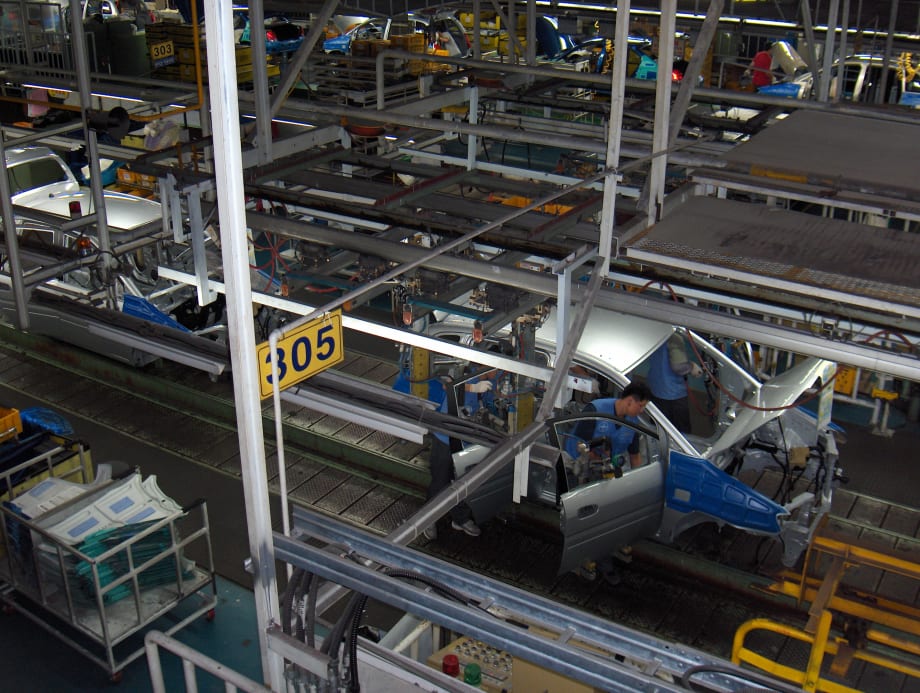
Photo via Anonyme/Wikimedia.
General Motors, Ford, and Fiat Chrysler will suspend production at North American manufacturing facilities to fight the spread of COVID-19/coronavirus, according to press statements and news reports.
Both GM and Ford stated their suspensions will last until at least March 30. GM stated its production status will be reevaluated week-to-week after that. Ford said its plants will shut down after Thursday evening shifts.
A factory worker at Ford’s assembly plant in Wayne, Mich. has tested positive for coronavirus/COVID-19.
Fiat Chrysler had closed its Sterling Heights Assembly Plant Tuesday night for deep cleaning, according to a statement sent to the Detroit Free Press. An employee had tested positive for COVID-19 at the facility, which makes the Ram 1500. An announcement regarding the plant’s reopening is pending.
The closures come after the United Auto Workers requested on Tuesday that the Big 3 automakers cease production for the next two weeks.
Hyundai confirmed a case of COVID-19 at its Alabama manufacturing plant and has suspended production at the plant starting today.
Tesla, however, will continue to keep its Fremont, Calif., plant open. TechCrunch reports that the EV automaker had conflicting guidance regarding a shelter-in place order in Alameda County.
Honda Motor Co. has temporarily closed its North American factories for one week starting on Wednesday.
Other foreign manufacturers, including Volkswagen, BMW, Nissan, Toyota, and Mercedes-Benz have not yet announced plant closures of their North American facilities.
Update 3/18: Fiat Chrysler said in a statement it will cease production at plants across North America starting today through the end of March. BMW reported it is closing its U.S. plants as well.
Update 3/19: Nissan announced that it will temporarily suspend production of its manufacturing facilities in the U.S. starting March 20 through April 6. Toyota is temporarily suspending production at all of its automobile and components plants in North America, including Canada, Mexico and the U.S., though its shutdown is short: Toyota reported its manufacturing facilities will be closed from March 23-24, resuming production on March 25, 2020. The service parts depots and vehicle logistics centers will continue to operate. Tesla will shut down its California and New York plans on March 23.
Originally posted on Work Truck Online
More Fleet

Acertus Acquires Fisher Shipping, CEO to Join Acertus
Fisher Shipping will retain its brand and team, while its customers gain access to Acertus’ transportation, storage, vehicle care, and title and registration services.
Read More →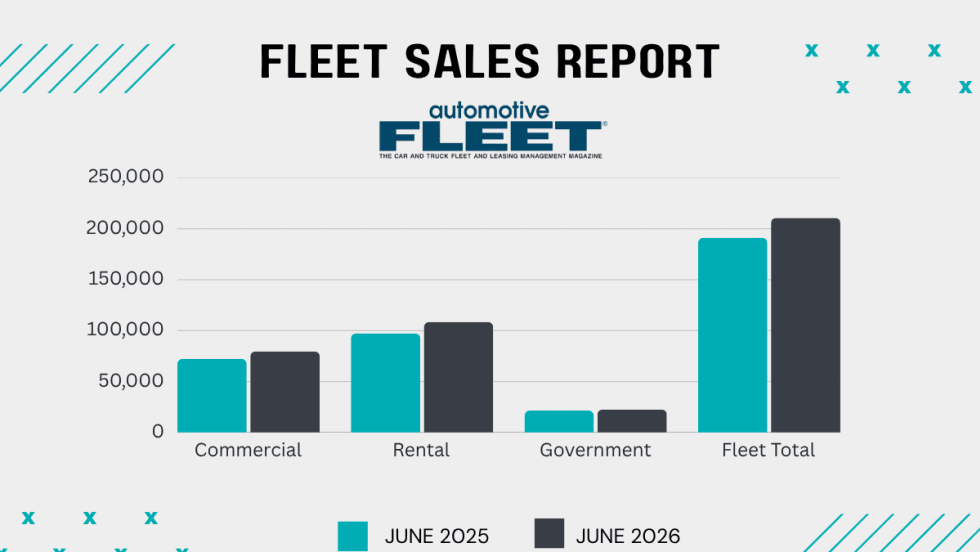
Commercial Fleet Sales Contribute To June, YTD Gains
The fleet sector has boosted its vehicle purchases at a reliable pace in the first half of this year compared with 1H 2025.
Read More →
Registration Opens for 2026 Fleet Forward Conference
Held on the East Coast for the first time, the Washington, D.C.-area event features expert-led education, a new IIHS Crash Test Experience, and collocation with the NAFA’s Fleet Safety Symposium.
Read More →
AP Fleet Management Expands Remarketing Program for Commercial Work Trucks
AP Fleet Management expanded its commercial vehicle remarketing program with dedicated resale services and an online marketplace for used work trucks.
Read More →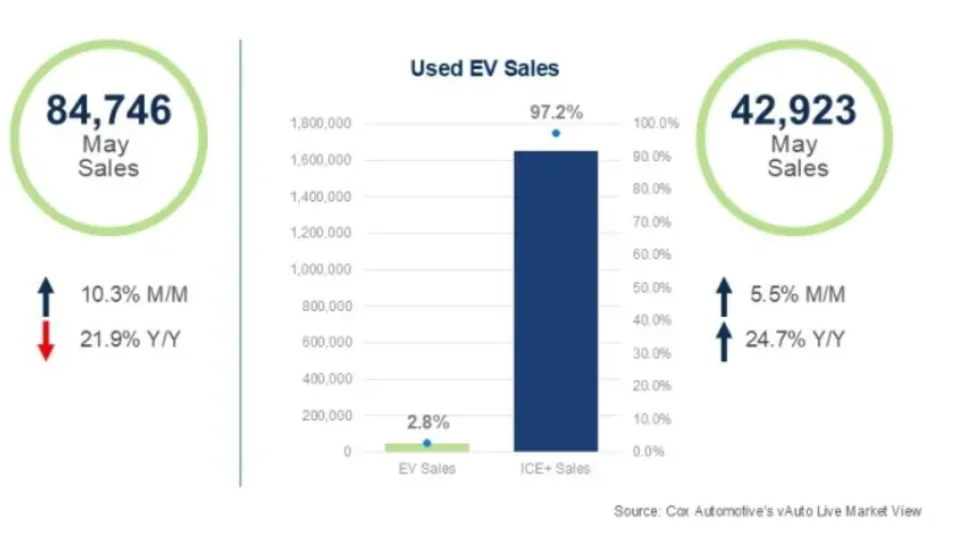
Used EVs Strengthen Overall Electric Vehicle Market
The latest sales data point to several reasons for the divergent trends in new and used EVs that can factor into fleet cycling decisions.
Read More →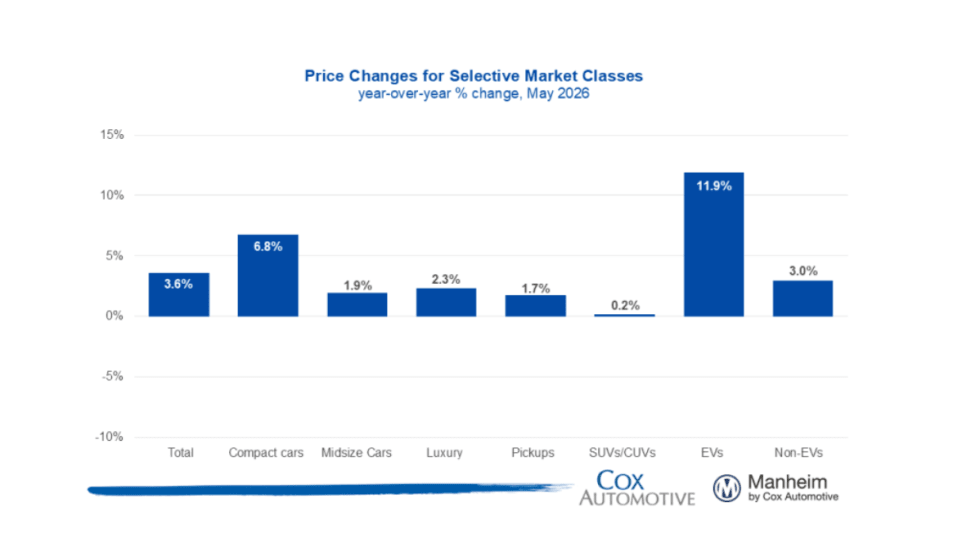
Wholesale Used Vehicle Market Sustains Moderate Rise In Values, Prices
Trends continue to normalize after a strong start to the year, as consumers contend with higher gas prices in the coming summer months.
Read More →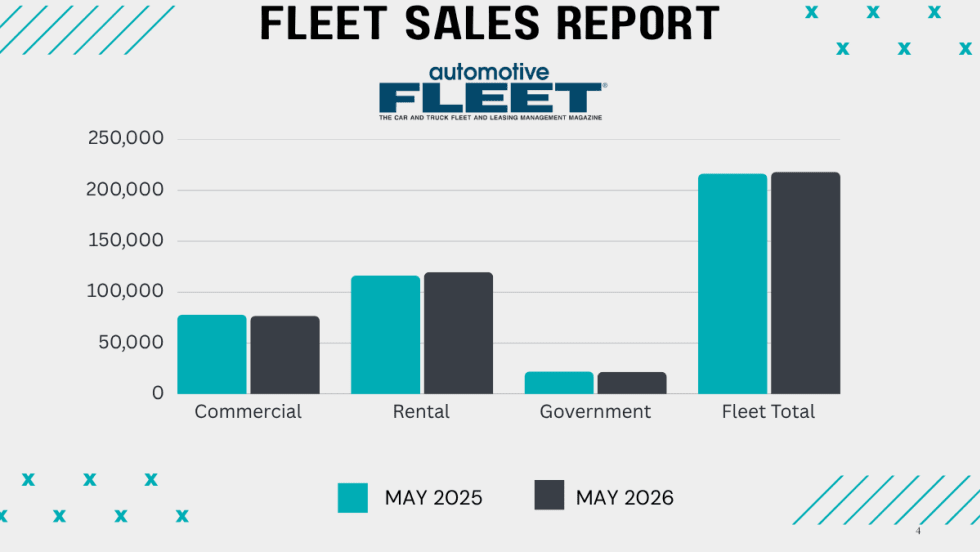
Commercial Fleet Sales Still Lead Sectors Despite May Mini Dip
The U.S. economy's continued growth and positive business investment are creating a favorable environment for fleet vehicle demand.
Read More →
The Data-Driven Haul: 5 Ways AI is Leveling the Playing Field in Auto Transport
Large and small transport fleets are becoming more competitive as predictive analytics and real-time data inform the logistics decision chain.
Read More →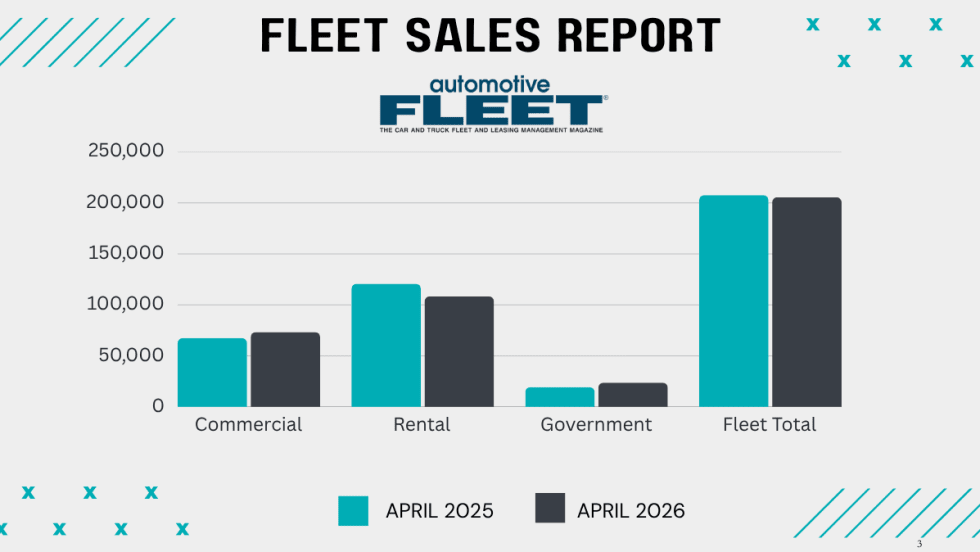
Commercial Fleet Sales Show Healthy Gains
So far, the fleet sector is outshining government and rental fleet sales this year as economic growth spurs more business investment.
Read More →
CAR 2026 Recap Part 2: Closing the Gap Between Data & Remarketing Value
The second half of CAR 2026 examined how fleets can translate lifecycle strategy, vehicle data, and market shifts into higher real-world results.
Read More →