



First-Half 2018 Retail Sales Weakest in Four Years
Consumer are on pace to spend $38.9 billion on new vehicles in June, which is $1.8 billion more than last year’s level. The increase should more than offset the 0.6% decrease in new-vehicle sales for the month, which are expected to total 1.2 million units.
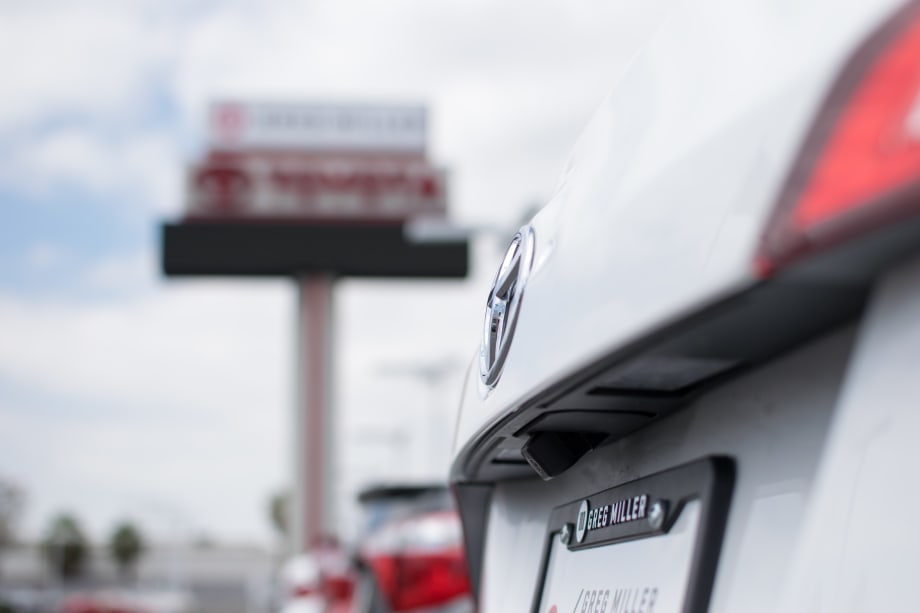
Consumers purchased 1.2 million fewer vehicles in June 2018 than they did in June 2017.
Photo by Eric Gandarilla.
Consumer are on pace to spend $38.9 billion on new vehicles in June, which is $1.8 billion more than last year’s level. The increase should more than offset the 0.6% decrease in new-vehicle sales for the month, which are expected to total 1.2 million units, according to a joint forecast from J.D. Power and LMC Automotive.
Despite the dip in retail sales, absolute volumes remain strong. From a consumer expenditure perspective, said Thomas King, senior vice president of the J.D. Power’s Data and Analytics Division, 2018 is expected to be another record-breaking year for the industry.
“The first half of 2018 will deliver the weakest industry retail sales results since 2014,” King said. “However, weaker sales volumes are being offset by higher transaction prices, which are expected to reach a record $32,221 for the first half, up $824 compared with 2017” and surpassing the previous high of $31,397 set in the first half of 2017.
At that level, consumers are on pace to spend $215 billion on new vehicles in the first half of 2018, he added, nearly $5 billion more than the first six months of 2017.
June’s average transaction price for new vehicles also reached an all-time high of $32,169. The previous record was set last June, when the average new-vehicle transaction price came in at $31,636. If the prediction is realized, consumers will have spent $38.9 billion on new vehicles for the month, which is $1.8 billion more than last year’s level.
Vehicle manufacturers are providing payment relief in the form of increased incentive spending, with the average spend per unit in June expected to come in at $3,765. Through the first six months of the year, incentive spending per unit has increased $118 from the year-ago period to $3,892.
Driving up transaction prices is demand for trucks, which accounted for 67% of new-vehicle retail sales through June 17 — the highest level ever for the month of June and the 24th consecutive month above 60%. Days to turn, or the average number of days a new vehicle sits on a dealer lot before being sold to a retail customer, was 70 through June 17, which was flat with a year ago.
Fleet sales are expected to total 300,200 units in June, down 4% from June 2017. Fleet volume is expected to account for 20% of total light-vehicle sales, down 1 percentage point vs. last year.
“Tariff threats remain at center stage. The high level of uncertainty and expected negative effects are causing profit and volume warnings,” said Jeff Schuster, president of LMC Automotive’s Americas operations and global vehicle forecasts. “A trade war involving vehicles would be devastating to sales volume in the United States and other key markets. No one wins when more than a million units annually are at risk in the U.S.”
Despite the risk, LMC is holding its base case forecast for 2018 total light-vehicle sales at 17.1 million, which would be a decrease of 0.4% from 2017. The firm is also holding its retail light-vehicle forecast at 13.8 million, which would be a decline of 1.5% from a year ago. The firm expects fleet volume to grow by 115,000 units, or 3.5%, and represent 19.5% of total light-vehicle sales this year.
This story originally appeared on F&I and Showroom, another Bobit Business Media publication.
Related: New Vehicle Sales to See Big Drop in April: Edmunds
More Used Vehicle Values
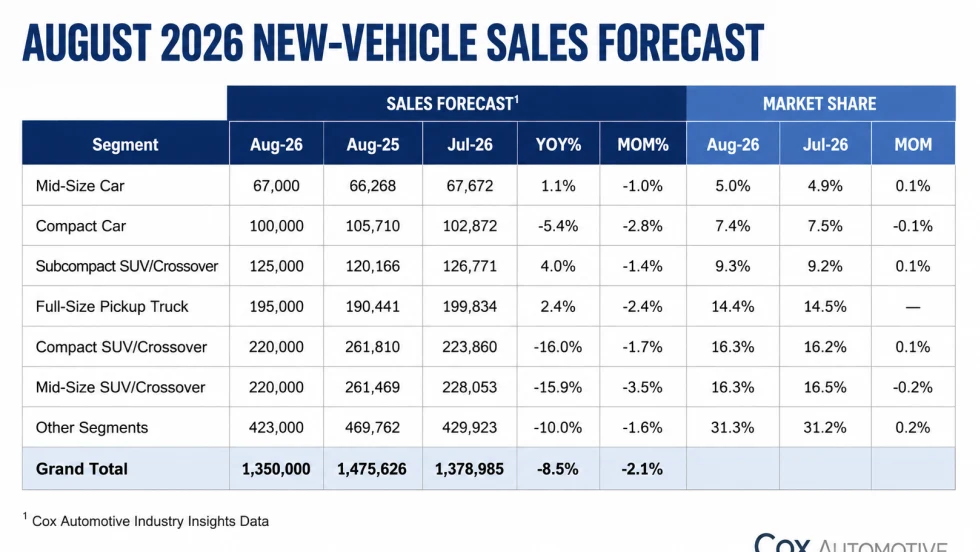
August New-Vehicle Sales Pace Forecast to Hold Above 16 Million
Despite an expected 8.5% year-over-year decline in August volume, Cox Automotive forecasts a 16.3 million SAAR, with full-size pickups outperforming several major crossover segments.
Read More →
Trade Strategy Now Starts Long Before Turn-In
The strongest trade values aren't built at turn-in. Discover how maintenance, lifecycle planning, and shared risk protect truck resale value.
Read More →
What Happens When Residual Values Meet Real-World Markets
A truck's trade value isn't determined on turn-in day. Learn how market cycles, maintenance, and timing shape the gap between residuals and reality.
Read More →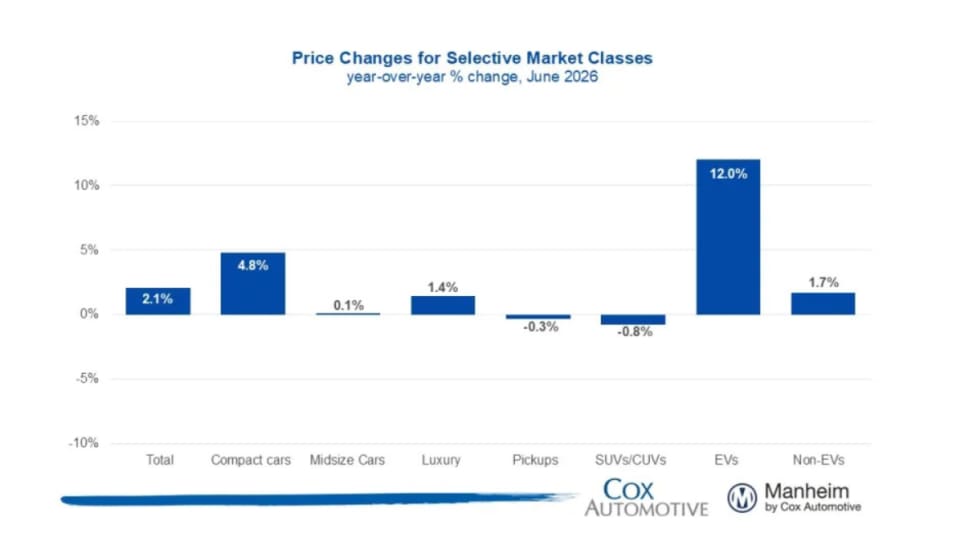
Manheim Index Shows Used-Vehicle Wholesale Prices Up 2.1% in June
The market is seeing stronger appreciation in older used vehicles this year, and the most affordable segments have been among the year’s best performers.
Read More →
Stop Remarketing Electric Vehicles Like Gas Cars
The advantages and attributes of electric vehicles are upending the traditional remarketing cycle, requiring fleet sellers to rely on new factors and approaches detailed below.
Read More →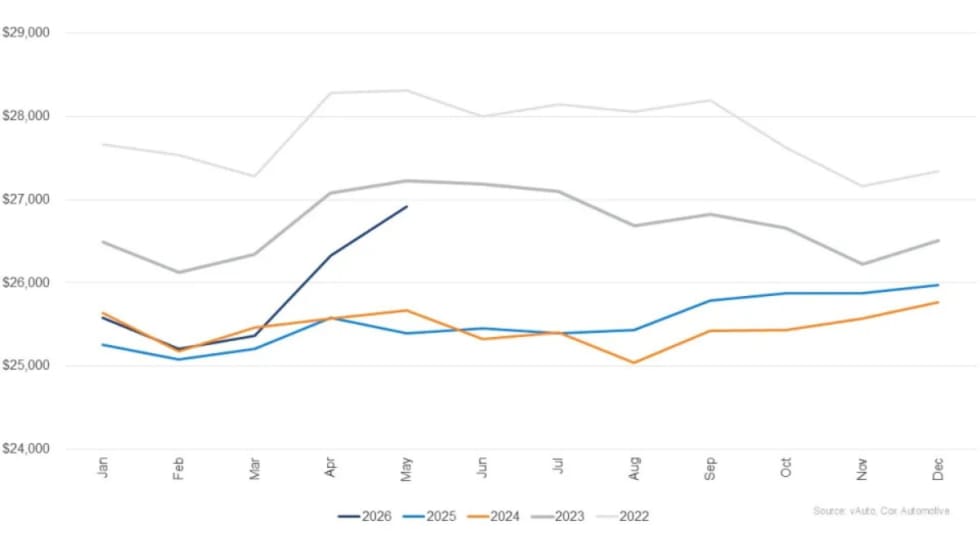
Used Vehicle Prices Climb Higher As Sales Pace Slows
The higher prices at used retail reflect strong wholesale values earlier in the spring, particularly for older, more affordable vehicles.
Read More →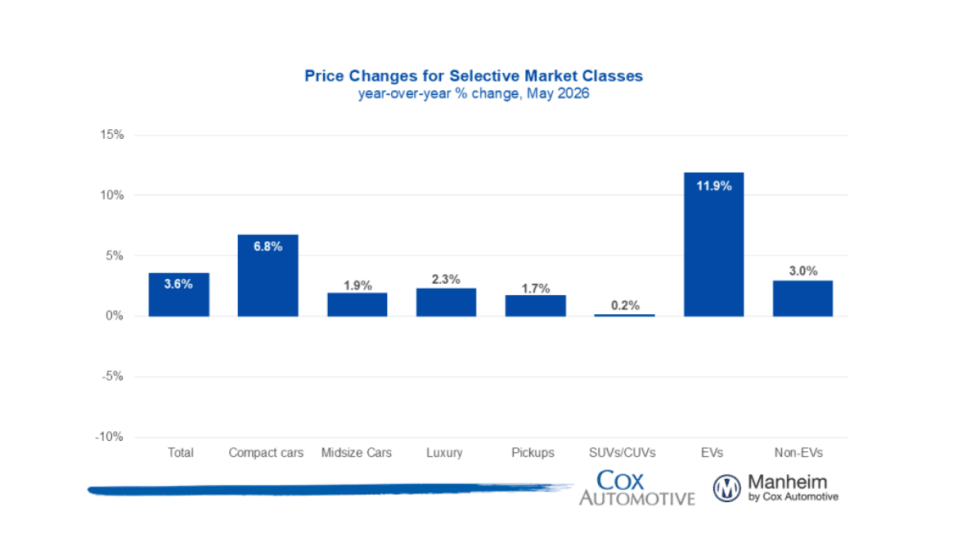
Wholesale Used Vehicle Market Sustains Moderate Rise In Values, Prices
Trends continue to normalize after a strong start to the year, as consumers contend with higher gas prices in the coming summer months.
Read More →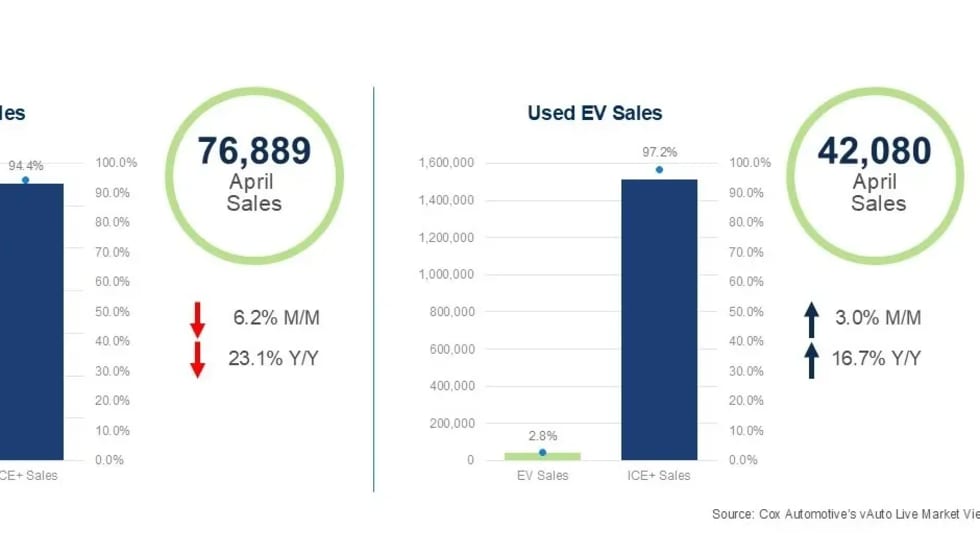
Used EV Sales Grow In April
While EV sales declined, used EV sales grew, as tighter inventory and rising prices reflected a more normalized pace for the EV market.
Read More →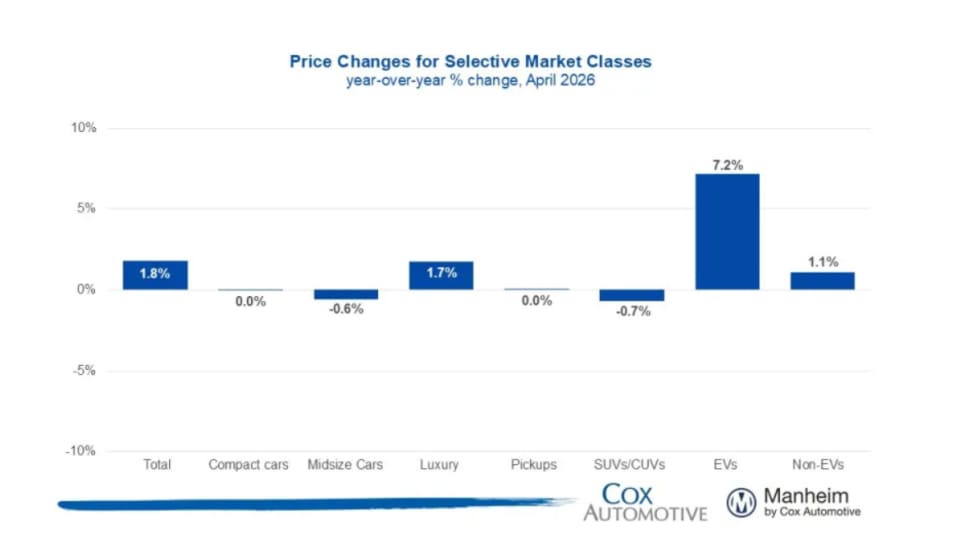
Wholesale Used Vehicle Prices Slightly Up In April
The Iranian conflict and rising gas prices inject much uncertainty into the future wholesale used vehicle markets, as higher gas prices soak up spendable income from vehicle buyers.
Read More →
CAR 2026 Recap Part 2: Closing the Gap Between Data & Remarketing Value
The second half of CAR 2026 examined how fleets can translate lifecycle strategy, vehicle data, and market shifts into higher real-world results.
Read More →