



EV Sales Hit Record in Q3 Before Incentives Expire
But most OEMs record low-volume sales, which means EV profitability remains a distant dream for nearly every automaker.

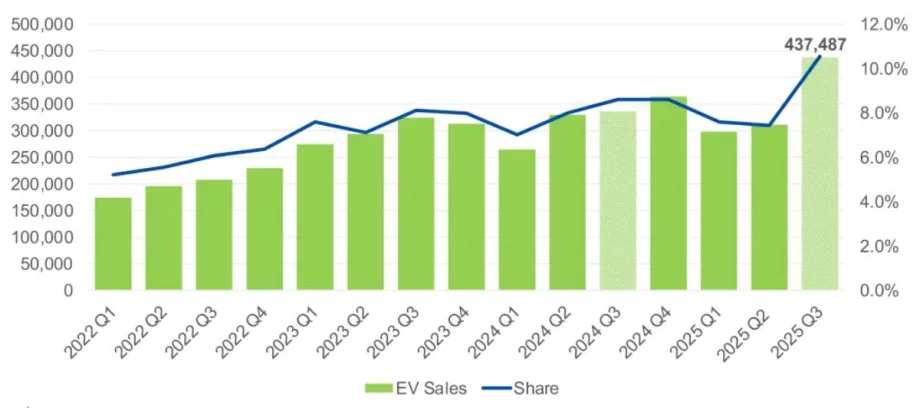
EV sales volume in Q3 was up 40.7% from the previous quarter and higher by 29.6% year over year.
Graphic: Cox Automotive
As expected, electric vehicle (EV) sales volume in the U.S. hit an all-time high in Q3 2025: 438,487 units sold, according to Kelley Blue Book estimates released Oct. 10.
EV sales volume in Q3 was up 40.7% from the previous quarter and higher by 29.6% year over year. The Q3 record beat the prior peak set in Q4 2024 by nearly 20%. During the third quarter, electric vehicles accounted for 10.5% of total vehicle sales, also a new record and a significant increase from the 8.6% share in the same period last year.
However, not all automakers joined the sales party. Mercedes-Benz EV sales in Q3 were mostly flat year over year, while Toyota and Nissan both sold fewer EVs last quarter compared to Q3 2024.
Meanwhile, Volkswagen, General Motors, Honda, and Hyundai saw sizeable gains — VW and GM posted EV sales more than double year-ago levels — and even Tesla managed to eke out an 8% year-over-year gain in the quarter, the company’s first increase in 2025 after seeing sales tumble in the first half. Clearly, the urgency of an incentive-ending deadline prompted people and dealers to take action.
Tesla’s share of total EV sales fell to 41% from 49% in Q3 2024, according to Kelley Blue Book estimates. The EV pioneer struggles to maintain its market share in a segment where every automaker is working to expand its own electric vehicle portfolio. Recently announced price cuts may help Musk’s company maintain volume. But the challenges are only getting tougher for Tesla, which has a two-vehicle lineup supported by three niche vehicles.
In Q3, about 90 EV models registered sales, with only nine posting sales above 10,000 units. The Tesla Model Y and Model 3 continue to stand out, with sales of 114,000+ and 53,000+, respectively, in Q3. The new Chevy Equinox was the third best-selling EV last quarter with sales of nearly 25,000.
That may seem like a reasonable volume, but the top 3 are outliers, as most EVs sell at a rate of far less than 2,000 a month, or 6,000 units a quarter. In the volume-driven business of automotive manufacturing, low volume is the enemy; EV profitability remains a distant dream for nearly every automaker.
With government-backed EV sales incentives now eliminated, making and selling EVs for the U.S. market becomes even more challenging. The all-time sales and share records in Q3 were all but certain. What is far less certain is what happens next.
“The training wheels are coming off,” noted Cox Automotive’s director of industry insights, Stephanie Valdez Streaty, in a news release. “The federal tax credit was a key catalyst for EV adoption, and its expiration marks a pivotal moment. This shift will test whether the electric vehicle market is mature enough to thrive on its own fundamentals or still needs support to expand further.”
Cox Automotive forecasts EV sales to drop notably in Q4 and through the early months of 2026. Although many automakers have already pulled back on plans for new product launches, Cox Automotive continues to believe that over the long term — the next 10 years or more — sales of vehicles powered solely by internal combustion engines (ICE) will continue to decline.
Electrified vehicles — hybrids, plug-in hybrids, and pure EVs — are the future. Valdez Streaty added, “Growth will be slower than many advocates hoped, but continued innovation in battery technology, improved transparency in battery health, and expanding infrastructure give reason for optimism. The road ahead will be challenging, but progress will continue.”
Originally posted on Charged Fleet
More Fleet

Acertus Acquires Fisher Shipping, CEO to Join Acertus
Fisher Shipping will retain its brand and team, while its customers gain access to Acertus’ transportation, storage, vehicle care, and title and registration services.
Read More →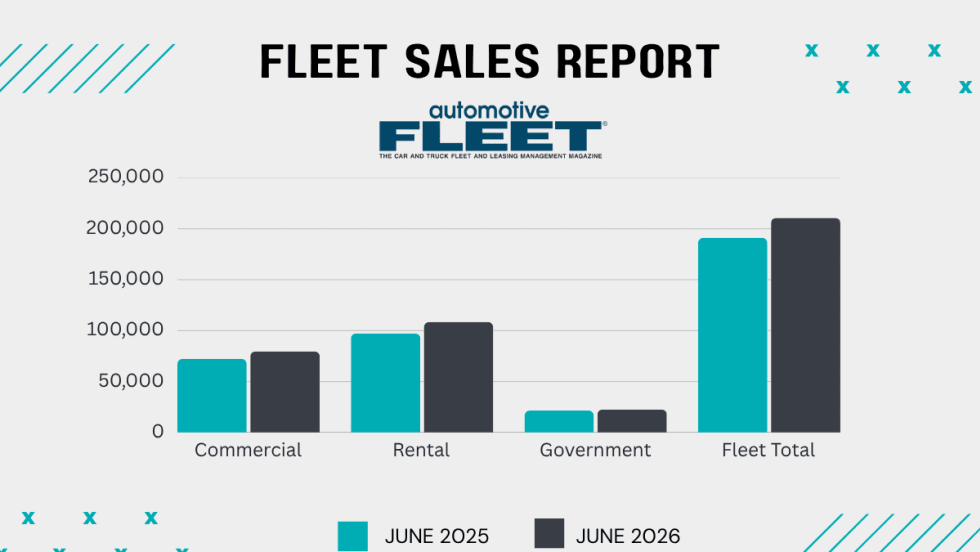
Commercial Fleet Sales Contribute To June, YTD Gains
The fleet sector has boosted its vehicle purchases at a reliable pace in the first half of this year compared with 1H 2025.
Read More →
Registration Opens for 2026 Fleet Forward Conference
Held on the East Coast for the first time, the Washington, D.C.-area event features expert-led education, a new IIHS Crash Test Experience, and collocation with the NAFA’s Fleet Safety Symposium.
Read More →
AP Fleet Management Expands Remarketing Program for Commercial Work Trucks
AP Fleet Management expanded its commercial vehicle remarketing program with dedicated resale services and an online marketplace for used work trucks.
Read More →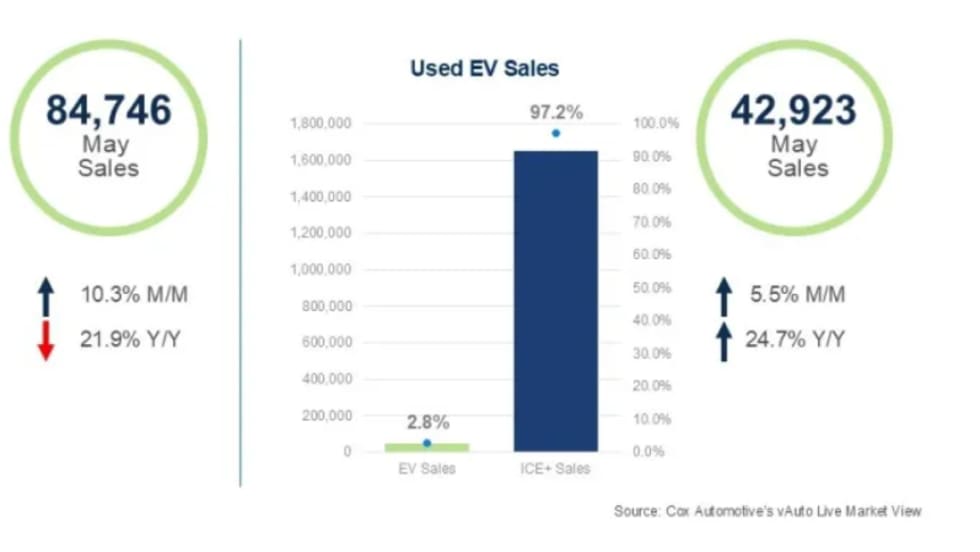
Used EVs Strengthen Overall Electric Vehicle Market
The latest sales data point to several reasons for the divergent trends in new and used EVs that can factor into fleet cycling decisions.
Read More →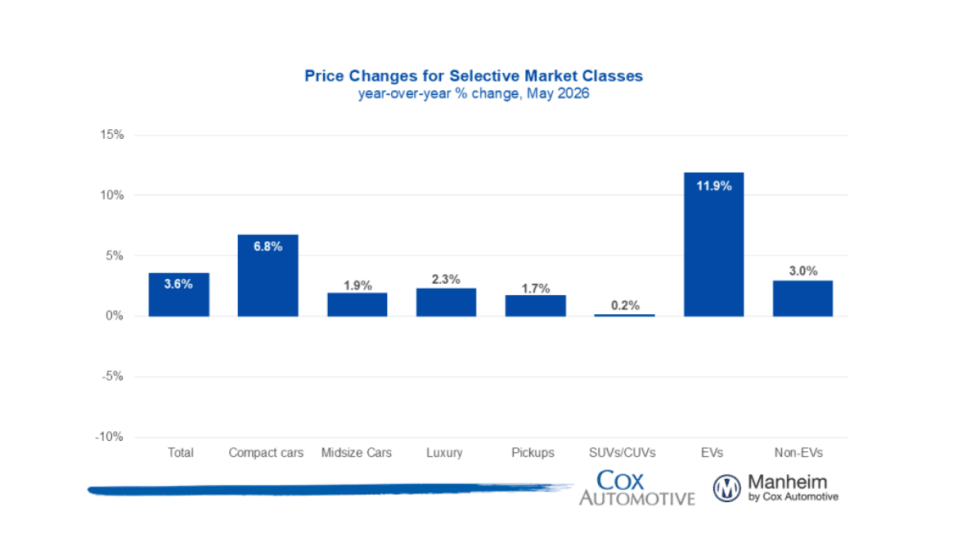
Wholesale Used Vehicle Market Sustains Moderate Rise In Values, Prices
Trends continue to normalize after a strong start to the year, as consumers contend with higher gas prices in the coming summer months.
Read More →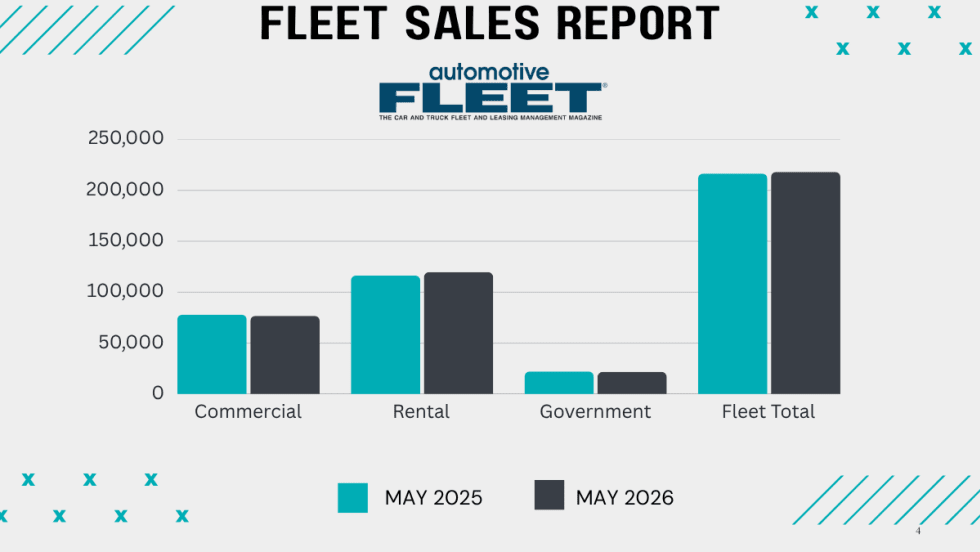
Commercial Fleet Sales Still Lead Sectors Despite May Mini Dip
The U.S. economy's continued growth and positive business investment are creating a favorable environment for fleet vehicle demand.
Read More →
The Data-Driven Haul: 5 Ways AI is Leveling the Playing Field in Auto Transport
Large and small transport fleets are becoming more competitive as predictive analytics and real-time data inform the logistics decision chain.
Read More →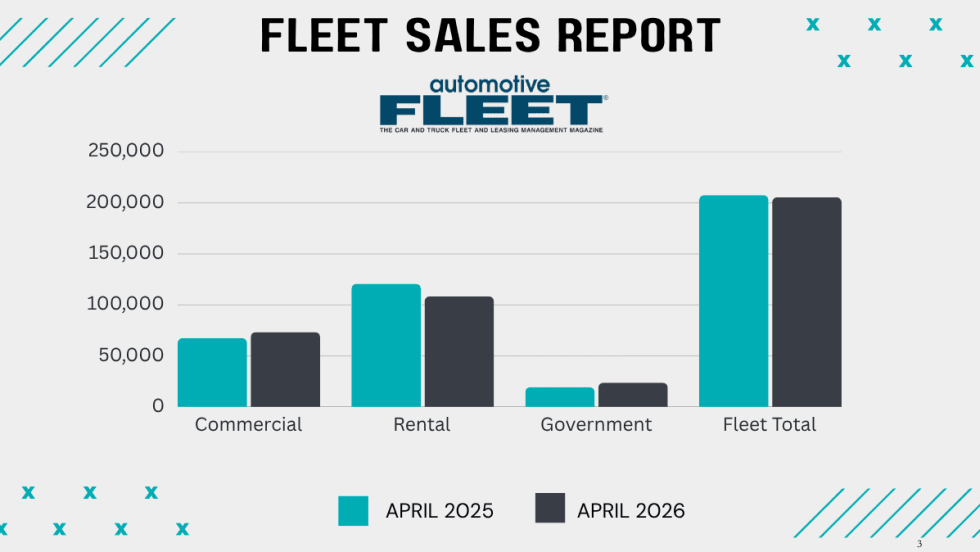
Commercial Fleet Sales Show Healthy Gains
So far, the fleet sector is outshining government and rental fleet sales this year as economic growth spurs more business investment.
Read More →
CAR 2026 Recap Part 2: Closing the Gap Between Data & Remarketing Value
The second half of CAR 2026 examined how fleets can translate lifecycle strategy, vehicle data, and market shifts into higher real-world results.
Read More →