



EV Sales Hit High in Q2 But Growth Likely to Slow
Tesla’s share fell below 60% for the first time, but the No. 2 seller of EVs in the U.S. – Chevrolet – is a distant second. Numbers will fuel the budding used EV market further.

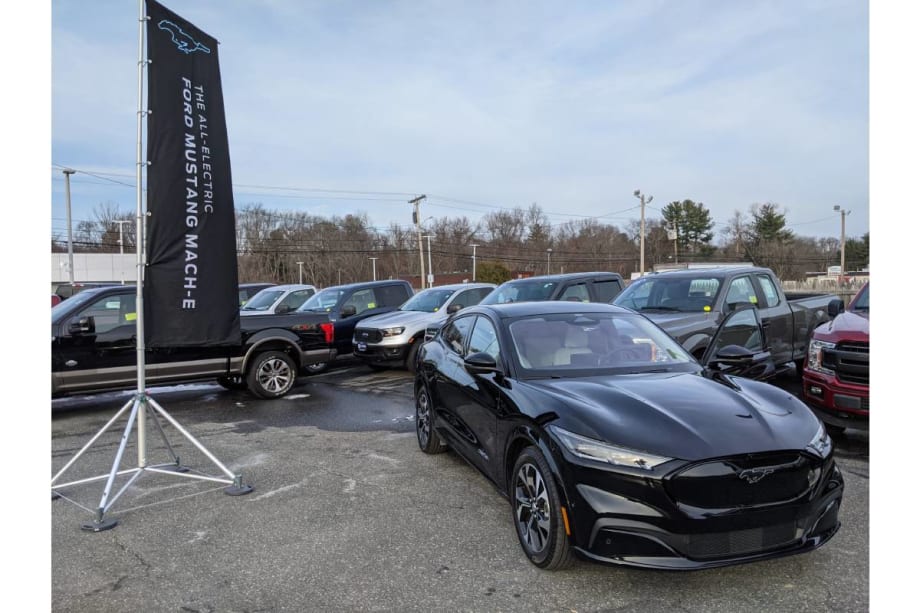
EV sales records will continue to be set, and EV growth will continue to outpace overall industry growth, but the days of 75% year-over-year growth are in the rearview mirror. The hard-growth days are ahead.
Photo: findbestcarprice.com
Nearly 300,000 new electric vehicles (EVs) – full battery-electric vehicles – were sold in the U.S. in Q2, a record for any quarter and an increase of 48.4% from Q2 2022, according to Cox Automotive.
Tesla, again, was the largest seller of EVs in the U.S., with more than 175,000 sold, an increase of 34.8% quarter over quarter. Sales growth at Tesla, and the EV segment overall, was aided by sizeable price cuts by some automakers (Tesla, really) and incentive levels well above the industry average. In June, the average price paid for an EV was down nearly 20% year over year. EV share of the U.S. market in Q2 was 7.2%, up from 5.7% a year ago and down from the high in Q1 of an upwardly revised 7.3%.
Chevrolet No. 2 EV Seller
Tesla is the No. 1 seller of luxury vehicles in the U.S., but its share of EV sales continues to fizzle. In Q2, Tesla’s share fell below 60% for the first time, but the No. 2 seller of EVs in the U.S. – Chevrolet – is a distant second. Tesla outsold Chevrolet 10 to 1 in Q2.
Ford and Hyundai are third and fourth behind Chevrolet. Newcomer Rivian had a good quarter, with more than 20,000 units sold. Tesla’s success, in many ways, is the Model Y, the leading EV in America. One of every three EVs sold last quarter was a Tesla Model Y. Add in the similar-sized Model 3, and those two products are half the electric vehicle business. The once-leading Model S is no longer the best-selling high-end EV. Sales last quarter were estimated at 5,257, down more than 40% year over year and well behind the newcomer: BMW i4 EV sedan, with 6,777 sales in Q2, the new boss when it comes to super-lux EV sedans.
EV sales growth and filling the gaps in infrastructure to support EV mobility continue to be the industry’s leading story. Cox Automotive expects the country to welcome 1 million new EVs to its roads in 2023, which will fuel the budding used EV market further. Sparked in part by government incentives, new battery production facilities are cropping up around the country, and factories are being retooled and rethought to support EV production.
This fall, the United Auto Workers are negotiating their labor contracts with many automakers, and one topic is front and center: EVs. Even vehicle transportation and logistics – the trucking of EVs – is being redesigned in some part, as the current crop of EVs is heavier and harder to move than their ICE brethren.
EV Sales Keep Growing
In a recent Cox Automotive survey, more than 50% of shoppers were interested in adding an EV to their stable. Being interested is easy, of course, but far fewer people actually buy. And in the same survey, 53% of consumers agreed that EVs will eventually replace traditional ICE-powered vehicles. Dealers were more cautious, with only 31% agreeing on an all-EV future. Dealers have a front-row seat to the many challenges ahead. And many dealers, recently, have been watching EV inventory building.
In late June 2023, the days’ supply of EVs was over 100, whereas industry-wide inventory levels were closer to 53 days. When it comes to EV sales, the market is likely heading into its Trough of Disillusionment (hat tip to the Gartner Hype Cycle), where collaboration across many parties will be necessary to push through.
Building EVs is one thing, and many in the industry are proving excellent at that skill. Selling EVs is something different altogether. Yes, EV sales records will continue to be set, and EV growth will continue to outpace overall industry growth, but the days of 75% year-over-year growth are in the rearview mirror. The hard-growth days are ahead.
Originally posted on Charged Fleet
More Fleet

Acertus Acquires Fisher Shipping, CEO to Join Acertus
Fisher Shipping will retain its brand and team, while its customers gain access to Acertus’ transportation, storage, vehicle care, and title and registration services.
Read More →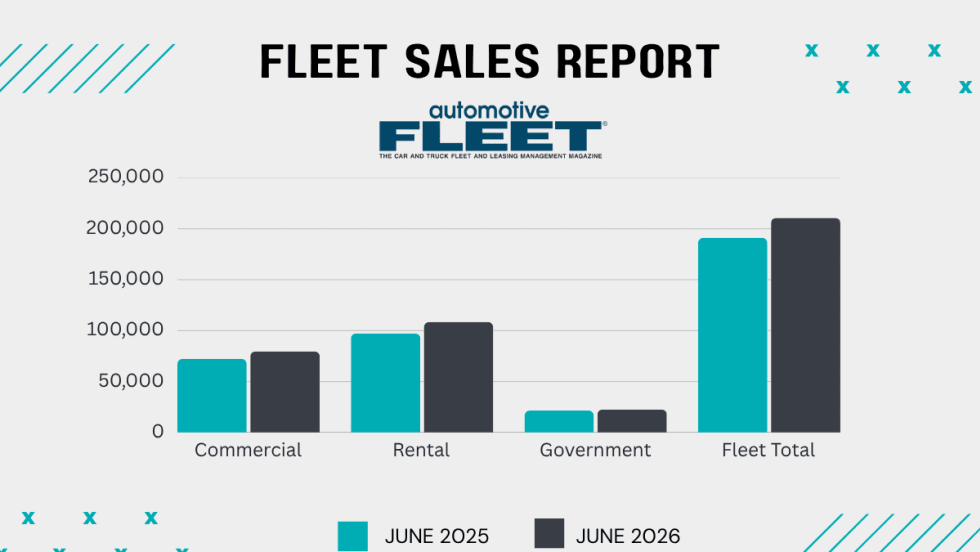
Commercial Fleet Sales Contribute To June, YTD Gains
The fleet sector has boosted its vehicle purchases at a reliable pace in the first half of this year compared with 1H 2025.
Read More →
Registration Opens for 2026 Fleet Forward Conference
Held on the East Coast for the first time, the Washington, D.C.-area event features expert-led education, a new IIHS Crash Test Experience, and collocation with the NAFA’s Fleet Safety Symposium.
Read More →
AP Fleet Management Expands Remarketing Program for Commercial Work Trucks
AP Fleet Management expanded its commercial vehicle remarketing program with dedicated resale services and an online marketplace for used work trucks.
Read More →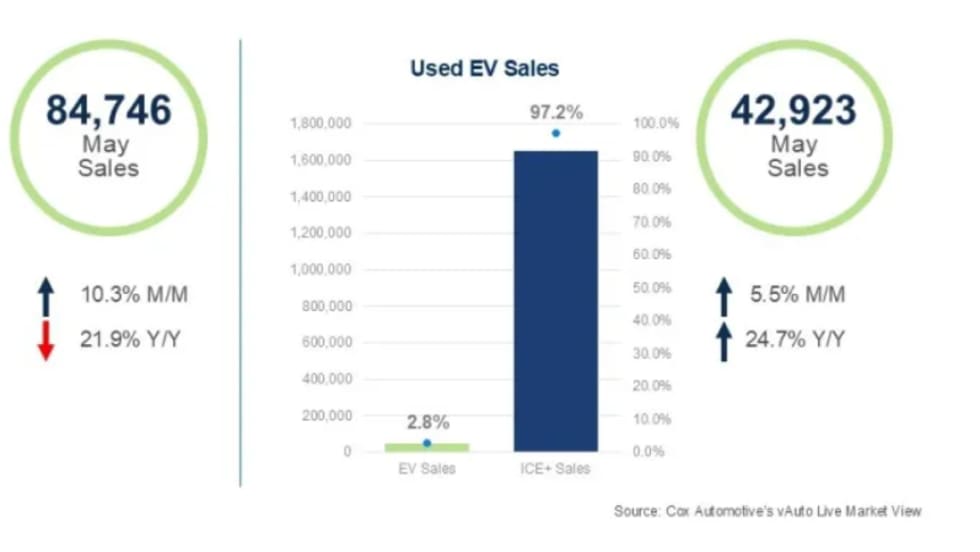
Used EVs Strengthen Overall Electric Vehicle Market
The latest sales data point to several reasons for the divergent trends in new and used EVs that can factor into fleet cycling decisions.
Read More →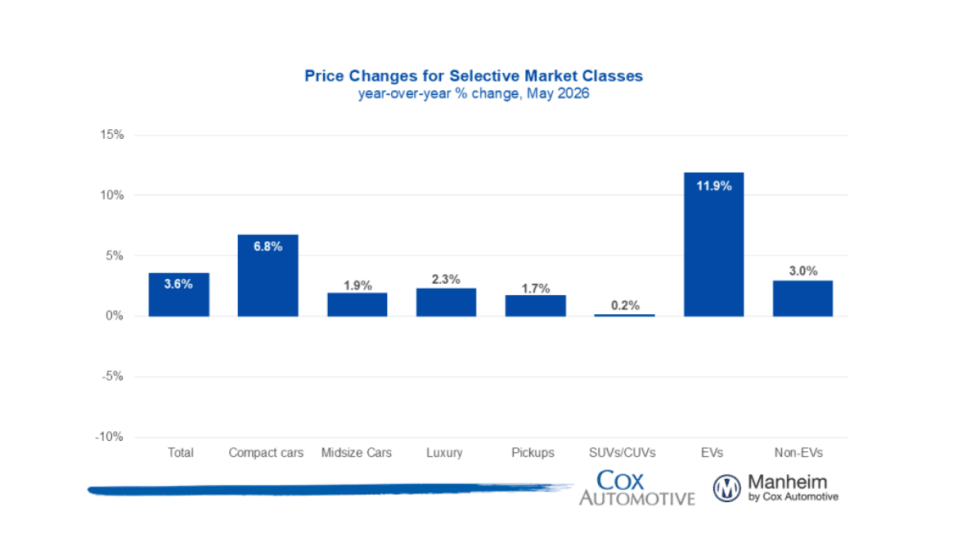
Wholesale Used Vehicle Market Sustains Moderate Rise In Values, Prices
Trends continue to normalize after a strong start to the year, as consumers contend with higher gas prices in the coming summer months.
Read More →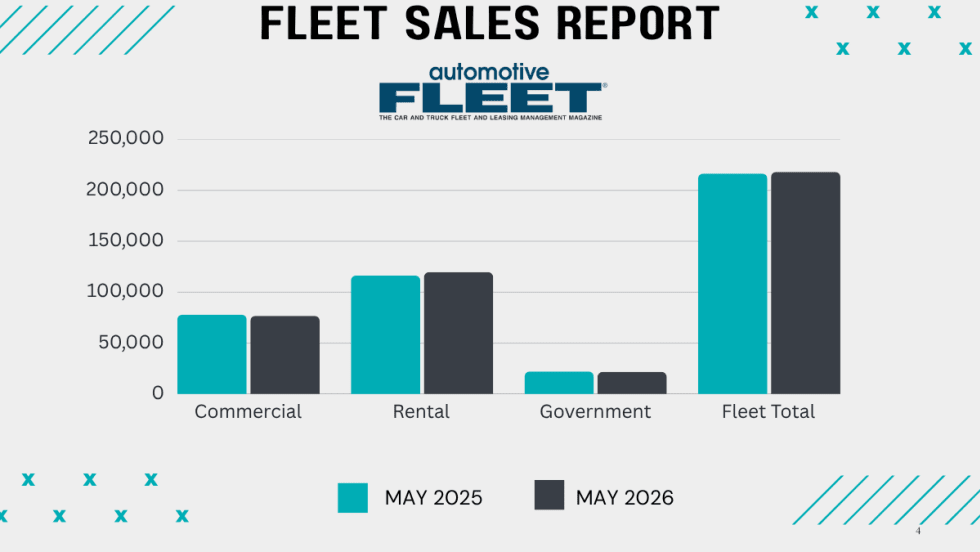
Commercial Fleet Sales Still Lead Sectors Despite May Mini Dip
The U.S. economy's continued growth and positive business investment are creating a favorable environment for fleet vehicle demand.
Read More →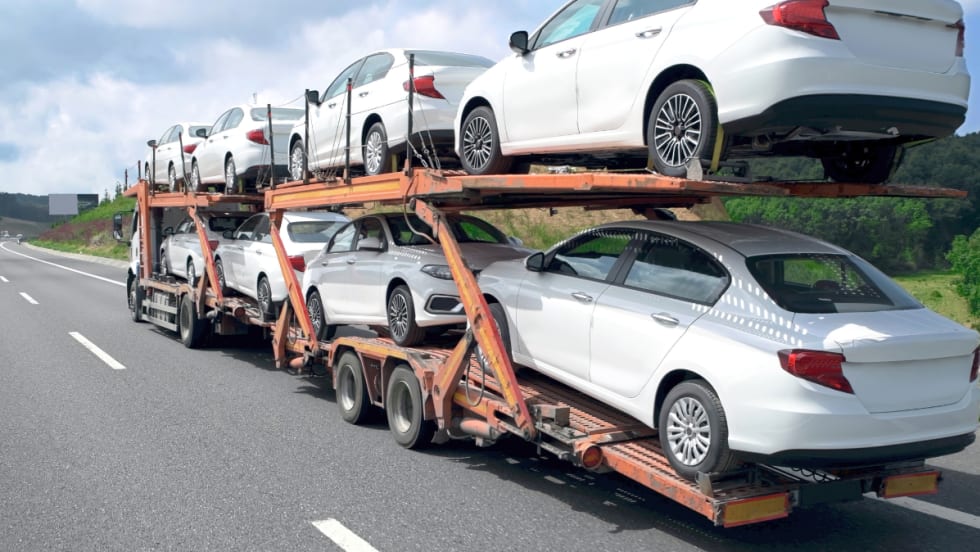
The Data-Driven Haul: 5 Ways AI is Leveling the Playing Field in Auto Transport
Large and small transport fleets are becoming more competitive as predictive analytics and real-time data inform the logistics decision chain.
Read More →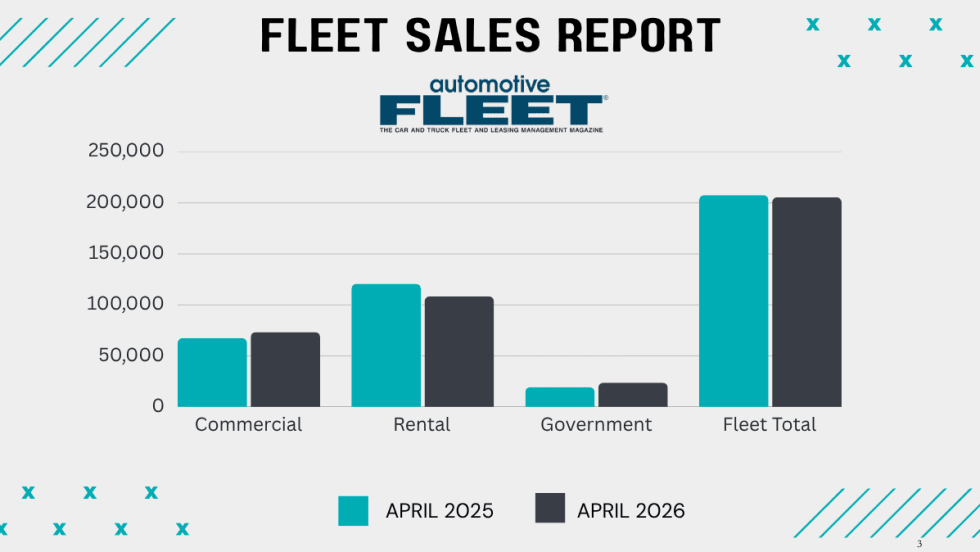
Commercial Fleet Sales Show Healthy Gains
So far, the fleet sector is outshining government and rental fleet sales this year as economic growth spurs more business investment.
Read More →
CAR 2026 Recap Part 2: Closing the Gap Between Data & Remarketing Value
The second half of CAR 2026 examined how fleets can translate lifecycle strategy, vehicle data, and market shifts into higher real-world results.
Read More →