




More News: Valuing Electric Vehicles for Successful Buying and Selling
EV Sales Growth Rate Slows as Tesla Stalls
The Q1 2024 decline in electric vehicle sales was the first quarter-over-quarter downturn since Q2 2020.
April 11, 2024
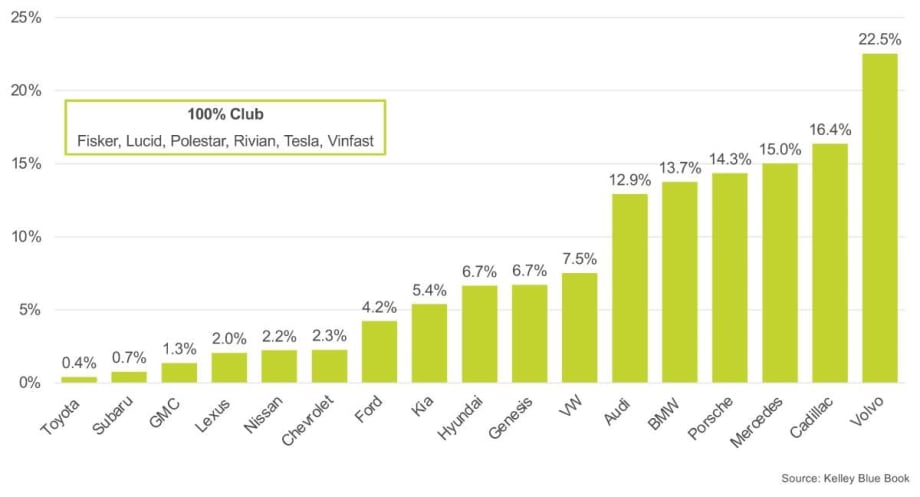
Electric vehicle share of total brand sales for leading OEMs.
Graphic: Cox Automotive
3 min to read
Electric vehicle (EV) sales growth in the U.S. continues to slow, according to sales data analyzed by Kelley Blue Book released April 11.
In Q1 2024, Americans bought 267,808 new electric vehicles, Kelley Blue Book reports. The EV share of total new-vehicle sales in Q1 was 7.3%, a decrease from Q4 2023.
While annual EV sales continue to grow in the U.S. market, the growth rate has slowed notably. Sales in Q1 rose 4.2% year over year, but fell 13.9% compared to Q4 2023. The increase last quarter was well below the previous two years.
In Q1 2023, EV sales volumes were up 46.4% year over year and 15.5% quarter over quarter. In Q1 2022, EV sales were higher by 81.2% year over year and 20.4% higher than the previous quarter.
“Electric vehicle sales in the U.S. declined during Q1 2024 – the first quarter-over-quarter downturn since Q2 2020,” said Stephanie Valdez Streaty, director of industry insights at Cox Automotive, in a news release. “As anticipated, Tesla’s sales took a hit, influencing the overall market dynamics. However, a few brands saw significant EV sales increases, achieving over 50% year-over-year growth. As noted in January, we are calling 2024, ‘the Year of More’. More new products, more incentives, more inventory, more leasing, and more infrastructure will drive EV sales higher this year. Even so, we’ll continue to see ups and downs as the industry moves towards electrification.”
Analysts at Cox Automotive had expected a slowdown in EV sales growth. Segment growth typically slows as volume increases. This is certainly true with the market leader Tesla, which reported notably lower global deliveries in Q1 2024.
Tesla sales in the U.S. were down 13.3% year over year – well below the typical double-digit growth that had become routine with the Tesla brand, according to Kelley Blue Book estimates. Tesla’s share of the electric vehicle market in Q1 2024 was 51.3%, down from 61.7% one year earlier.
Although the overall year-over-year growth was minimal in Q1, 10 manufacturers recorded more than 50% year-over-year growth in EV sales – BMW, Cadillac, Ford, Hyundai, Kia, Lexus, Mercedes, Rivian, Vinfast and Volvo.
Notably, lower prices have supported EV sales volume in the U.S., particularly for key Tesla models. The average transaction price for a new EV in Q1 was $55,167, a 9% decrease compared to Q1 2023 and down 3.8% quarter over quarter. Tesla’s average transaction price was $52,315 in Q1, down about 13.5% year over year. However, lower prices did not generate higher volume.
Many automakers have followed Tesla’s lead and slashed prices. Incentive spending on EVs has increased notably in the past year, another sign of slowing demand. Leasing, too, has increased. In Q1, about 27% of all EVs were leased, more than double from the year before. With leasing, many buyers can qualify for the full $7,500 incentive the Inflation Reduction Act offers.
One bright spot in Q1: Strong EV sales from luxury makers, suggesting the EV market continues to be luxury-driven. Cadillac achieved a 499.2% year-over-year increase in electric vehicle sales due to robust sales of its Lyriq model. At Mercedes, EV sales were up 66.9%. BMW posted a 62.6% increase in EV sales compared to Q1 2023. At Audi, Q1 EV sales grew 28.8% year over year.
Meanwhile, sales of the most affordable EV in the U.S. – the Chevy Bolt – have been temporarily halted. Bolt sales fell 64.3% year over year in Q1, hitting just 7,040, as production stopped. A new version of the Bolt is expected to launch in 2025. On the non-luxury side, Ford achieved an 86.1% year-over-year increase in Q1 EV sales with the second-highest EV sales volume behind Tesla.
Cox Automotive forecasts EV sales in the U.S. to increase year over year in 2024, making this year the best year ever for EV sales. Analysts expect EV sales to reach roughly 10% of the market by the end of the year, up from 7.3% in the first quarter.
Originally posted on Automotive Fleet
More Fleet

Acertus Acquires Fisher Shipping, CEO to Join Acertus
Fisher Shipping will retain its brand and team, while its customers gain access to Acertus’ transportation, storage, vehicle care, and title and registration services.
Read More →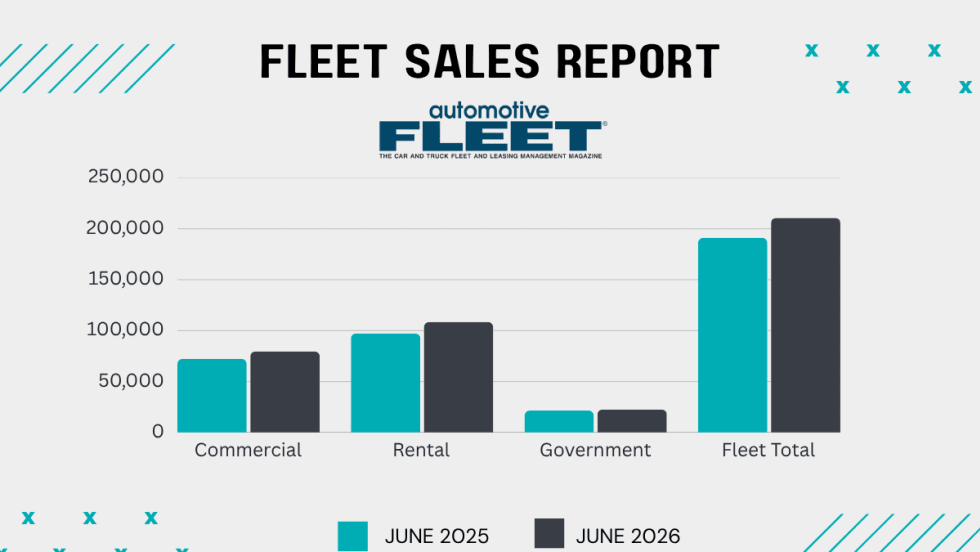
Commercial Fleet Sales Contribute To June, YTD Gains
The fleet sector has boosted its vehicle purchases at a reliable pace in the first half of this year compared with 1H 2025.
Read More →
Registration Opens for 2026 Fleet Forward Conference
Held on the East Coast for the first time, the Washington, D.C.-area event features expert-led education, a new IIHS Crash Test Experience, and collocation with the NAFA’s Fleet Safety Symposium.
Read More →
AP Fleet Management Expands Remarketing Program for Commercial Work Trucks
AP Fleet Management expanded its commercial vehicle remarketing program with dedicated resale services and an online marketplace for used work trucks.
Read More →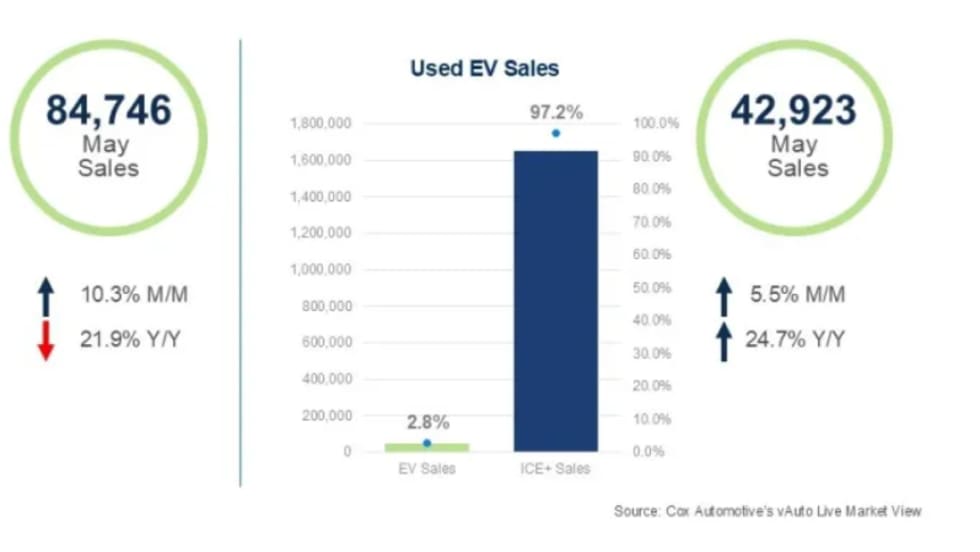
Used EVs Strengthen Overall Electric Vehicle Market
The latest sales data point to several reasons for the divergent trends in new and used EVs that can factor into fleet cycling decisions.
Read More →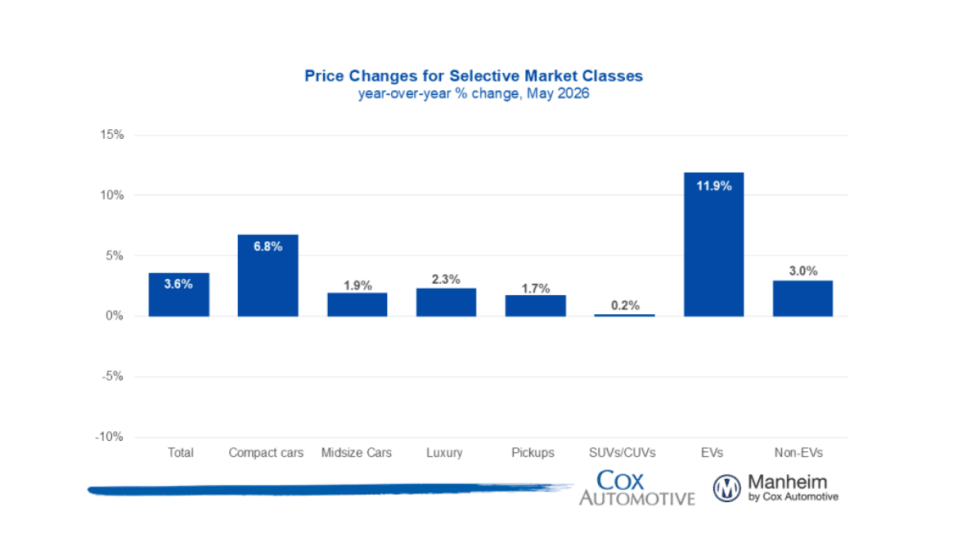
Wholesale Used Vehicle Market Sustains Moderate Rise In Values, Prices
Trends continue to normalize after a strong start to the year, as consumers contend with higher gas prices in the coming summer months.
Read More →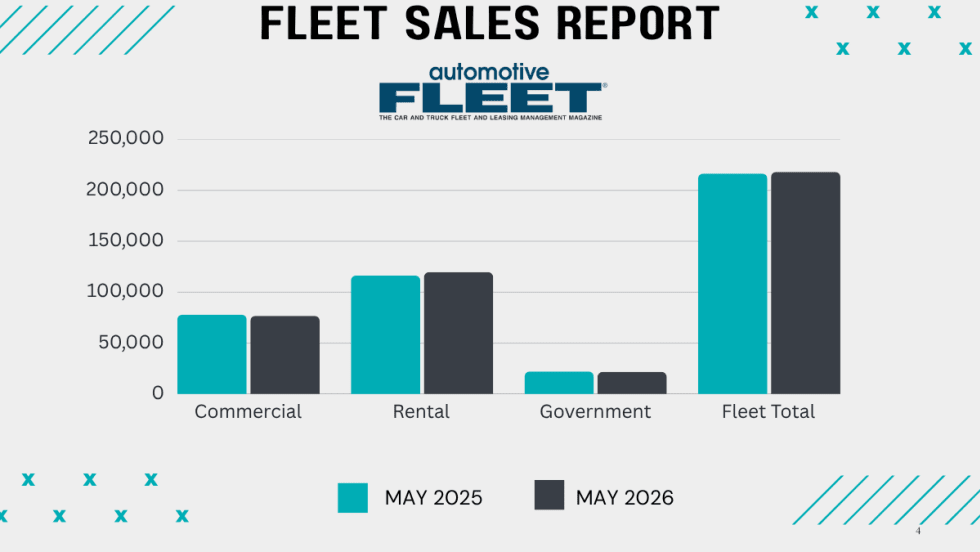
Commercial Fleet Sales Still Lead Sectors Despite May Mini Dip
The U.S. economy's continued growth and positive business investment are creating a favorable environment for fleet vehicle demand.
Read More →
The Data-Driven Haul: 5 Ways AI is Leveling the Playing Field in Auto Transport
Large and small transport fleets are becoming more competitive as predictive analytics and real-time data inform the logistics decision chain.
Read More →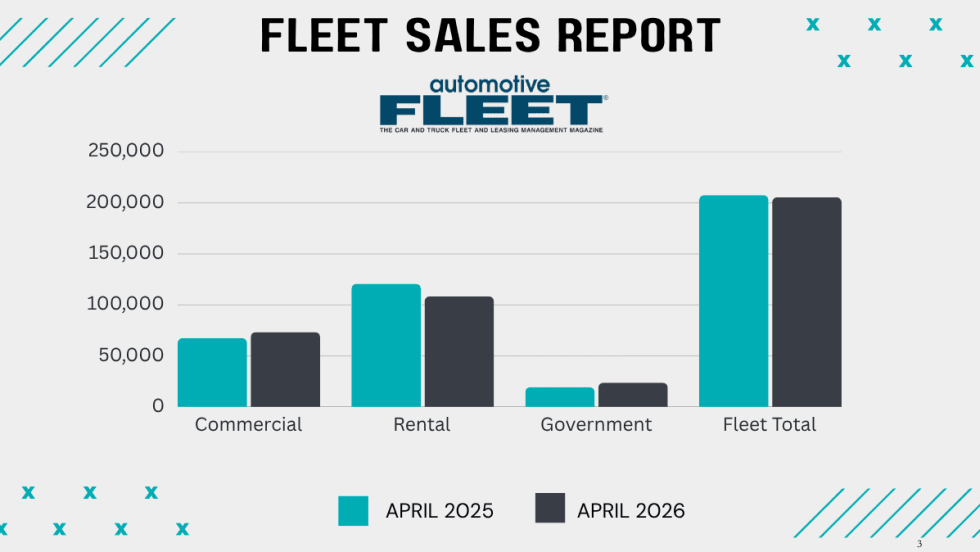
Commercial Fleet Sales Show Healthy Gains
So far, the fleet sector is outshining government and rental fleet sales this year as economic growth spurs more business investment.
Read More →
CAR 2026 Recap Part 2: Closing the Gap Between Data & Remarketing Value
The second half of CAR 2026 examined how fleets can translate lifecycle strategy, vehicle data, and market shifts into higher real-world results.
Read More →