




Related News: EV Sales, Supply, Prices Dip in June As Market Stays Solid
EV Buyers Speed Up Purchases, Boost Market Ahead Of Tax Credit Deadline
EV sales surged in July as buyers moved quickly ahead of the tax credit deadline, with new and used markets showing strong growth and prices adjusting to meet demand.
August 19, 2025
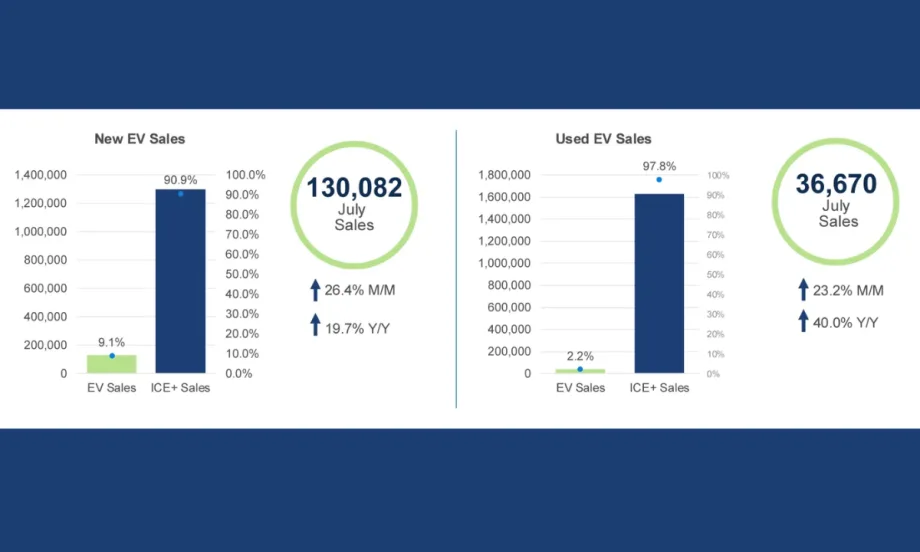
EV sales jumped in July, with new sales up 26.4% and used up 23.2% month over month as buyers rushed ahead of the tax credit deadline.
Photo: Cox Automotive
3 min to read
The electric vehicle (EV) market gained momentum in July, with both new and used EV sales increasing as buyers moved to take advantage of the Inflation Reduction Act’s tax credits before expiration, according to the latest EV market numbers from Cox Automotive.
Inventory levels dropped, incentives rose, and prices adjusted, reflecting a market shaped by policy and real-time demand.
New EV Sales – July
Total Sales: 130,082 units
Up 26.4% month-over-month
Up 19.7% year-over-year
EV market share: 9.1% (second-highest month on record)
Top Five by Volume:
Tesla – 53,816
Chevrolet
Hyundai
Ford
Honda
Other Highlights:
Volkswagen surged 454% to sixth place
Luxury brand growth: Audi +150.2%, Cadillac +14.5%, Mercedes-Benz +6.4%
Used EV Sales – July
Total Sales: 36,670 units
Up 23.2% month-over-month
Up 40.0% year-over-year
Market share: 2.2% of used-vehicle market
Top Five by Volume:
Tesla – 15,903 (+18.0%)
Chevrolet – 3,499 (+28.6%)
Ford – 1,967 (+25.7%)
Mercedes-Benz – 1,724 (-12.3%)
Nissan – 1,659 (+19.9%)
Tesla share dipped to 43.4% from 45.2% in June
Strongest gains: Honda +103.0%, Hyundai +61.3%, Rivian +60.5%
New EV Inventory – July
Days’ Supply: 87 days
Down 32.3% month-over-month
Down 49.0% year-over-year
Gap with ICE vehicles narrowed to 11.6 days, smallest since Feb. 2025
By Brand:
Audi – 168 days (highest)
Toyota – 42 days (lowest)
Volkswagen – fell 153 days to 116
Used EV Inventory – July
Days’ Supply: 40 days
Below ICE vehicles for fifth consecutive month
By Make:
Tesla – 29.4 days (lowest)
Chevrolet & Nissan – both under 40 days
GMC, Ford, Rivian – all above 64 days
EV Pricing – July
New EV Average Transaction Price (ATP): $55,689
Down 2.2% from June
Down 4.2% year-over-year
Incentives averaged 17.5% of ATP ($9,768)
Price gap with ICE vehicles: $7,611 (smallest since Dec. 2024)
Brand-Level Trends:
Volvo ATP down 17.1%
Volkswagen down 12.2%
Tesla down 2.4%
Top Five Selling Models:
Tesla Model Y
Tesla Model 3
Chevrolet Equinox EV – lowest ATP at $38,477 (no incentives)
Honda Prologue
Hyundai Ioniq 5
Incentives ranged 14.5%–27.7% of ATP, bringing effective prices below $40,000
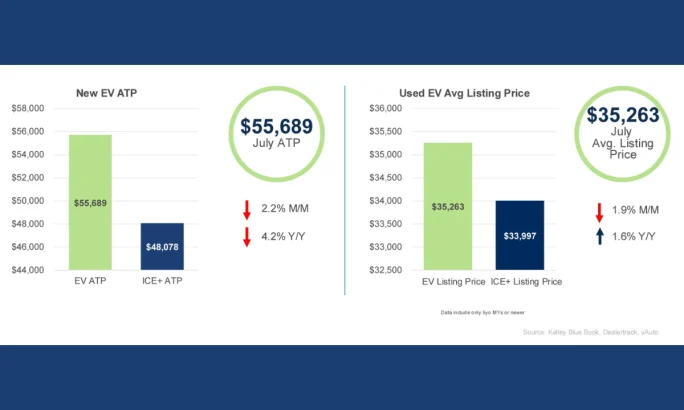
New EV prices dropped 2.2% in July, while used EV prices fell 1.9%, narrowing the gap with ICE vehicles.
Photo: Cox Automotive
Used EV Pricing – July
Average Listing Price: $35,263
Down 1.9% from June
Up 1.6% year-over-year
Price gap with ICE vehicles: $1,266 (record low)
Model Trends:
Tesla Model 3, Model Y, Model S – weighted avg. $26,294
Chevrolet Bolt EV – $14,408 (most affordable)
Tesla Model X – $39,656 (premium offering)
Looking Ahead
“The EV market continues to balance incentives, demand, and supply,” said Rush Akin, chief revenue officer at RoadFlex in a news release. “Transparency and cost control remain priorities.”
With IRA credits set to expire in September, urgency is expected to remain high. July’s results suggest continued strength through Q3, with market performance increasingly shaped by real-time consumer demand and brand strategies.
Topics:EVsElectric VehiclesDays SupplyUsed Vehicle PricesNew Vehicle PricessalesUsed Vehicle ValuesFleet
Originally posted on Charged Fleet
More Used Vehicle Values
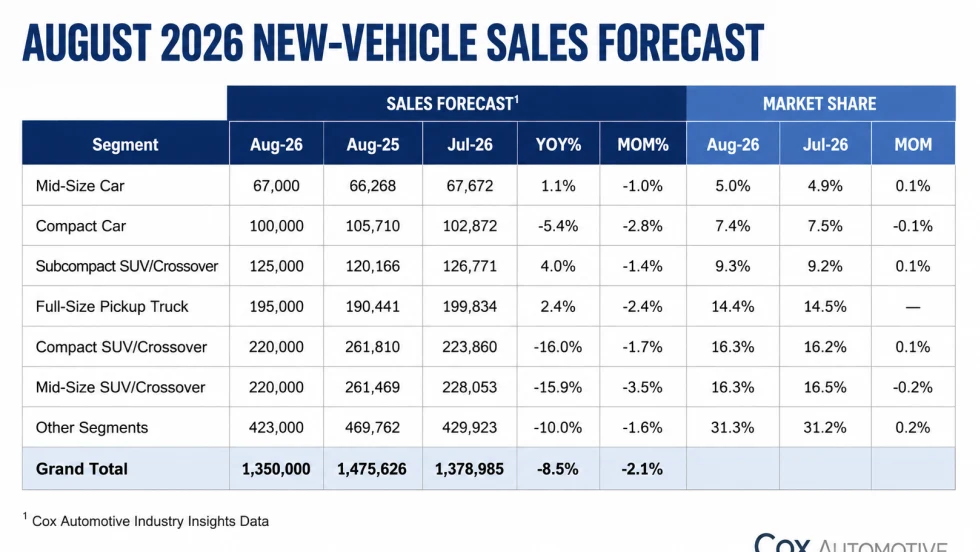
August New-Vehicle Sales Pace Forecast to Hold Above 16 Million
Despite an expected 8.5% year-over-year decline in August volume, Cox Automotive forecasts a 16.3 million SAAR, with full-size pickups outperforming several major crossover segments.
Read More →
Trade Strategy Now Starts Long Before Turn-In
The strongest trade values aren't built at turn-in. Discover how maintenance, lifecycle planning, and shared risk protect truck resale value.
Read More →
What Happens When Residual Values Meet Real-World Markets
A truck's trade value isn't determined on turn-in day. Learn how market cycles, maintenance, and timing shape the gap between residuals and reality.
Read More →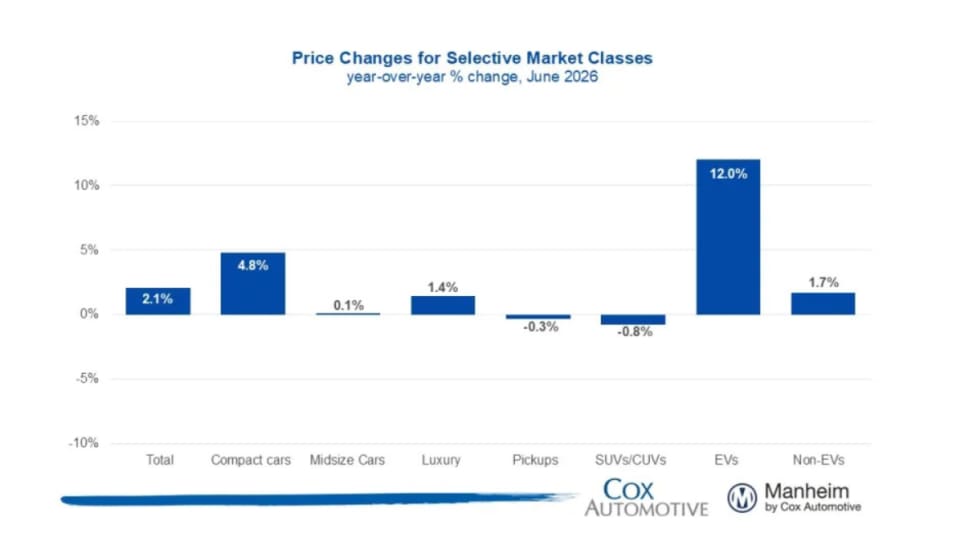
Manheim Index Shows Used-Vehicle Wholesale Prices Up 2.1% in June
The market is seeing stronger appreciation in older used vehicles this year, and the most affordable segments have been among the year’s best performers.
Read More →
Stop Remarketing Electric Vehicles Like Gas Cars
The advantages and attributes of electric vehicles are upending the traditional remarketing cycle, requiring fleet sellers to rely on new factors and approaches detailed below.
Read More →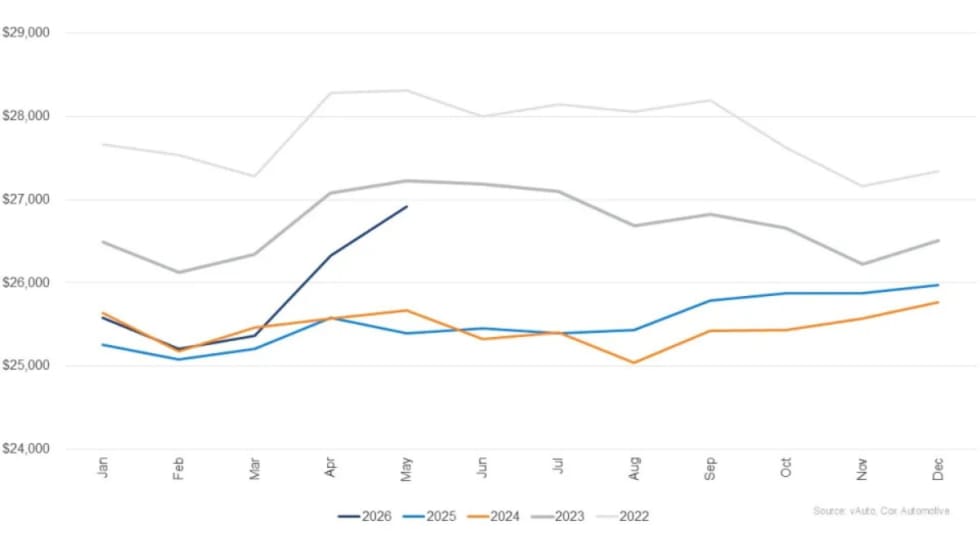
Used Vehicle Prices Climb Higher As Sales Pace Slows
The higher prices at used retail reflect strong wholesale values earlier in the spring, particularly for older, more affordable vehicles.
Read More →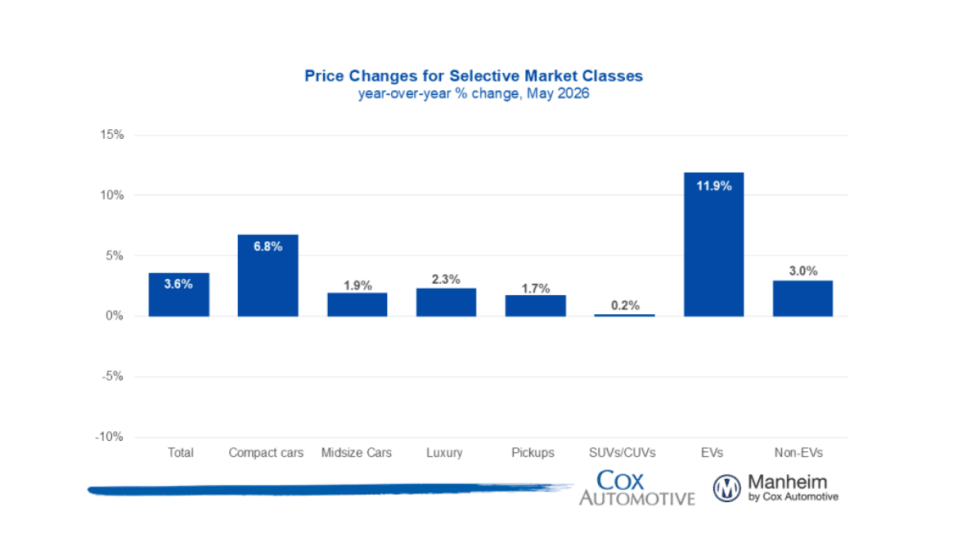
Wholesale Used Vehicle Market Sustains Moderate Rise In Values, Prices
Trends continue to normalize after a strong start to the year, as consumers contend with higher gas prices in the coming summer months.
Read More →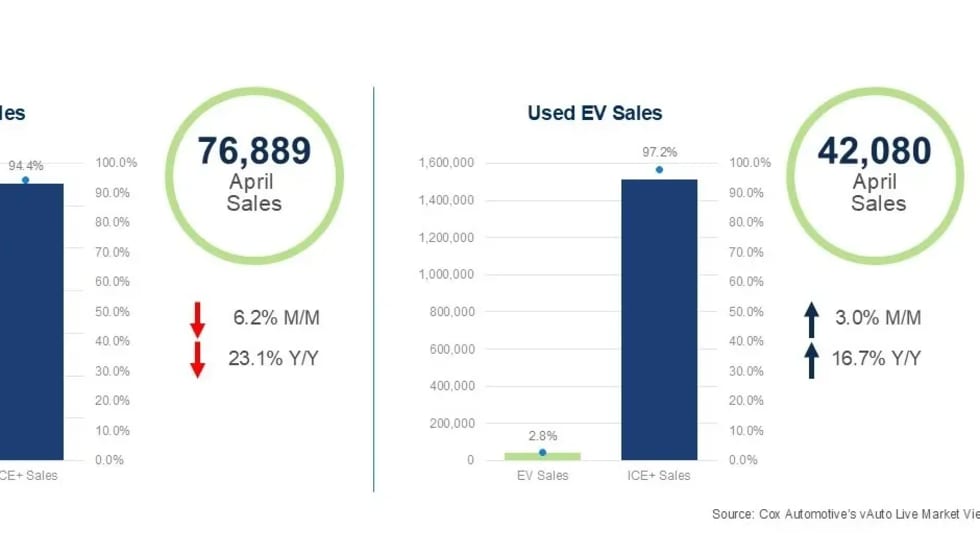
Used EV Sales Grow In April
While EV sales declined, used EV sales grew, as tighter inventory and rising prices reflected a more normalized pace for the EV market.
Read More →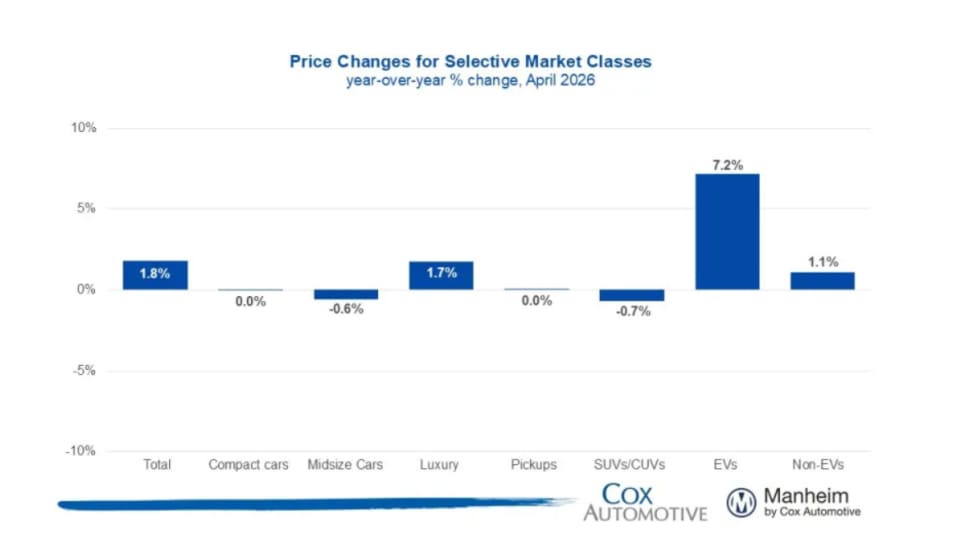
Wholesale Used Vehicle Prices Slightly Up In April
The Iranian conflict and rising gas prices inject much uncertainty into the future wholesale used vehicle markets, as higher gas prices soak up spendable income from vehicle buyers.
Read More →
CAR 2026 Recap Part 2: Closing the Gap Between Data & Remarketing Value
The second half of CAR 2026 examined how fleets can translate lifecycle strategy, vehicle data, and market shifts into higher real-world results.
Read More →