



Edmunds: Minivans Have Highest Incentives
SANTA MONICA, CA -- Edmunds.com reports this week the average automotive manufacturer incentive in the U.S. was $2,483 per vehicle sold in June 2007, up $92, or 3.85 percent, from May 2007, and down $132, or 5.05 percent, from June 2006.
SANTA MONICA, CA -- Edmunds.com reports this week the average automotive manufacturer incentive in the U.S. was $2,483 per vehicle sold in June 2007, up $92, or 3.85 percent, from May 2007, and down $132, or 5.05 percent, from June 2006.
Among vehicle segments, minivans had the highest average incentives, $3,900 per vehicle sold, followed by large trucks at $3,864. Sport cars had the lowest average incentives per vehicle sold, $1,038, followed by compact cars at $1,047.
Analysis of incentives expenditures as a percentage of average sticker price for each segment shows minivans averaged the highest, 13.8 percent, followed by large cars at 13.2 percent of sticker price. Sport cars averaged the lowest, 3.6 percent, followed by luxury sports cars at 3.8 percent of sticker price.
"The flood of popular crossovers is taking its toll on the minivan segment – minivan incentives are at near record levels," commented Edmunds' AutoObserver.com Senior Editor Michelle Krebs. “It will be interesting to see how the minivan story plays out, with Ford and GM getting out of the market and Chrysler on the eve of introducing its new models.”
According to Edmunds.com, combined incentives spending for domestic manufacturers averaged $3,200 per vehicle sold in June 2007, up from $3,139 in May 2007. From May to June, European automakers decreased incentive spending by $230 to $3,108 per vehicle sold; Japanese automakers increased incentive spending by $163 to $1,484 per vehicle sold; and Korean automakers increased incentive spending by $39 to $1,554 per vehicle sold.
In June, the industry's aggregate incentive spending is estimated to have totaled approximately $3.8 billion, up from $3.7 billion in May. Chrysler, Ford and GM spent an aggregate of $2.6 billion, or 67.2 percent of the total; Japanese manufacturers spent $823 million, or 21.4 percent; European manufacturers spent $322 million, or 8.34 percent; and Korean manufacturers spent $119 million, or 3.1 percent.
"Of the ‘Big Six’ automakers, only Honda and Toyota have higher incentives than they did this time last year," stated Jesse Toprak, executive director of industry analysis for Edmunds.com. "The competitiveness of the marketplace seems to be catching up with the Japanese heavyweights.”
More Operations
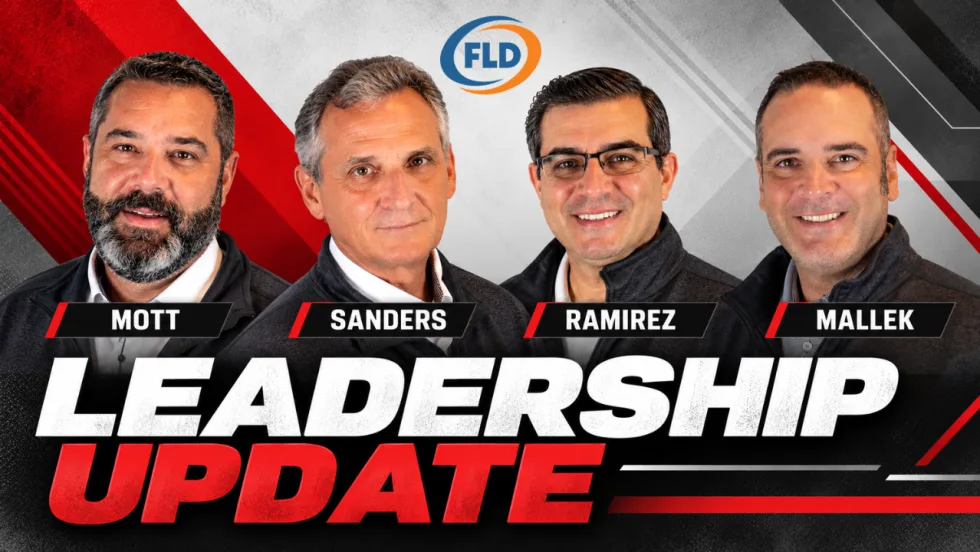
FLD Promotes Three Executives in Leadership Changes
FLD has promoted three longtime executives, naming Gary Mott CEO, Richard Mallek president, and Ron Sanders managing partner.
Read More →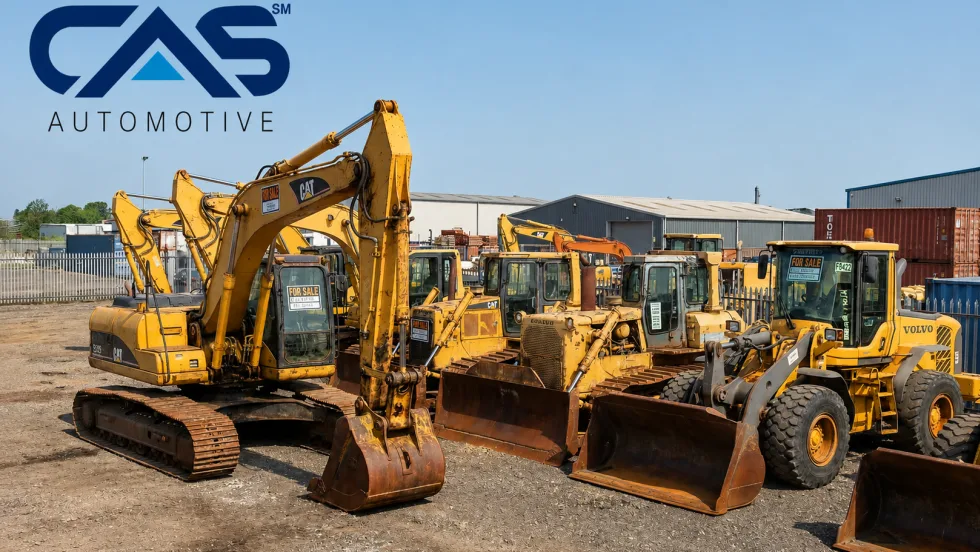
CAS Automotive Launches Remarketing Service for Damaged, Surplus Equipment
Damaged Equipment expands CAS Automotive’s vehicle remarketing model to commercial equipment, targeting fleet operators, insurers, equipment dealers, and rental companies.
Read More →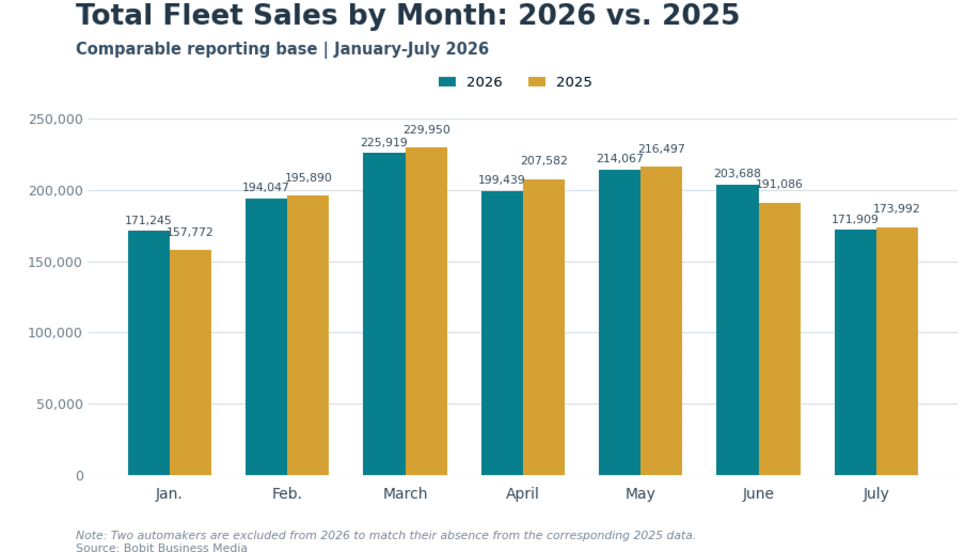
Fleet Sales Hold Steady as Commercial Gains Offset Rental Decline
Commercial and government fleet sales increased through July 2026, offsetting most of the decline in rental volume and leaving combined comparable fleet sales 0.5% above the same period last year.
Read More →
Personnel Update: BrickHouse GPS, PRO-VISION, Auto Driveaway, and Proaction
Check out the latest must-know fleet personnel updates from the last couple of months.
Read More →
What Comes Next for Auto Driveaway?
A new Auto Driveaway feature called Arrive provides recipients with live location updates and ETAs during the final hour of a vehicle move, while fleet customers continue to have end-to-end shipment visibility through the company's customer portal.
Read More →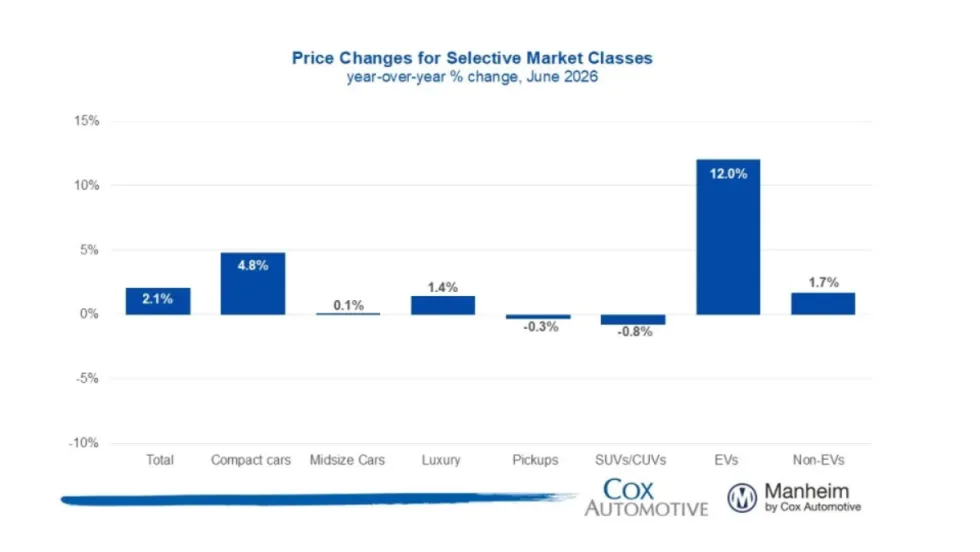
Manheim Index Shows Used-Vehicle Wholesale Prices Up 2.1% in June
The market is seeing stronger appreciation in older used vehicles this year, and the most affordable segments have been among the year’s best performers.
Read More →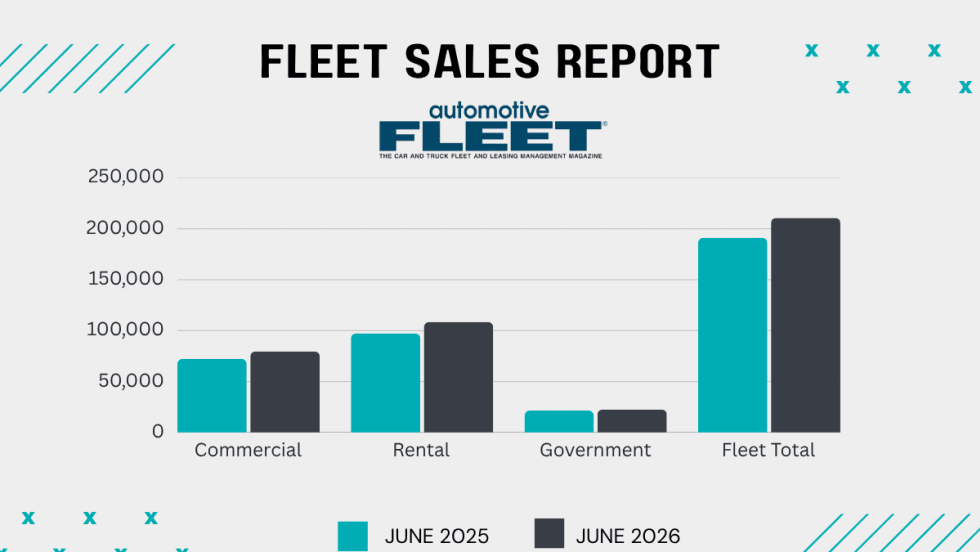
Commercial Fleet Sales Contribute To June, YTD Gains
The fleet sector has boosted its vehicle purchases at a reliable pace in the first half of this year compared with 1H 2025.
Read More →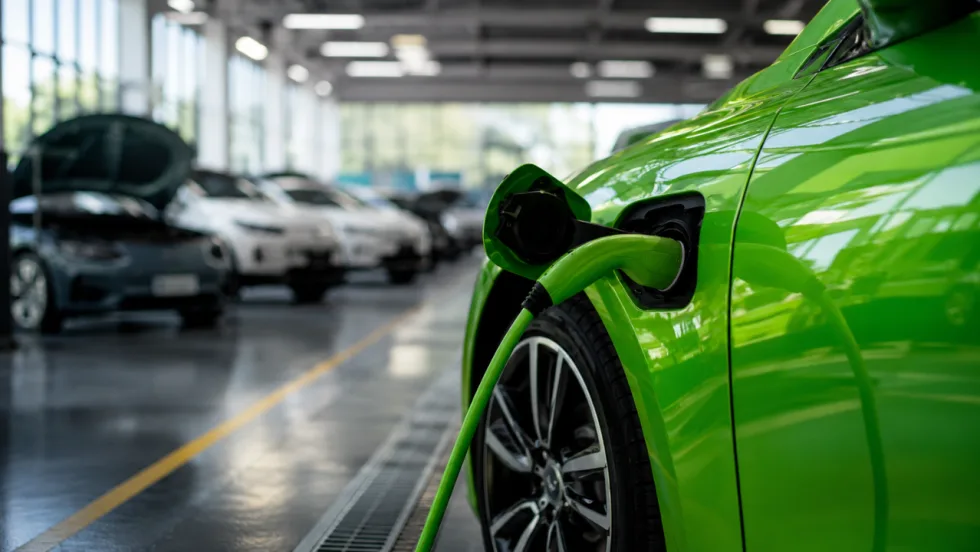
Stop Remarketing Electric Vehicles Like Gas Cars
The advantages and attributes of electric vehicles are upending the traditional remarketing cycle, requiring fleet sellers to rely on new factors and approaches detailed below.
Read More →
AP Fleet Management Expands Remarketing Program for Commercial Work Trucks
AP Fleet Management expanded its commercial vehicle remarketing program with dedicated resale services and an online marketplace for used work trucks.
Read More →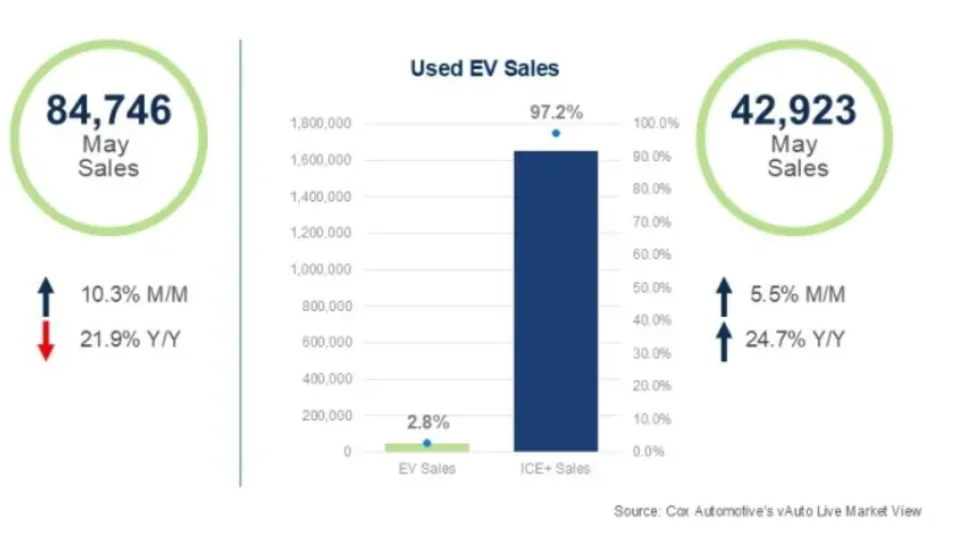
Used EVs Strengthen Overall Electric Vehicle Market
The latest sales data point to several reasons for the divergent trends in new and used EVs that can factor into fleet cycling decisions.
Read More →