



Delayed Enforcement of 'Red Flags' Rule Until November 1
WASHINGTON – To assist small businesses and other entities, the Federal Trade Commission (FTC) staff will redouble its efforts to educate them about compliance with the "Red Flags" Rule and ease compliance.
WASHINGTON – To assist small businesses and other entities, the Federal Trade Commission (FTC) staff will redouble its efforts to educate them about compliance with the "Red Flags" Rule and ease compliance by providing additional resources and guidance to clarify whether businesses are covered by the Rule and what they must do to comply. To give creditors and financial institutions more time to review this guidance and develop and implement written Identity Theft Prevention Programs, the FTC will further delay enforcement of the Rule until November 1.
The Red Flags Rule is an anti-fraud regulation, requiring “creditors” and “financial institutions” with covered accounts to implement programs to identify, detect, and respond to the warning signs, or “red flags,” that could indicate identity theft. The financial regulatory agencies, including the FTC, developed the Rule, which was mandated by the Fair and Accurate Credit Transactions Act of 2003 (FACTA). FACTA’s definition of “creditor” includes any entity that regularly extends or renews credit – or arranges for others to do so – and includes all entities that regularly permit deferred payments for goods or services. Accepting credit cards as a form of payment does not, by itself, make an entity a creditor. “Financial institutions” include entities that offer accounts that enable consumers to write checks or make payments to third parties through other means, such as other negotiable instruments or telephone transfers.
The FTC’s Red Flags Web site, www.ftc.gov/redflagsrule, offers resources to help entities determine if they are covered and, if they are, how to comply with the Rule. It includes an online compliance template that enables companies to design their own Identity Theft Prevention Program through an easy-to-do form, as well as articles directed to specific businesses and industries, guidance manuals, and Frequently Asked Questions to help companies navigate the Rule.
Although many covered entities have already developed and implemented appropriate, risk-based programs, some – particularly small businesses and entities with a low risk of identity theft – remain uncertain about their obligations. The additional compliance guidance that the Commission will make available shortly is designed to help them. Among other things, Commission staff will create a special link for small and low-risk entities on the Red Flags Rule Web site with materials that provide guidance and direction regarding the Rule. The Commission has already posted FAQs that address how the FTC intends to enforce the Rule and other topics – www.ftc.gov/bcp/edu/microsites/redflagsrule/faqs.shtm. The enforcement FAQ states that Commission staff would be unlikely to recommend bringing a law enforcement action if entities know their customers or clients individually, or if they perform services in or around their customers’ homes, or if they operate in sectors where identity theft is rare and they have not themselves been the target of identity theft.
The three-month extension, coupled with this new guidance, should enable businesses to gain a better understanding of the Rule and any obligations that they may have under it. These steps are consistent with the House Appropriations Committee’s recent request that the Commission defer enforcement in conjunction with additional efforts to minimize the burdens of the Rule on health care providers and small businesses with a low risk of identity theft problems. Today’s announcement that the Commission will delay enforcement of the Rule until November 1, 2009, does not affect other federal agencies’ enforcement of the original November 1, 2008, compliance deadline for institutions subject to their oversight.
The Federal Trade Commission works for consumers to prevent fraudulent, deceptive, and unfair business practices and to provide information to help spot, stop, and avoid them. To file a complaint in English or Spanish, visit the FTC’s online Complaint Assistant or call (877) FTC-HELP (1-877-382-4357). The FTC enters complaints into Consumer Sentinel, a secure, online database available to more than 1,500 civil and criminal law enforcement agencies in the U.S. and abroad. The FTC’s Web site provides free information on a variety of consumer topics.
More Operations

CAS Automotive Launches Remarketing Service for Damaged, Surplus Equipment
Damaged Equipment expands CAS Automotive’s vehicle remarketing model to commercial equipment, targeting fleet operators, insurers, equipment dealers, and rental companies.
Read More →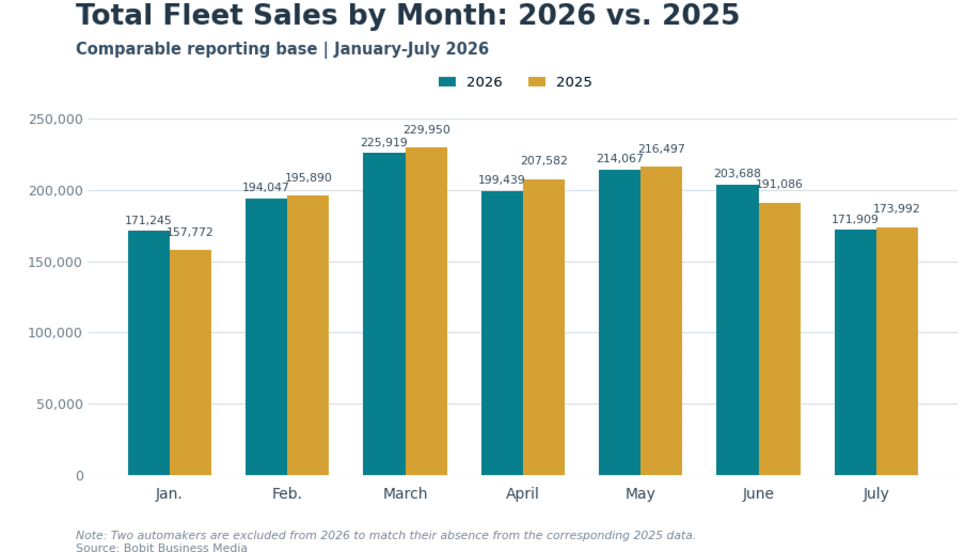
Fleet Sales Hold Steady as Commercial Gains Offset Rental Decline
Commercial and government fleet sales increased through July 2026, offsetting most of the decline in rental volume and leaving combined comparable fleet sales 0.5% above the same period last year.
Read More →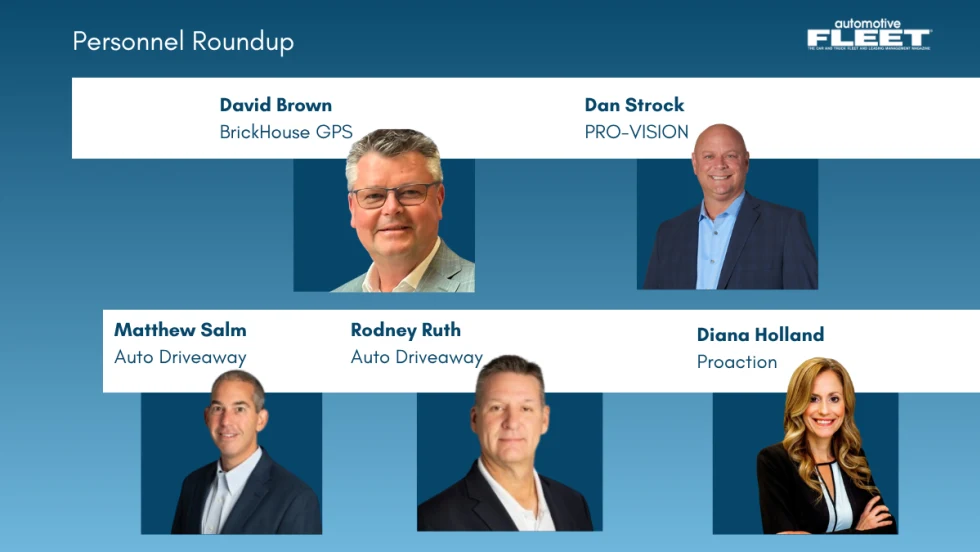
Personnel Update: BrickHouse GPS, PRO-VISION, Auto Driveaway, and Proaction
Check out the latest must-know fleet personnel updates from the last couple of months.
Read More →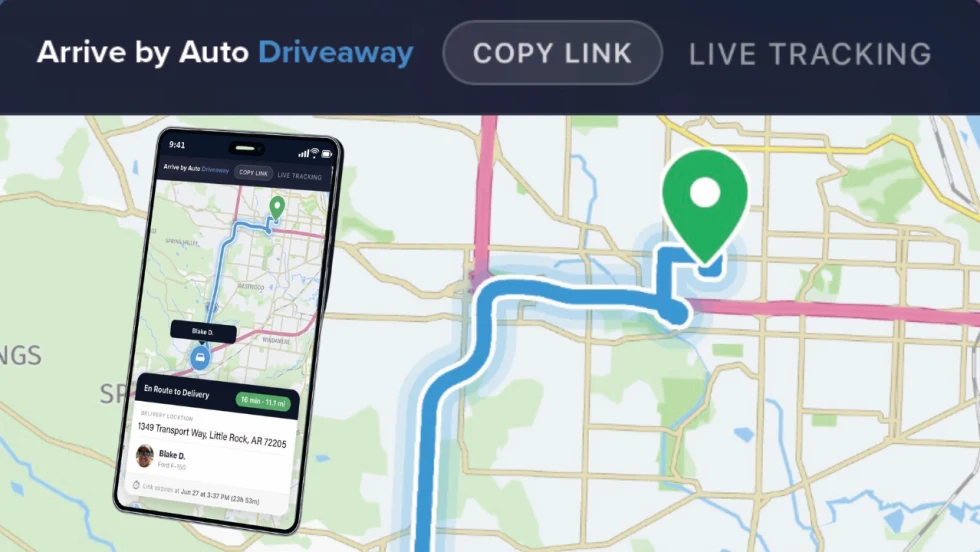
What Comes Next for Auto Driveaway?
A new Auto Driveaway feature called Arrive provides recipients with live location updates and ETAs during the final hour of a vehicle move, while fleet customers continue to have end-to-end shipment visibility through the company's customer portal.
Read More →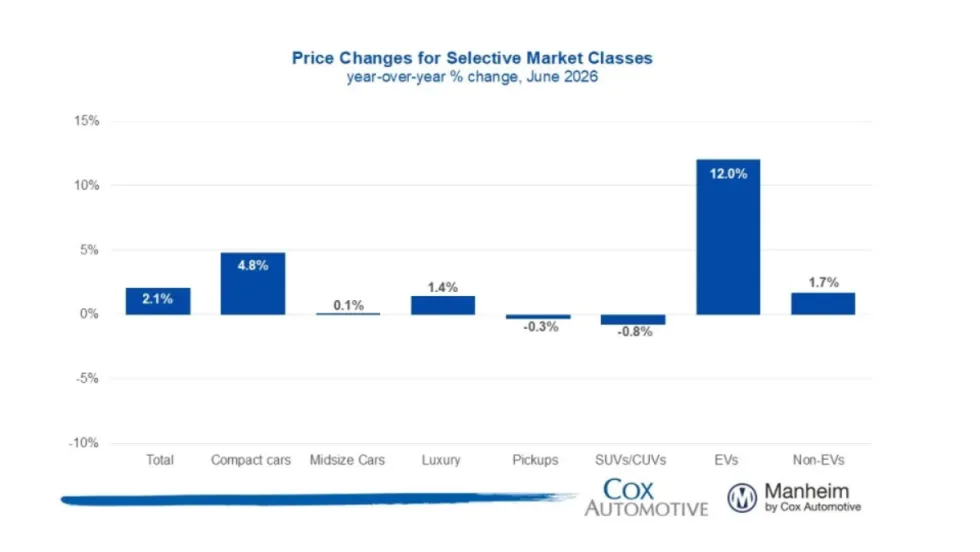
Manheim Index Shows Used-Vehicle Wholesale Prices Up 2.1% in June
The market is seeing stronger appreciation in older used vehicles this year, and the most affordable segments have been among the year’s best performers.
Read More →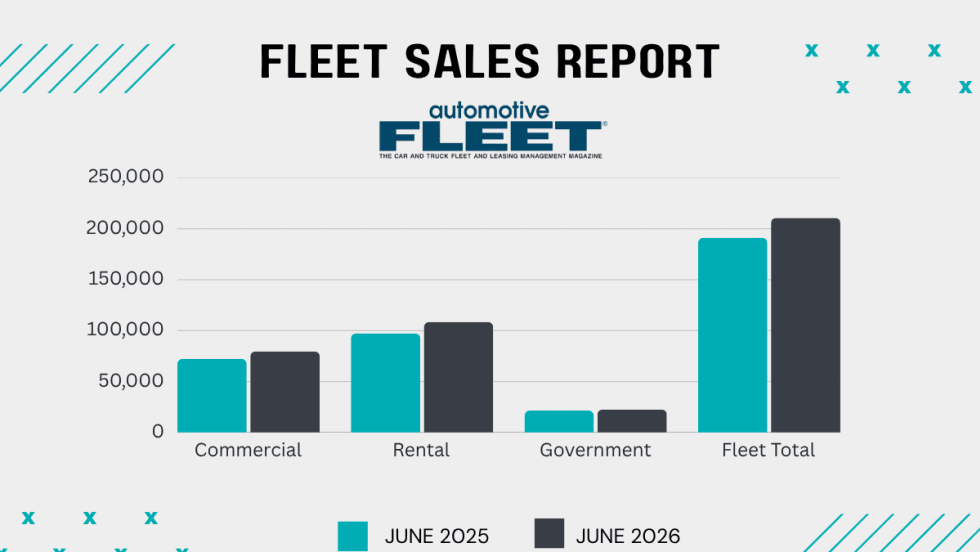
Commercial Fleet Sales Contribute To June, YTD Gains
The fleet sector has boosted its vehicle purchases at a reliable pace in the first half of this year compared with 1H 2025.
Read More →
Stop Remarketing Electric Vehicles Like Gas Cars
The advantages and attributes of electric vehicles are upending the traditional remarketing cycle, requiring fleet sellers to rely on new factors and approaches detailed below.
Read More →
AP Fleet Management Expands Remarketing Program for Commercial Work Trucks
AP Fleet Management expanded its commercial vehicle remarketing program with dedicated resale services and an online marketplace for used work trucks.
Read More →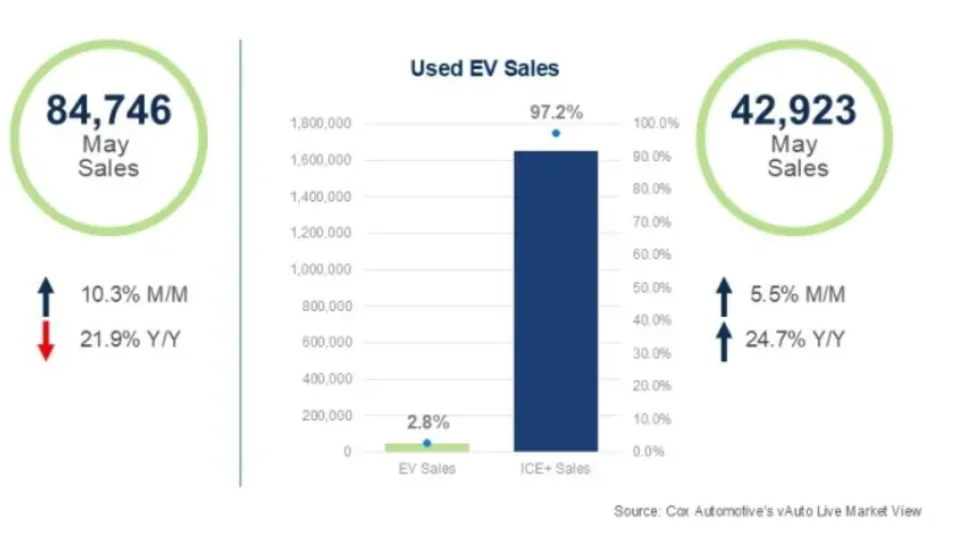
Used EVs Strengthen Overall Electric Vehicle Market
The latest sales data point to several reasons for the divergent trends in new and used EVs that can factor into fleet cycling decisions.
Read More →
The Data-Driven Haul: 5 Ways AI is Leveling the Playing Field in Auto Transport
Large and small transport fleets are becoming more competitive as predictive analytics and real-time data inform the logistics decision chain.
Read More →