



Compact-Car Values on the Rise; Market Stabilization Years Away
IRVINE, CA - Kelley Blue Book analysts and statisticians are beginning to see an uptick in the small-car market, which had been hit severely when gas prices stabilized.
IRVINE, CA - Kelley Blue Book, www.kbb.com, a provider of new- and used-car information, released the October edition of the Kelley Blue Book Monthly Market Report. In this month's report the company's analysts and statisticians are beginning to see an uptick in the small-car market, which had been hit severely when gas prices stabilized. Also noted in this month's report is a look forward at the car market in the wake of 'Cash for Clunkers.'
Values in the car-based segments have underperformed all year, dropping consistently as gas prices stabilized. This drop in values may have been an over-correction, which partly explains the rebound in values in late August that continued to climb through September. Used-car values do however continue to benefit from the low supply and shortage of new vehicles following the end of the 'Cash for Clunkers' program. With fewer new vehicles in the marketplace, used vehicles continue to be a more affordable alternative driving prices up across the board.
"Several cars that might have been traded in were scrapped in the last few months through the 'Cash for Clunkers' program and new-car inventories are just as low, helping to drive used-vehicle values up," said Alec Gutierrez, senior market analyst, Kelley Blue Book. "The compact market may have actually gotten too low this year due to irrational behavior and the over-correction of the economy and gas prices."
'Cash for Clunkers'
The 'Cash for Clunkers' program concluded on August 24, yet its effects are still rippling through the automotive industry. While new-vehicle sales for July and August outpaced any other month this year, September sales have shown that the lift to new-car sales was only temporary.
"Many manufacturers increased production levels in August as it became clear that the 'Cash for Clunkers' program was moving metal and shrinking inventories," said Gutierrez. "With that increased production call taking place in August, those new inventories should be hitting showrooms in the next 30 days; however, it remains to be seen if demand will be sufficient to support the increased levels of inventory coming into the market."
On that note, if inventory levels exceed post 'Cash for Clunkers' demand, manufacturers will be forced to offer incentives to move all of the excess inventory as we have seen demand shrink following the program. If this comes to fruition, an increase in inventory and diminished demand will put downward pressure on both new- and used-car values.
The strong new-car sales reported in July and August have led to an inventory crunch at many dealerships, leaving some dealers with no choice but to keep prices relatively high in order to manage their current stock. Higher new-vehicle transaction prices have led car shoppers to consider buying more affordable late-model used vehicles as an alternative to more expensive new vehicles. This trend can only be reversed if sufficient inventories of new vehicles are restored to dealerships.
The marketplace for both new- and used-vehicles will only stabilize once inventories reach a level consistent with demand and, more importantly, conditions in the overall economy improve. Based on current indications, this won't be any time soon. Unemployment has continued its upward trajectory coming in at 9.8 percent for September while the U.S. GDP (gross domestic product index) has declined for the past three consecutive quarters. With so much uncertainty in the economy and automotive industry, we may be several years away from what can be considered a recovery in the marketplace.
The question remains, once economic conditions improve, what will be the new 'normal' market? Can the industry be sustained at 12 or 13 million units per year? If we are ever to reach a level of sustainability in the marketplace, the pressure will be on the manufacturers to manage their business like no other time in history.
More Operations
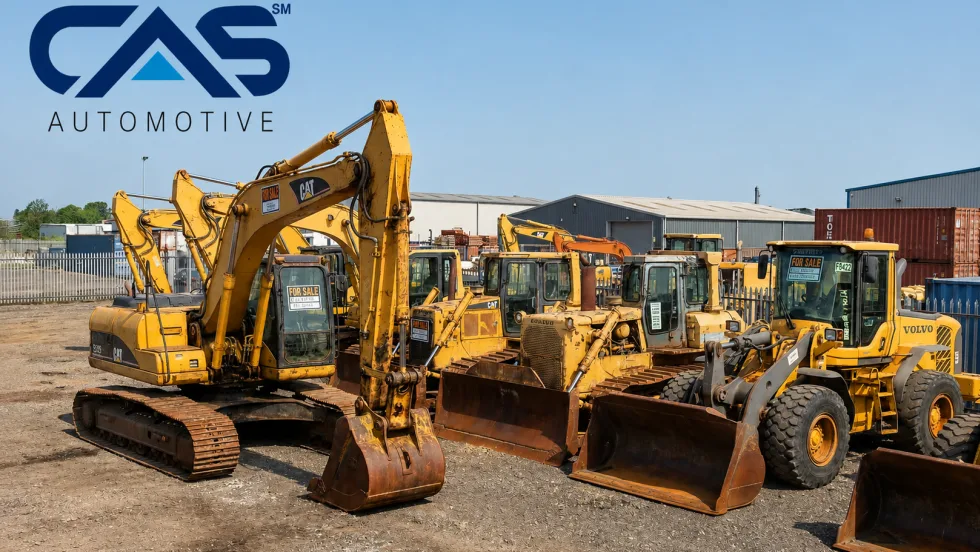
CAS Automotive Launches Remarketing Service for Damaged, Surplus Equipment
Damaged Equipment expands CAS Automotive’s vehicle remarketing model to commercial equipment, targeting fleet operators, insurers, equipment dealers, and rental companies.
Read More →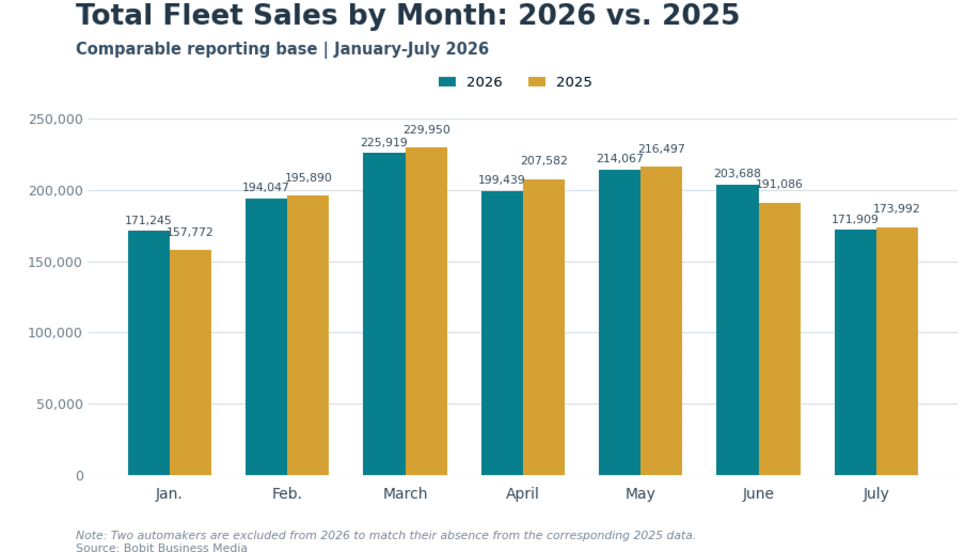
Fleet Sales Hold Steady as Commercial Gains Offset Rental Decline
Commercial and government fleet sales increased through July 2026, offsetting most of the decline in rental volume and leaving combined comparable fleet sales 0.5% above the same period last year.
Read More →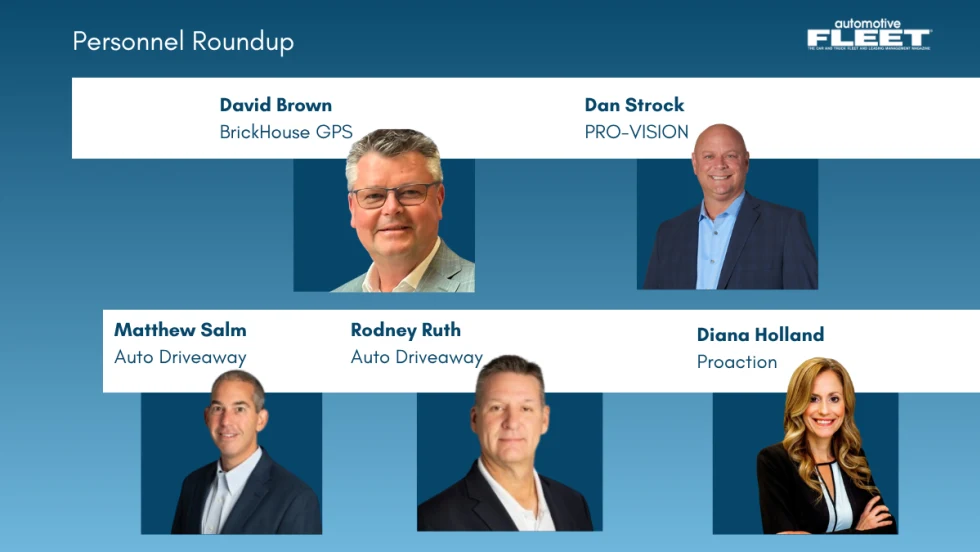
Personnel Update: BrickHouse GPS, PRO-VISION, Auto Driveaway, and Proaction
Check out the latest must-know fleet personnel updates from the last couple of months.
Read More →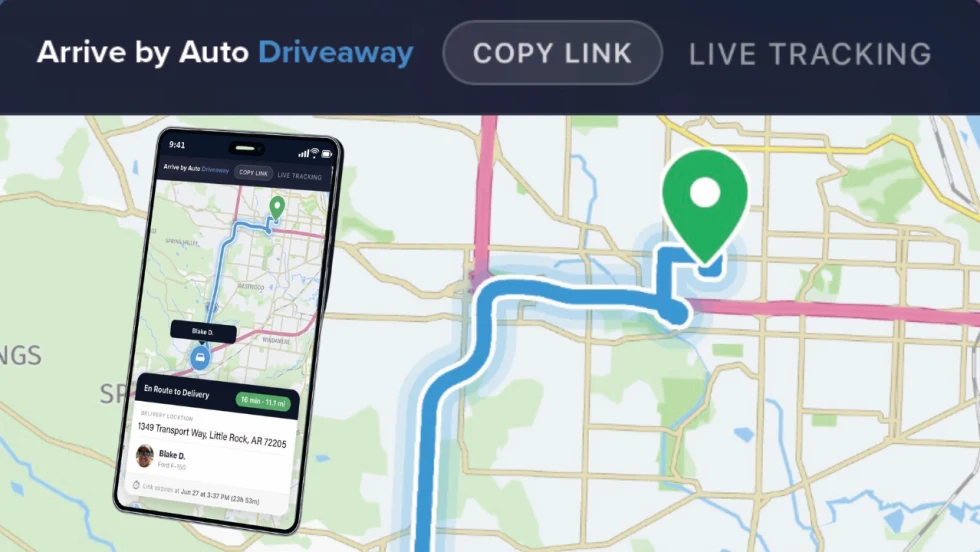
What Comes Next for Auto Driveaway?
A new Auto Driveaway feature called Arrive provides recipients with live location updates and ETAs during the final hour of a vehicle move, while fleet customers continue to have end-to-end shipment visibility through the company's customer portal.
Read More →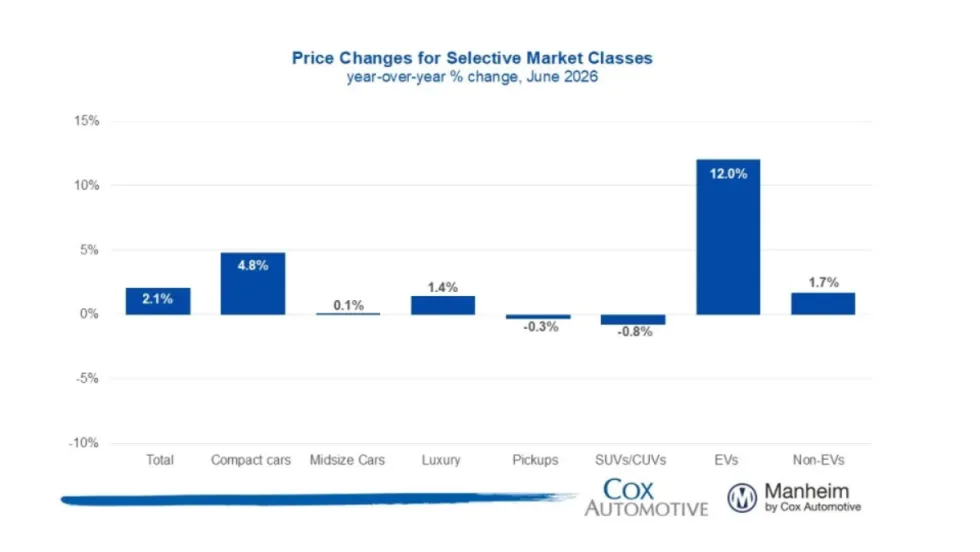
Manheim Index Shows Used-Vehicle Wholesale Prices Up 2.1% in June
The market is seeing stronger appreciation in older used vehicles this year, and the most affordable segments have been among the year’s best performers.
Read More →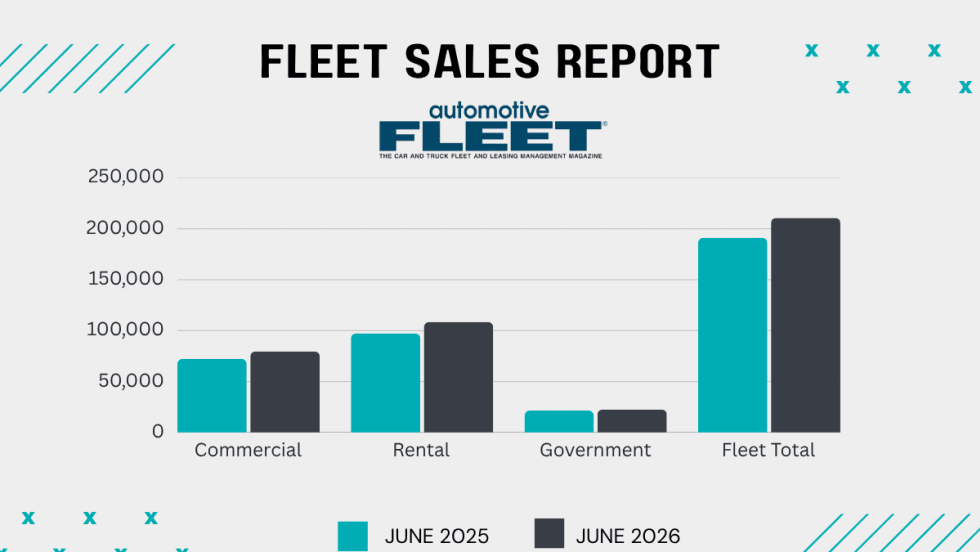
Commercial Fleet Sales Contribute To June, YTD Gains
The fleet sector has boosted its vehicle purchases at a reliable pace in the first half of this year compared with 1H 2025.
Read More →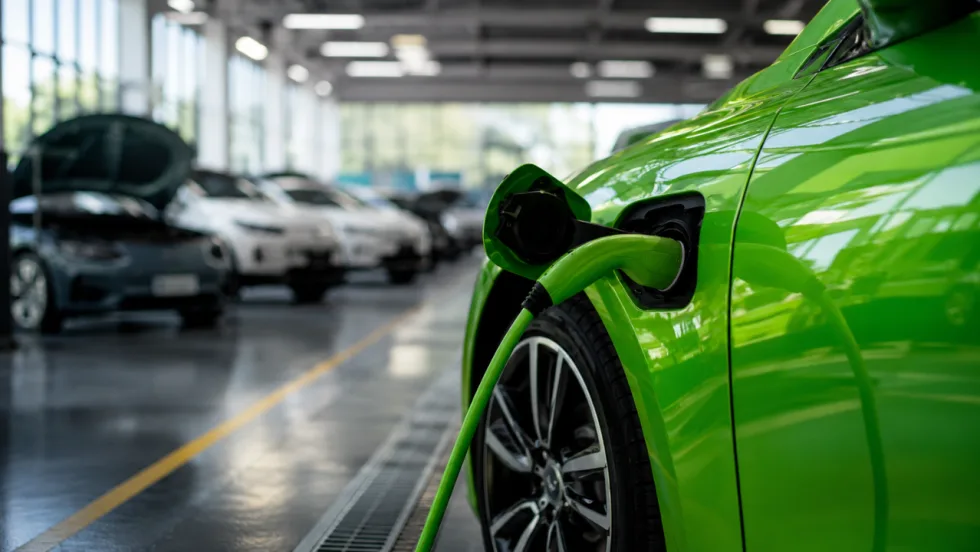
Stop Remarketing Electric Vehicles Like Gas Cars
The advantages and attributes of electric vehicles are upending the traditional remarketing cycle, requiring fleet sellers to rely on new factors and approaches detailed below.
Read More →
AP Fleet Management Expands Remarketing Program for Commercial Work Trucks
AP Fleet Management expanded its commercial vehicle remarketing program with dedicated resale services and an online marketplace for used work trucks.
Read More →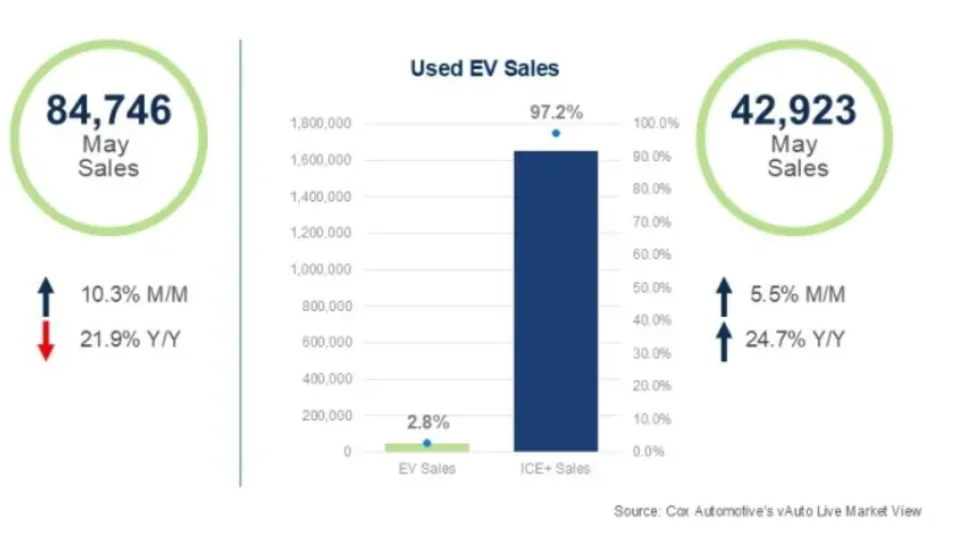
Used EVs Strengthen Overall Electric Vehicle Market
The latest sales data point to several reasons for the divergent trends in new and used EVs that can factor into fleet cycling decisions.
Read More →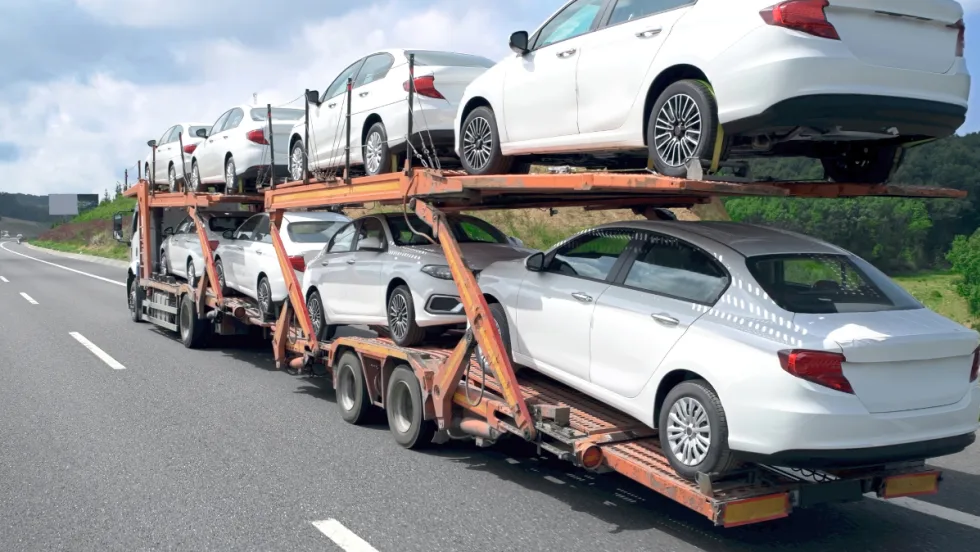
The Data-Driven Haul: 5 Ways AI is Leveling the Playing Field in Auto Transport
Large and small transport fleets are becoming more competitive as predictive analytics and real-time data inform the logistics decision chain.
Read More →