



Cash for Clunkers Lessees Want to Escape Leases
MIAMI – LeaseTrader.com reports a significant trend in inquiries from people who leased a car with a Cash for Clunkers rebate looking to escape the auto lease just one year into their five-year commitment.
MIAMI – LeaseTrader.com reports a significant trend in inquiries from people who leased a car with a Cash for Clunkers rebate looking to escape the auto lease just one year into their five-year commitment.
With the incentive of receiving a $3,500 or $4,500 rebate from the government, close to 700,000 vehicles were sold or leased during last year’s Cash for Clunkers program. For many people, this was an opportunity to trade in an old, inefficient vehicle for a new car lease with better fuel efficiency, even though this meant adding a monthly car payment after many years of having a fully paid-off car.
In order to qualify for a lease through the Cash for Clunkers program, a car shopper needed to sign up for a lease with a minimum of five years. Fewer than 20 percent of all Cash for Clunkers participants were lured into leasing deals that came with either a $3,500 or $4,500 rebate. But after the initial luster wore off people now realize these contracts were a mistake. One year later LeaseTrader.com has been fielding calls from drivers evaluating their options for lease transfer.
“It will be difficult for these people to exit their lease because there is very little market for a used car with three or four years left,” said Sergio Stiberman, CEO and founder of LeaseTrader.com. "Many of these people didn’t have a car payment when they took advantage of the rebate. Now they have a monthly payment and five-year commitment, which is extremely unfavorable in a leasing environment."
Since May, the majority of Cash for Clunkers inquiries into LeaseTrader.com have been drivers of Toyota Camry, Ford Escape, and Honda Accord.
More Operations

FLD Promotes Three Executives in Leadership Changes
FLD has promoted three longtime executives, naming Gary Mott CEO, Richard Mallek president, and Ron Sanders managing partner.
Read More →
CAS Automotive Launches Remarketing Service for Damaged, Surplus Equipment
Damaged Equipment expands CAS Automotive’s vehicle remarketing model to commercial equipment, targeting fleet operators, insurers, equipment dealers, and rental companies.
Read More →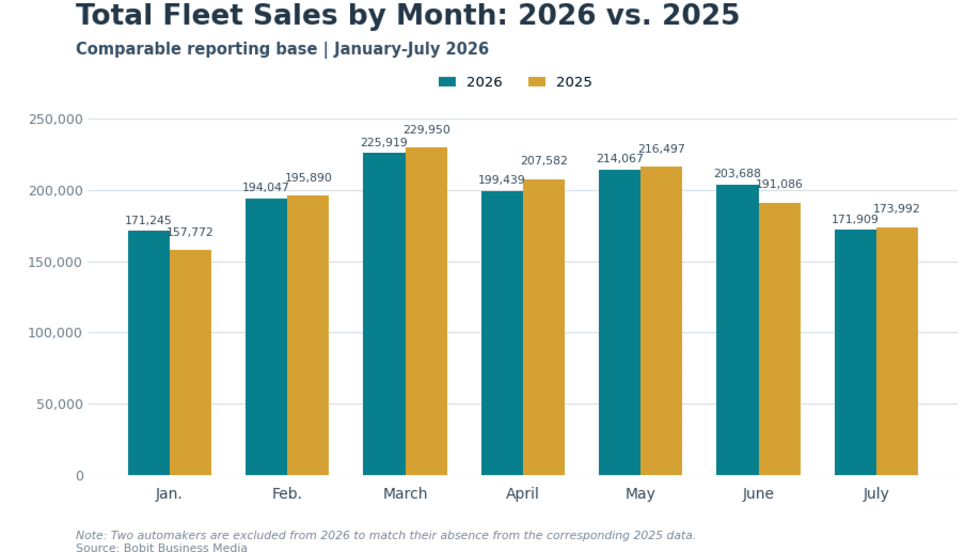
Fleet Sales Hold Steady as Commercial Gains Offset Rental Decline
Commercial and government fleet sales increased through July 2026, offsetting most of the decline in rental volume and leaving combined comparable fleet sales 0.5% above the same period last year.
Read More →
Personnel Update: BrickHouse GPS, PRO-VISION, Auto Driveaway, and Proaction
Check out the latest must-know fleet personnel updates from the last couple of months.
Read More →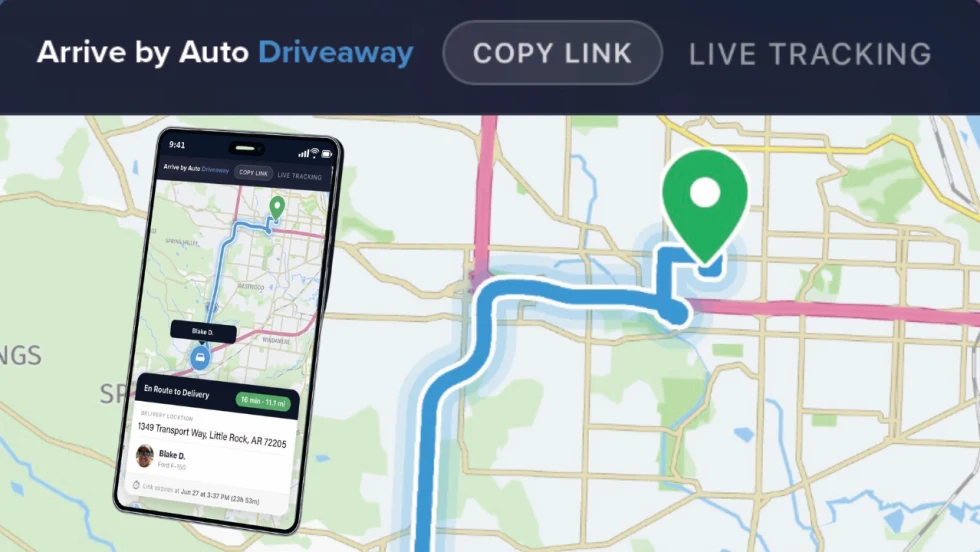
What Comes Next for Auto Driveaway?
A new Auto Driveaway feature called Arrive provides recipients with live location updates and ETAs during the final hour of a vehicle move, while fleet customers continue to have end-to-end shipment visibility through the company's customer portal.
Read More →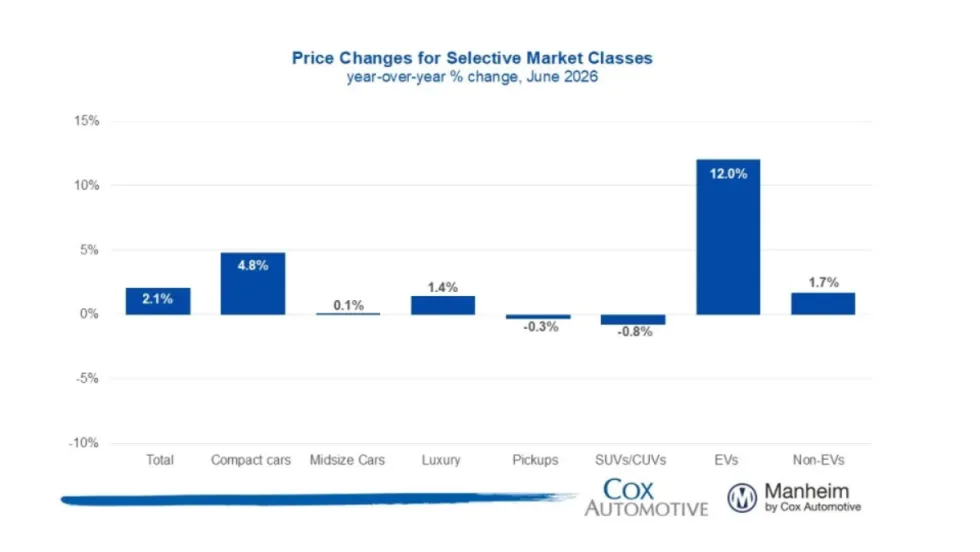
Manheim Index Shows Used-Vehicle Wholesale Prices Up 2.1% in June
The market is seeing stronger appreciation in older used vehicles this year, and the most affordable segments have been among the year’s best performers.
Read More →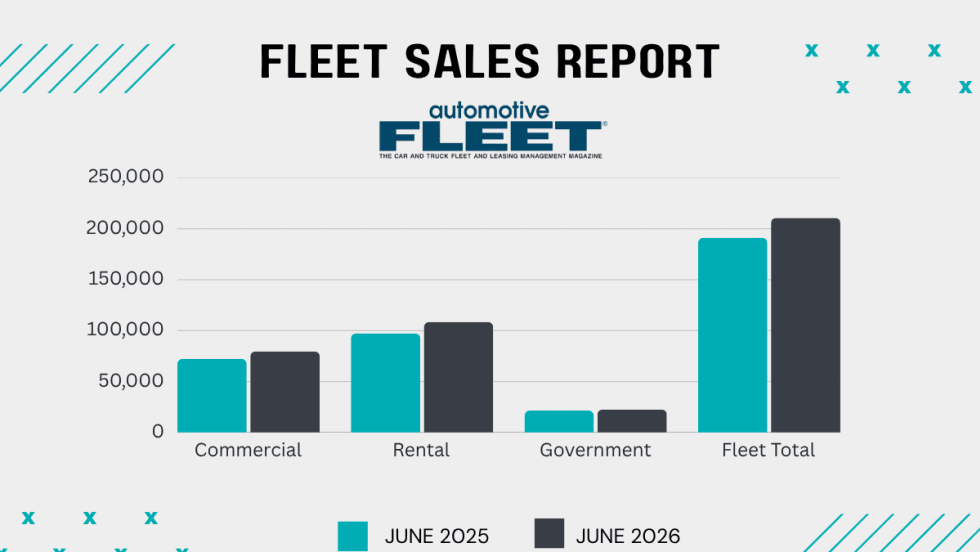
Commercial Fleet Sales Contribute To June, YTD Gains
The fleet sector has boosted its vehicle purchases at a reliable pace in the first half of this year compared with 1H 2025.
Read More →
Stop Remarketing Electric Vehicles Like Gas Cars
The advantages and attributes of electric vehicles are upending the traditional remarketing cycle, requiring fleet sellers to rely on new factors and approaches detailed below.
Read More →
AP Fleet Management Expands Remarketing Program for Commercial Work Trucks
AP Fleet Management expanded its commercial vehicle remarketing program with dedicated resale services and an online marketplace for used work trucks.
Read More →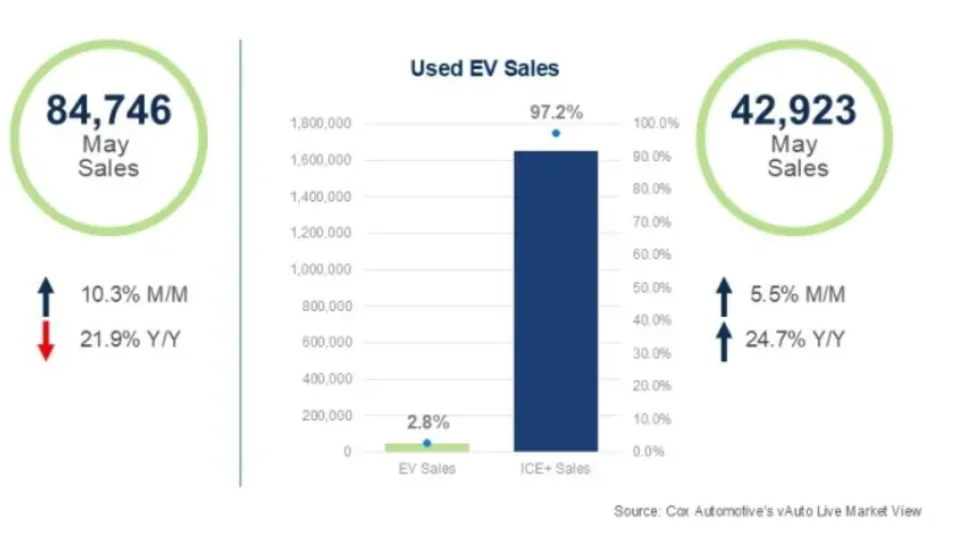
Used EVs Strengthen Overall Electric Vehicle Market
The latest sales data point to several reasons for the divergent trends in new and used EVs that can factor into fleet cycling decisions.
Read More →