



Related: Carvana Adds Vehicle Pickup Garages
Carvana Forecasts Growth in Online Used Vehicle Sales
Carvana recently reported its financials for the first quarter of 2018 and full-year 2017, and its performance shows that more buyers are opting for an online experience to purchase their used cars.
by Staff
March 10, 2018
Courtesy of Carvana.
1 min to read

Courtesy of Carvana.
Carvana recently reported its financials for the first quarter of 2018 and full-year 2017, and its performance shows that more buyers are opting for an online experience to purchase their used cars.
Through 2017, online used vehicle marketplace Carvana sold 44,252 vehicles, which represented a 136% increase over full-year 2016. The company saw similar the year before, when it also experienced triple digit growth in retail units sold.
Last year’s volume growth was, in part, driven by the company’s continued strategy of expanding its next-day delivery service to a growing list of markets. In 2017, Carvana brought the total number of markets it offers its services to 54.
The company expects to continue seeing triple-digit volume growth in 2018. In the first quarter of this year, the company expects to sell between 17,000 and 18,500 units, which would represent an increase of 104%-122% over the prior year period. For its full-year forecast, the company predicts sales of 89,000-93,000 vehicles, an increase of 101%-110%.
More Technology

How to Build Custom Fleet Tools With AI and Vibe Coding [Webinar]
A new Automotive Fleet webinar explores how fleet managers are using AI and vibe coding to automate routine work and create simple operational tools without traditional programming skills.
Read More →
How America’s Auto Auction Used AI to Scale Finance Through Rapid Growth
As America’s Auto Auction expanded from about 10 locations to more than 50, AI-powered automation enabled its Accounts Payable team to process 33,000 invoices a month without adding staff.
Read More →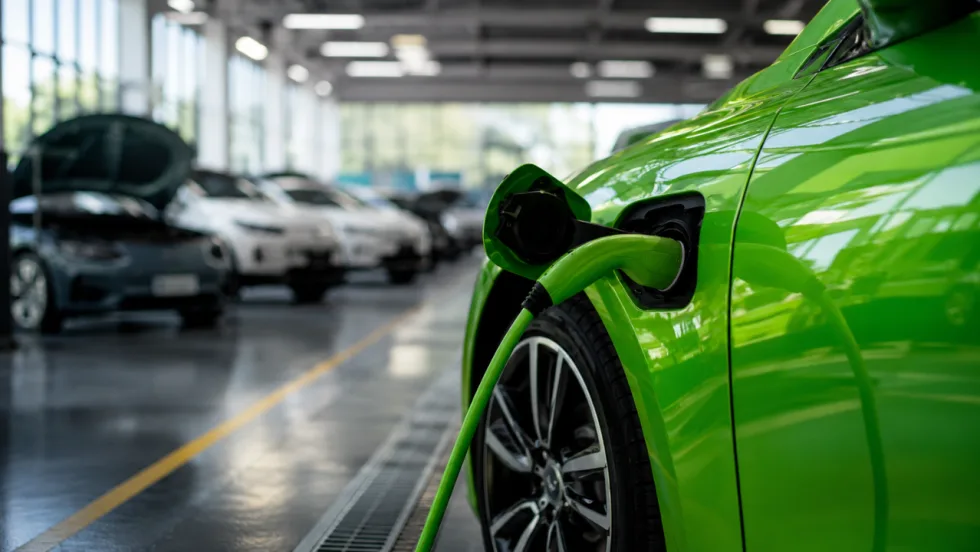
Stop Remarketing Electric Vehicles Like Gas Cars
The advantages and attributes of electric vehicles are upending the traditional remarketing cycle, requiring fleet sellers to rely on new factors and approaches detailed below.
Read More →
The Predictive Pivot: How AI and Data Are Redefining Auto Logistics in 2026
AI is no longer a luxury but the baseline for profitability in 2026. Auto haulers that adopt these tools now will quickly outpace those that use manual workflows or take a wait-and-see approach.
Read More →
Cox Automotive Amasses EV Battery Minerals
The company has processed more than 10 million pounds of EV battery black mass, highlighting growing demand for recycling and lifecycle management as more electric vehicles enter the used market.
Read More →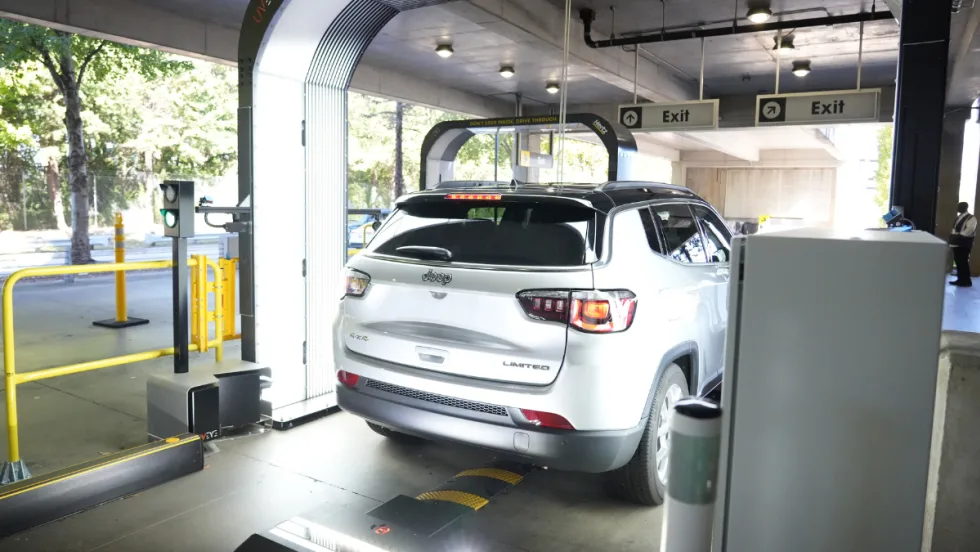
TSD Mobility, UVeye Partner On Automated Vehicle Inspections
The enhanced technology allows rental car operations, dealerships, and auctions to compare a vehicle’s condition at pickup and drop-off within the same rental or loaner record.
Read More →
CAR 2026: What Really Moves Vehicle Value Now — And What Doesn’t
A panel at the 2026 Conference of Automotive Remarketing will examine how resale value is created across the vehicle lifecycle and which traditional remarketing practices still deliver ROI.
Read More →
Despite World Troubles, Forward Thinking Guides Fleets
Fleet operators shared their challenges during an annual conference that embraced the latest advances across all aspects of running private- and public-sector vehicles.
Read More →
Privacy4Cars Study Reveals How 49 Auto Brands Handle Consumer Data Rights
The first-ever report sheds light on how well auto manufacturers offer vehicle owners access to their vehicle data.
Read More →
How AI Enhances Buying, Selling, and Trading Vehicles
AI has already evolved into a must-have tool for remarketers to work with greater clarity, make faster decisions, and run smarter digital marketplaces and business operations.
Read More →