



CarMax Advises How to Avoid Flood-Damaged Cars
RICHMOND, VA – In the wake of recent hurricanes and flooding, CarMax, Inc., a retailer of used cars, is advising consumers on how to avoid purchasing flood-damaged vehicles.
RICHMOND, VA – In the wake of recent hurricanes and flooding, CarMax, Inc., a retailer of used cars, is advising consumers on how to avoid purchasing flood-damaged vehicles.
"Consumers should be aware that some businesses and individuals may try and sell salvaged and flood-damaged cars without revealing the vehicle's history," said David Claeys, purchasing manager for CarMax. "Flood-damaged cars that are not structurally or mechanically sound could be repaired, retitled, and sold to unsuspecting buyers."
CarMax offers the following 10 tips for identifying a vehicle with possible flood damage:
1. Check for a moldy smell inside the car.
2. Check for rust under the brake or gas pedals.
3. Look for dirt or rust under the dashboard and floormats.
4. Look for corrosion, water marks, or a thin brown line on the exterior of the vehicle.
5. Ask questions about an older car with a brand new interior or carpeting.
6. Check to see if the electrical system works.
7. Feel the carpet for dampness.
8. Inspect the bolts and screws under the seats for evidence of rust.
9. Check the undercarriage for excessive rust.
10. Check the VIN number with AutoCheck or Carfax to see whether a flood claim has been filed or a salvage title has been issued on the vehicle.
CarMax's nationwide team of approximately 700 car-buying experts has appraised more than 5 million cars. Buyers are trained to detect whether a car has flood damage or has been in a major accident.
More Operations
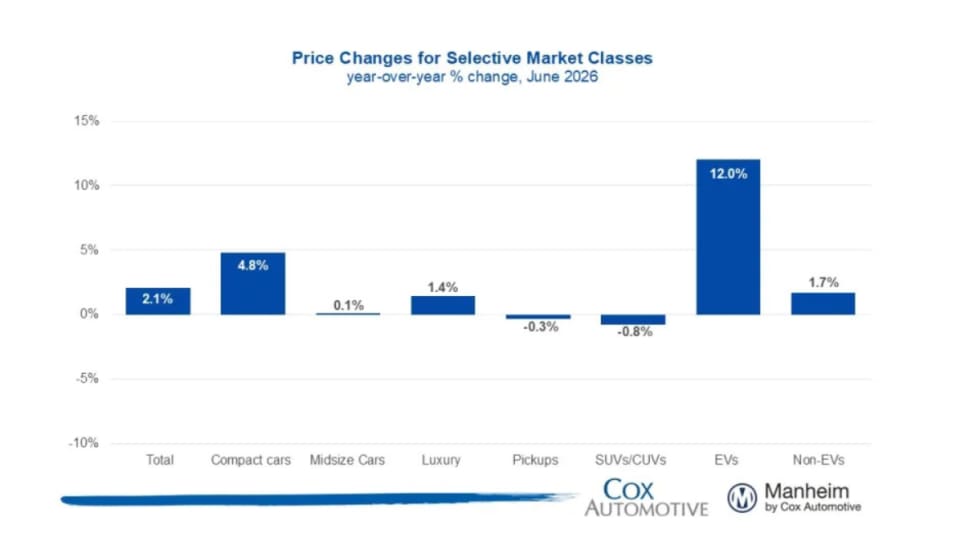
Manheim Index Shows Used-Vehicle Wholesale Prices Up 2.1% in June
The market is seeing stronger appreciation in older used vehicles this year, and the most affordable segments have been among the year’s best performers.
Read More →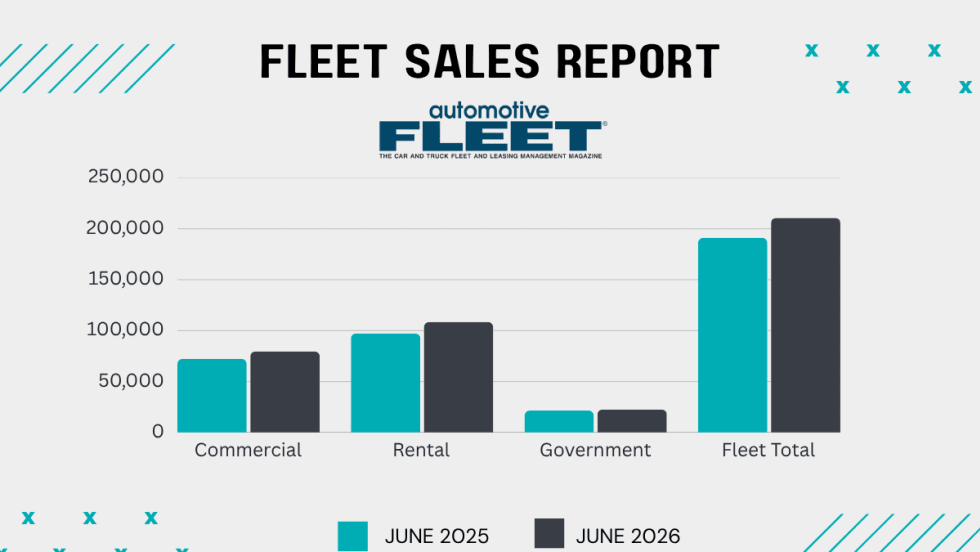
Commercial Fleet Sales Contribute To June, YTD Gains
The fleet sector has boosted its vehicle purchases at a reliable pace in the first half of this year compared with 1H 2025.
Read More →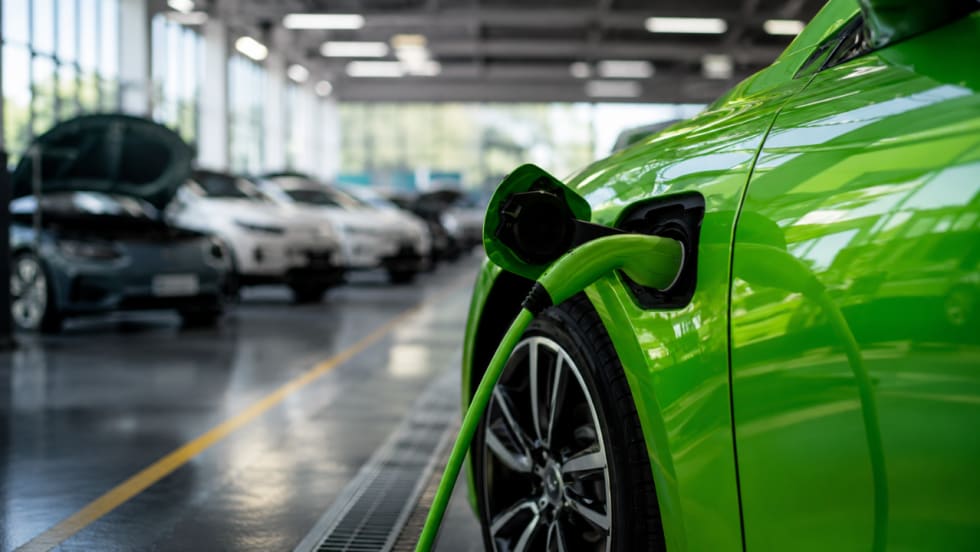
Stop Remarketing Electric Vehicles Like Gas Cars
The advantages and attributes of electric vehicles are upending the traditional remarketing cycle, requiring fleet sellers to rely on new factors and approaches detailed below.
Read More →
AP Fleet Management Expands Remarketing Program for Commercial Work Trucks
AP Fleet Management expanded its commercial vehicle remarketing program with dedicated resale services and an online marketplace for used work trucks.
Read More →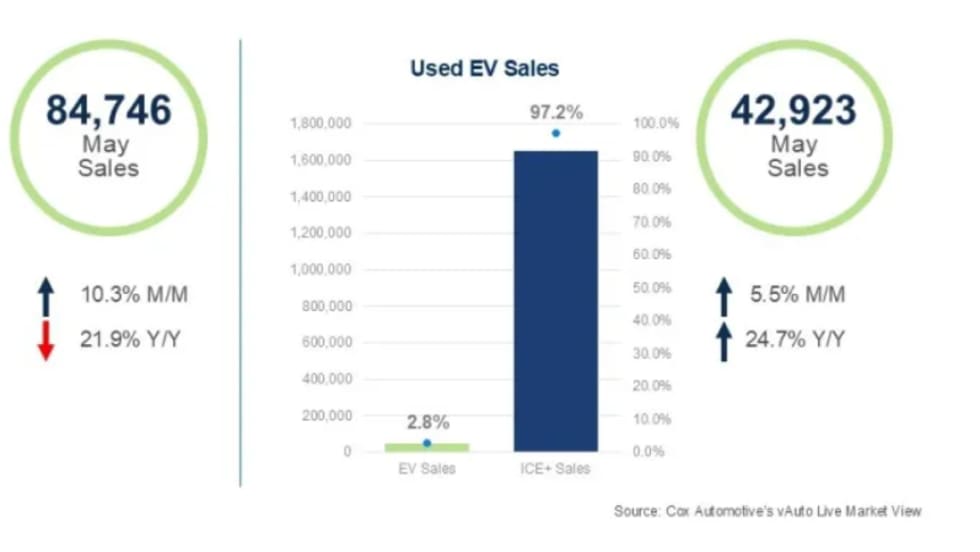
Used EVs Strengthen Overall Electric Vehicle Market
The latest sales data point to several reasons for the divergent trends in new and used EVs that can factor into fleet cycling decisions.
Read More →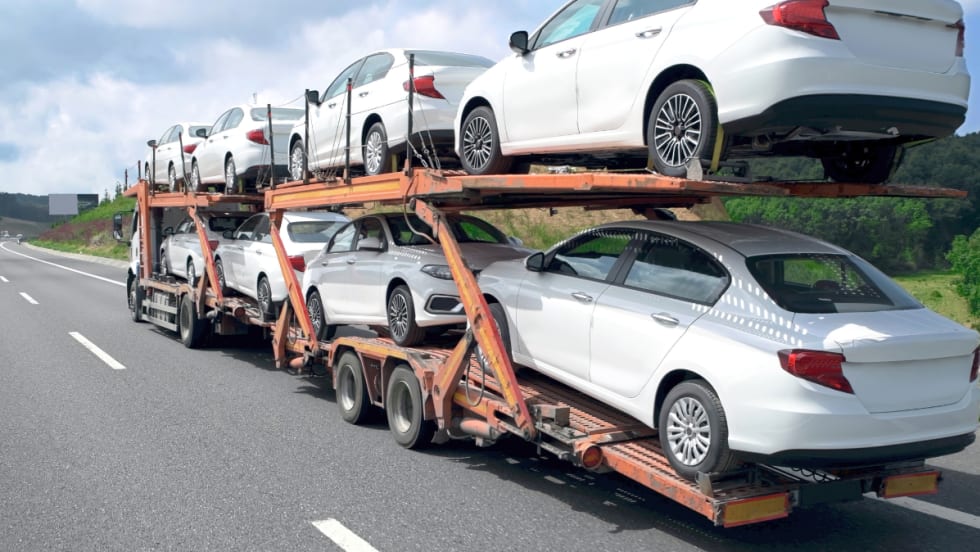
The Data-Driven Haul: 5 Ways AI is Leveling the Playing Field in Auto Transport
Large and small transport fleets are becoming more competitive as predictive analytics and real-time data inform the logistics decision chain.
Read More →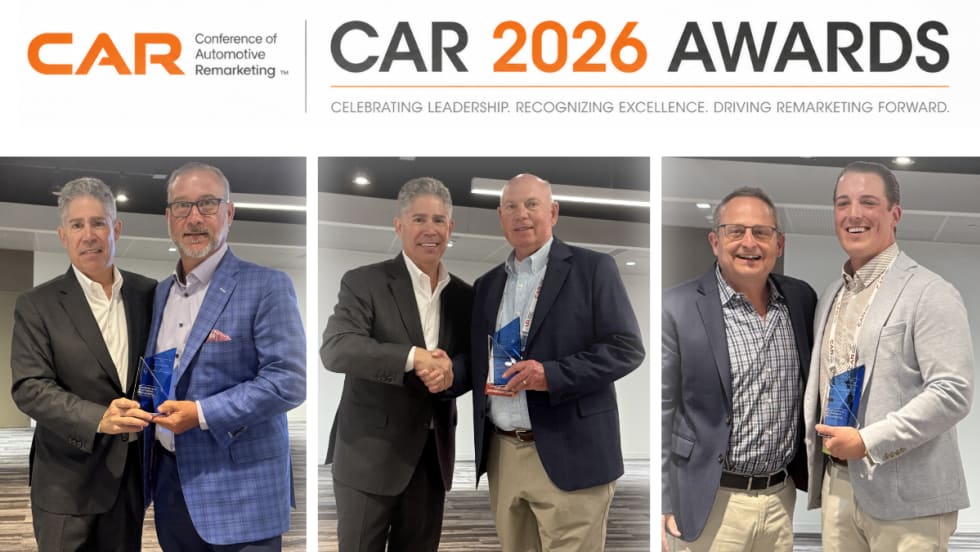
2026 CAR Awards Celebrate Industry Excellence
CAR’s annual Fleet Remarketing Awards opened a reimagined 2026 conference designed to bridge the worlds of fleet management and automotive remarketing.
Read More →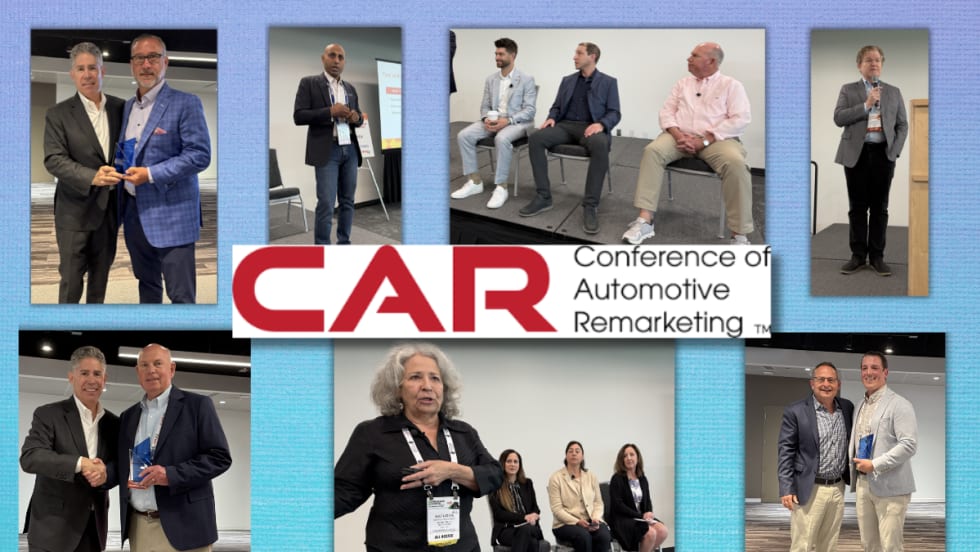
CAR 2026 Recap Part 2: Closing the Gap Between Data & Remarketing Value
The second half of CAR 2026 examined how fleets can translate lifecycle strategy, vehicle data, and market shifts into higher real-world results.
Read More →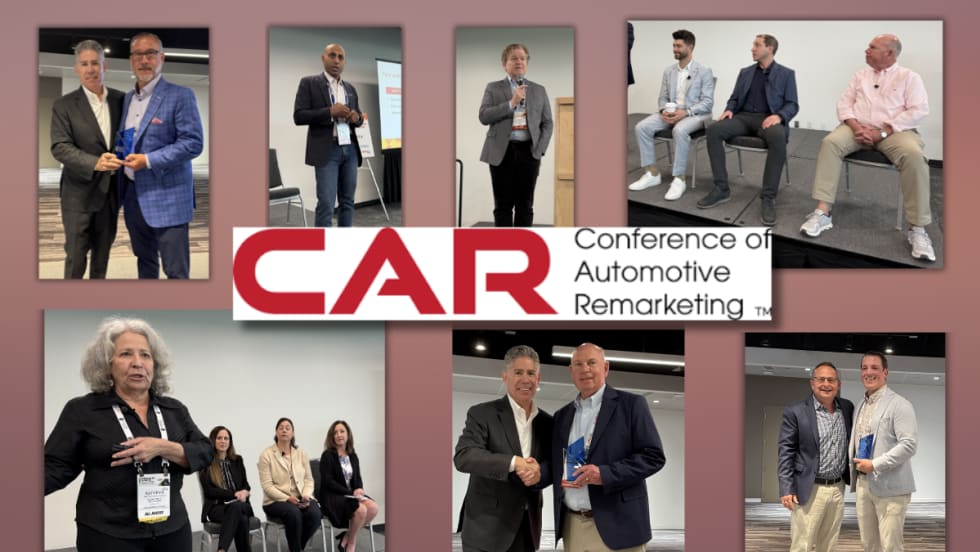
CAR2026 in Two Words: Velocity, Value (Part 1)
The 2026 Conference of Automotive Remarketing convened with a mandate to involve a new constituency — fleet managers — and an updated mission to demonstrate unrealized value in de-fleeted vehicles.
Read More →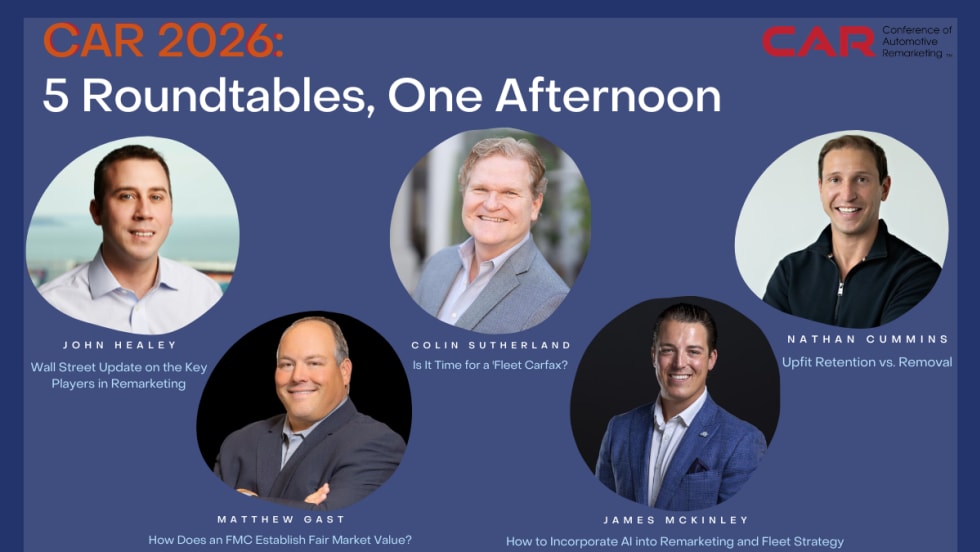
CAR 2026: Get the Wall Street Update on the Key Players in Remarketing
From a Wall Street analyst's take on remarketing's key players to whether fleets need their own version of Carfax, CAR 2026's afternoon roundtables will answer key operational and industry questions.
Read More →