



Black Book Three-Month Rolling Average Shows Some Improvement
GAINESVILLE, GA - An analysis of the data in the Black Book three-month rolling average for the period ending Oct. 31, 2008, showed some pleasant surprises for many of the vehicle segments that had been hit the hardest by the rise in fuel prices through the first eight months of the year.
GAINESVILLE, GA - An analysis of the data in the Black Book three-month rolling average for the period ending Oct. 31, 2008, showed some pleasant surprises for many of the vehicle segments that had been hit the hardest by the rise in fuel prices through the first eight months of the year.
Of the 21 vehicle segments that Black Book tracks, the ones that depreciated the least from August through October were full-size pickups, full-size SUVs, mid-size pickups, full-size vans, and compact pickups.
Ricky Beggs, vice president and managing editor, said, “The continuing drop in the price of crude oil, and it’s resulting decrease in gasoline prices for the retail consumer, coupled with the earlier drastic drop in values for a few of these segments during the summer months, really helped these vehicles gain the attention of both dealers and consumers, who saw that the current value proposition had created some deals that were just too good to pass up.”
The recent financial struggles and uncertainty about the economy have had an adverse effect on prestige luxury cars, luxury cars, near luxury cars, premium sporty cars, and mini-vans, the segments that depreciated the most during the past three months.
Looking only at the month of October, the strongest performing vehicle segments included several that had been hit the hardest during the summer months, including: compact pickups, full-size pickups, full-size and luxury SUVs, and full-size vans. Considering the entire year, the top four segments in percent of retained value includes entry cars, compact cars, entry mid-size cars, and compact pickups. Not surprisingly, these are typically among the most fuel efficient segments.
Beggs said, “It has definitely been a challenging year for the industry. Only domestic cars have depreciated at ‘normal’ historical levels, -19.97 percent. Imported cars have dropped -22.68 percent, domestic trucks have fallen -27.11 percent, and imported trucks followed closely at -28.55 percent.”
All of the analysis is based on 2006 models with the final reporting period being the values published for Oct. 31. When viewing slightly older models, such as the 2004-model year, the segment results were almost identical to the groupings and patterns of the 2006 models. The percentage changes were generally less for the 2004s, probably due to their lower values.
“This indicates that price alone is not the only driving factor behind the purchasing of used vehicle inventory for the retail dealer’s lot,” Beggs said.
More Operations

FLD Promotes Three Executives in Leadership Changes
FLD has promoted three longtime executives, naming Gary Mott CEO, Richard Mallek president, and Ron Sanders managing partner.
Read More →
CAS Automotive Launches Remarketing Service for Damaged, Surplus Equipment
Damaged Equipment expands CAS Automotive’s vehicle remarketing model to commercial equipment, targeting fleet operators, insurers, equipment dealers, and rental companies.
Read More →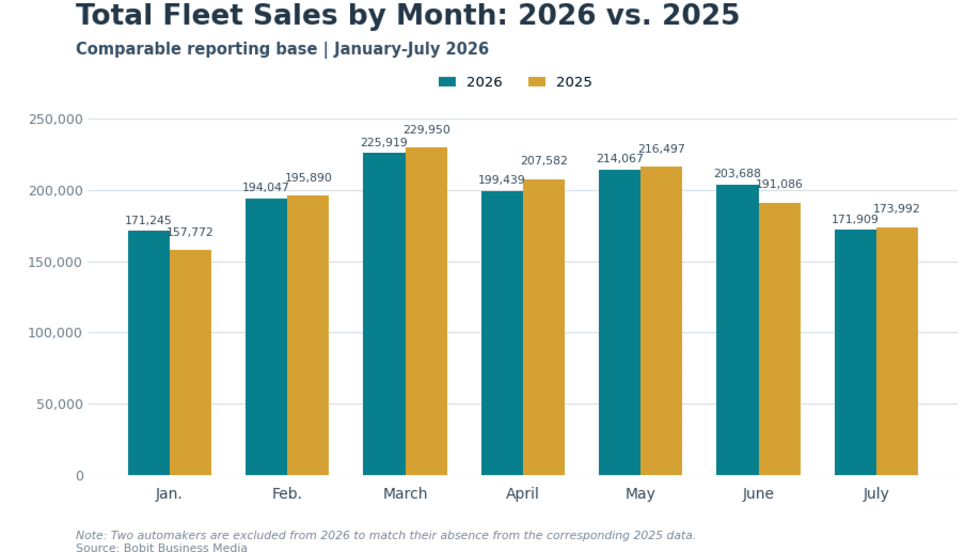
Fleet Sales Hold Steady as Commercial Gains Offset Rental Decline
Commercial and government fleet sales increased through July 2026, offsetting most of the decline in rental volume and leaving combined comparable fleet sales 0.5% above the same period last year.
Read More →
Personnel Update: BrickHouse GPS, PRO-VISION, Auto Driveaway, and Proaction
Check out the latest must-know fleet personnel updates from the last couple of months.
Read More →
What Comes Next for Auto Driveaway?
A new Auto Driveaway feature called Arrive provides recipients with live location updates and ETAs during the final hour of a vehicle move, while fleet customers continue to have end-to-end shipment visibility through the company's customer portal.
Read More →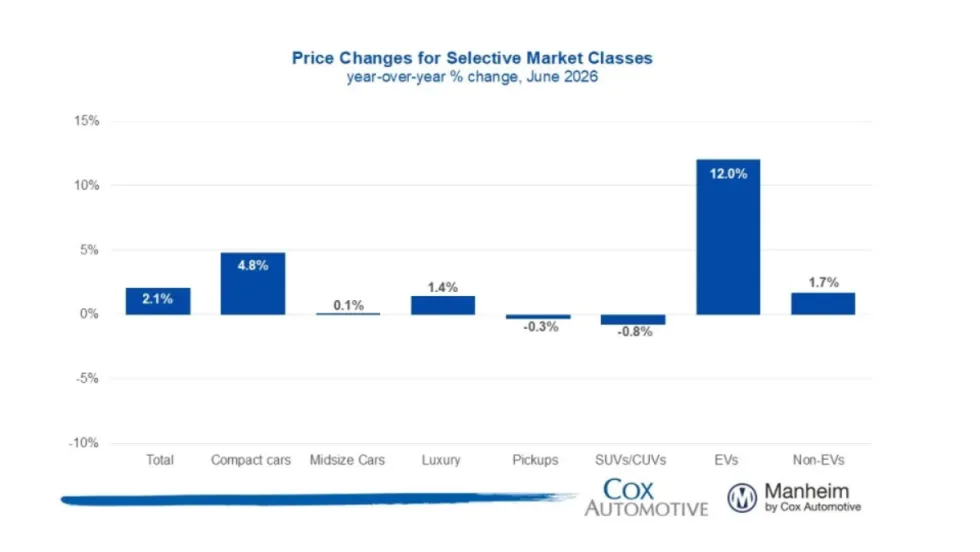
Manheim Index Shows Used-Vehicle Wholesale Prices Up 2.1% in June
The market is seeing stronger appreciation in older used vehicles this year, and the most affordable segments have been among the year’s best performers.
Read More →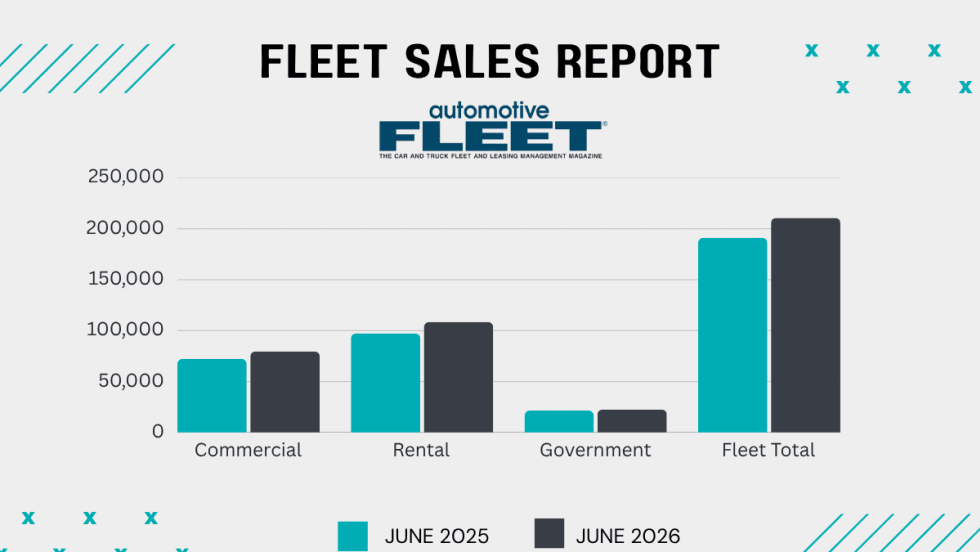
Commercial Fleet Sales Contribute To June, YTD Gains
The fleet sector has boosted its vehicle purchases at a reliable pace in the first half of this year compared with 1H 2025.
Read More →
Stop Remarketing Electric Vehicles Like Gas Cars
The advantages and attributes of electric vehicles are upending the traditional remarketing cycle, requiring fleet sellers to rely on new factors and approaches detailed below.
Read More →
AP Fleet Management Expands Remarketing Program for Commercial Work Trucks
AP Fleet Management expanded its commercial vehicle remarketing program with dedicated resale services and an online marketplace for used work trucks.
Read More →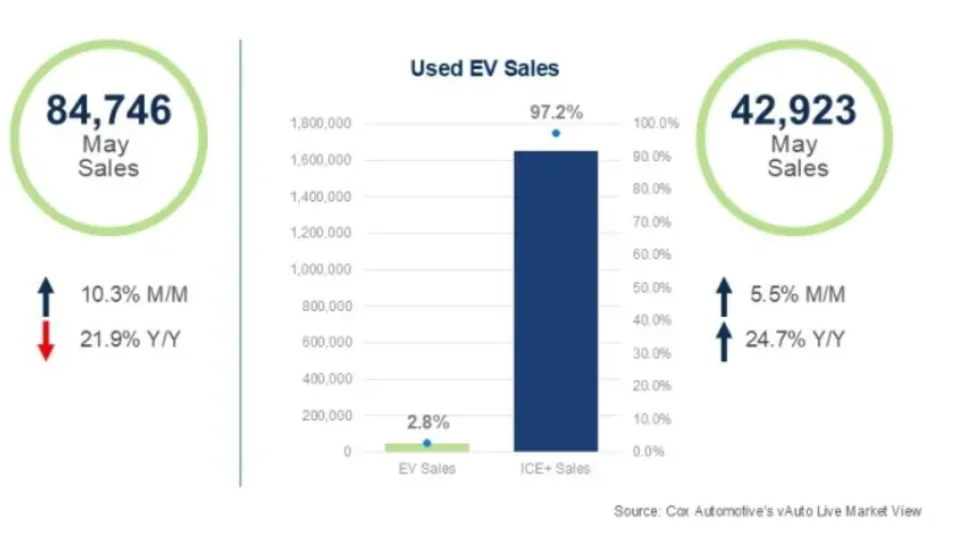
Used EVs Strengthen Overall Electric Vehicle Market
The latest sales data point to several reasons for the divergent trends in new and used EVs that can factor into fleet cycling decisions.
Read More →