



Better Used-Vehicle Market Boosts GMAC's 2Q Results
NEW YORK — GMAC Financial Services said improvement in the used-vehicle market in the United States led to pre-tax income of $346 million in its global automotive finance division in the second quarter.
NEW YORK — GMAC Financial Services said improvement in the used-vehicle market in the United States led to pre-tax income of $346 million in its global automotive finance division in the second quarter, compared to a pre-tax loss of $709 million in the year-ago period.
“Results were driven primarily by improvement in the U.S. used-vehicle market, which resulted in increased proceeds on the sale of off-lease vehicles, favorable provisions on the retail balloon portfolio, and improved loss severity levels,” the captive lender said.
On an after-tax basis, the auto finance segment reported a net loss of $727 million, compared to a net loss of $717 million in the year-ago period. The after-tax loss was primarily driven by a tax charge related to the conversion of GMAC to a corporation.
Total new-vehicle loan originations were $5.6 billion, down from $12.5 billion in the second quarter 2008. In comparison to recent quarters, origination levels increased from extremely low levels in the first quarter 2009 ($3.4 billion) and fourth quarter 2008 ($2.7 billion). GMAC said new vehicle originations are lower because a decrease in U.S. vehicle sales, the significant reduction of leasing and the effects of a weaker economy.
GMAC continues to provide financing to Chrysler dealers and consumers. The company has financed approximately $320 million of new Chrysler consumer originations through July 20. GMAC has also extended approximately $1 billion in interim wholesale financing to approximately 1,600 U.S. and Canadian dealers. The formal credit review process of the interim-financed dealers has begun and is expected to be completed by mid-November.
GMAC did not experience significant credit losses related to the GM bankruptcy filing. General Motors Company, the new post-bankruptcy entity, holds the equity stake in GMAC and has also assumed the operating agreements between the companies.
Credit losses increased to 2.24 percent of managed retail contracts in the second quarter, compared to 1.40 percent in the year-ago period. GMAC said the increase is due to higher losses in Europe and North America, which were driven by economic weakness, the seasoning of the portfolio and a smaller asset base. However, credit losses have declined from the first quarter 2009 level of 2.41 percent and continue to improve from its peak in the fourth quarter 2008.
Delinquencies, defined as contracts more than 30-days past due, also increased to 3.44 percent in the second quarter, compared to 2.39 percent in the year-ago period. Delinquency trends have been negatively affected by higher unemployment and a smaller asset portfolio in North America and Europe, explained GMAC.
Overall, GMAC reported a second quarter 2009 after-tax net loss of $3.9 billion, compared to a net loss of $2.5 billion in the year-ago period. Results in the quarter were due to several charges incurred in the second quarter. Excluding these charges, GMAC's loss in the second quarter of 2009 was approximately $400 million.
“While difficult economic conditions persist, GMAC is encouraged by positive trends such as improving origination levels in both the auto and mortgage segments. Additionally, GM and Chrysler have exited bankruptcy, which should lead to a more stable U.S. auto industry,” the company stated.
More Operations

FLD Promotes Three Executives in Leadership Changes
FLD has promoted three longtime executives, naming Gary Mott CEO, Richard Mallek president, and Ron Sanders managing partner.
Read More →
CAS Automotive Launches Remarketing Service for Damaged, Surplus Equipment
Damaged Equipment expands CAS Automotive’s vehicle remarketing model to commercial equipment, targeting fleet operators, insurers, equipment dealers, and rental companies.
Read More →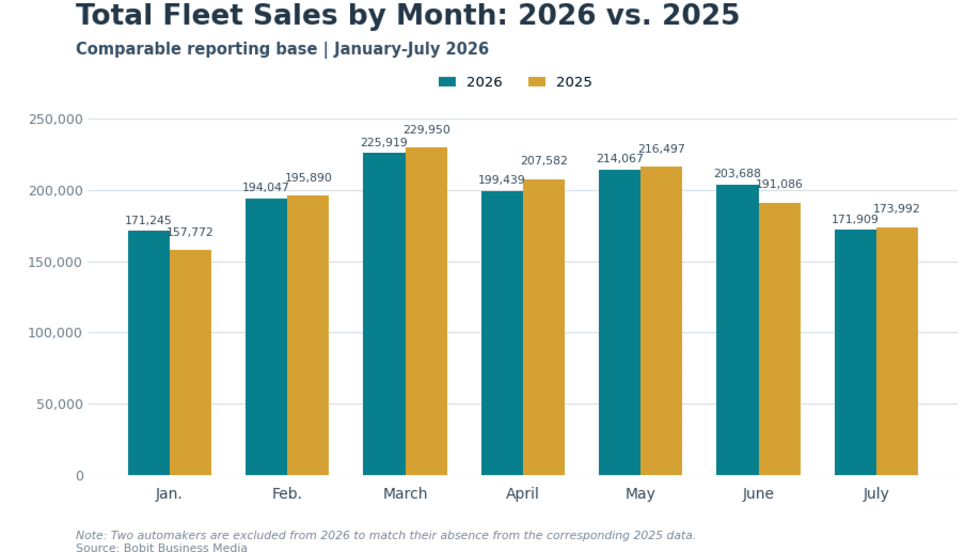
Fleet Sales Hold Steady as Commercial Gains Offset Rental Decline
Commercial and government fleet sales increased through July 2026, offsetting most of the decline in rental volume and leaving combined comparable fleet sales 0.5% above the same period last year.
Read More →
Personnel Update: BrickHouse GPS, PRO-VISION, Auto Driveaway, and Proaction
Check out the latest must-know fleet personnel updates from the last couple of months.
Read More →
What Comes Next for Auto Driveaway?
A new Auto Driveaway feature called Arrive provides recipients with live location updates and ETAs during the final hour of a vehicle move, while fleet customers continue to have end-to-end shipment visibility through the company's customer portal.
Read More →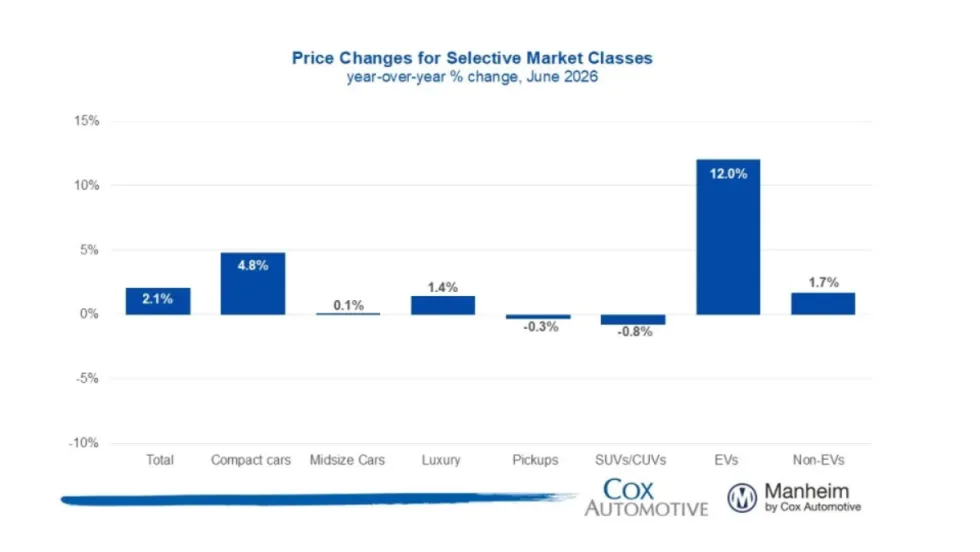
Manheim Index Shows Used-Vehicle Wholesale Prices Up 2.1% in June
The market is seeing stronger appreciation in older used vehicles this year, and the most affordable segments have been among the year’s best performers.
Read More →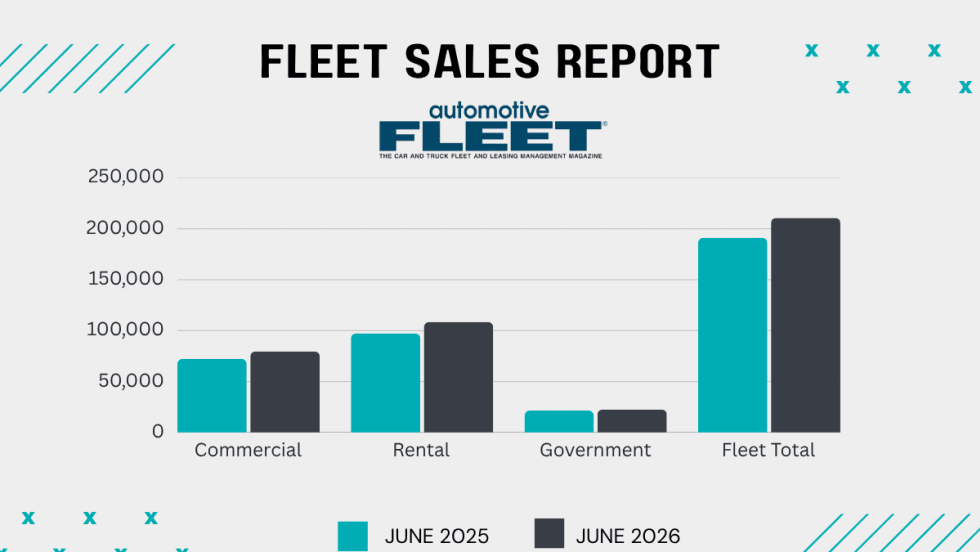
Commercial Fleet Sales Contribute To June, YTD Gains
The fleet sector has boosted its vehicle purchases at a reliable pace in the first half of this year compared with 1H 2025.
Read More →
Stop Remarketing Electric Vehicles Like Gas Cars
The advantages and attributes of electric vehicles are upending the traditional remarketing cycle, requiring fleet sellers to rely on new factors and approaches detailed below.
Read More →
AP Fleet Management Expands Remarketing Program for Commercial Work Trucks
AP Fleet Management expanded its commercial vehicle remarketing program with dedicated resale services and an online marketplace for used work trucks.
Read More →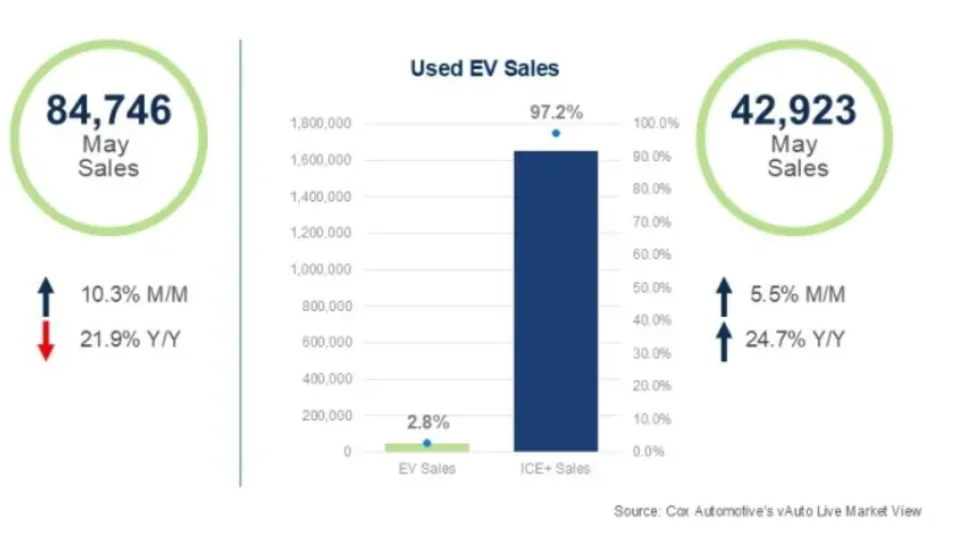
Used EVs Strengthen Overall Electric Vehicle Market
The latest sales data point to several reasons for the divergent trends in new and used EVs that can factor into fleet cycling decisions.
Read More →