



Better Business Bureau Connecticut Offers Tips for Buying a Used Car
WALLINGFORD, CT – As Americans watch gasoline prices rise, consumers are moving away from their luxury cars and large SUVs for more fuel-efficient vehicles.
WALLINGFORD, CT – As Americans watch gasoline prices rise, consumers are moving away from their luxury cars and large SUVs for more fuel-efficient vehicles.
While some consumers are waiting for more hybrid cars to hit the showrooms and marketplace, others are buying what they believe are fuel efficient used cars. And according to Connecticut Better Business Bureau (BBB) President Paulette Hotton Scarpetti, it is time to remind people about an important checklist when shopping for a used vehicle.
“Information is power in the hands of a consumer,” he said. “Used-car buyers should learn all they can to save time and money and prevent problems that can turn a good idea into a nightmare. If a consumer walks into a used-car lot uninformed, what was a good, money-saving idea could end up eating away the savings if the car is a lemon.”
There are several rules of thumb for used-vehicle buyers relating to selection of a seller, the car, and financing, according to the BBB. One of the most important is, to pay a trusted mechanic to inspect a vehicle before purchasing. The extra out-of-pocket expense may save the buyer money down the road if major problems are discovered.
Connecticut BBB offers the following tips for used-car buyers:
Do your homework: The Internet can be an invaluable tool for researching and comparing a particular vehicle’s reviews as a used car. Shop for a car that can deliver many miles on a gallon of fuel.
Give the car a once-over: A used-car inspection can tell many stories about its history and reliability and always should be made in daylight to ensure you can see any dents, paint defects, cracks, and other imperfections. Check the accelerator and brake pedal for signs of wear. If they are excessively worn on a car with “low mileage,” the odometer may have been tampered with to turn back the mileage. Also examine the ease with which windows, doors, and the trunk open and close. Problems with these may indicate collision or body damage.
Test drive: If the car meets your standards, it is time to go for a test drive. Make a series of stops, starts, and turns at different speeds. Drive over rough road and listen carefully for any noises such as clunking and rattling. Never purchase a vehicle without first driving it.
Know the law: If you are buying from a used-car dealership, the Federal Trade Commission (FTC) Used Car Rule requires the dealer to post a window sticker disclosing terms of warranty, information on the availability of service contracts, a suggestion the buyer have the vehicle inspected, and that the dealer put all promises in writing. Many complaints to BBBs from used-car buyers concern problems found during inspection and that they received only verbal promises from salespeople that the problems would be fixed. Because the commitments were not put in the written sales contract, however, the repairs were often not postponed and the customer was left with no recourse. If the car is sold with a statement specifying the car is being sold “as is,” the consumer must pay for any repairs needed after purchase.
Shop around for financing: Go to several financial institutions with the seller’s proposed purchase and finance contract. This is when a high credit score can result in lower financing interest rates. Compare the annual percentage rate, required down payment, and length of the repayment period.
Finally, don’t shop alone when selecting a used vehicle. A second set of eyes and ears can help uncover any red flags about a particular vehicle and improve your chances of making a purchase.
More Operations
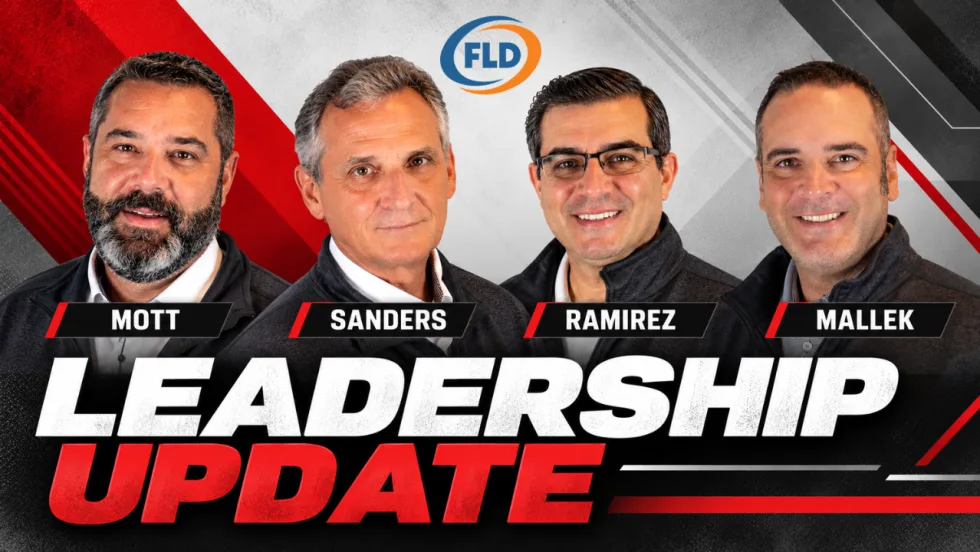
FLD Promotes Three Executives in Leadership Changes
FLD has promoted three longtime executives, naming Gary Mott CEO, Richard Mallek president, and Ron Sanders managing partner.
Read More →
CAS Automotive Launches Remarketing Service for Damaged, Surplus Equipment
Damaged Equipment expands CAS Automotive’s vehicle remarketing model to commercial equipment, targeting fleet operators, insurers, equipment dealers, and rental companies.
Read More →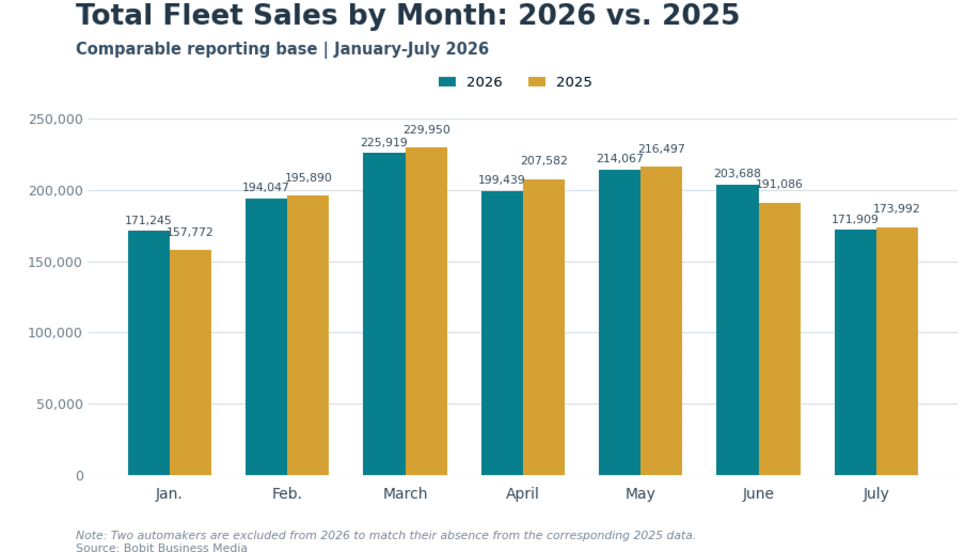
Fleet Sales Hold Steady as Commercial Gains Offset Rental Decline
Commercial and government fleet sales increased through July 2026, offsetting most of the decline in rental volume and leaving combined comparable fleet sales 0.5% above the same period last year.
Read More →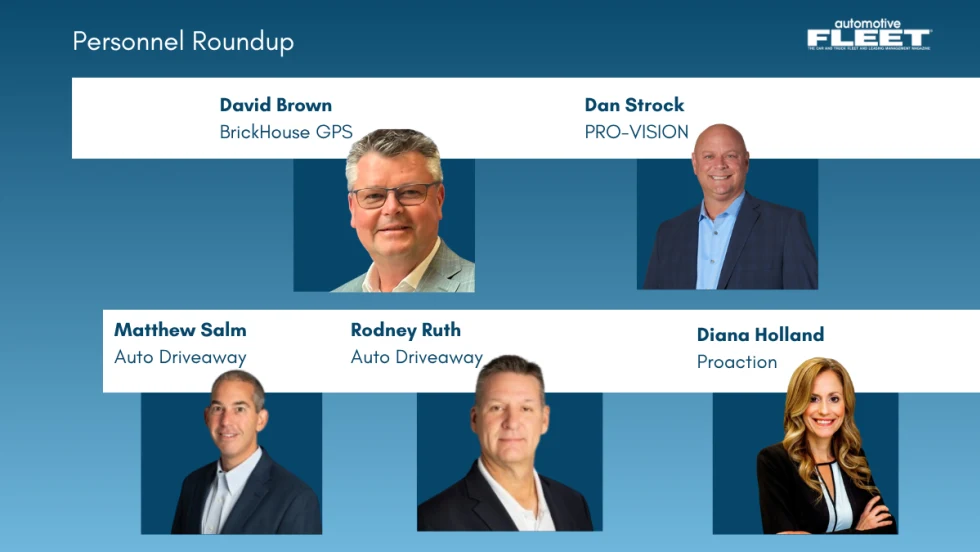
Personnel Update: BrickHouse GPS, PRO-VISION, Auto Driveaway, and Proaction
Check out the latest must-know fleet personnel updates from the last couple of months.
Read More →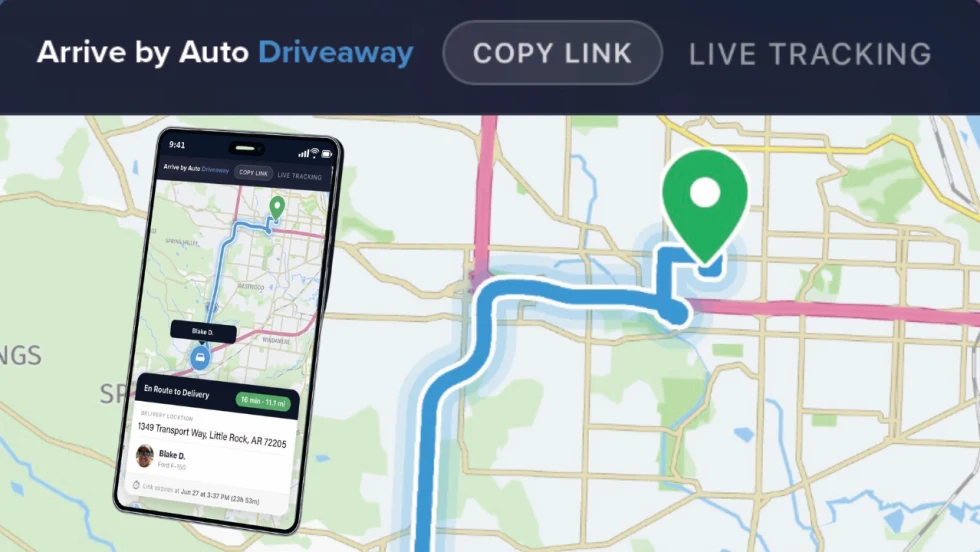
What Comes Next for Auto Driveaway?
A new Auto Driveaway feature called Arrive provides recipients with live location updates and ETAs during the final hour of a vehicle move, while fleet customers continue to have end-to-end shipment visibility through the company's customer portal.
Read More →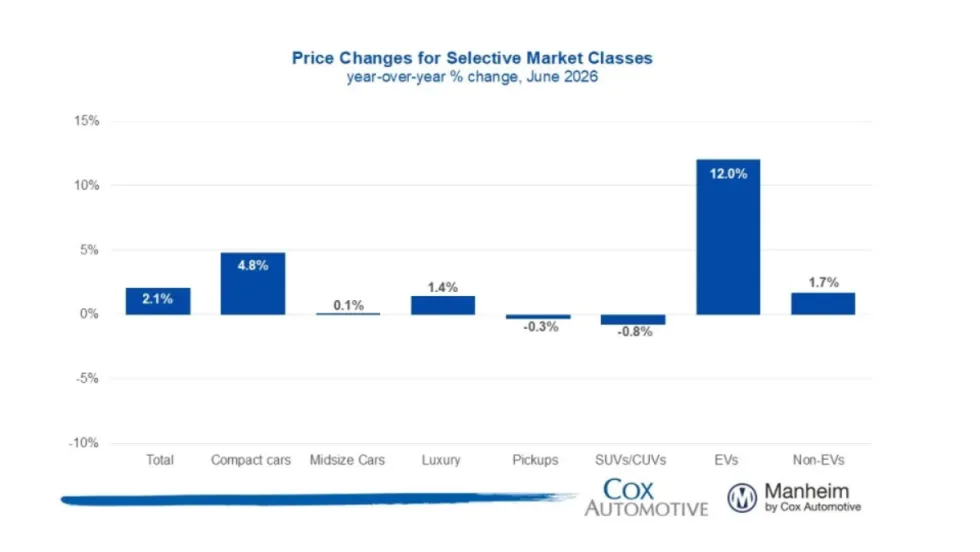
Manheim Index Shows Used-Vehicle Wholesale Prices Up 2.1% in June
The market is seeing stronger appreciation in older used vehicles this year, and the most affordable segments have been among the year’s best performers.
Read More →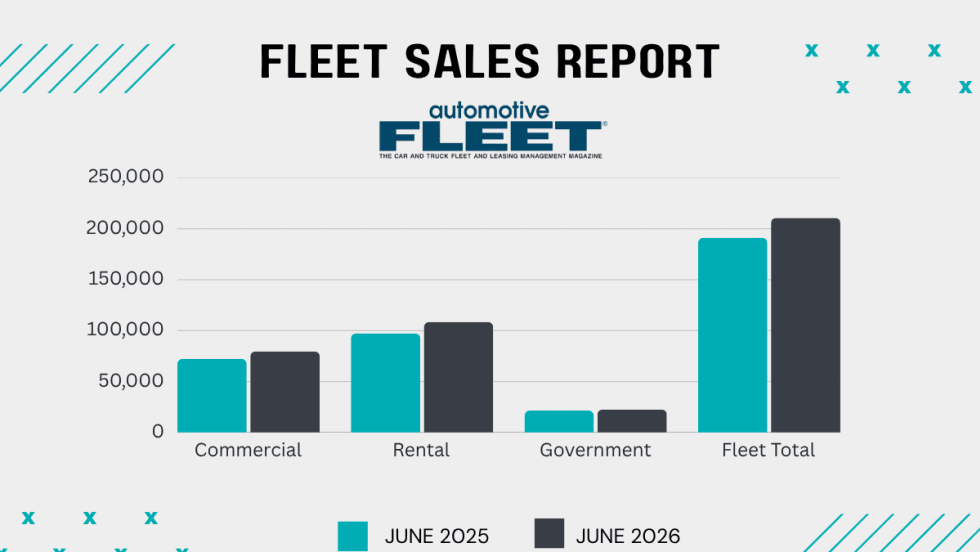
Commercial Fleet Sales Contribute To June, YTD Gains
The fleet sector has boosted its vehicle purchases at a reliable pace in the first half of this year compared with 1H 2025.
Read More →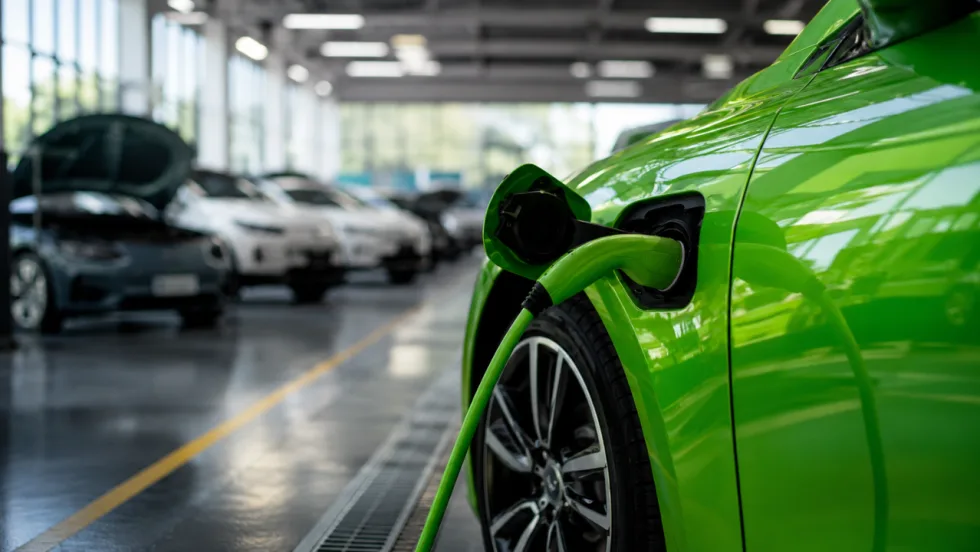
Stop Remarketing Electric Vehicles Like Gas Cars
The advantages and attributes of electric vehicles are upending the traditional remarketing cycle, requiring fleet sellers to rely on new factors and approaches detailed below.
Read More →
AP Fleet Management Expands Remarketing Program for Commercial Work Trucks
AP Fleet Management expanded its commercial vehicle remarketing program with dedicated resale services and an online marketplace for used work trucks.
Read More →
Used EVs Strengthen Overall Electric Vehicle Market
The latest sales data point to several reasons for the divergent trends in new and used EVs that can factor into fleet cycling decisions.
Read More →