



Automobile Prices Hit All-Time High in July 2021
Tight new-vehicle supply puts upward pressure on new-vehicle transaction prices. Affordability hits 10-year low in July.


Industry Incentive Spending as Percentage of ATP
Graph: Cox Automotive
The average transaction price (ATP) for a new automobile in July 2021 hit a new record high in the U.S. at $42,736, according to the analysts at Kelley Blue Book, which released a report Aug. 18. Transaction prices were up $3,223 (8.2%) from July 2020 and increased $402 (0.9%) from June 2021.
New-vehicle transaction prices have increased – and set new records – for four straight months. A tight supply of new vehicles and a market shift toward more expensive SUVs and pickup trucks are among the main drivers of higher ATPs. However, elevated prices may be cooling consumer demand; after robust sales in March, April and May, new-vehicle sales began to slow in June and July. The seasonally adjusted new-vehicle sales pace in July was the slowest in a year.
“While transaction prices marked new highs in July, new-vehicle incentives continue to fall,” noted Cox Automotive Analyst Kayla Reynolds in a press release. “Last month, incentives amounted to just 5.9% of ATP, the lowest amount in more than a decade. Excellent new-vehicle deals are certainly hard to find.”
In July 2020, the average incentive amount stood at 10.1% of transaction price, according to the analysts at KBB.com. In July 2021, the average new-vehicle deal was above manufacturers’ suggested retail price (MSRP).
Higher transaction prices and lower incentives have combined to drive the Cox Automotive/Moody Analytics Vehicle Affordability Index into uncharted territory. New-vehicle affordability has declined through the spring and set records in each of the last two months. The number of median weeks of income needed to purchase the average new vehicle in July increased to 37.4 weeks, up from 37.2 in June.
Transaction Prices Up Across the Industry
Nearly every brand saw year-over-year growth in average transaction prices. Cadillac prices increased more than 32% year-over-year, driven mostly by the new Escalade full-size SUV, which has been transacting above $100,000 this year. The luxury automaker Genesis, with a new SUV in the showroom, posted year-over-year price gains of 28% for last month. Even Chevrolet and Ford delivered year-over-year gains of 14% and 15%, respectively. Porsche and Tesla were the only brands that posted price drops from year-ago levels, although the Tesla ATP has been skewed by incomplete data.
Non-luxury vehicles showed an 8% year-over-year price increase to $39,865, while the luxury segment saw prices jump 5.8% to $57,546. Vehicle segments with the largest year-over-year increases include hybrids and plug-in hybrid vehicles, luxury full-size SUVs and mid-size cars. The single biggest year-over-year price jump was in the reignited minivan market, where new entries from Toyota and Kia, combined with low inventory, have been driving prices up all year. Families beware: Minivan ATPs have jumped up nearly 17% from year-ago levels, and incentives are well below the industry average.
More Fleet

Acertus Acquires Fisher Shipping, CEO to Join Acertus
Fisher Shipping will retain its brand and team, while its customers gain access to Acertus’ transportation, storage, vehicle care, and title and registration services.
Read More →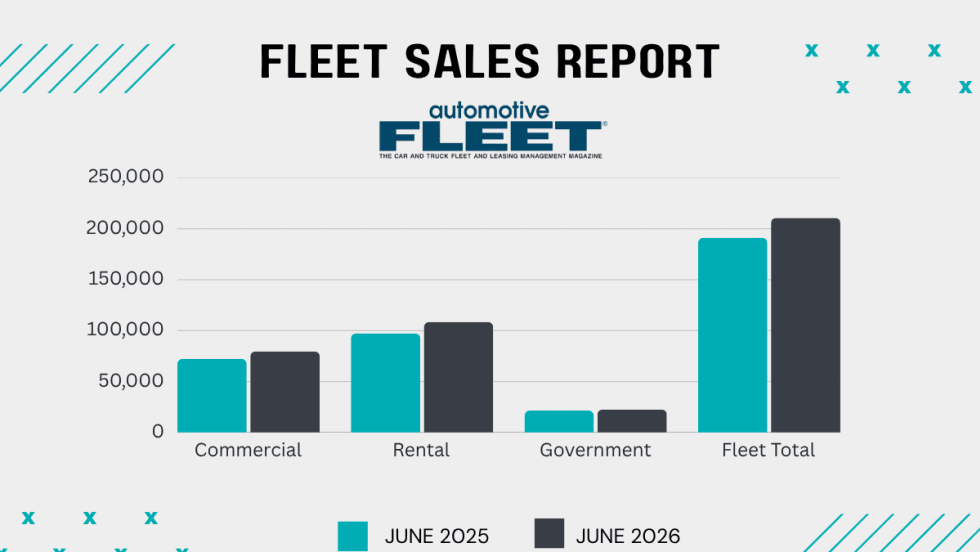
Commercial Fleet Sales Contribute To June, YTD Gains
The fleet sector has boosted its vehicle purchases at a reliable pace in the first half of this year compared with 1H 2025.
Read More →
Registration Opens for 2026 Fleet Forward Conference
Held on the East Coast for the first time, the Washington, D.C.-area event features expert-led education, a new IIHS Crash Test Experience, and collocation with the NAFA’s Fleet Safety Symposium.
Read More →
AP Fleet Management Expands Remarketing Program for Commercial Work Trucks
AP Fleet Management expanded its commercial vehicle remarketing program with dedicated resale services and an online marketplace for used work trucks.
Read More →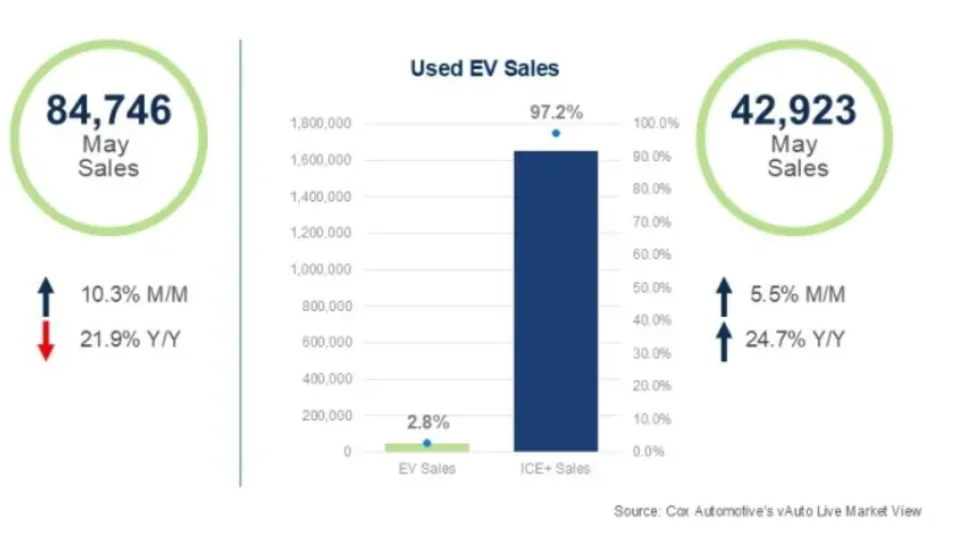
Used EVs Strengthen Overall Electric Vehicle Market
The latest sales data point to several reasons for the divergent trends in new and used EVs that can factor into fleet cycling decisions.
Read More →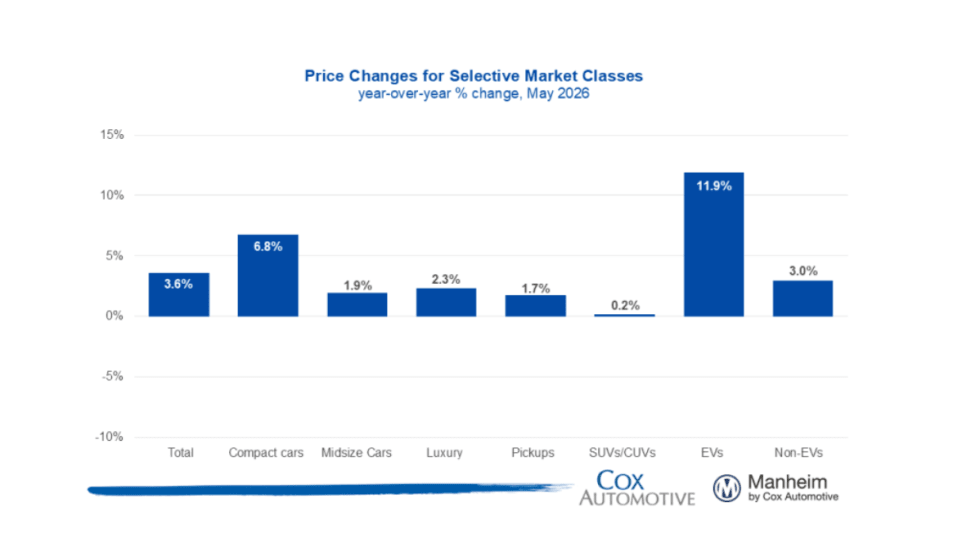
Wholesale Used Vehicle Market Sustains Moderate Rise In Values, Prices
Trends continue to normalize after a strong start to the year, as consumers contend with higher gas prices in the coming summer months.
Read More →
Commercial Fleet Sales Still Lead Sectors Despite May Mini Dip
The U.S. economy's continued growth and positive business investment are creating a favorable environment for fleet vehicle demand.
Read More →
The Data-Driven Haul: 5 Ways AI is Leveling the Playing Field in Auto Transport
Large and small transport fleets are becoming more competitive as predictive analytics and real-time data inform the logistics decision chain.
Read More →
Commercial Fleet Sales Show Healthy Gains
So far, the fleet sector is outshining government and rental fleet sales this year as economic growth spurs more business investment.
Read More →
CAR 2026 Recap Part 2: Closing the Gap Between Data & Remarketing Value
The second half of CAR 2026 examined how fleets can translate lifecycle strategy, vehicle data, and market shifts into higher real-world results.
Read More →