



Auto Auction Owner Fights Tighter Vehicle Donation Tax Rules
As Congress moves closer to tightening the income tax break for vehicle donations, the owner of a Crestwood auto auction is leading a national coalition of businesses fighting the proposed changes, reported the Daily Southtown newspaper.
As Congress moves closer to tightening the income tax break for vehicle donations, the owner of a Crestwood auto auction is leading a national coalition of businesses fighting the proposed changes, reported the Daily Southtown newspaper.
Tom Crane, owner of Tri-State Auto Auction, heads the Charitable Donations Support Coalition, a partnership of 25 businesses that profit from the sales of donated vehicles and are lobbying against the proposed legislation.
The group has spent about $300,000 so far on its lobbying campaign and is joining charitable organizations in opposing the proposed new regulations.
Since the early 1990s, donated vehicles have become an increasingly important source of money for large and small charities alike, such as the National Kidney Foundation and the Polly Klaas Foundation.
An analysis by the Charitable Donations Support Coalition suggests that an estimated 1 million vehicles donated in 2003 sold for about $400 million.
But only a small percentage of that ended up in charities' pockets because of the discrepancy between the donor's estimate of the vehicle's value and the actual market value. In some cases, nonprofits actually lose money on a vehicle donation, investigators said.
In a 2000 report, Congressional investigators said vehicle donations were worth an estimated $654 million in tax savings for donors that year, reported the Daily Southtown.
The typical donor takes a $1,200 income-tax deduction, while the vehicle sells for $400 on average and can bring in only $20 or less to the charity, according to a federal report and the Charitable Donations Support Coalition.
After the federal report in November drew attention to a growing gap between the tax deductions and charities' revenue from vehicle sales, Congress began looking at ways to bring the deduction more in line with the true value of the vehicle.
Alan Klinc, a senior manager at the American Lung Association of Illinois-Iowa, said another factor in charities not getting more money from vehicle donations is full-service call centers. The for-profit centers, which solicit donations, can take too large a cut from vehicle sales – often as much as 50 percent, reported the Daily Southtown.
The American Lung Association of Illinois-Iowa runs its vehicle donation program, but few charities do, resulting in an important revenue source for towing companies, used-car dealers, fundraising firms, and auto auctions such as Crane's.
Crane said auctions make the donations system work by taking on the expense of storing and selling the vehicles – costs that otherwise would make operating a donated vehicle program too expensive for many nonprofit groups.
Crane agrees that too many donors overvalue their vehicles, but he said there are better ways to address the problem than the ones that Congress is considering.
The coalition would limit deductions on vehicles 12 years and older to $750, unless an appraisal determined that it was worth more. The maximum deduction for a vehicle of the same age that no longer runs would be $250, unless an appraisal indicated otherwise.
For vehicles less than 12 years old, taxpayers would have to get a receipt with the vehicle sales price to attach to their tax returns, under the coalition's proposal, reported the Daily Southtown.
The U.S. Senate recently passed its version of the legislation, which would require charities to report in writing to donors the actual sale price of any vehicle. The donor would have to base his/her deduction on that sale price and attach a copy of the report to his tax return.
For Crane and other businesses that work with the charities, the impact of the proposed changes would be immediate. They said the Senate bill would devastate donated vehicle programs because people would be less likely to give away newer cars that bring in more revenue for charities and vendors alike.
The coalition is focusing its lobbying efforts almost entirely on the House Ways and Means Committee, which is expected to approve a bill in the next few weeks. Under the House version, donors who want to claim more than $500 on their tax returns would be required to seek an appraisal, reported the Daily Southtown.
More Operations
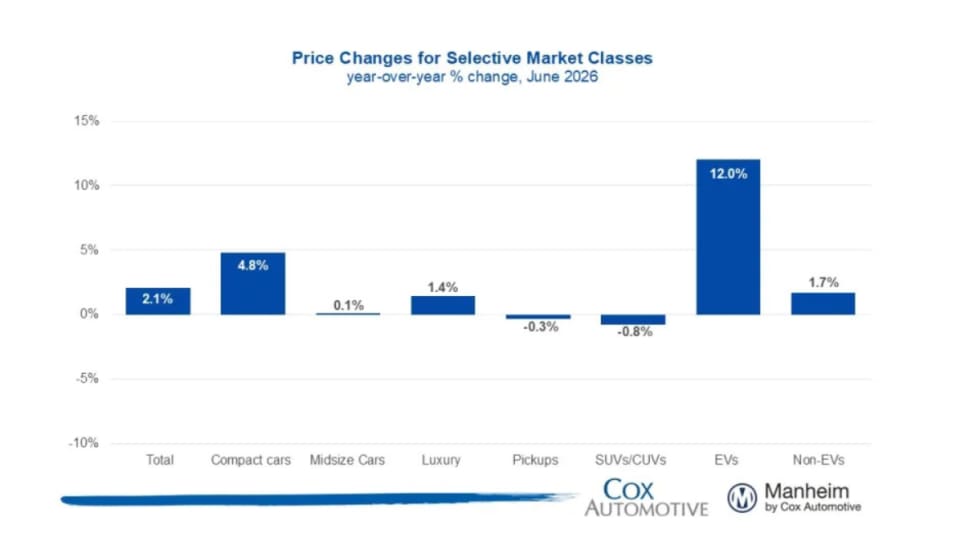
Manheim Index Shows Used-Vehicle Wholesale Prices Up 2.1% in June
The market is seeing stronger appreciation in older used vehicles this year, and the most affordable segments have been among the year’s best performers.
Read More →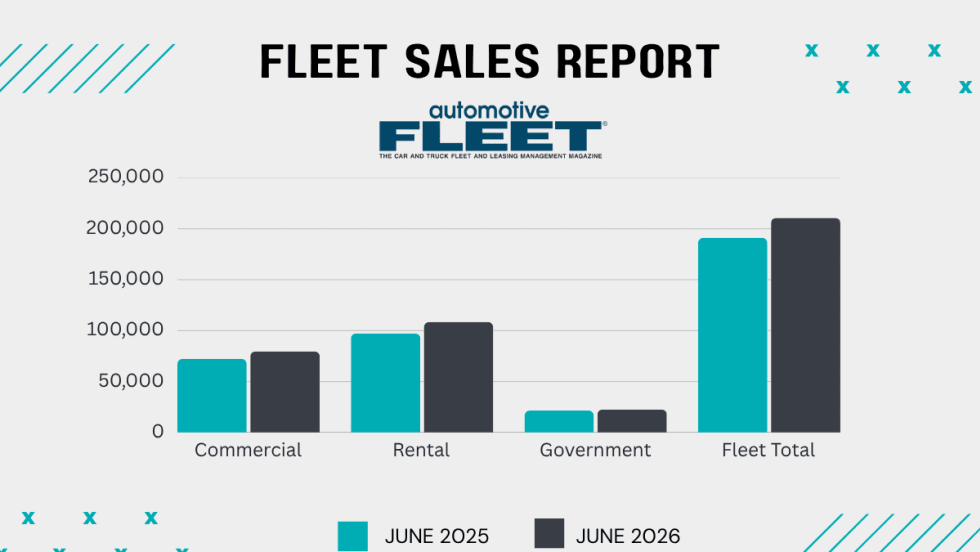
Commercial Fleet Sales Contribute To June, YTD Gains
The fleet sector has boosted its vehicle purchases at a reliable pace in the first half of this year compared with 1H 2025.
Read More →
Stop Remarketing Electric Vehicles Like Gas Cars
The advantages and attributes of electric vehicles are upending the traditional remarketing cycle, requiring fleet sellers to rely on new factors and approaches detailed below.
Read More →
AP Fleet Management Expands Remarketing Program for Commercial Work Trucks
AP Fleet Management expanded its commercial vehicle remarketing program with dedicated resale services and an online marketplace for used work trucks.
Read More →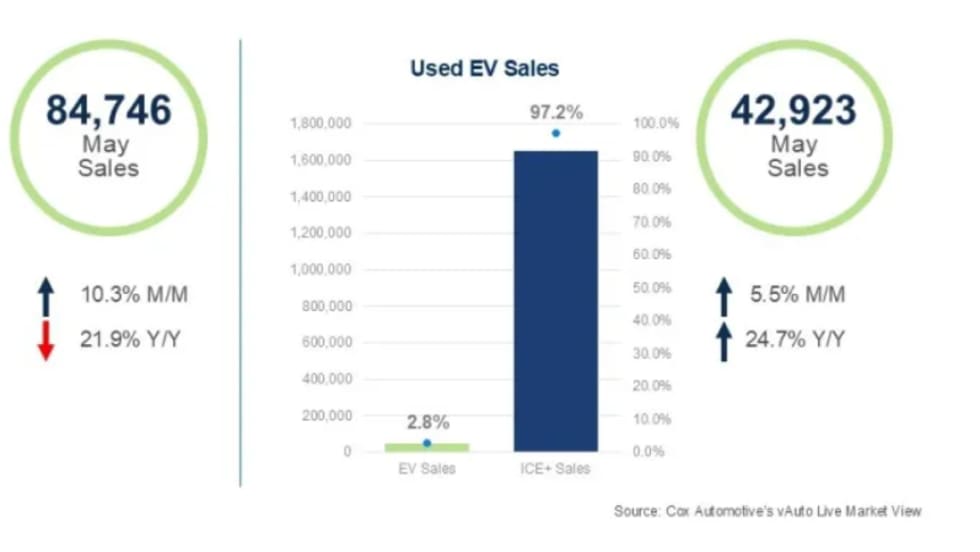
Used EVs Strengthen Overall Electric Vehicle Market
The latest sales data point to several reasons for the divergent trends in new and used EVs that can factor into fleet cycling decisions.
Read More →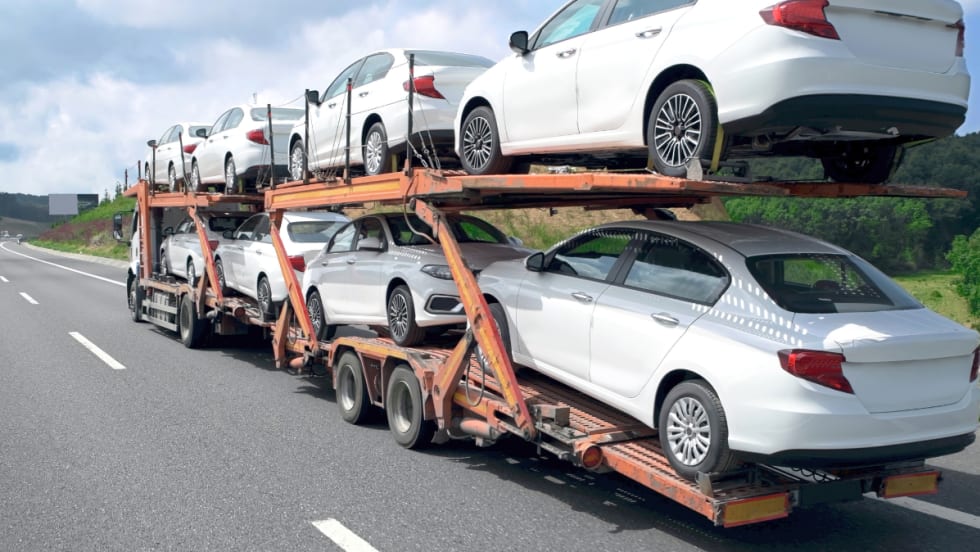
The Data-Driven Haul: 5 Ways AI is Leveling the Playing Field in Auto Transport
Large and small transport fleets are becoming more competitive as predictive analytics and real-time data inform the logistics decision chain.
Read More →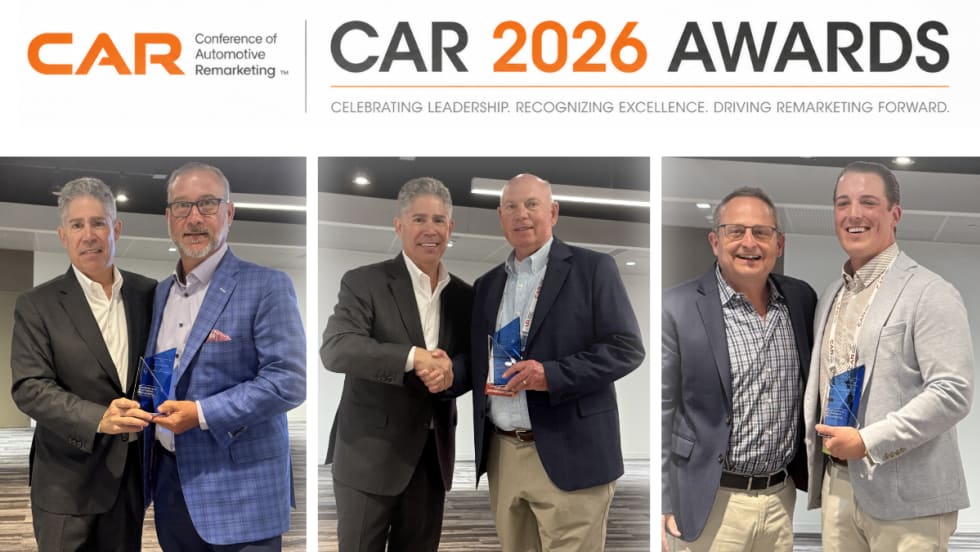
2026 CAR Awards Celebrate Industry Excellence
CAR’s annual Fleet Remarketing Awards opened a reimagined 2026 conference designed to bridge the worlds of fleet management and automotive remarketing.
Read More →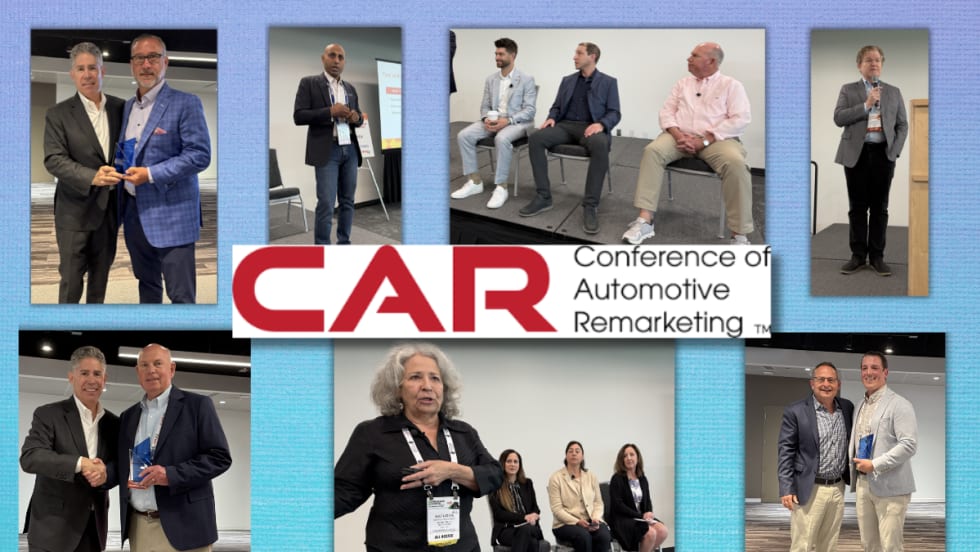
CAR 2026 Recap Part 2: Closing the Gap Between Data & Remarketing Value
The second half of CAR 2026 examined how fleets can translate lifecycle strategy, vehicle data, and market shifts into higher real-world results.
Read More →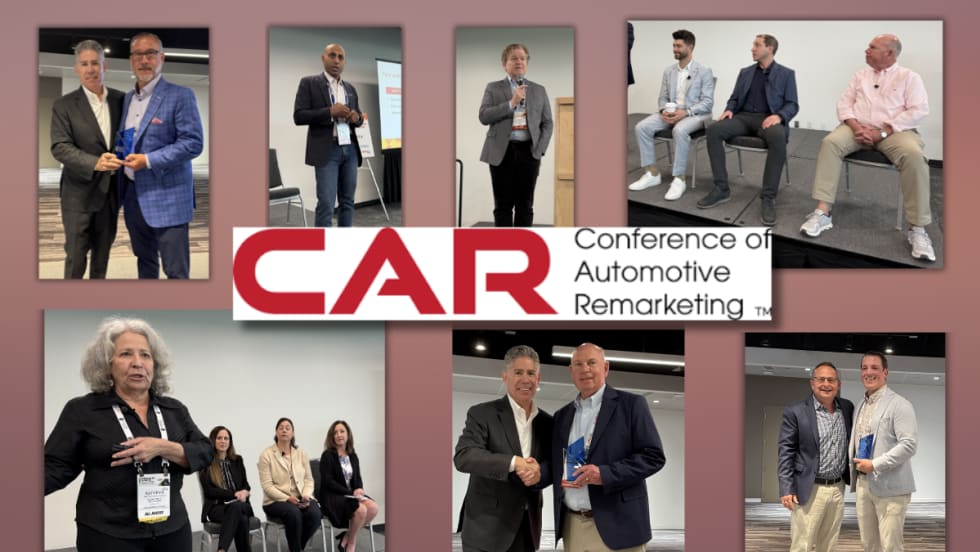
CAR2026 in Two Words: Velocity, Value (Part 1)
The 2026 Conference of Automotive Remarketing convened with a mandate to involve a new constituency — fleet managers — and an updated mission to demonstrate unrealized value in de-fleeted vehicles.
Read More →
CAR 2026: Get the Wall Street Update on the Key Players in Remarketing
From a Wall Street analyst's take on remarketing's key players to whether fleets need their own version of Carfax, CAR 2026's afternoon roundtables will answer key operational and industry questions.
Read More →