



Arkansas Enacts Mercury Switch Removal Bill
WASHINGTON, D.C. – On March 8, Arkansas Gov. Mike Huckabee signed the “Mercury Switch Removal Act of 2005.”
WASHINGTON, D.C. – On March 8, Arkansas Gov. Mike Huckabee signed the “Mercury Switch Removal Act of 2005.” This new state law establishes a program that requires mercury switches to be removed from end of life vehicles before they are crushed, or flattened, and shredded. Automobile manufacturers are made financially responsible for the removal and collection of the switches, their transportation to mercury retorters, and the recovery of the gram of mercury each switch contains.
For nearly three decades, U.S. auto manufacturers used mercury in some light switches found in autos – particularly for switches controlling lights in the trunk and under the hood. While the use of mercury in these switches was banned in 2003, more than 200 million autos containing these switches were produced between 1974 and 2003 using more than 440,000 lbs. of mercury. Last year, over 7 million vehicles containing mercury switches were “retired” from the road. Removing these mercury switches from vehicles prevents this mercury from being vaporized as the scrap metals from these vehicles is remelted and remanufactured.
“Mercury switches create a serious health concern that also threatens to disrupt the most successful recycling program in North America,” SRI President Bill Heenan said referring to steel’s recycling record, which surpasses that of all other materials.
Jeff Gearhart, of the Ecology Center said, "This program provides auto makers with a cost-effective solution to rectify a dangerous design choice they made despite the availability of a cheap, equally effective, and environmentally benign alternative."
The Arkansas bill is based on a model developed by the Partnership for Mercury Free Vehicles (PMFV), a coalition made up of organizations including the Automotive Recyclers Association, the Ecology Center, Environmental Defense, the Institute of Scrap Recycling Industries, the Steel Recycling Institute, and the Steel Manufacturers Association. As in this new law, the PMFV’s model legislation requires automakers to take responsibility – including financial – for the safe removal for mercury containing light switches from end-of-life vehicles, prior to being shredded and recycled into new products.
Under the new Arkansas law, automakers must pay $5 for each switch removed and additional $1 per switch to the Arkansas Department of Environmental Protection for oversight of the program. The bill passed the Arkansas legislature with an overwhelming bi-partisan vote – only one member having voted against the bill. This legislation will also become the first law in the nation that requires auto manufacturers to report on steps taken to design vehicles and their components for recycling.
The “Design For Recycling” provision in the bill is based on the same concept as the federal “Community Right To Know” program, which requires persons who store hazardous or toxic materials to disclose them, their amounts, concentrations, and locations. Under the new Arkansas statute, auto manufacturers must report to the Arkansas Department of Environmental Quality:
A listing of all parts that contain mercury and design changes that have occurred to reduce mercury;
Policies implemented to insure that vehicles are designed to be recycled in a safe, cost-effective, and environmentally sound manner;
A listing of all complaints and reports received by manufacturers within the past 12 months from vehicle recyclers, scrap recycling facilities, and government entities;
Any facts and circumstances about which the manufacturers are aware that their vehicles contain components or are designed in such a way that present environmental risks that make it uneconomical to recycle the vehicles or components; and
Design or manufacturing changes a manufacturer has implemented or is implementing to reduce or remove any environmental risks and the year in which design changes will eliminate the risk.
The new Arkansas law is seen as a major step forward by the Institute of Scrap Recycling Industries, Inc. (ISRI), which is a founding member of the Partnership for Mercury Free Vehicles, which has been advocating for such legislation since 2001. For nearly 20 years, ISRI has been advocating Design for Recycling, a program that promotes the design and manufacture of goods that, at the end of their useful lives, can be recycled safely and efficiently. It is an essential element in preproduction planning for safe and efficient recycling by the elimination of hazardous and nonrecyclable materials from the production process.
“Including a Design For Recycling provision in the Arkansas mercury switch removal bill will provide the public with information about how serious auto manufacturers are about designing their products to increase their recyclability and to protect our environment to the maximum extent practicable. Now, consumers can make purchases based on this information,” said Robin Wiener, president of the Institute of Scrap Recycling Industries.
Similar mercury switch removal legislation has been passed by the New Jersey legislature with the bill awaiting the Governor’s signature. Other states, including Washington, Illinois, Pennsylvania, Connecticut, Rhode Island, and Massachusetts are considering mercury switch removal bills.
More Operations
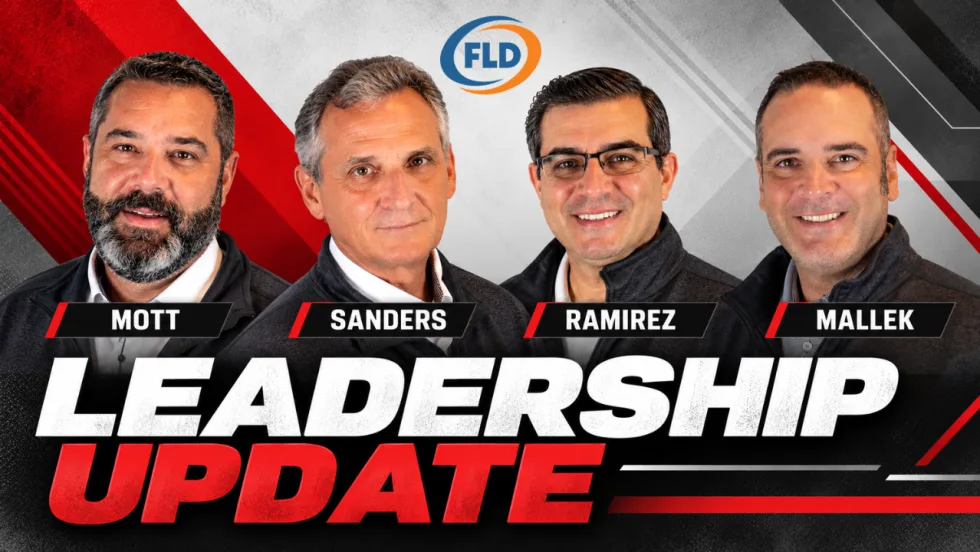
FLD Promotes Three Executives in Leadership Changes
FLD has promoted three longtime executives, naming Gary Mott CEO, Richard Mallek president, and Ron Sanders managing partner.
Read More →
CAS Automotive Launches Remarketing Service for Damaged, Surplus Equipment
Damaged Equipment expands CAS Automotive’s vehicle remarketing model to commercial equipment, targeting fleet operators, insurers, equipment dealers, and rental companies.
Read More →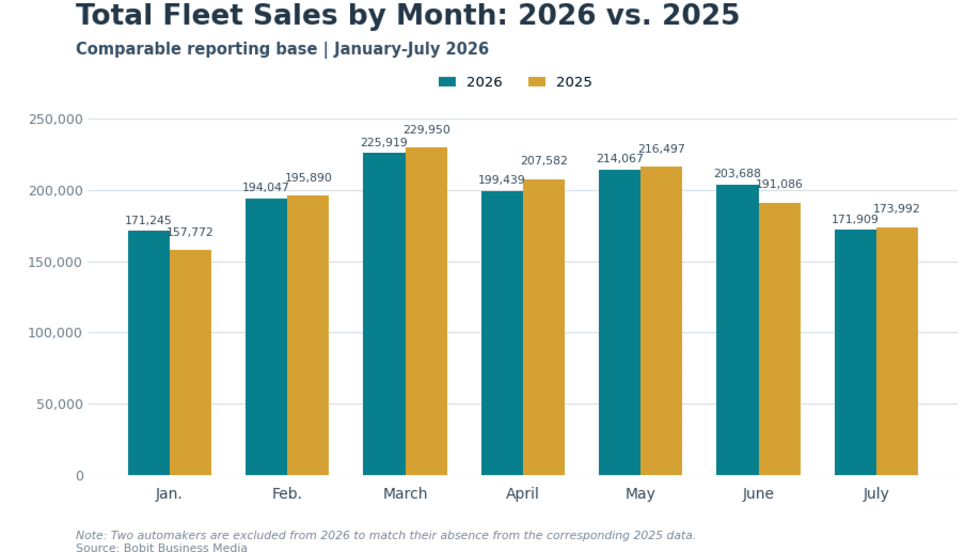
Fleet Sales Hold Steady as Commercial Gains Offset Rental Decline
Commercial and government fleet sales increased through July 2026, offsetting most of the decline in rental volume and leaving combined comparable fleet sales 0.5% above the same period last year.
Read More →
Personnel Update: BrickHouse GPS, PRO-VISION, Auto Driveaway, and Proaction
Check out the latest must-know fleet personnel updates from the last couple of months.
Read More →
What Comes Next for Auto Driveaway?
A new Auto Driveaway feature called Arrive provides recipients with live location updates and ETAs during the final hour of a vehicle move, while fleet customers continue to have end-to-end shipment visibility through the company's customer portal.
Read More →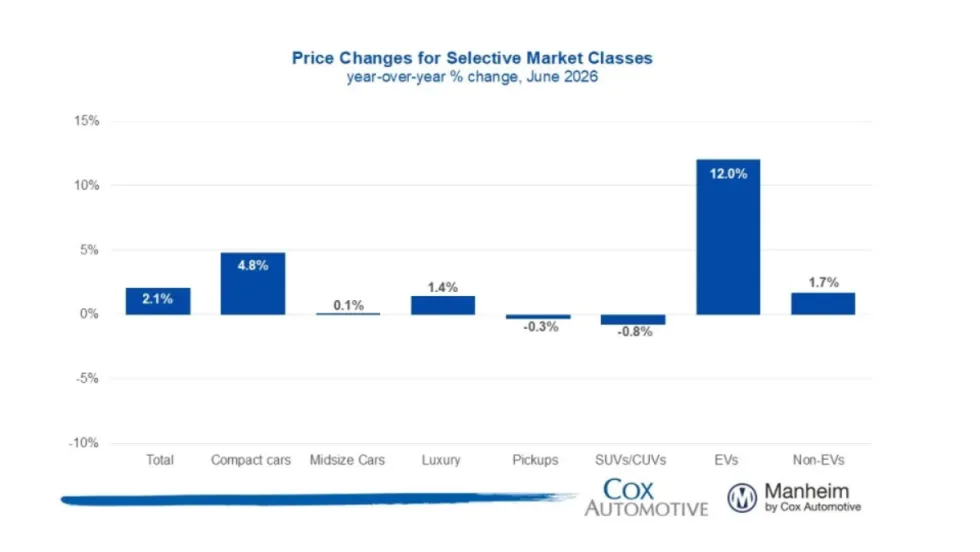
Manheim Index Shows Used-Vehicle Wholesale Prices Up 2.1% in June
The market is seeing stronger appreciation in older used vehicles this year, and the most affordable segments have been among the year’s best performers.
Read More →
Commercial Fleet Sales Contribute To June, YTD Gains
The fleet sector has boosted its vehicle purchases at a reliable pace in the first half of this year compared with 1H 2025.
Read More →
Stop Remarketing Electric Vehicles Like Gas Cars
The advantages and attributes of electric vehicles are upending the traditional remarketing cycle, requiring fleet sellers to rely on new factors and approaches detailed below.
Read More →
AP Fleet Management Expands Remarketing Program for Commercial Work Trucks
AP Fleet Management expanded its commercial vehicle remarketing program with dedicated resale services and an online marketplace for used work trucks.
Read More →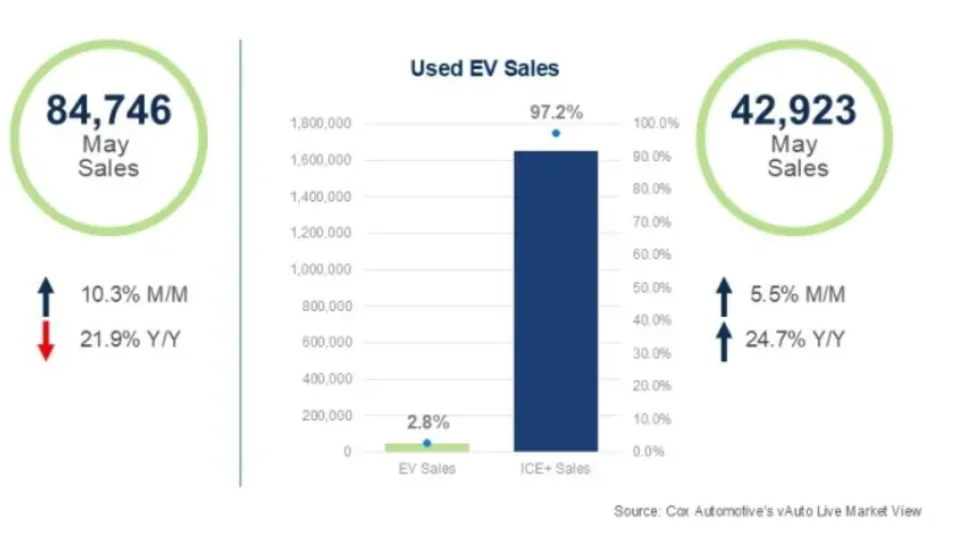
Used EVs Strengthen Overall Electric Vehicle Market
The latest sales data point to several reasons for the divergent trends in new and used EVs that can factor into fleet cycling decisions.
Read More →