



Agencies Conduct Used Car Rule Compliance Sweep of Dealers
The Federal Trade Commission, working jointly with 12 partner agencies in seven states, conducted the first compliance sweep of car dealerships since its amended Used Car Rule took effect earlier this year, the regulator announced.
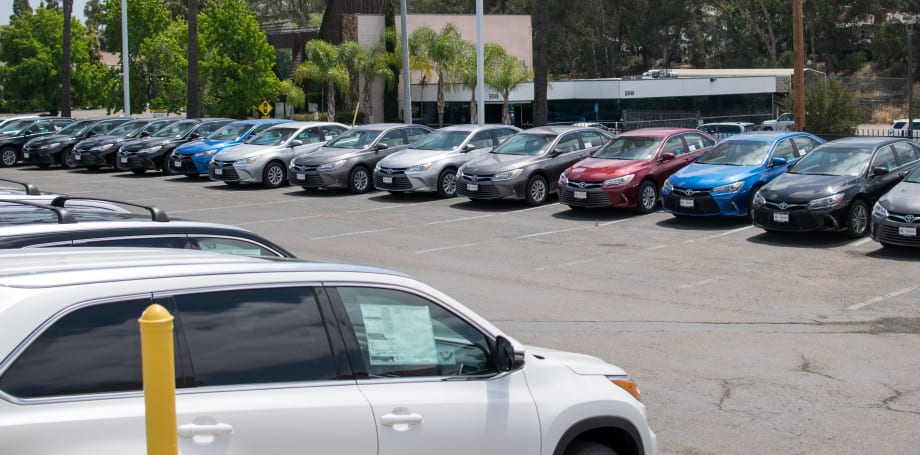
The sweep was conducted in 20 cities nationwide between April and June 2018. According to the FTC, inspectors found Buyers Guides on 70% of the more than 2,300 vehicles inspected.
Photo: Eric Gandarilla
The Federal Trade Commission, working jointly with 12 partner agencies in seven states, conducted the first compliance sweep of car dealerships since its amended Used Car Rule took effect earlier this year, the regulator announced today.
The sweep was conducted in 20 cities nationwide between April and June 2018. According to the FTC, inspectors found Buyers Guides on 70% of the more than 2,300 vehicles inspected, with almost half of those displaying the revised Buyers Guide. Of the 94 dealerships inspected, 33 had the revised Buyers Guide on more than half of their inventory, and 14 had revised Buyers Guides on all of their used cars.
“Why check things out now? Well, dealers were required to start using the new version of the guide on January 28, 2018,” wrote Colleen Tressler, a consumer education specialist for the FTC, wrote in a blog posted today on the regulator’s website. “And here’s what we found. Of the more than 2,325 vehicles inspected, almost half had the revised Buyers Guide. Dealers not displaying the revised guide received letters warning them to bring their dealerships into compliance.”
Under the amended Used Car Rule, which took effect on Jan. 28, 2018, dealers must display a revised window sticker, or Buyers Guide, on each used car they offer for sale. The revised guide changes the description of an “As Is” sale, places boxes on the face of the guide dealer can check to indicate whether a vehicle is covered by a third-party warranty and whether a service contract may be available, and adds airbags and catalytic converters to the Buyers Guide’s list of major defects that may occur in used vehicles, among other changes.
Dealers who fail to comply face penalties of up to $41,484 per violation. State and local law enforcement agencies also enforce the recently amended rule.
Over the coming weeks, according to the FTC, dealerships that were not displaying the revised Buyers guide can expect follow-up inspections to ensure they have brought themselves into compliance with the amended rule.
The FTC, along with its partner agencies, inspected dealership in the following areas: 1) Burbank, North Hollywood, Richmond, San Bruno, San Jose, San Pablo, and Van Nuys, California; 2) Jacksonville, Florida; 3) Chicago, Illinois; 4) New York, New York (Queens); 5) Brooklyn Heights, Cleveland, East Cleveland, and Cleveland Heights, Ohio; 6) Arlington, Dallas, and Grand Prairie, Texas; and 7) Lakewood, Puyallup, and Tacoma, Washington.
Agencies involved include the California Department of Motor Vehicles Inspection Division; district attorney’s offices in Contra Costa County, Los Angeles County, Santa Clara County, San Mateo, Calif.; the Florida Bureau of Dealer Services; the Cuyahoga, Ohio, County Department of Consumer Affairs; the Ohio Bureau of Motor Vehicles; the City of Chicago Department of Business Affairs and Consumer Protection; the New York City Department of Consumer Affairs; the Texas Department of Motor Vehicles; and the Washington State Office of the Attorney General.
Editor's note: This news story first appeared on F&I Showroom, a companion publication.
Related: Hyundai, Lexus Offer Top CPO Programs
More Operations

CAS Automotive Launches Remarketing Service for Damaged, Surplus Equipment
Damaged Equipment expands CAS Automotive’s vehicle remarketing model to commercial equipment, targeting fleet operators, insurers, equipment dealers, and rental companies.
Read More →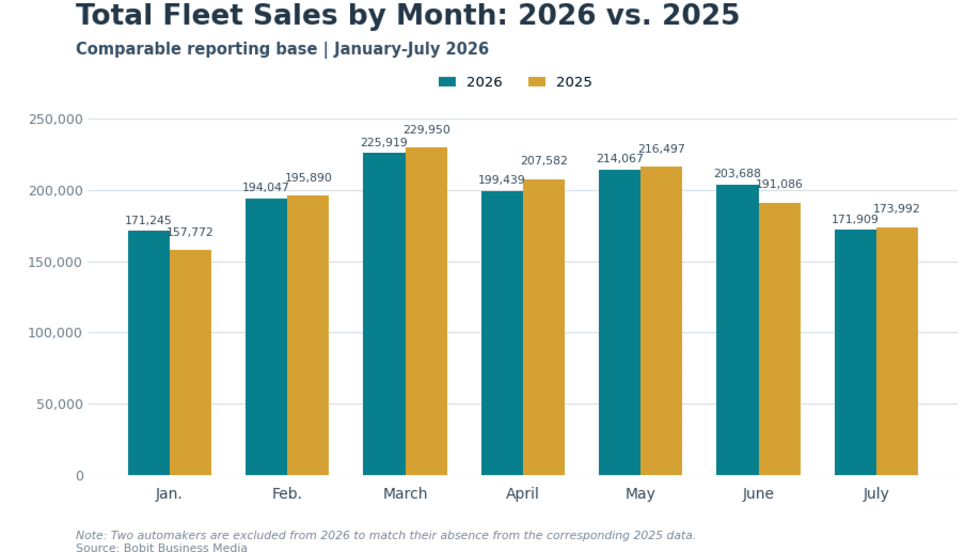
Fleet Sales Hold Steady as Commercial Gains Offset Rental Decline
Commercial and government fleet sales increased through July 2026, offsetting most of the decline in rental volume and leaving combined comparable fleet sales 0.5% above the same period last year.
Read More →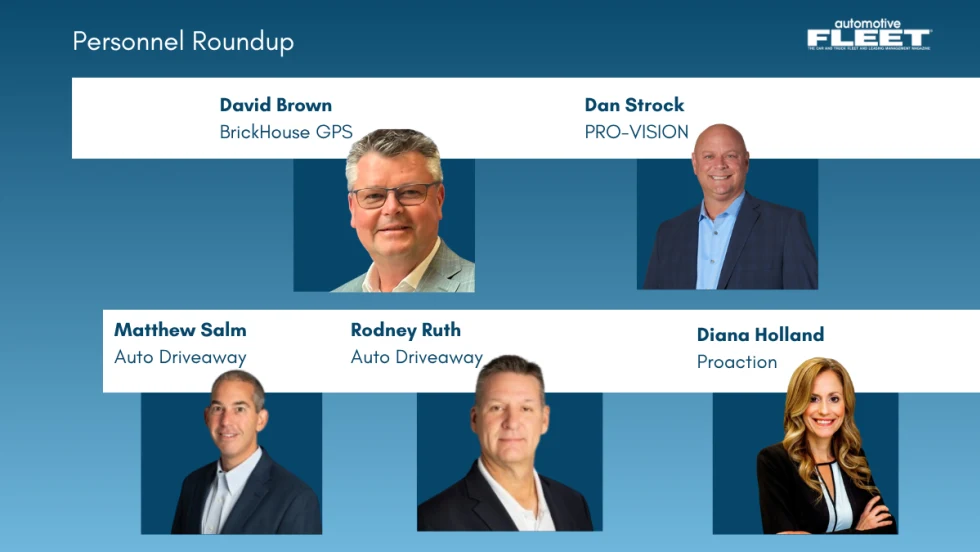
Personnel Update: BrickHouse GPS, PRO-VISION, Auto Driveaway, and Proaction
Check out the latest must-know fleet personnel updates from the last couple of months.
Read More →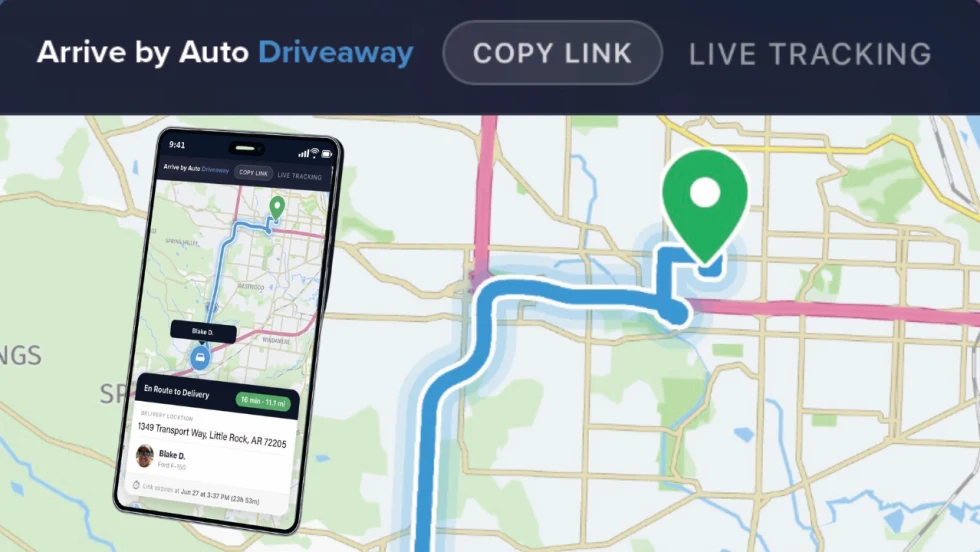
What Comes Next for Auto Driveaway?
A new Auto Driveaway feature called Arrive provides recipients with live location updates and ETAs during the final hour of a vehicle move, while fleet customers continue to have end-to-end shipment visibility through the company's customer portal.
Read More →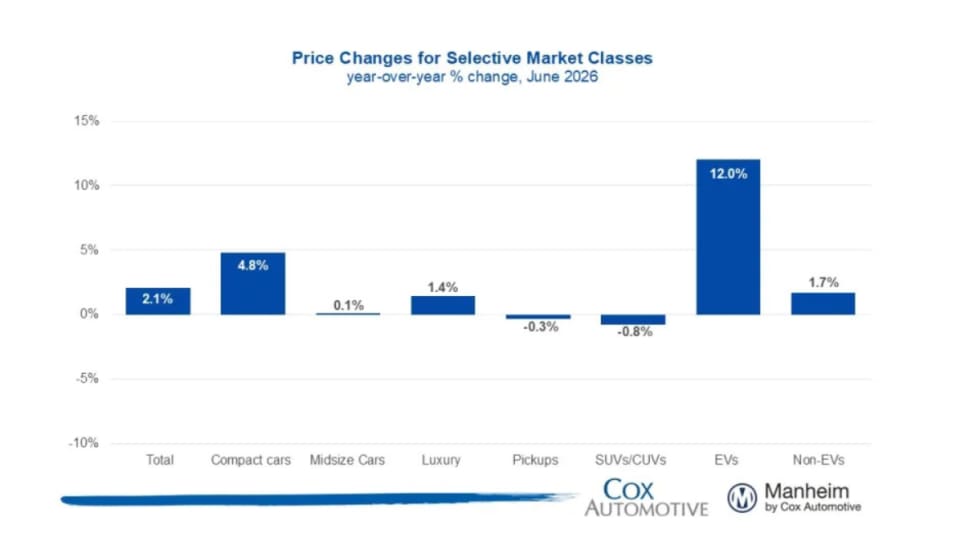
Manheim Index Shows Used-Vehicle Wholesale Prices Up 2.1% in June
The market is seeing stronger appreciation in older used vehicles this year, and the most affordable segments have been among the year’s best performers.
Read More →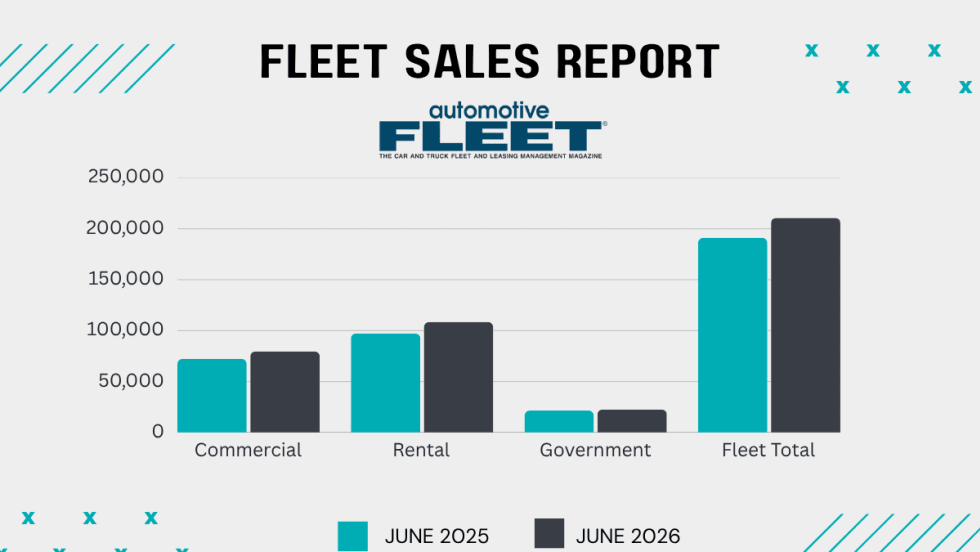
Commercial Fleet Sales Contribute To June, YTD Gains
The fleet sector has boosted its vehicle purchases at a reliable pace in the first half of this year compared with 1H 2025.
Read More →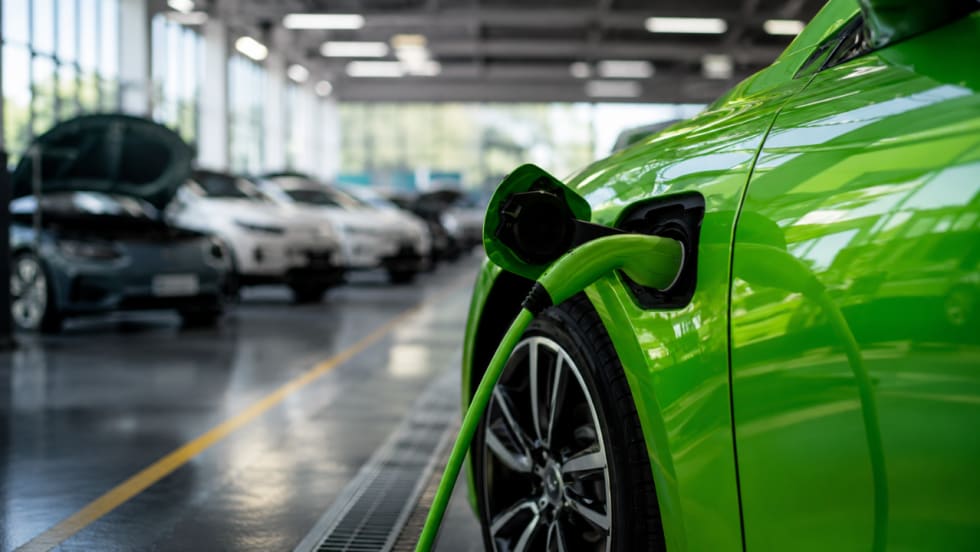
Stop Remarketing Electric Vehicles Like Gas Cars
The advantages and attributes of electric vehicles are upending the traditional remarketing cycle, requiring fleet sellers to rely on new factors and approaches detailed below.
Read More →
AP Fleet Management Expands Remarketing Program for Commercial Work Trucks
AP Fleet Management expanded its commercial vehicle remarketing program with dedicated resale services and an online marketplace for used work trucks.
Read More →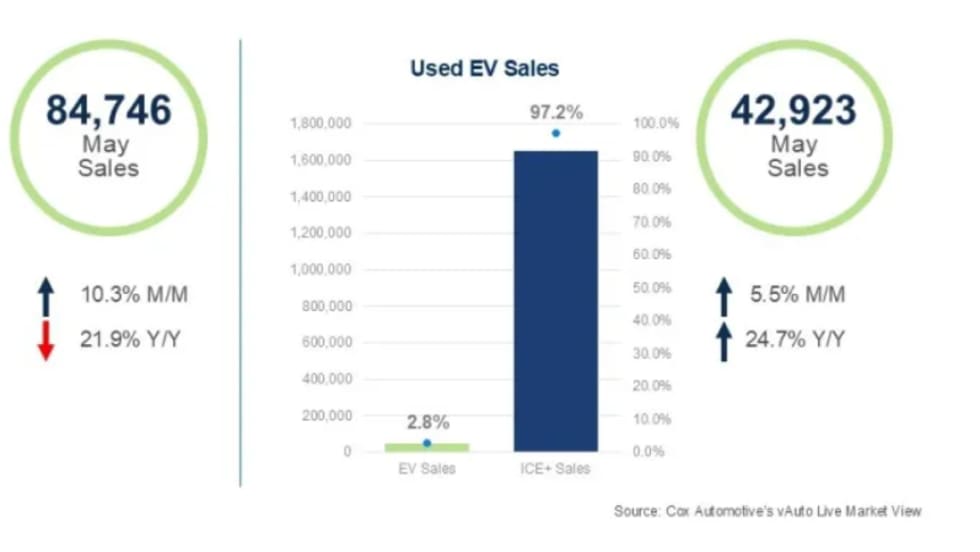
Used EVs Strengthen Overall Electric Vehicle Market
The latest sales data point to several reasons for the divergent trends in new and used EVs that can factor into fleet cycling decisions.
Read More →
The Data-Driven Haul: 5 Ways AI is Leveling the Playing Field in Auto Transport
Large and small transport fleets are becoming more competitive as predictive analytics and real-time data inform the logistics decision chain.
Read More →