



ADESA: Economic Slowdown Impacting Wholesale Resale Prices
CARMEL, IN – A slowing economy and weak retail demand combined late last year to cause a year-over-year decline in wholesale vehicle prices in the last two months of 2006.
CARMEL, IN – A slowing economy and weak retail demand combined late last year to cause a year-over-year decline in wholesale vehicle prices in the last two months of 2006, according to the latest issue of Pulse, released by ADESA Analytical Services. The report, which provides a periodic review of economic indicators in the vehicle-remarketing industry, also notes that employee discounts widely available in 2005 also impacted the current vehicle marketplace in several ways.
According to Tom Kontos, vice president of ADESA Analytical Services, “The big story of 2006 in my mind is the weakness of retail used-vehicle sales, which were the lowest we’ve seen in the new millennium. Some of this is due to the maturation of the economic expansion, which is now more than five years old. However, it’s also important to note that broad employee discounting in 2005 may have brought forward used-vehicle sales that otherwise would have occurred in 2006.
“Regardless of the cause,” said Kontos, “the loss of more than 2.6 million units of retail used-vehicle sales in 2006 dampened demand and led to gradually declining wholesale prices. I expect this softness to continue into 2007 unless and until used vehicle sales are triggered by greater dealer discounting, ample tax refunds and more solid economic growth.”
Other key findings detailed in Pulse include:
Economic growth rates for the first part of 2007 are expected to be around an annual rate of 2 percent, driven in part by a slow housing market.
New-vehicle inventories rose at year-end 2006, but were below year-ago levels, which bodes well for continued relative stability in new-vehicle incentives.
Retail sales of new vehicles have slowed in part due to higher interest rates and a slowing economy. Sales are expected to be flat to slightly down in 2007.
Despite dealer discounting, retail used-vehicle sales were lower throughout most of 2006, especially in light of the absence of trade-ins generated from stronger new-vehicle sales in 2005.
Higher interest rates and greater lease subvention led to higher lease penetration and growth in lease origination volume in 2006 despite lower new-vehicle sales.
In the wholesale used-vehicle market, there was a substantial amount of month-to-month volatility in prices by model class, driven in large part by gas prices and changes in economic growth rates. Weather was a major factor in the drop in gas prices in 2006, considering the absence of hurricanes and a milder winter.
Volumes at auction were up on a year-on-year basis throughout much of the year and for most consignors, ending the year up by an estimated quarter-million units in 2006.
New-vehicle sales of commercial fleet vehicles rose by more than 50,000 units in 2006. About half of this growth was offset by declines in rental fleet sales. These vehicles will contribute to auction supply over the next 36 months.
ADESA Analytical Services publishes the annual report, Global Vehicle Remarketing and the periodic Pulse report. The latest edition of Pulse contains 60 pages of almost 50 graphs on everything from GDP to SUVs. The publications cover the $82 billion vehicle-remarketing industry and the $375 billion used-vehicle market in the U.S. and Canada.
More Operations
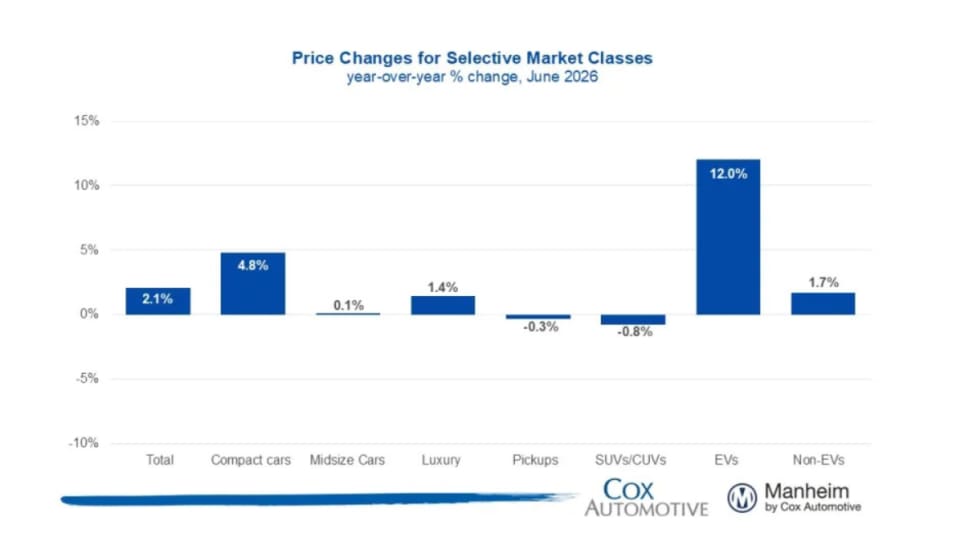
Manheim Index Shows Used-Vehicle Wholesale Prices Up 2.1% in June
The market is seeing stronger appreciation in older used vehicles this year, and the most affordable segments have been among the year’s best performers.
Read More →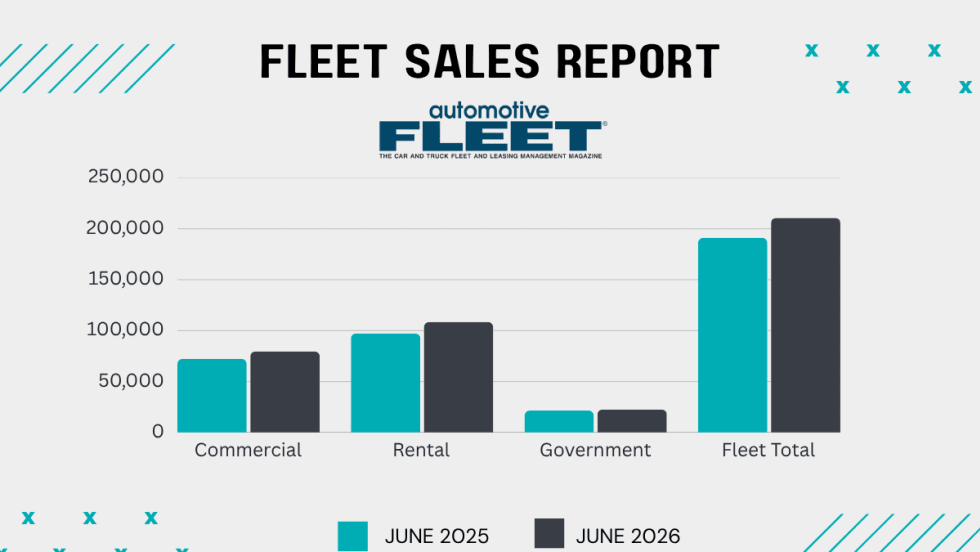
Commercial Fleet Sales Contribute To June, YTD Gains
The fleet sector has boosted its vehicle purchases at a reliable pace in the first half of this year compared with 1H 2025.
Read More →
Stop Remarketing Electric Vehicles Like Gas Cars
The advantages and attributes of electric vehicles are upending the traditional remarketing cycle, requiring fleet sellers to rely on new factors and approaches detailed below.
Read More →
AP Fleet Management Expands Remarketing Program for Commercial Work Trucks
AP Fleet Management expanded its commercial vehicle remarketing program with dedicated resale services and an online marketplace for used work trucks.
Read More →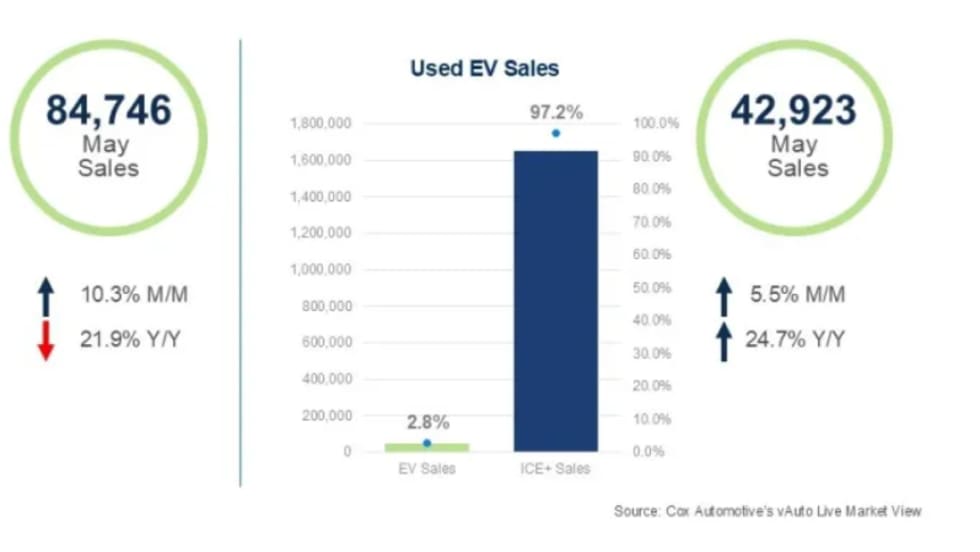
Used EVs Strengthen Overall Electric Vehicle Market
The latest sales data point to several reasons for the divergent trends in new and used EVs that can factor into fleet cycling decisions.
Read More →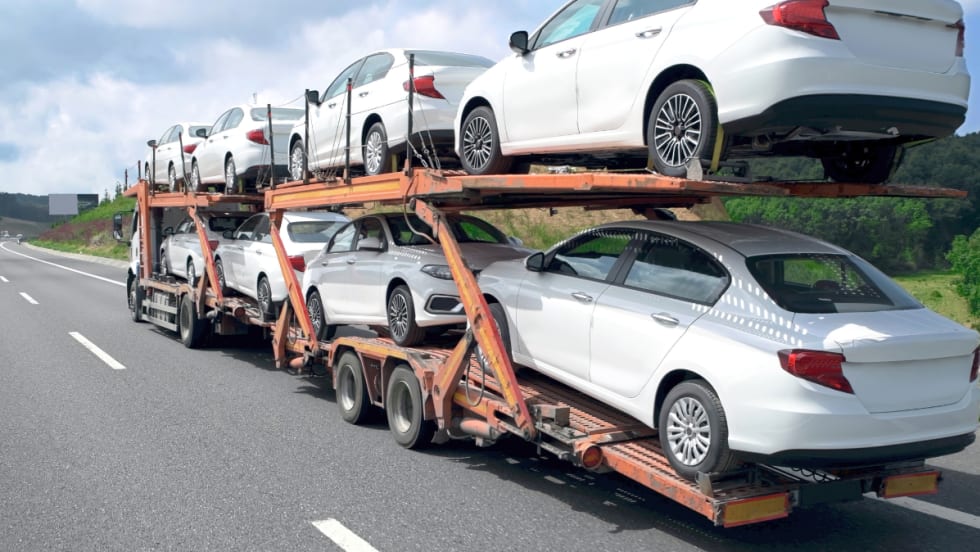
The Data-Driven Haul: 5 Ways AI is Leveling the Playing Field in Auto Transport
Large and small transport fleets are becoming more competitive as predictive analytics and real-time data inform the logistics decision chain.
Read More →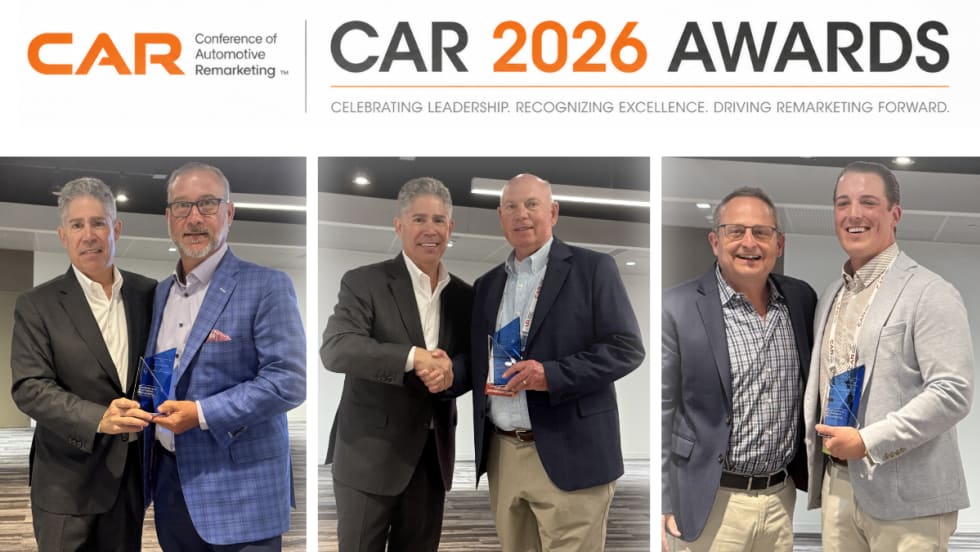
2026 CAR Awards Celebrate Industry Excellence
CAR’s annual Fleet Remarketing Awards opened a reimagined 2026 conference designed to bridge the worlds of fleet management and automotive remarketing.
Read More →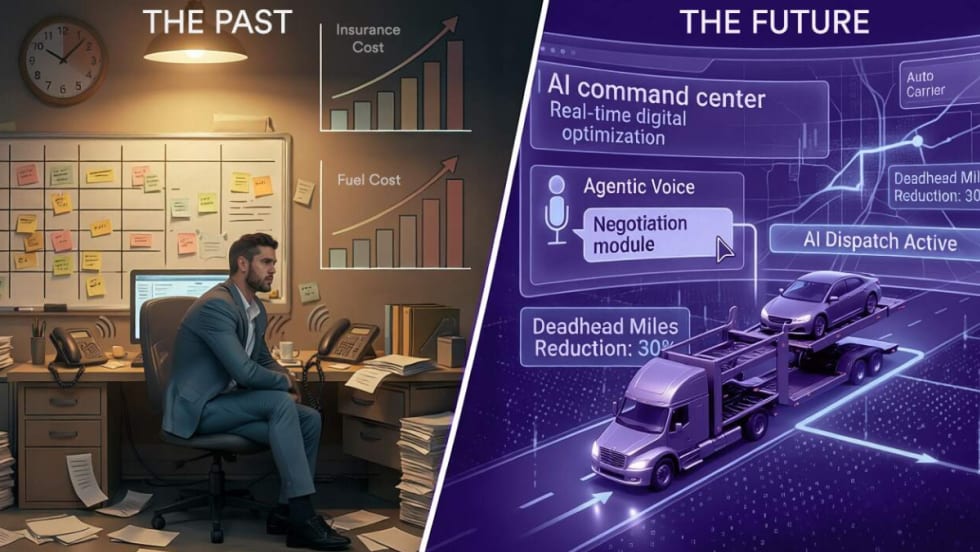
The Predictive Pivot: How AI and Data Are Redefining Auto Logistics in 2026
AI is no longer a luxury but the baseline for profitability in 2026. Auto haulers that adopt these tools now will quickly outpace those using manual workflows and taking a wait-and-see approach.
Read More →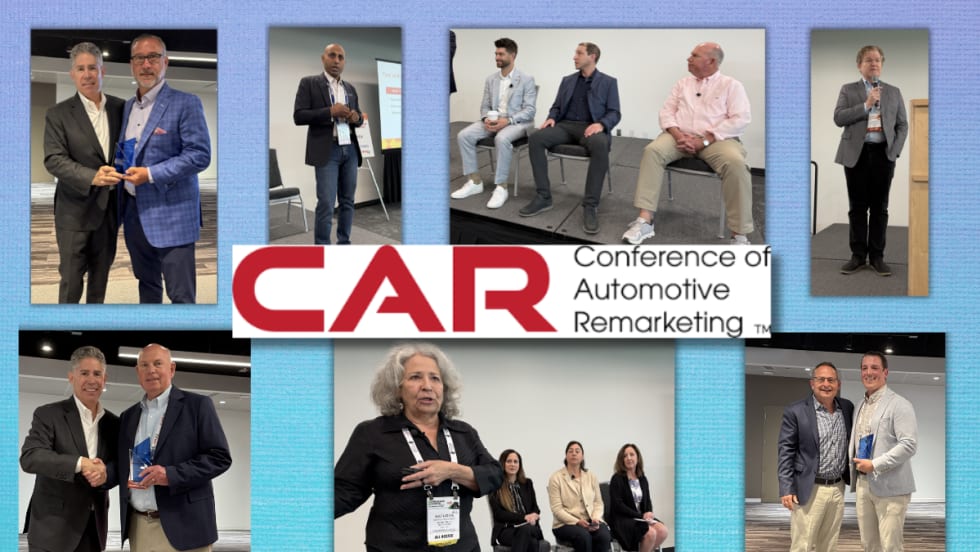
CAR 2026 Recap Part 2: Closing the Gap Between Data & Remarketing Value
The second half of CAR 2026 examined how fleets can translate lifecycle strategy, vehicle data, and market shifts into higher real-world results.
Read More →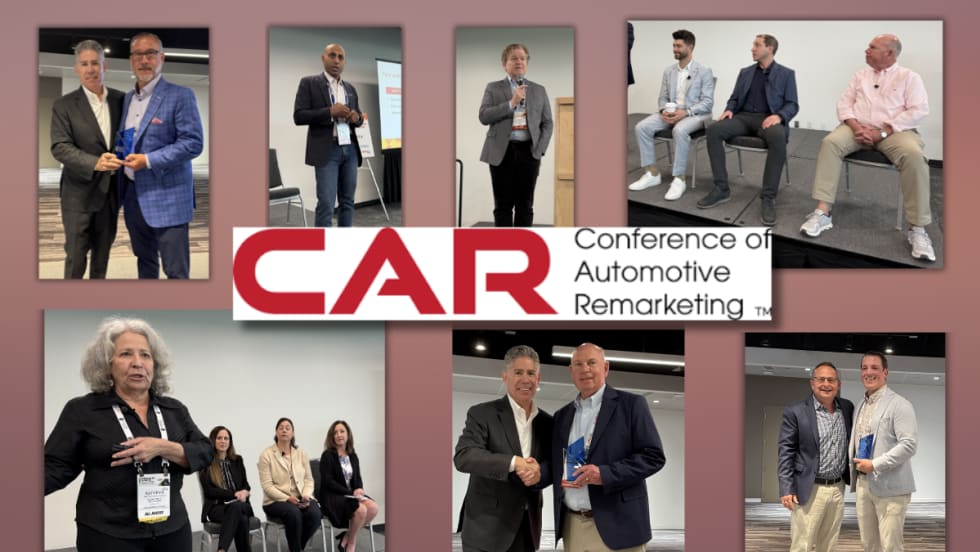
CAR2026 in Two Words: Velocity, Value (Part 1)
The 2026 Conference of Automotive Remarketing convened with a mandate to involve a new constituency — fleet managers — and an updated mission to demonstrate unrealized value in de-fleeted vehicles.
Read More →