



ADESA Discusses Current Used-Vehicle Market Conditions and Outlook
CARMEL, IN - Wholesale used-vehicle price growth appeared to moderate in April, as retail used-vehicle prices are reaching levels where they become less attractive relative to prices of new vehicles.
CARMEL, IN - Wholesale used-vehicle price growth appeared to moderate in April, as retail used-vehicle prices are reaching levels where they become less attractive relative to prices of new vehicles, according to ADESA Analytical Services calculations using the most recent Federal Reserve Board data. The average retail price of a used vehicle represented 58 percent of the average new vehicle price in February.
According to ADESA, a rule of thumb is that when the average retail used vehicle sales price exceeds 60 percent of the average new vehicle sales price, a portion of used vehicle demand tends to be “cannibalized” by new vehicle sales. With wholesale prices growing 4 percent in March (see last month’s commentary) and 0.3 percent in April, it is possible that the 60 percent used-versus-new retail price ratio has now been surpassed.
Evidence for this is that retail sales of used vehicles by franchised dealers (i.e., dealers who sell both new and used vehicles) were down 4.2 percent on a year-over-year basis in April, while new vehicle sales were up nearly 20 percent. On the other hand, independent dealers (i.e., dealers who only sell used vehicles) registered a year-on-year sales increase in April, indicating that shoppers who can only afford used vehicles are still plentiful. Moreover, tight supplies of used vehicles and the budding economic recovery continue to create upward pressure on wholesale prices, as dealers bid aggressively in-lane and online for needed inventory.
Dealers are being aided in their efforts to achieve quick inventory turn and respectable grosses despite higher wholesale prices and tight used vehicle supply by using efficient wholesale and retail tools. These tools include online run lists and inventory management software that allow dealers to employ just-in-time inventory practices.
According to ADESA Analytical Services’ monthly analysis of Wholesale Used Vehicle Prices by Vehicle Model Class, wholesale used vehicle prices in April averaged $10,579 – up 0.3 percent from March and 7.5 percent versus prior year. Full-size vans and full-size cars, respectively, recorded the biggest year-over-year price gains and losses, but these segments are small and can often have volatile average price swings based on variations in such things as seller type and vehicle condition. Prices for most segments are moving with the overall market, although mini and full-size SUV prices did take a bit of a hit in April -- perhaps due to rising gas prices over the last couple of months. Minivans registered above-average price gains during the month.
Prices were up for all seller types. Manufacturers registered a 0.7 percent month-over-month price increase and a 14.1 percent year-over-year rise; fleet/lease consignors experienced a 1.1-percent sequential price increase and a 12.4% annual increase; and dealers saw a 0.6-percent average price increase versus March and a 13.4-percent uptick versus April 2009.
ADESA Analytical Services estimates that auction industry inventory levels stood at 31 days at month-end compared to 40 days last April – continuing to indicate tight supply and high auction throughput.
Based on data from CNW Marketing/Research, retail used vehicle sales in April were down 4.2 percent year-over-year for franchised dealers, but up 3.8 percent for independent dealers, leaving total retail volume down a modest 0.5 percent. On a month-over-month basis, retail sales of used vehicles were up for both franchised (up 39 percent) and independent (up 35 percent) dealers. The consumer price index for used vehicles rose by 16.3 percent year-over-year in March (latest available) based on data from the Bureau of Labor Statistics.
More Operations

FLD Promotes Three Executives in Leadership Changes
FLD has promoted three longtime executives, naming Gary Mott CEO, Richard Mallek president, and Ron Sanders managing partner.
Read More →
CAS Automotive Launches Remarketing Service for Damaged, Surplus Equipment
Damaged Equipment expands CAS Automotive’s vehicle remarketing model to commercial equipment, targeting fleet operators, insurers, equipment dealers, and rental companies.
Read More →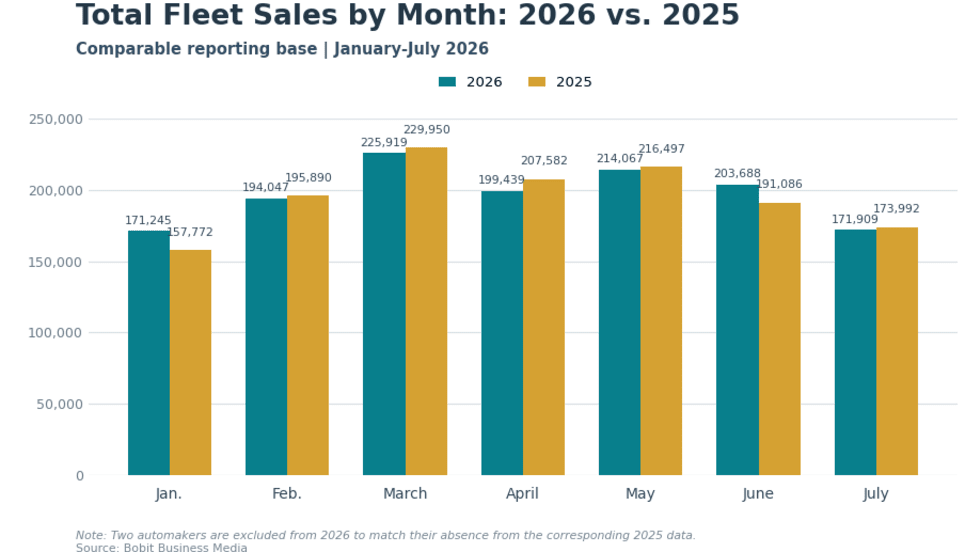
Fleet Sales Hold Steady as Commercial Gains Offset Rental Decline
Commercial and government fleet sales increased through July 2026, offsetting most of the decline in rental volume and leaving combined comparable fleet sales 0.5% above the same period last year.
Read More →
Personnel Update: BrickHouse GPS, PRO-VISION, Auto Driveaway, and Proaction
Check out the latest must-know fleet personnel updates from the last couple of months.
Read More →
What Comes Next for Auto Driveaway?
A new Auto Driveaway feature called Arrive provides recipients with live location updates and ETAs during the final hour of a vehicle move, while fleet customers continue to have end-to-end shipment visibility through the company's customer portal.
Read More →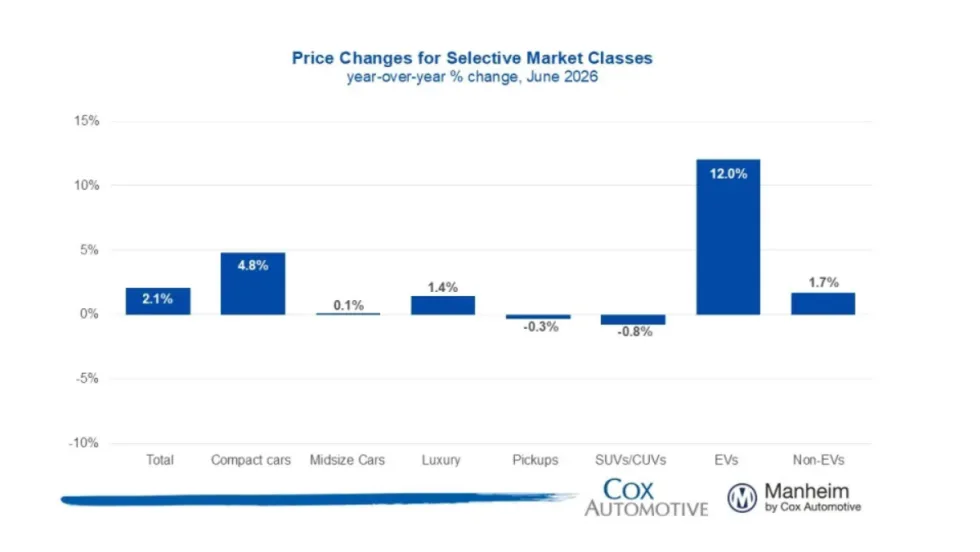
Manheim Index Shows Used-Vehicle Wholesale Prices Up 2.1% in June
The market is seeing stronger appreciation in older used vehicles this year, and the most affordable segments have been among the year’s best performers.
Read More →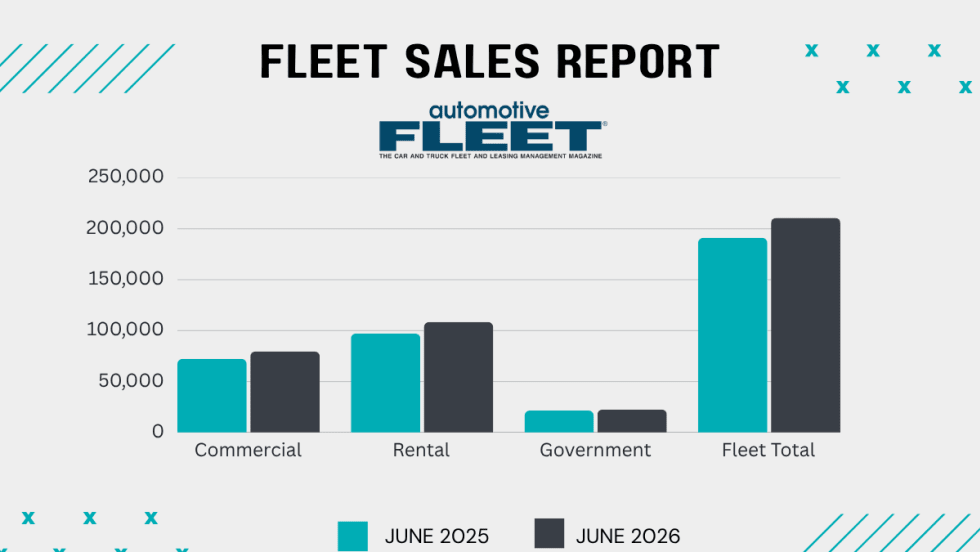
Commercial Fleet Sales Contribute To June, YTD Gains
The fleet sector has boosted its vehicle purchases at a reliable pace in the first half of this year compared with 1H 2025.
Read More →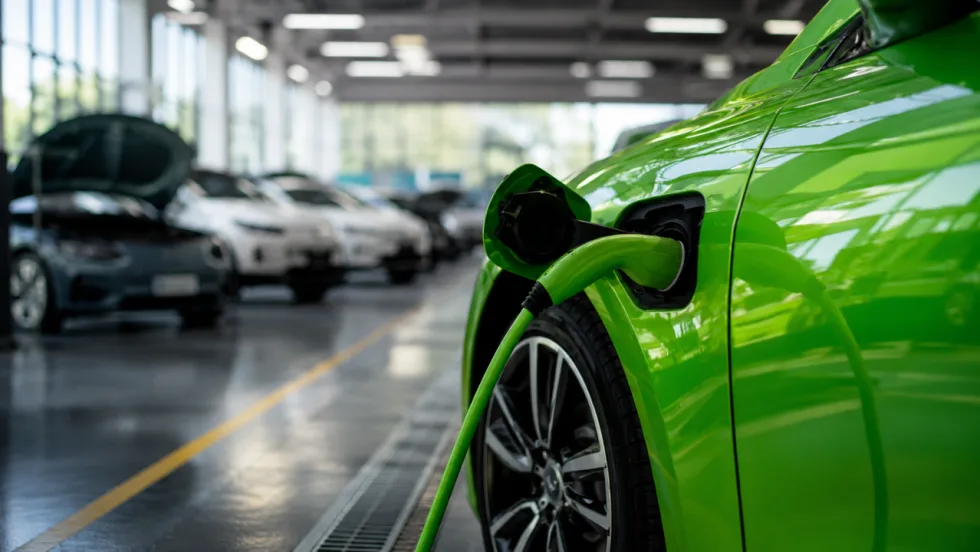
Stop Remarketing Electric Vehicles Like Gas Cars
The advantages and attributes of electric vehicles are upending the traditional remarketing cycle, requiring fleet sellers to rely on new factors and approaches detailed below.
Read More →
AP Fleet Management Expands Remarketing Program for Commercial Work Trucks
AP Fleet Management expanded its commercial vehicle remarketing program with dedicated resale services and an online marketplace for used work trucks.
Read More →
Used EVs Strengthen Overall Electric Vehicle Market
The latest sales data point to several reasons for the divergent trends in new and used EVs that can factor into fleet cycling decisions.
Read More →