



10 Takeaways from 2Q U.S. Auto Sales
Cox Automotive Analysis: Fleet sales are still stuck in first gear, estimated to have increased by only 5% year over year but remain down by more than 40% from 2019.

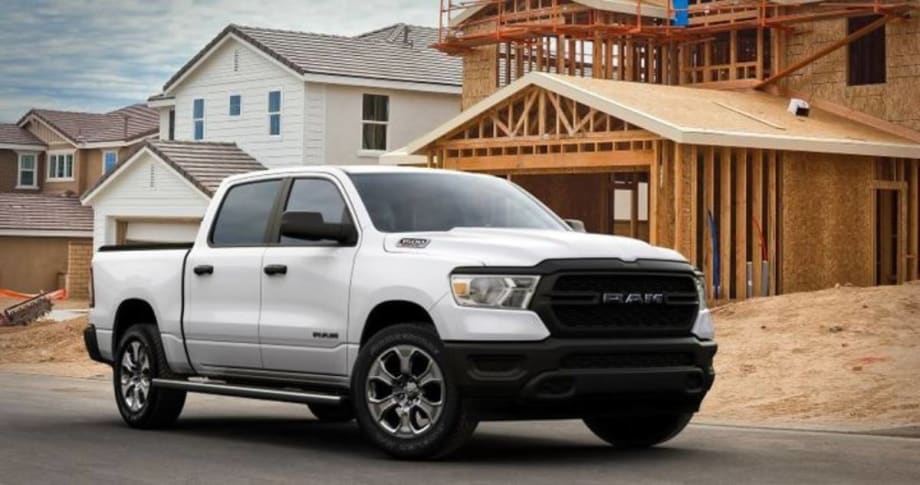
The almighty Ford F-Series, heavily hampered by inventory shortages caused mostly by the global microchip issue, was outpaced by the Ram full-size pickup in second quarter vehicle sales.
Photo: Stellantis
It might be fair to call spring 2021 a full-on sales frenzy for autos, pushed by pent-up demand, government stimulus and tax returns, and a general feeling that the global pandemic, in the U.S. at least, was moving into the rearview mirror, according to a recent Cox Automotive report.
The quarter began with the seasonally adjusted annual rate (SAAR) of sales hitting 18.8 million in April, among the best months on record, and May delivered a strong sales pace of 17 million. As forecast, with new-vehicle inventory at record lows across the industry, sales sputtered as the quarter closed on June 30. The sales pace in June was 15.4 million.
Still, total sales volume in Q2 reached 4,412,737 — a jump of 50% from Q2 2020 — and there is every reason to believe the new-vehicle market has fully recovered from the COVID-19 hit last spring. Cox Automotive recently increased its full-year sales forecast to 16.5 million. The industry is rolling, held in check only by limited inventory. As we look back at Q2, the Kelley Blue Book team provides a final tally in the quarterly sales report below. Additionally, here are 10 takeaways from Q2 2021.
1. The Ford F-Series was not the number one best-selling vehicle in America during the 2nd quarter, and it’s hard to fully grasp how amazing that is. In a lifetime of memories, the F-Series has reigned supreme in sales volume each month, each quarter and each year. In Q2 2021, however, the world shifted. The almighty F-Series (158,235), heavily hampered by inventory shortages caused mostly by the global microchip issue, was outpaced by both the Ram full-size pickup (164,232) and the Chevrolet Silverado (161,706). Ford still leads through the first six months, but the race is on…
2. Average transaction prices (ATP) as measured by the Kelley Blue Book team hit an all-time high in June at $42,258, up more than 6% from one year ago when the ATP for a new vehicle was still under $40,000. More surprising, in June, new vehicles sold at 99.9% of the manufacturer’s suggested retail price (MSRP). For comparison, in 2019, ATP was 95% of MSRP. And even more surprising: Minivans in June sold for an average of 8% over MSRP. According to our team at Autotrader, minivans are hot. Considering the price paid, they are indeed.
3. Sport-utility vehicles are still king in America — 54.6% of new vehicles sales in Q2 were SUVs — but sedan share might be the story in Q2. In fact, sales of traditional sedans grew in both volume and share. Sedan share reached 25.5% last quarter, up from 23.4% in the same period last year.
4. Inventory continues to be the leading story in the market. In Q2, it was a short story. New-vehicle inventory dipped close to a 30 days’ supply during Q2 — unheard-of levels — as the new-vehicle volume at dealerships across the U.S. dried up. In January, according to an analysis of vAuto Available Inventory data, there were about 2.7 million new vehicles in inventory across the country. By June, that number had fallen to 1.4 million.
5. Fleet sales: While retail new-vehicle sales are fully recovered from the drop in 2020, fleet sales are still stuck in first gear. Through the first six months of 2021, fleet sales are estimated by the team to have increased by 5% year over year but remain down by more than 40% from 2019. For comparison, total sales through the first half were up 29% versus 2020 and down only 1% versus 2019.
6.Fiat Watch: The historic Italian brand continues to struggle in the U.S. market. Only 891 Fiats were sold in Q2, down more than 33% from Q2 2020. For comparison, five years back, in Q2 2016, Fiat marked up 8,597 sales. Is there good news here? A bit: The 891 sold last quarter is an increase of 76 from Q1.
7. Incentives: As inventory shrank through Q2, so too did incentives: As a percent of average transaction prices, incentive spending in Q2 was at the lowest level in a decade.
8. Electrified vehicles – EVs and hybrids – continue to grow in popularity in the U.S. More than 110,000 EVs were sold in Q2, twice the volume from a year ago, and hybrid vehicles are becoming almost mainstream in some cases: You can’t buy a Toyota Sienna minivan without buying a hybrid. It seems the only thing growing faster than electrified vehicles sales are promises of more electrified vehicle sales in the future.
9. Even when inventory is tight, the big sellers are big sellers. In June, the 30 best-selling automobiles — vehicles including F-Series, Silverado, Honda CR-V and Civic, Toyota RAV4 and Camry, Jeep Wrangler, Subaru Outback and Nissan Rogue — accounted for 51% of total sales volume.
10. The Chevrolet Spark continues to be the most affordable vehicle in America, with an ATP in June still under $17,000. The other end of that stick? The new Mercedes-Benz G-Class, the uber-lux SUV. Average transaction price in June: A cool 11.5 Sparks.
More Fleet

Acertus Acquires Fisher Shipping, CEO to Join Acertus
Fisher Shipping will retain its brand and team, while its customers gain access to Acertus’ transportation, storage, vehicle care, and title and registration services.
Read More →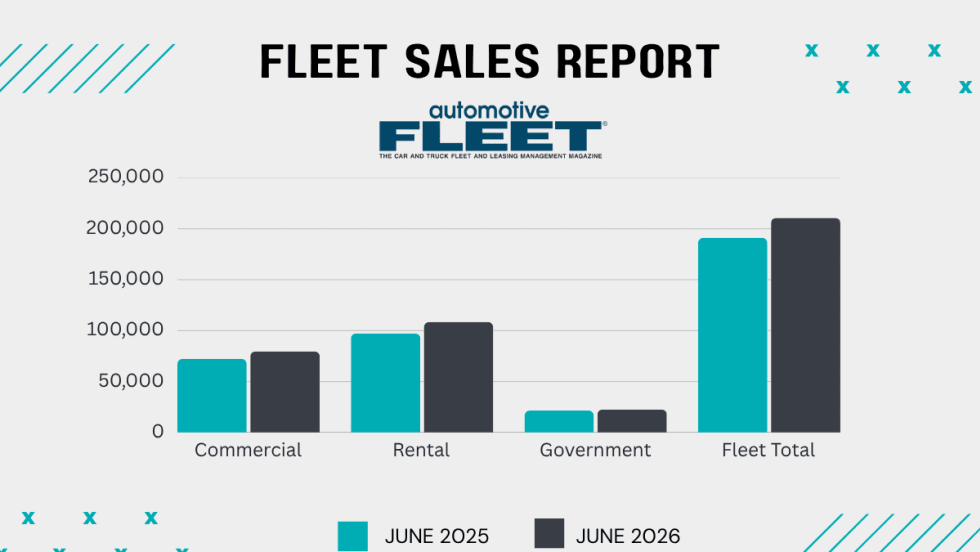
Commercial Fleet Sales Contribute To June, YTD Gains
The fleet sector has boosted its vehicle purchases at a reliable pace in the first half of this year compared with 1H 2025.
Read More →
Registration Opens for 2026 Fleet Forward Conference
Held on the East Coast for the first time, the Washington, D.C.-area event features expert-led education, a new IIHS Crash Test Experience, and collocation with the NAFA’s Fleet Safety Symposium.
Read More →
AP Fleet Management Expands Remarketing Program for Commercial Work Trucks
AP Fleet Management expanded its commercial vehicle remarketing program with dedicated resale services and an online marketplace for used work trucks.
Read More →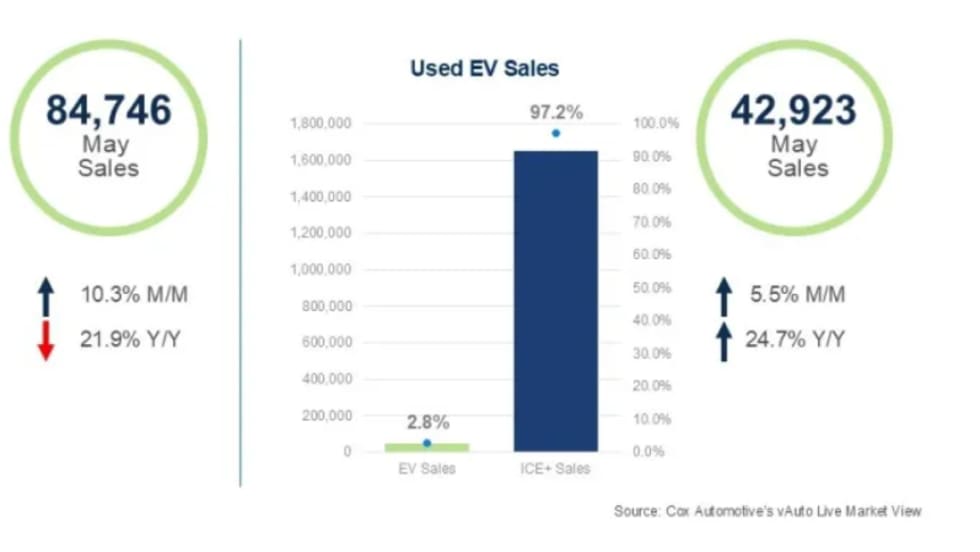
Used EVs Strengthen Overall Electric Vehicle Market
The latest sales data point to several reasons for the divergent trends in new and used EVs that can factor into fleet cycling decisions.
Read More →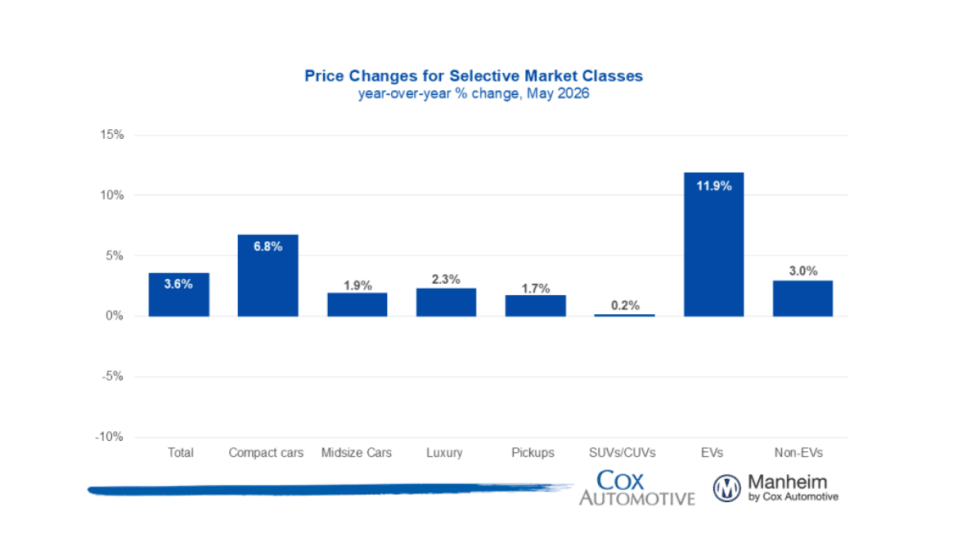
Wholesale Used Vehicle Market Sustains Moderate Rise In Values, Prices
Trends continue to normalize after a strong start to the year, as consumers contend with higher gas prices in the coming summer months.
Read More →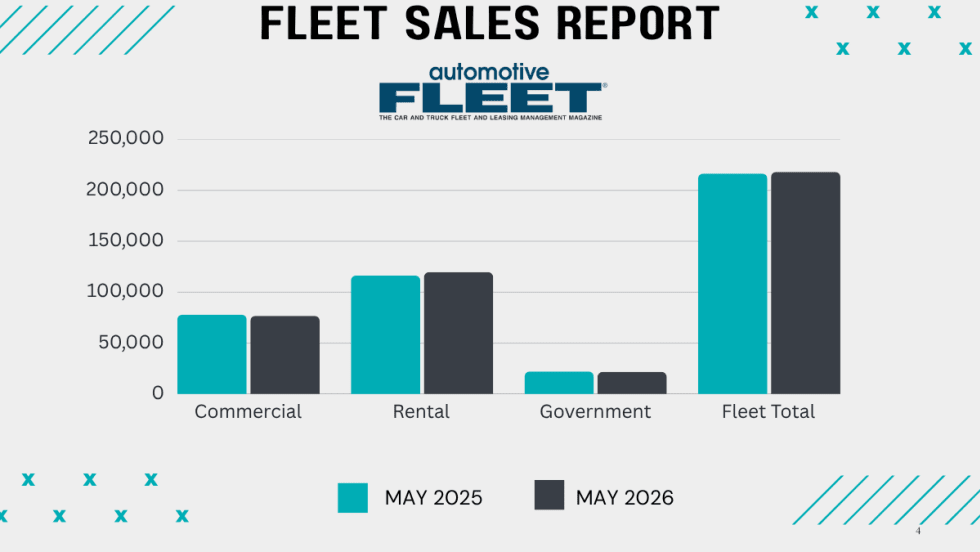
Commercial Fleet Sales Still Lead Sectors Despite May Mini Dip
The U.S. economy's continued growth and positive business investment are creating a favorable environment for fleet vehicle demand.
Read More →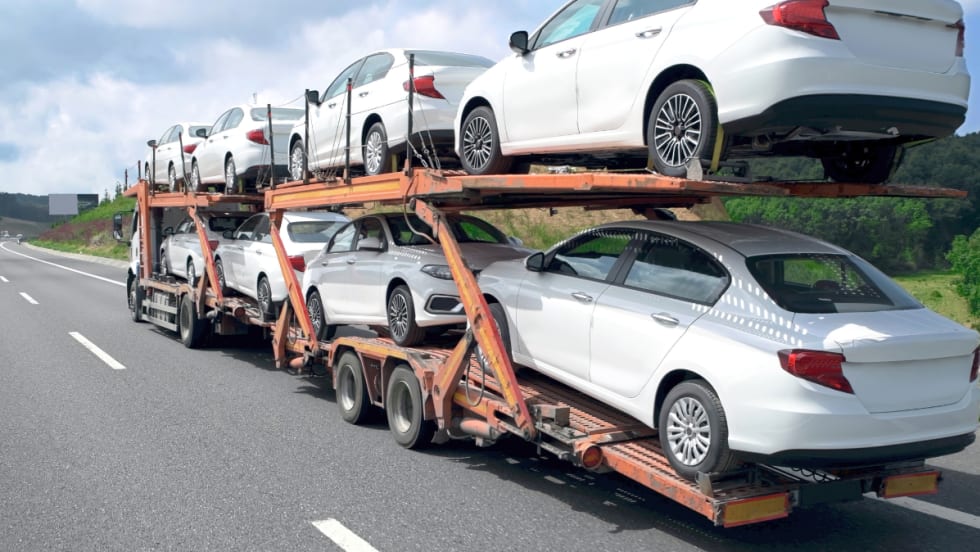
The Data-Driven Haul: 5 Ways AI is Leveling the Playing Field in Auto Transport
Large and small transport fleets are becoming more competitive as predictive analytics and real-time data inform the logistics decision chain.
Read More →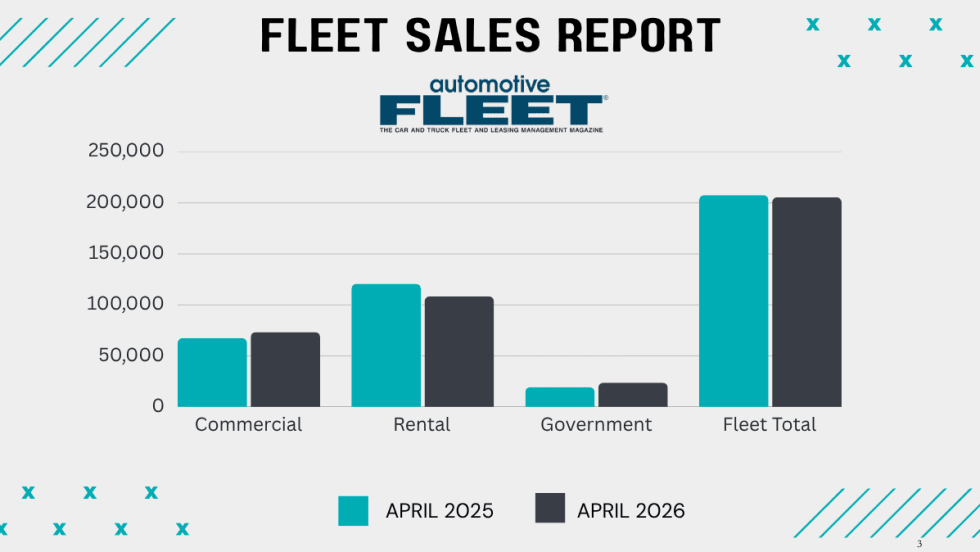
Commercial Fleet Sales Show Healthy Gains
So far, the fleet sector is outshining government and rental fleet sales this year as economic growth spurs more business investment.
Read More →
CAR 2026 Recap Part 2: Closing the Gap Between Data & Remarketing Value
The second half of CAR 2026 examined how fleets can translate lifecycle strategy, vehicle data, and market shifts into higher real-world results.
Read More →