



What Can Remarketers Do to Guard Against VIN Cloning?
VIN cloning is the latest theft technique to impact the automotive business. Thieves remove VIN plates from auto parts yards to give stolen vehicles a new identity.
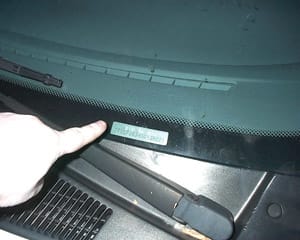
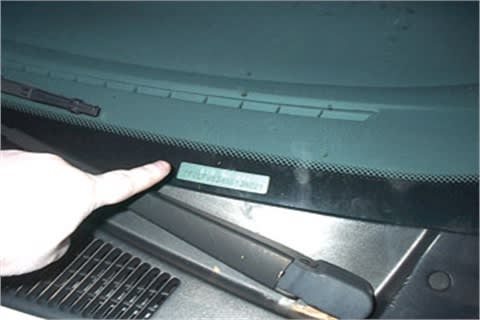
Say what you will about auto thieves, but you have to give them their due — they are innovative. Auto thieves have been moving into a new area of crime — identity theft. Professional criminals are making trips to auto parts yards and removing vehicle identification number (VIN) plates from salvaged car sections, usually from the same make and model as the stolen vehicle. They use the stolen VIN plate to obtain new documentation for the vehicle including license and title tags, or help create forged documents. These newly branded stolen vehicles are routinely moved across state lines or even sold internationally.
Removing VIN plates has been made easier by the growth of “pick-your-own-parts” yards. Thieves can casually shop around for VIN plates in salvage and junkyards that would arouse the least amount of suspicion when used on a stolen vehicle to create a false identity — usually a slightly older version of the stolen vehicle. For example, a 1992 Honda Accord VIN plate might be removed and placed on a 1996 Accord.
In another variation on the VIN theft scenario, thieves obtain “new” VIN plates by stealing the plate or the number from vehicles parked at auto dealerships, public parking lots, and fleet parking facilities.
Statistics aren’t available on this relatively new method of vehicle identity theft, called VIN “cloning.” However, it is part of the criminal’s arsenal at a time when car theft has risen for the third consecutive year, according to the FBI’s 2002 Uniform Crime Report.
VIN cloning is becoming a problem that remarketers must pay attention to and protect themselves against. In the past, remarketers have had to guard against other scams including odometer rollbacks and forged vehicle histories to conceal frame damage. VIN cloning could join the list of industry problems that have required a good deal of networking and information sharing on the part of remarketers to overcome.
Follow an Inspection Routine
What can remarketers do to protect themselves and their businesses against this crime innovation? CARFAX, a supplier of vehicle history data based in Fairfax, Va., recommends religiously following an inspection routine. Scott Fredericks, vice president of CARFAX, says, “Like consumers, auto remarketers are not immune to auto fraud such as VIN cloning. In fact, since they deal with a higher volume of vehicles than the average consumer, they may be more susceptible to scams.”
Fredericks suggests performing appropriate due diligence on vehicles before formally taking possession of them, including:
Check that the VIN on the dashboard matches the VIN on the door, under the hood, and in other locations on the vehicle.
Examine documentation and maintenance records to be sure the VIN on the paperwork matches that of the vehicle.
Obtain a comprehensive vehicle report. Obtaining vehicle history reports from an auto dealer or directly from CARFAX can assist the process of spotting an altered vehicle. By comparing information in the report, such as the vehicle specifications, mileage history, and title or registration locations, remarketers can uncover possible inconsistencies.
Along with helping spot VIN cloning, a good vehicle report can also assist remarketers in avoiding problems such as junk or lemon-branded titles and odometer rollbacks, according to CARFAX.
Networking with Law Enforcement
If remarketers are victimized by VIN cloning, what should they do? “If an auto remarketer believes or suspects that he is a victim of VIN cloning, he should notify local law enforcement immediately,” advises Fredericks.
The VIN cloning problem points out the necessity for remarketers and fleet operators to network with local law-enforcement agencies. In many cities throughout the U.S., law-enforcement agencies have formed auto-theft task forces. These task forces might involve members of the city’s police force, sheriff’s department, and even state and federal agencies, including the FBI and Customs.
These law-enforcement task forces pool resources to better crack down on vehicle theft and stay one step ahead of the ever-changing methods that auto thieves employ in their trade. Task force members are usually interested in networking with fleet operators, including car rental companies, and other members of the auto community such as dealers, auctions, and fleet managers.
A vehicle is stolen in this country every 25.3 seconds. With new fraud scams such as VIN cloning, it behooves members of the remarketing community to stay connected and informed.
Jon LeSage is vice president and director of research for Abrams Travel Data Services, a Long Beach, California-based research firm specializing in car rental, fleet, travel, and transportation.
At A Glance
Perform appropriate due diligence on vehicles before formally taking possession of them. This includes:
Check to be sure that the VIN on the dashboard matches the VIN on the door, under the hood, and in other locations on the vehicle.
Examine documentation and maintenance records to be sure the VIN on the paperwork matches those of the vehicle.
Obtain a comprehensive vehicle report.
SIDEBAR:
The Most Stolen Vehicles in the U.S.
According to the National Insurance Crime Bureau (NICB), the 10 most commonly stolen vehicles are:
Toyota Camry
Honda Accord
Honda Civic
Oldsmobile Cutlass Supreme/Ciera
Jeep Cherokee/Grand Cherokee
Chevrolet Full-Size C/K Pickup
Toyota Corolla
Ford Taurus
Chevrolet Caprice
Ford F-150 Pickup
Many of these vehicles, including the Toyota Camry, Cutlas Supreme/Ciera, Chevrolet and Ford pickups, and Ford Taurus, sell in high volume to commercial, government, and daily rental fleet operators. Vehicle theft is a costly problem for many fleet operators since it removes an active service unit, and when stolen vehicles are recovered by law enforcement authorities, often the vehicles must be impounded while the fleet operator continues to pay fixed holding costs such as financing and insurance.
Fleets operating near the Mexican and Canadian borders have been particularly hit hard by vehicle theft over the years. Stolen fleet vehicles have also ended up in major shipping ports such as Los Angeles and Miami. Organized theft rings shipping desirable vehicles overseas to lucrative foreign markets have victimized fleet operators, car dealers, and other members of the automotive community.
More Operations
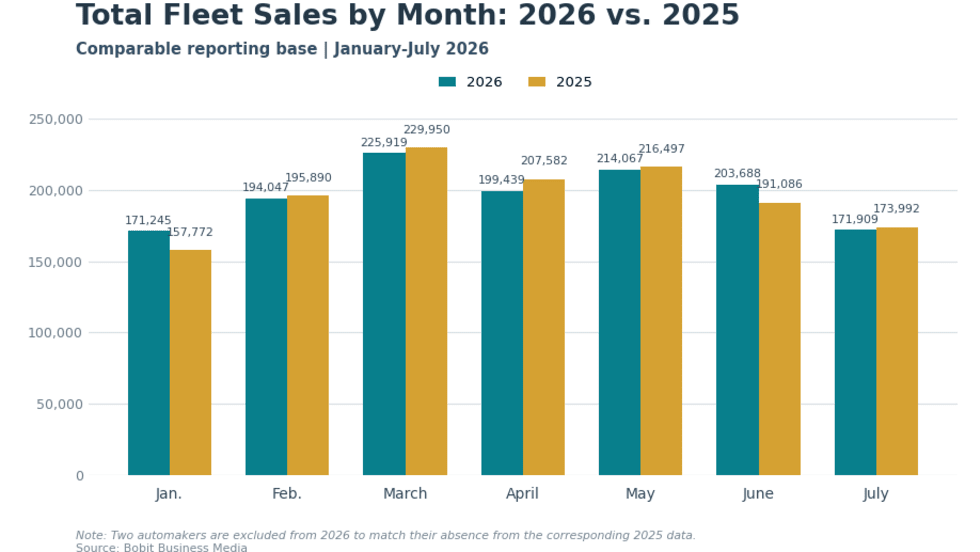
Fleet Sales Hold Steady as Commercial Gains Offset Rental Decline
Commercial and government fleet sales increased through July 2026, offsetting most of the decline in rental volume and leaving combined comparable fleet sales 0.5% above the same period last year.
Read More →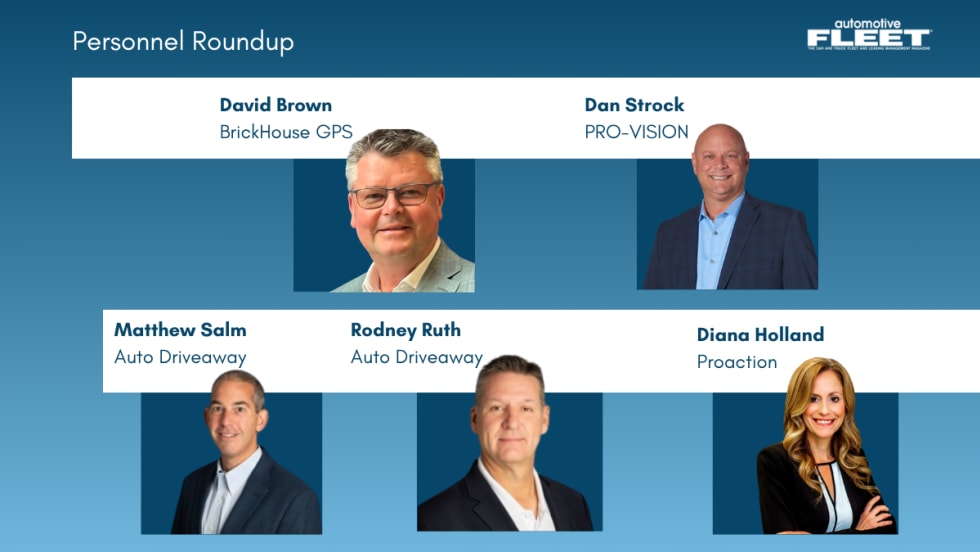
Personnel Update: BrickHouse GPS, PRO-VISION, Auto Driveaway, and Proaction
Check out the latest must-know fleet personnel updates from the last couple of months.
Read More →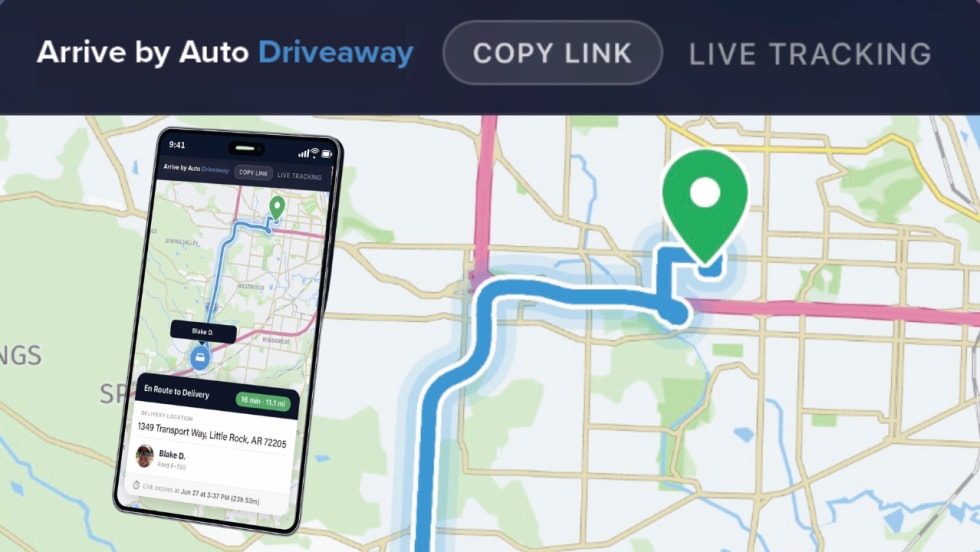
What Comes Next for Auto Driveaway?
A new Auto Driveaway feature called Arrive provides recipients with live location updates and ETAs during the final hour of a vehicle move, while fleet customers continue to have end-to-end shipment visibility through the company's customer portal.
Read More →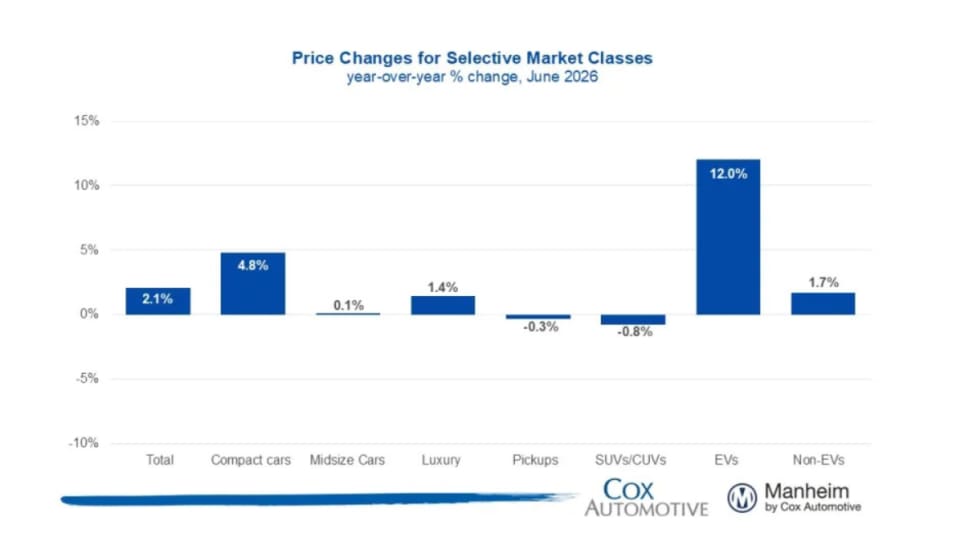
Manheim Index Shows Used-Vehicle Wholesale Prices Up 2.1% in June
The market is seeing stronger appreciation in older used vehicles this year, and the most affordable segments have been among the year’s best performers.
Read More →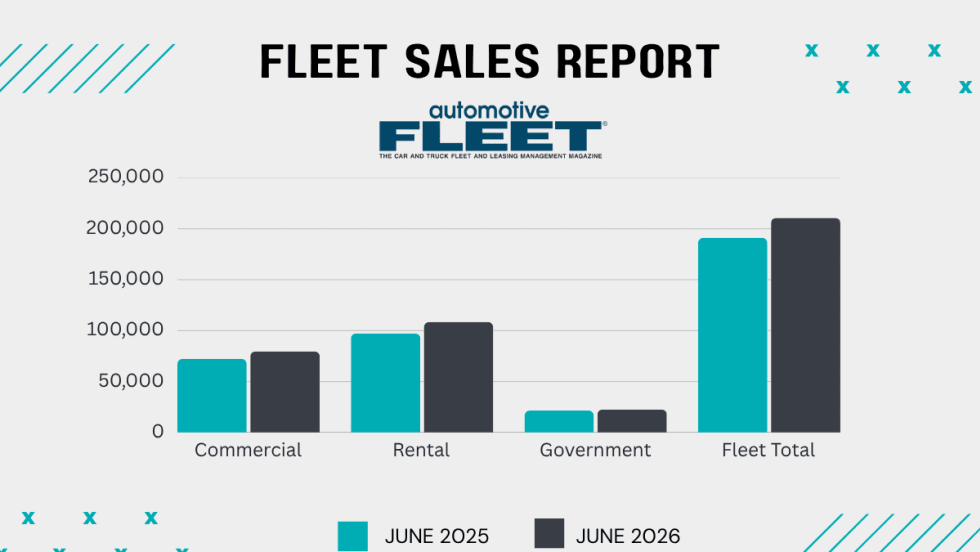
Commercial Fleet Sales Contribute To June, YTD Gains
The fleet sector has boosted its vehicle purchases at a reliable pace in the first half of this year compared with 1H 2025.
Read More →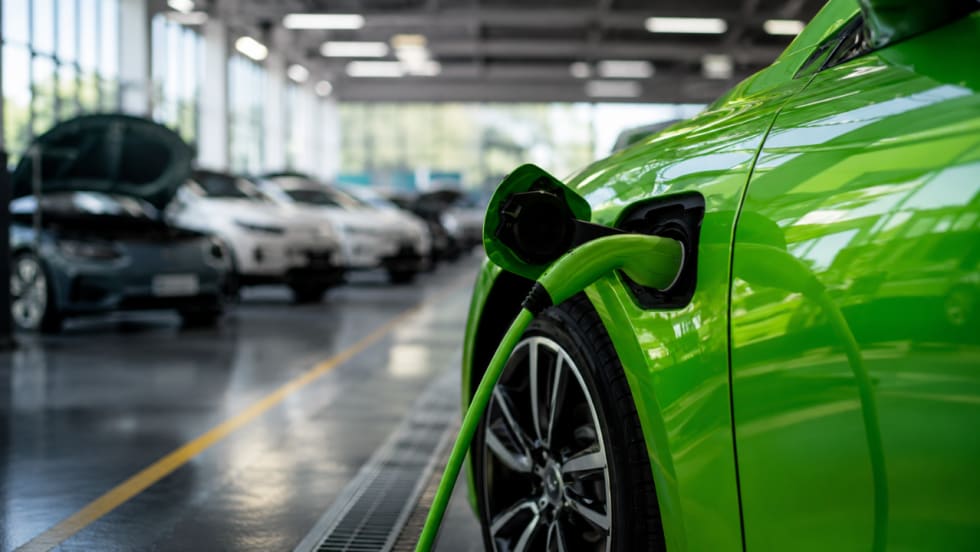
Stop Remarketing Electric Vehicles Like Gas Cars
The advantages and attributes of electric vehicles are upending the traditional remarketing cycle, requiring fleet sellers to rely on new factors and approaches detailed below.
Read More →
AP Fleet Management Expands Remarketing Program for Commercial Work Trucks
AP Fleet Management expanded its commercial vehicle remarketing program with dedicated resale services and an online marketplace for used work trucks.
Read More →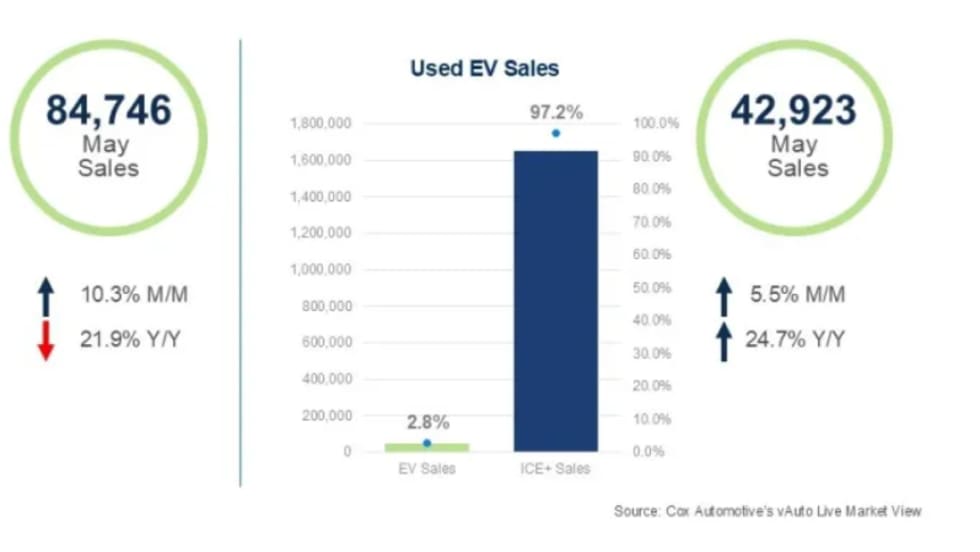
Used EVs Strengthen Overall Electric Vehicle Market
The latest sales data point to several reasons for the divergent trends in new and used EVs that can factor into fleet cycling decisions.
Read More →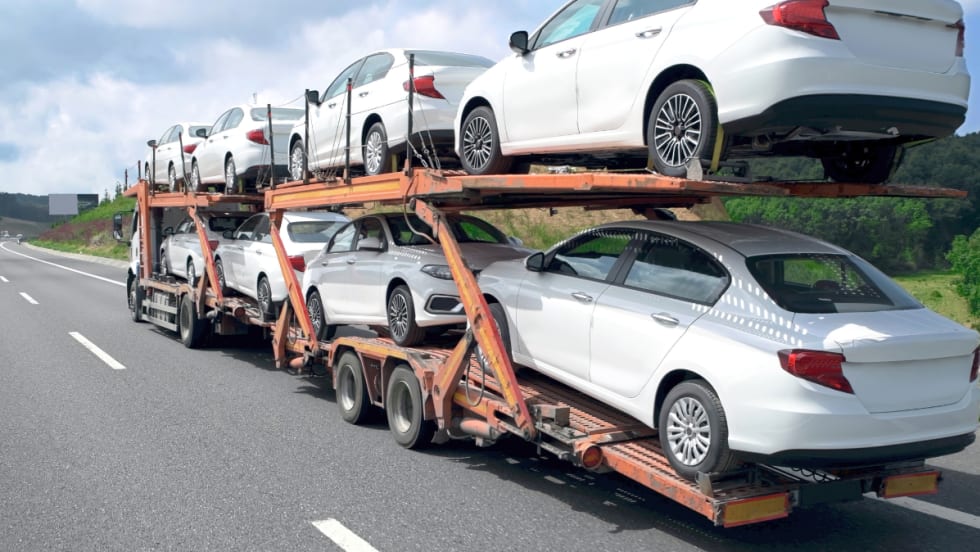
The Data-Driven Haul: 5 Ways AI is Leveling the Playing Field in Auto Transport
Large and small transport fleets are becoming more competitive as predictive analytics and real-time data inform the logistics decision chain.
Read More →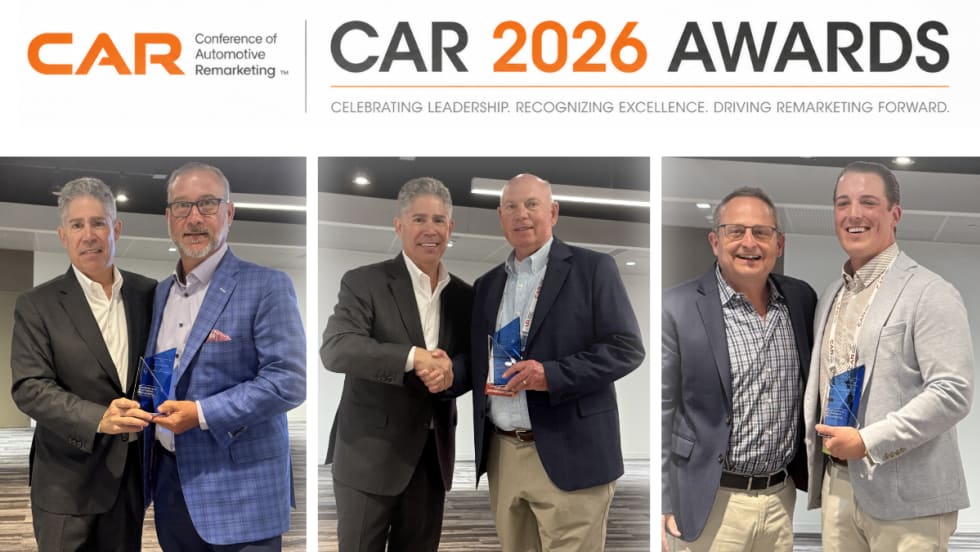
2026 CAR Awards Celebrate Industry Excellence
CAR’s annual Fleet Remarketing Awards opened a reimagined 2026 conference designed to bridge the worlds of fleet management and automotive remarketing.
Read More →