




State of Fleet Video:Fleet Titling Proves a Major Pain Point
Vehicle Titling: Fleet Industry Works Toward Smoother, Simpler Process
While barriers remain to creating a national system, a new coalition is pushing for reforms as a new digital clearinghouse reduces the time to register and retitle vehicles from weeks to hours.
October 30, 2024
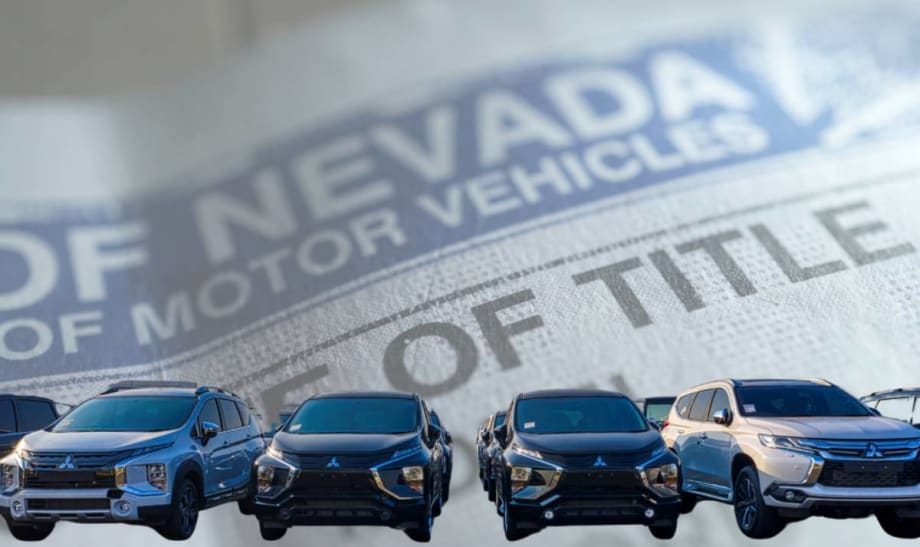
The titling process can be tedious and laborious, but all-digital systems can finish it in six hours per car. It handles thousands of transactions every hour. Used and damaged vehicles need streamlined titling the most.
Graphic: Bobit
7 min to read
The two hurricanes that hit the southeastern U.S. this fall provide one of the starkest examples of the challenges of retitling damaged vehicles.
Individual car owners and fleets sustained massive losses from wind- and flood-damaged vehicles. Handling the partially damaged, totaled, and salvageable vehicles can take months to sort out.
“A loss from a damaging storm now takes 50-60 days to total a car and get the salvage title,” said Shane Bigelow, CEO of Champ Titles, a nationwide tech provider that builds systems for state governments to replace aging title, registration, and lien systems. States can use its platform for titling in all jurisdictions.
Retitling Vehicles Takes Too Much Time
In addition to the natural disasters, the vehicle insurance industry is seeing more totaled vehicles overall compared to 10 years ago because of increasingly expensive electronic damage to the lights, cameras, and sensors, Bigelow said. One-fourth of all vehicle damage claims now result in a total loss.
The time needed to handle vehicle losses causes many problems for fleets if 20% or more of its vehicles are lost, he said. “If you can replace them much faster, then the fleet is up and running faster. Resale prices are higher because the cars sit around for fewer days.”
One breakthrough in speeding up vehicle retitling happened when West Virginia changed its rules to allow any business to retitle vehicles through the National Digital Titling Clearinghouse (NDTC), which it created for all states and territories. So far, West Virginia is the only state with a fully digital version of NDTC.
Participating states do not lose revenue, whereas West Virginia collects a statutory fee.
It has increased the number of times a title transaction occurs.
Other states use vendors that can access the NDTC by mimicking West Virginia’s technology. It is the only state that changed its laws and rules, so its system is consistent, API accessible, and data-driven with limited human contact.
The faster procedure benefits the automotive industry overall, Bigelow said. The titling process can be tedious and laborious, but the all-digital NDTC system can finish it in six hours per car. It handles thousands of transactions every hour.
Used and damaged vehicles need streamlined titling the most. It’s far less of an issue when buying new fleet inventory.
“If you are a fleet and purchasing vehicles, you wouldn’t do this on new cars but instead on used cars,” Bigelow said. “If a fleet or portion of it gets wiped out, they can sell the vehicles for parts faster so they can replace the cars with new ones once the claims go through.”
When a vehicle comes off a manufacturing line, it’s given a manufacturer’s certificate of origin, Bigelow said. “It’s the genesis, or birth certificate of the car. You get a title in your name in short order. There’s no history to look up, no lien to take off, and no research needed when it leaves the assembly line. States turn them around quickly.”

Champ Titles CEO Shane Bigelow said the time needed to handle vehicle retitling can cause many problems for fleets, especially if vehicles are totaled or damaged.
Photo: Champ Titles
Three Options for State Upgrades
Bigelow outlines three different titling system approaches states can choose from:
A state can build the software, as in Florida, Virginia, and Ohio, which have succeeded. But Bigelow said a list of states has tried to do it and failed.
A state can pay a vendor to modernize its titling system or replace pieces of it. For a motor vehicles department, that can mean throwing everything out and launching a new website with backend technology. Those tend to be costly and take time. Taxpayers who are wise about this option often oppose paying for such modernizations. Vendors like Champ Titles, however, can modernize a portion of a system, which generates a transaction fee attached to the statutory fee that pays for the upgraded system.
The fastest-growing option is to use a unified, modular approach to replace an aged vehicle titling system. It is configured to meet a state’s particular needs while allowing it to integrate with systems in other states. States are freed from building their own systems.
Bigelow pointed out that a national system would never be possible because of the 10th Amendment to the U.S. Constitution, which protects states’ rights. “Building a national system would take away a lot of revenue and jobs from states,” he added.
A better solution would involve having states choosing themselves how to build a system, but with capabilities allowing it to communicate efficiently with other states, Bigelow said. For example, Champ Titles has designed and installed similar systems for Kentucky, New Jersey, and Illinois.
“The end solution would not be like an FAA (air traffic) version,” Bigelow said. “A state could instead build any system it wanted to ensure the data is real-time and enable technical pathways so that every state can talk to every other state. Thankfully, there are federal security standards for how this can be done, and in doing so title, registration, and lien processing can be made more accessible for all.”
Systems such as those Champ Titles built offer [vehicle owners] digital titles and registrations, and other states are expected to be able to verify that data easily, Bigelow said. “If a consumer or fleet crosses a border to re-register or retitle a vehicle, it’s easy to do with no more months or quarters of waiting for paperwork to catch up.”
Industry Interests Push Toward Reform
In the effort to reform vehicle titling systems, the Electronic Secure Title and Registration Transformation Coalition (eSTART) is a new group bringing together multiple industry leaders and allies.
eSTART detailed its pursuits on Aug. 21 and 22 during sessions at the annual Automotive Remarketing Alliance conference near Dallas. The relatively new group launched in March with 18 founding members and has increased to 110+ members since then.
eSTART has formed a coalition of aligned stakeholders who aim to modernize title registration processes across every state. Membership is open to all, including government, industry, and association partners. Tony Hall, the legislative affairs manager for Carvana, leads and coordinates the coalition.
In a presentation on Aug. 21, Hall outlined three key areas eSTART aims to modernize for vehicle transactions:
Electronic signatures on title and registration documents
Electronic title and registration submission and processing
Electronic vehicle record transfers
eSTART aims to be the destination for information, news, and resources on automotive title and registration modernization, Hall said. The organization does not brand itself nor take positions, eschewing products, policies, positions, white papers, recommendations, or standards. Instead, it focuses on tapping its collective volunteer time and expertise to spur projects, research, resources, and other contributions.
The next day at the conference, Hall joined a panel that included Kate Benton, director of product strategy for Acertus, and John Brueggeman, chief strategy officer of Vitu, to explore past challenges, present status, and the future direction of eSTART activities. The discussion brought out the following insights and points:
Obstacles and Challenges
The critical hurdles in pursuing smoother automotive title registration include varying requirements across states and jurisdictions, which are cumbersome for title clerks, especially with the rise of online vehicle sales.
The current state of titling could be better, with 50 jurisdictions following their own sets of rules.
Bottlenecks in adoption vary by state, with some DMVs being more forward-leaning than others.
The National Highway Transportation Safety Administration's (NHTSA) slow adoption of digital signatures is a major historical barrier.
Some jurisdictions are lagging due to budget constraints and legislative issues.
Approaches and Actions
The panel called for open systems and collaboration among industry players to drive modernization.
Continue advocacy efforts through eSTART to promote the adoption of electronic signatures, electronic transaction processing, and fully digital title registration processes.
Draft a letter of support for a particular piece of legislation and circulate it to eSTART members for additional signatures.
Explore the possibility of early adoption of accurate state-to-state electronic title transfers through discussions within the American Association of Motor Vehicle Administrators community.
To involve managers directly dealing with such challenges, schedule a more hands-on tactical session at a future conference on title-related issues and processes.
Outcomes and Results
In addition to West Virginia, pioneering states like Florida, Texas, and Arizona have led electronic processing.
By 2027, 40%-60% of transactions are expected to be paperless, with solid progress in states such as California and Montana.
The adoption of digital signatures has led to some improvements.
Having a provider to manage both paper and digital processes is crucial.
They emphasized the importance of open systems and interconnectivity.
The overall direction of the groups advocating for more efficient vehicle titling is to use cooperative technology to extend the real-time title clearinghouse for car dealers, fleet operators, used vehicle buyers, and insurance carriers that simplify interstate title transfers nationwide.
“The worst thing a state can do is launch new technology and not talk to the [automotive] industry,” Bigelow said. “Industries can get the best access through various associations that gather constituents. We need to talk to [vehicle] consignors and auctions as well to get their buy-in, so the best possible solution is delivered.”
Topics:Fleet RegistrationsVehicle TitleCommercial Motor VehiclesVehicle RegistrationDMVOperationsFleet
Originally posted on Automotive Fleet
Subscribe to Our Newsletter
More Operations
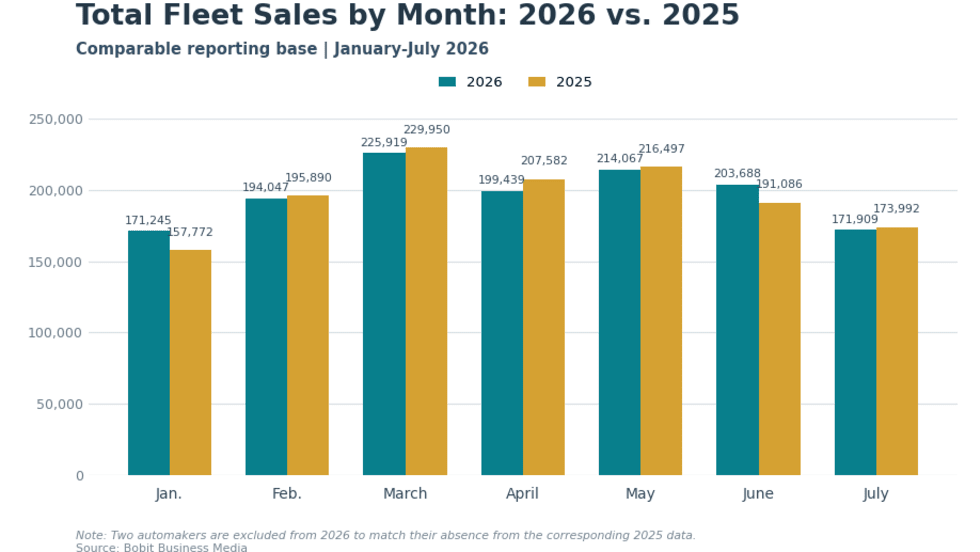
Fleet Sales Hold Steady as Commercial Gains Offset Rental Decline
Commercial and government fleet sales increased through July 2026, offsetting most of the decline in rental volume and leaving combined comparable fleet sales 0.5% above the same period last year.
Read More →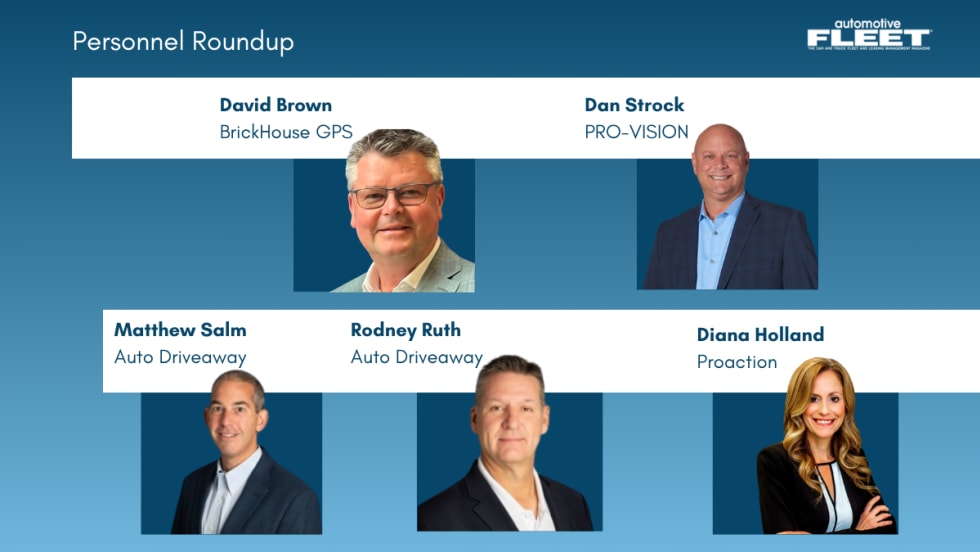
Personnel Update: BrickHouse GPS, PRO-VISION, Auto Driveaway, and Proaction
Check out the latest must-know fleet personnel updates from the last couple of months.
Read More →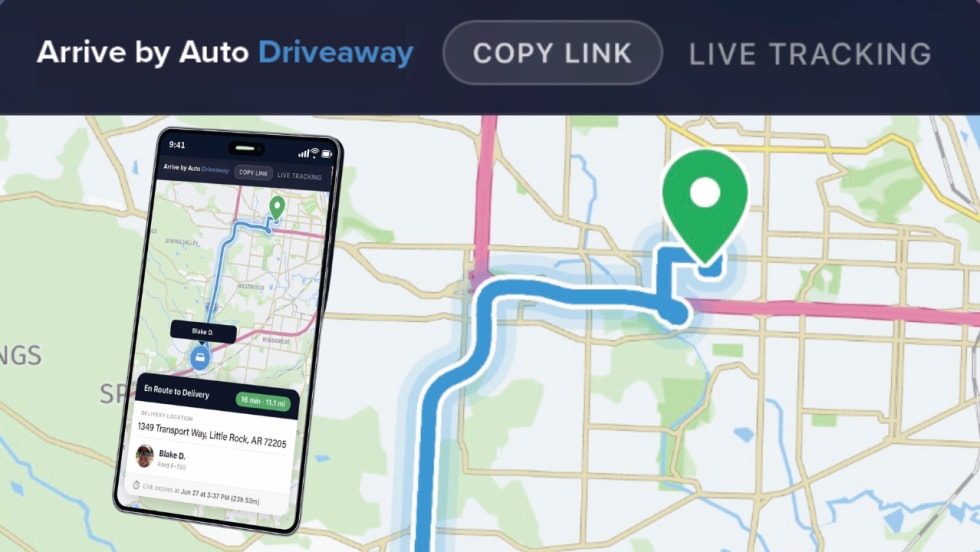
What Comes Next for Auto Driveaway?
A new Auto Driveaway feature called Arrive provides recipients with live location updates and ETAs during the final hour of a vehicle move, while fleet customers continue to have end-to-end shipment visibility through the company's customer portal.
Read More →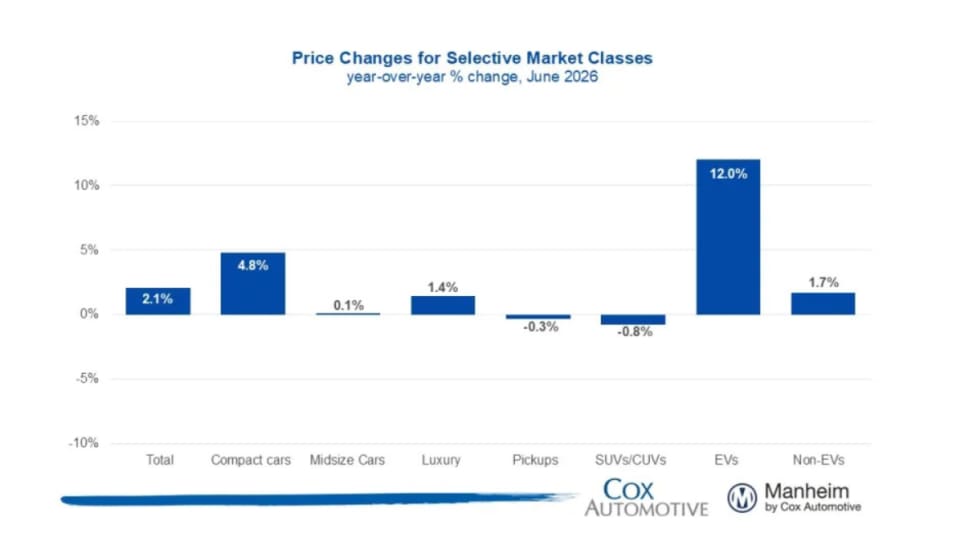
Manheim Index Shows Used-Vehicle Wholesale Prices Up 2.1% in June
The market is seeing stronger appreciation in older used vehicles this year, and the most affordable segments have been among the year’s best performers.
Read More →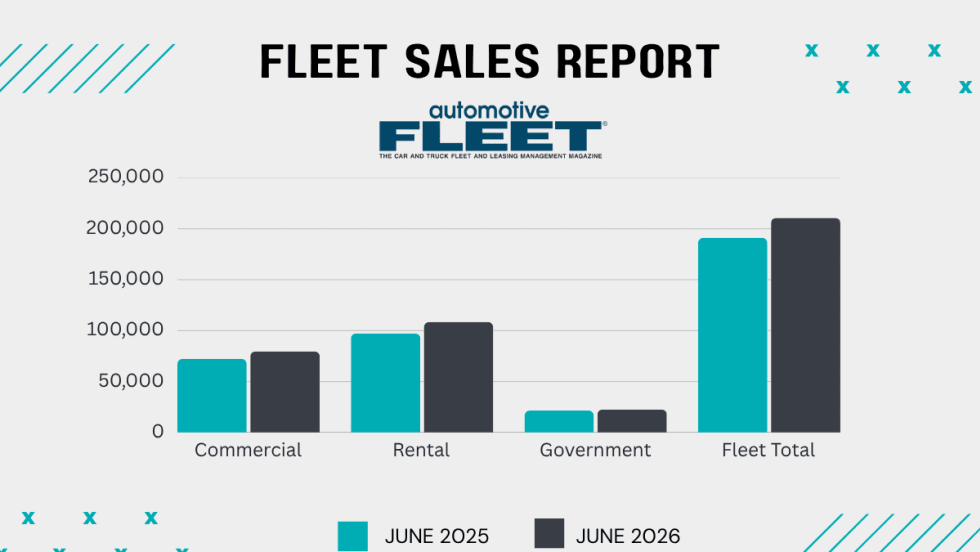
Commercial Fleet Sales Contribute To June, YTD Gains
The fleet sector has boosted its vehicle purchases at a reliable pace in the first half of this year compared with 1H 2025.
Read More →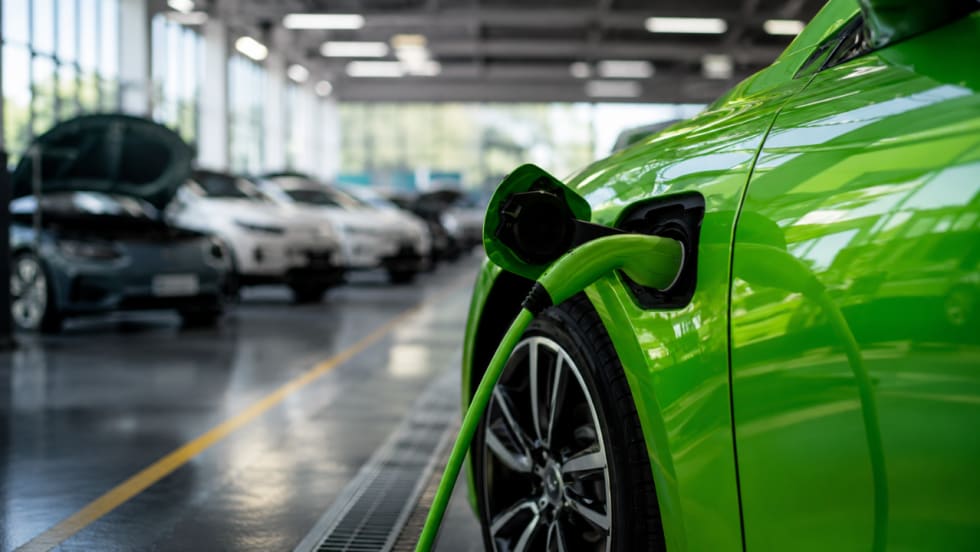
Stop Remarketing Electric Vehicles Like Gas Cars
The advantages and attributes of electric vehicles are upending the traditional remarketing cycle, requiring fleet sellers to rely on new factors and approaches detailed below.
Read More →
AP Fleet Management Expands Remarketing Program for Commercial Work Trucks
AP Fleet Management expanded its commercial vehicle remarketing program with dedicated resale services and an online marketplace for used work trucks.
Read More →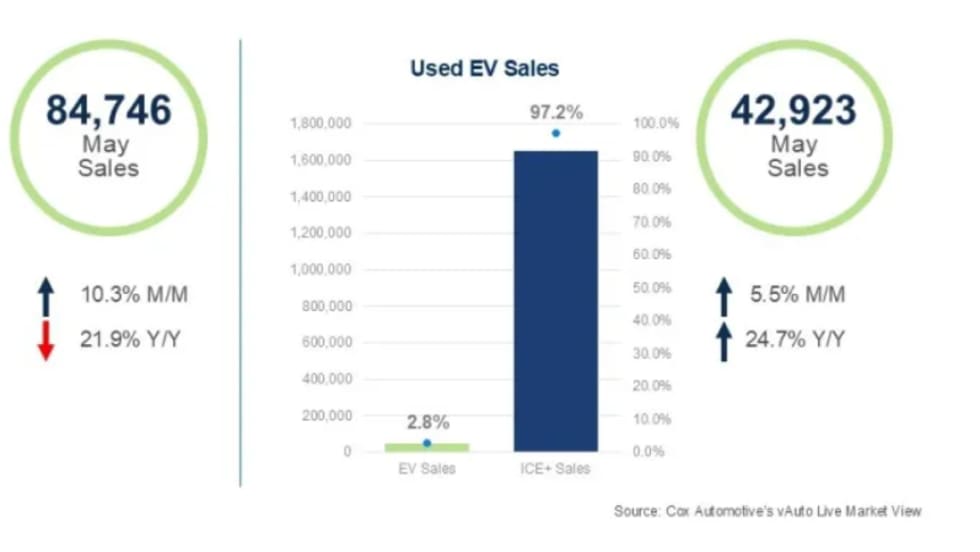
Used EVs Strengthen Overall Electric Vehicle Market
The latest sales data point to several reasons for the divergent trends in new and used EVs that can factor into fleet cycling decisions.
Read More →
The Data-Driven Haul: 5 Ways AI is Leveling the Playing Field in Auto Transport
Large and small transport fleets are becoming more competitive as predictive analytics and real-time data inform the logistics decision chain.
Read More →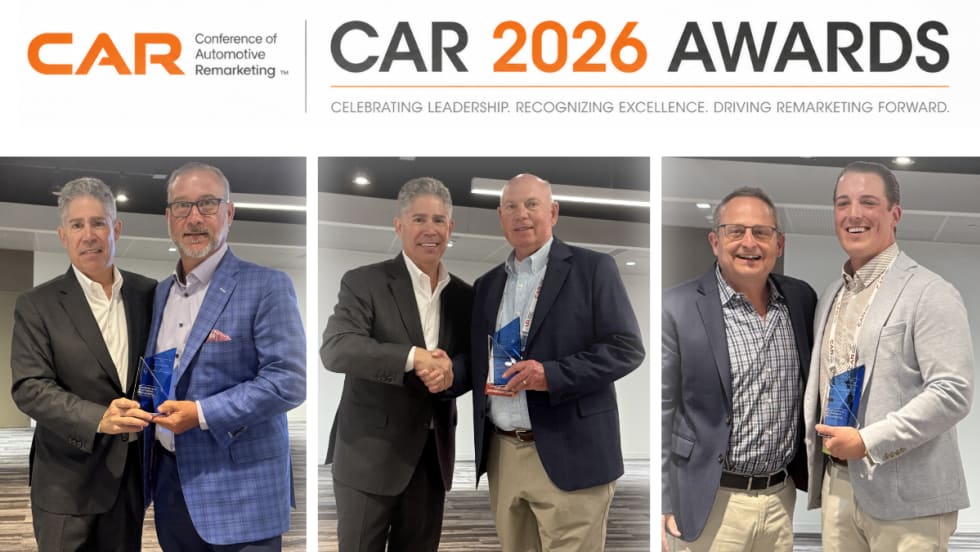
2026 CAR Awards Celebrate Industry Excellence
CAR’s annual Fleet Remarketing Awards opened a reimagined 2026 conference designed to bridge the worlds of fleet management and automotive remarketing.
Read More →