



Trends Influencing Remarketing Strategies of Commercial FMCs
Remarketing professionals at several leading FMCs are observing a strong truck market in the wholesale market, a continued shift of fleet portfolios moving toward more crossovers/SUVs, and an increase in digital auction activity.

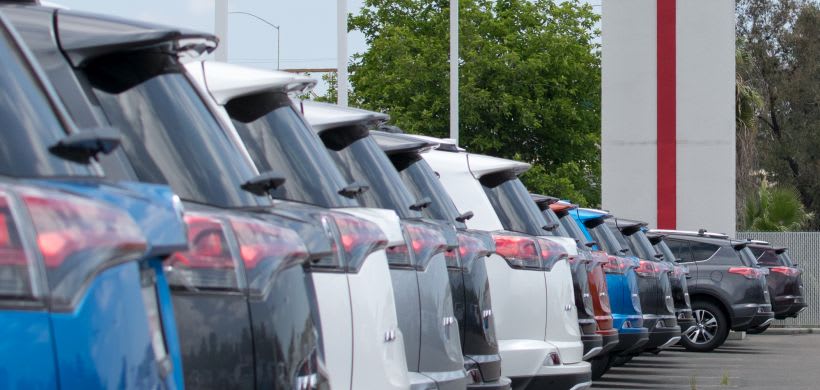
Photo by Eric Gandarilla.
Remarketing professionals at several leading FMCs are observing a strong truck market in the wholesale market, a continued shift of fleet portfolios moving toward more crossovers/SUVs, and an increase in digital auction activity as reported at the session on the “Latest Trends Influencing Remarketing Strategies of Commercial Fleet Management Companies,” during the virtual 2020 Virtual Conference of Automotive Remarketing (CAR) Experience, on Wednesday, Oct. 14, 2020.
The panel discussion focused on assessing the current state of the wholesale marketplace for the fleet industry. Session panelists included Debbie Boyce, executive vice president of operations for LeasePlan; James Crocker, director of operations for Merchants Fleet; Jim Jackson, North America vehicle remarketing for ARI; and Mike Antich, conference chair for the CAR Experience, who served as the session’s moderator.
Wholesale Market Overview
The three FMC speakers during the panel observed strong returns in the wholesale market, after an unprecedented summer in which values fell plummeted in a matter of weeks. The returns were noticed particularly in the pickup truck market and for utility and vocational vehicles, the panelists noted.
Crocker of Merchants Fleet said that contractors looking for work were increasingly seeking service body trucks and vans and expects the strong truck and vocational market to continue as we move into 2021.
“We are really seeing some strong returns, into the double digits, in the truck market for sure,” Boyce added.
Boyce added that fleets that were grounded during the pandemic were starting to get back on the road, and she predicts stronger returns and vehicles being cycled in the coming months.
Evolving Fleet Portfolios
The continued shift away from sedans toward crossovers/SUVs for fleets was also observed by each panelist, with regards to how client portfolios are evolving. Boyce and Jackson also noted a continued interest of incorporating assets that equipped with safety features.
“I think as we continue to go into the end of the year and into next year, the sedan population will get smaller and you'll start to see the small SUV and crossover market go up. So there'll be a lot more supply, and I think we'll start seeing a softening of their results,” said Crocker of Merchants.
With the decrease in the number of new units that are being sold this year in fleet, as well as retail and rental, this session’s panelists observed smaller inventories with their clients. Crocker noted not seeing a large influx of returns that were expected to happen in the summer, particularly from off-lease vehicles and repossessions, which haven’t reached levels that were expected.
“It was pretty slow through the summer, but we're starting to see those creep up a little bit more as legislation lightens up on the repossession of those vehicles,” said Jackson.
Activity at the Auctions
Reflecting on the lockdowns earlier in 2020 due to the pandemic, the panelists also observed longer times to prepare vehicles for sale because of shelter-in-place mandates and vehicle transporters being grounded. However, they also observed a significant uptick in digital sales and virtual remarketing, which helped keep the wholesale market moving during the lockdowns.
“It kind of forced dealers who aren't comfortable buying online to do just that,” said Boyce. “So we saw greater residual values as well as an increased number of sales and conversion rates.”
However, as restrictions have eased across the U.S. there has been an interest of returning to in-lane bidding.
“When dealers were allowed back in-lanes, particularly for utility vehicles, condition reports just doesn’t do justice to the vehicle, so there were a lot of people who wanted it to come out and physically see the asset,” said Jackson.
As shelter-in-place mandates have eased, the panelists observed a return to normalcy with regards to logistics constraints through the summer.
Also discussed was the impact the pandemic through the summer had on Service level agreements (SLAs) between the FMCs and their clients, and how important communication was to remedy any complications.
“Open communication with clients and remarketing partners was essential,” said Jackson. ”These circumstances were unprecedented, so trying to hold SLAs to the letter was tough.”
The panelists also observed an uptick in days-to-sale for work vehicles that had branding, as earlier shutdowns and staff reductions for their auction partners delayed the de-branding process.
The panelists also noted not seeing a significant reduction in miles driven for their particular clients, as many were considered essential businesses during the pandemic.
Electric Vehicles
Later during the discussion, the panelists addressed considerations to remarketing electric vehicles (EVs), since many OEMs have plans to build upon EVs in their vehicle portfolios across a wide variety of vehicle segments.
“We’ll definitely be a part of the EV movement, and we’re trying to determine now many of the upcoming EV trucks, vans and other larger vehicles, what is the cycle lives of these vehicles, how long will they last? These are things we got to figure out first before we get too deep in the remarketing,” said Crocker of Merchants.
More Fleet

Acertus Acquires Fisher Shipping, CEO to Join Acertus
Fisher Shipping will retain its brand and team, while its customers gain access to Acertus’ transportation, storage, vehicle care, and title and registration services.
Read More →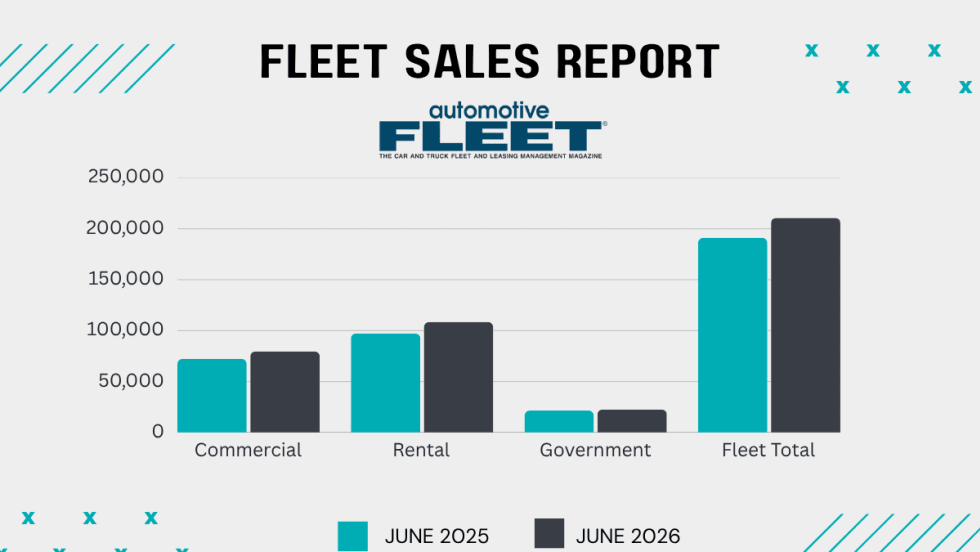
Commercial Fleet Sales Contribute To June, YTD Gains
The fleet sector has boosted its vehicle purchases at a reliable pace in the first half of this year compared with 1H 2025.
Read More →
Registration Opens for 2026 Fleet Forward Conference
Held on the East Coast for the first time, the Washington, D.C.-area event features expert-led education, a new IIHS Crash Test Experience, and collocation with the NAFA’s Fleet Safety Symposium.
Read More →
AP Fleet Management Expands Remarketing Program for Commercial Work Trucks
AP Fleet Management expanded its commercial vehicle remarketing program with dedicated resale services and an online marketplace for used work trucks.
Read More →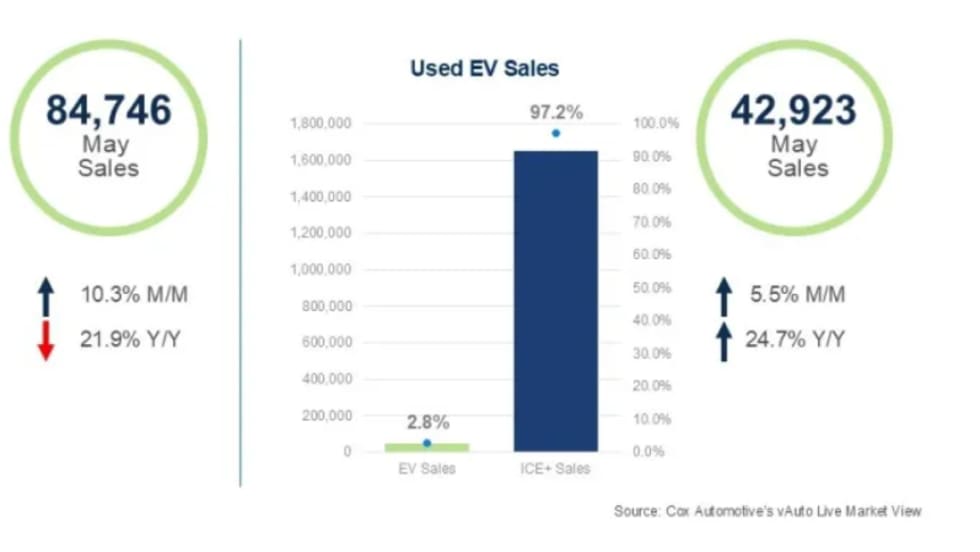
Used EVs Strengthen Overall Electric Vehicle Market
The latest sales data point to several reasons for the divergent trends in new and used EVs that can factor into fleet cycling decisions.
Read More →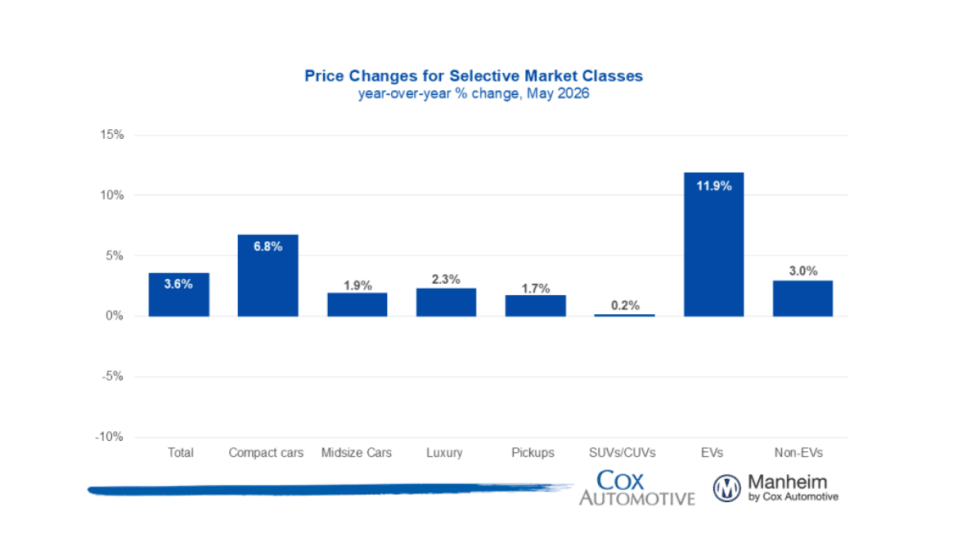
Wholesale Used Vehicle Market Sustains Moderate Rise In Values, Prices
Trends continue to normalize after a strong start to the year, as consumers contend with higher gas prices in the coming summer months.
Read More →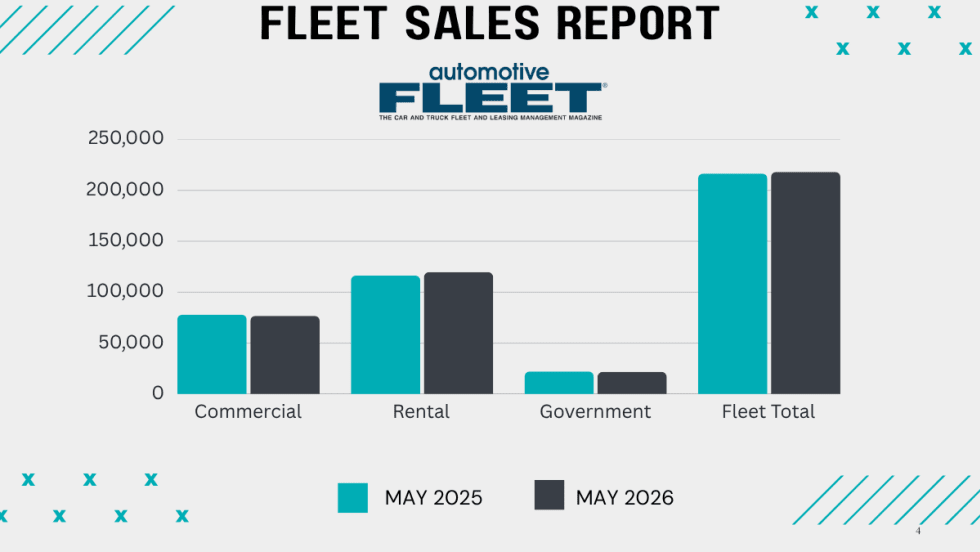
Commercial Fleet Sales Still Lead Sectors Despite May Mini Dip
The U.S. economy's continued growth and positive business investment are creating a favorable environment for fleet vehicle demand.
Read More →
The Data-Driven Haul: 5 Ways AI is Leveling the Playing Field in Auto Transport
Large and small transport fleets are becoming more competitive as predictive analytics and real-time data inform the logistics decision chain.
Read More →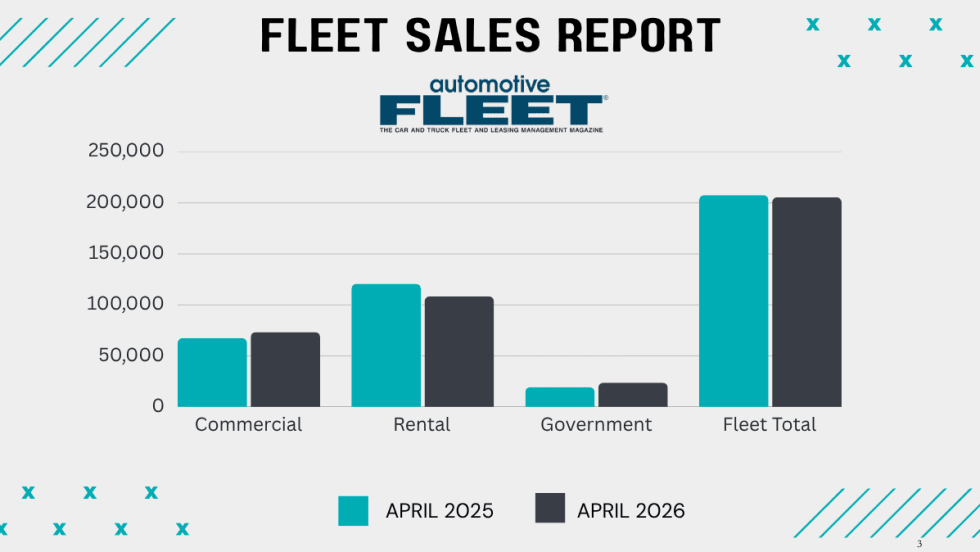
Commercial Fleet Sales Show Healthy Gains
So far, the fleet sector is outshining government and rental fleet sales this year as economic growth spurs more business investment.
Read More →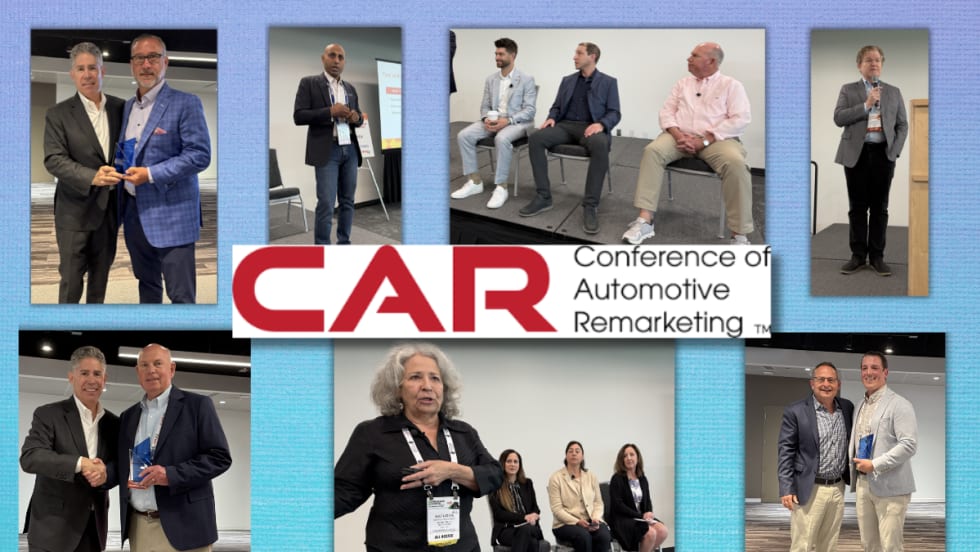
CAR 2026 Recap Part 2: Closing the Gap Between Data & Remarketing Value
The second half of CAR 2026 examined how fleets can translate lifecycle strategy, vehicle data, and market shifts into higher real-world results.
Read More →