




“Not as strong as in June, but it’s still going to be a strong market,” said Yurchenko. “The timing of a greater decline depends on the chip shortage. Once the manufacturers start producing cars at the normal level, we will most likely see increases in incentives. And that will put pressure on used prices.”
The State of the Wholesale Used-Vehicle Market
With the help of industry experts, Automotive Fleet takes a look at the current state of the used-vehicle market and what the near future may hold.
November 11, 2021

Unprecedented months of shutdown and production constraints point to a softening market.
Gettyimages.com/welcomia
7 min to read
The highs in the used-vehicle market over the past year have been undeniably record breaking. However, while wholesale values remain strong, industry analysts point to a slight softening in the market.
The driving force behind the soaring values can be explained by the most “extreme imbalance” of supply and demand “we’ll ever see,” according to Jonathan Smoke, chief economist at Cox Automotive in a recent CBT News interview.
After COVID lockdowns ended, demand rose in the U.S. due to a variety of reasons, including a recovering economy, federal stimulus measures and favorable credit conditions, Smoke explained.
However, factories struggled to resume production after unprecedented months of shutdown, plus “a perfect storm of issues, including the widely publicized semiconductor chip shortage.
Assessing the Current Market
Assessing the current used-vehicle market, Alex Yurchenko, senior vice president and chief data officer at Black Book, said, “We’re not going to be at the record levels we are today; prices will come down a little bit. We’re already seeing a softening started. Prices have been going down mainly due to a softening of demand; consumers are not as eager to buy used vehicles right now as they were two months ago.”
“Average wholesale used-vehicle prices fell modestly to below $15,000 in June 2021, after reaching that threshold for the first time in May, and this moderation continued into July,” reported Tom Kontos, chief economist for KAR Auction Services.
“Sales have clearly cooled off from the frenzy,” agreed Smoke. “We saw sales cool off in June and again into July.”
Smoke believes July 2021 was the softest month compared to sales in 2019, the last “normal” year.
The Role of Inventory Shortage
“We are projecting we’ll have limited inventory going forward for the next several years, and it’s going to help prices stay definitely above COVID-era levels,” said Yurchenko. “Whatever metrics you want to use, the inventory is limited.” Several sources of inventory will be much lower in the future, according to Yurchenko.
“We’ve started to see a reduction in retail sales, including lease sales. So those lease cars are not going to be coming back in three years. In addition, rental companies are not returning vehicles. Not many repossessions are going back to the market.
With rental companies still unable to secure inventories, rental units “are not going to be coming back to the market in a year or year and a half,” said Yurchenko. The current shortage of new inventory will show up in prices in two to three years, he believes.
Smoke, however, observed, “Inventory also started to improve in the used-vehicle market, so the combination of the slowing sales and slightly higher inventory levels means we’re getting very close to normal supply levels for this time of year, which we estimate a day’s supply is only down about 10% from where we were in 2019.”
Shift in Consumer Demand
Used-vehicle prices are too high, and consumers are being cautious, said Yurchenko, adding that anecdotal evidence indicates consumers are aware now that prices are high.
“Usually when you buy a car, you compare to what what’s on the market, and you make a decision,” he explained. “Consumers have information that we had record highs, that prices are much higher than they were two or three years ago. So, they’re postponing that purchase a little bit, and we’re seeing a softening of that consumer demand.”
Weakening demand may also be a result of more traditional conditions.
“I think the retail market for used [cars] slowed in July because of normal seasonal slowing,” said Smoke. “We always sell more used vehicles in the spring than we do in the rest of the year. But also this year, I think the market was coming to terms with that final peak in values. And usually, you see a couple of weeks of slowing when we go through a transition like that.”
According to the Manheim Market Report, measures of consumer sentiment from the University of Michigan and the index of consumer sentiment from Morning Consult showed substantial declines in July.
Used-Vehicle Prices
“Yes, wholesale prices are through the roof; we are at a record level,” said Yurchenko. “We hit the ceiling. We had a number of cars on the used market hitting original MSRP and above. So there’s just no way to grow further.”
“The peak in prices ended near the end of June,” said Yurchenko.
He added, “But then again, they’re so high, and we don’t expect any collapse. Prices just got to a seasonal decline.”
Kontos reported lower conversion rates (vehicles sold as a percentage of vehicles offered) are a further indication that dealers may be pushing back on high wholesale used-vehicle prices.
“High used-vehicle prices have made national news lately, as the Consumer Price Index rose by a nearly 13-year high of 5.4% annually in large part due to a 45.2% annual jump in the used vehicle Consumer Price Index,” said Kontos. “Dealer pushback may therefore reflect consumer reluctance to buy used vehicles with prices so inflated, in turn causing dealers to avoid being stuck with high-priced inventory.”
Variances in Asset Segments
“We’re seeing some very important shifts in how the segments have been performing,” said Smoke.
“Pickup trucks had risen the most and now are falling the most. Pickup trucks fell by average prices in July by 8.6%, compared to June, when market fell by only 2.6 %,” he reported.
“At the other end of the spectrum. Luxury vehicles are actually holding their values quite well right now, although luxury vehicles also did not see quite the same appreciation we saw in non-luxury vehicles, like pickup trucks,” added Smoke. “Basically, what we’re seeing is vehicles that peaked the most in spring are now falling the most.”
According to Yurchenko, SUVs and trucks are still overperforming sedans and cars.
“But this year, we’ve seen a much stronger growth in prices for those sedans. And it’s all because of the inventory,” he said. “Many manufacturers are not producing new sedans. And we have a shortage of used inventory coming back to the market.”
Prices of sedans been increasing for the last three to four years as inventory levels became much lower, Yurchenko pointed out. Throughout the last six months, those sedans became very hot commodity, he said.
Yurchenko believes compact midsize sedans will overperform in market this year.
Similarly, a lack of choice exists in the minivan segment. “With all the domestic travel, minivans became very popular in the U.S. So, the used prices were overperforming in the overall market,” said Yurchenko.
According to the Manheim Market Report, “Vans, pickups, and sport utility vehicles had the largest year-over-year performance, while the remaining car segments lagged the overall market. On a month-over-month basis, all major market segments saw declines in July 2021, with pickup trucks declining the most and sports cars declining the least.”
Kontos reported, “When holding constant for sale type, model-year-age, mileage, and model class segment—using criteria that characterize off-lease units—prices in June were up by over 40% versus June 2020 and June 2019 for both midsize cars and midsize SUV/CUVs.”
For the Balance of 2021
The Black Book analysts project the market will be strong through the remaining months of 2021.
He doesn’t foresee any dramatic drop in prices. “It’s going to be a gradual, soft landing over a period of probably years.”
“Looking forward, I think the used market is going to be very well positioned in the back half of the year, given the challenges in new inventory that continue to persist,” said Smoke.
“I think we’re going to see sales equivalent to sales we saw in 2019 for the rest of the year. And I think it’s important to acknowledge that 2019, prior to this year, was the best year in history for used retail sales.”
Smoke believes the frenzy of last spring is now over. “Prices are a self-regulating mechanism and are rolling over.”
We’re returning to what Smoke calls a fairly predictable depreciation pattern. He also says no one should be waiting for a major drop in values. “It is not a correction. We’re simply seeing balance in the market—no desperate sellers or desperate buyers.”
Originally posted on Automotive Fleet
Subscribe to Our Newsletter
More Operations

CAS Automotive Launches Remarketing Service for Damaged, Surplus Equipment
Damaged Equipment expands CAS Automotive’s vehicle remarketing model to commercial equipment, targeting fleet operators, insurers, equipment dealers, and rental companies.
Read More →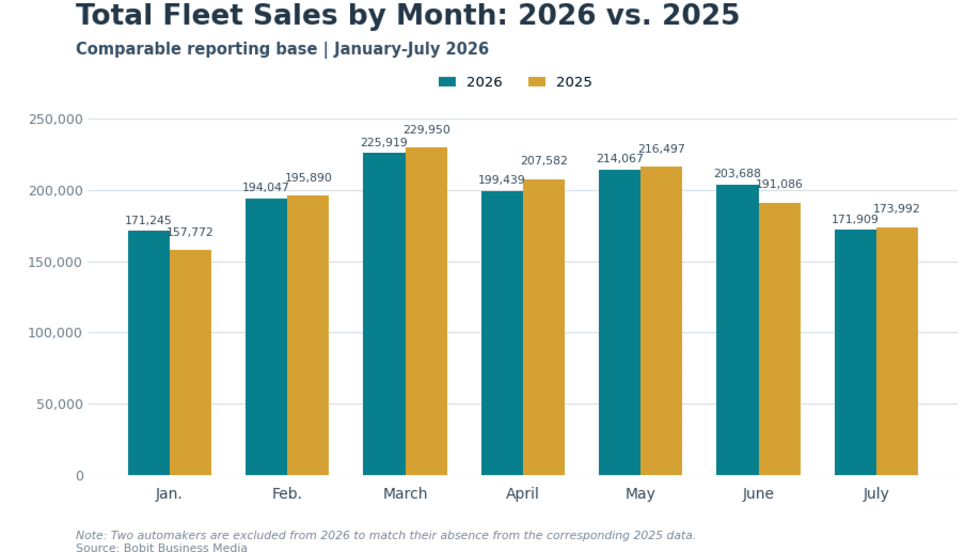
Fleet Sales Hold Steady as Commercial Gains Offset Rental Decline
Commercial and government fleet sales increased through July 2026, offsetting most of the decline in rental volume and leaving combined comparable fleet sales 0.5% above the same period last year.
Read More →
Personnel Update: BrickHouse GPS, PRO-VISION, Auto Driveaway, and Proaction
Check out the latest must-know fleet personnel updates from the last couple of months.
Read More →
What Comes Next for Auto Driveaway?
A new Auto Driveaway feature called Arrive provides recipients with live location updates and ETAs during the final hour of a vehicle move, while fleet customers continue to have end-to-end shipment visibility through the company's customer portal.
Read More →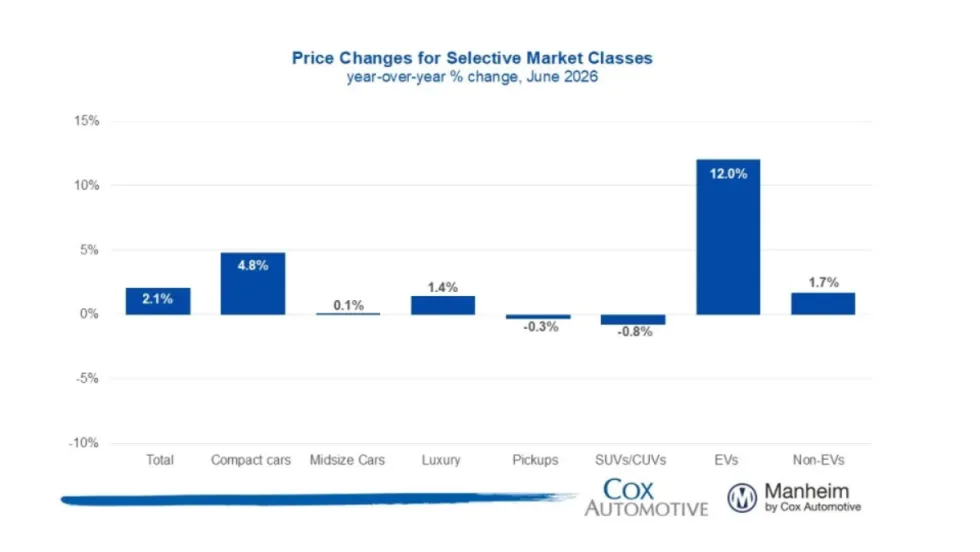
Manheim Index Shows Used-Vehicle Wholesale Prices Up 2.1% in June
The market is seeing stronger appreciation in older used vehicles this year, and the most affordable segments have been among the year’s best performers.
Read More →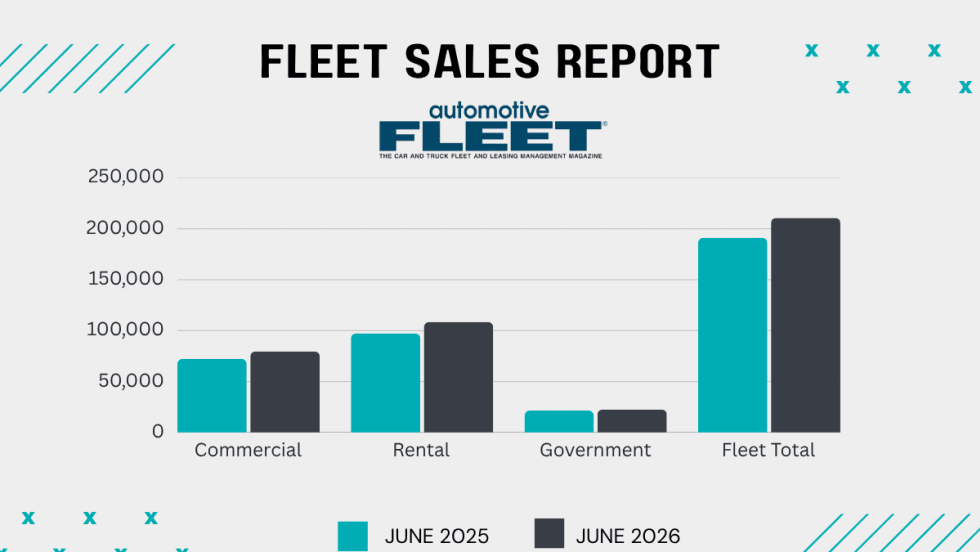
Commercial Fleet Sales Contribute To June, YTD Gains
The fleet sector has boosted its vehicle purchases at a reliable pace in the first half of this year compared with 1H 2025.
Read More →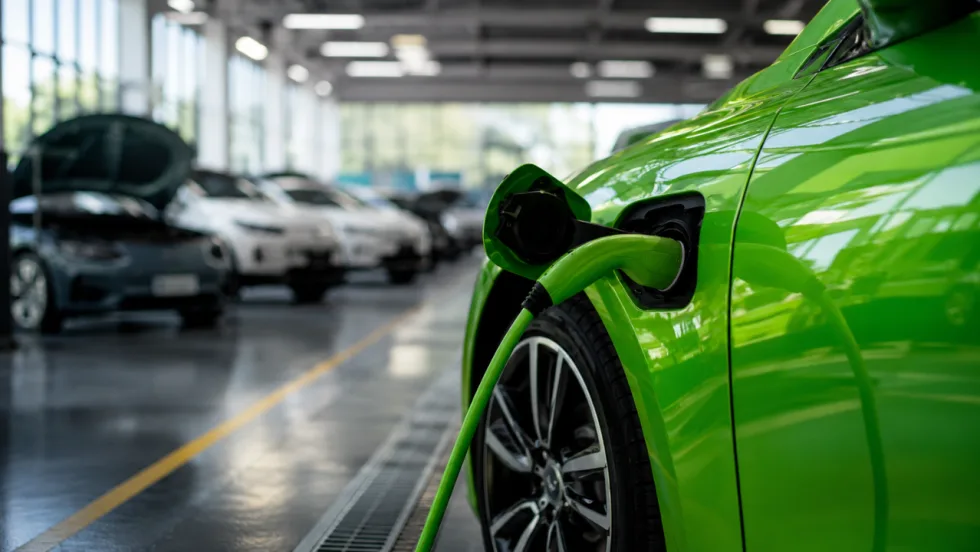
Stop Remarketing Electric Vehicles Like Gas Cars
The advantages and attributes of electric vehicles are upending the traditional remarketing cycle, requiring fleet sellers to rely on new factors and approaches detailed below.
Read More →
AP Fleet Management Expands Remarketing Program for Commercial Work Trucks
AP Fleet Management expanded its commercial vehicle remarketing program with dedicated resale services and an online marketplace for used work trucks.
Read More →
Used EVs Strengthen Overall Electric Vehicle Market
The latest sales data point to several reasons for the divergent trends in new and used EVs that can factor into fleet cycling decisions.
Read More →
The Data-Driven Haul: 5 Ways AI is Leveling the Playing Field in Auto Transport
Large and small transport fleets are becoming more competitive as predictive analytics and real-time data inform the logistics decision chain.
Read More →