



Remarketing Strategies to Weather Today's Volatile Used-Vehicle Market
The used-vehicle market since Sept. 11 has been volatile and its future is being governed by events beyond our control, such as the economy, a war, and unprecedented new-vehicle retail incentives.


The used-vehicle market since Sept. 11 has been volatile and its future is being governed by events beyond our control, such as the economy, a war, and unprecedented new-vehicle retail incentives. No one can remember a comparable situation in the wholesale market when so many negative market factors have reached a confluence. Here is the litany of woes.
The economy is in a recession. Corporate profits have plummeted at some companies, causing massive layoffs, which, on the supply side, is resulting in an increased number of company cars being shipped to the wholesale market. On the demand side, the people who buy out-of-service fleet vehicles are usually among the first to be laid off, which is contracting the size of this pool of buyers.
The car-rental companies, which downfleeted massively after Sept. 11, started lowering their floors in mid-October to stimulate dealer demand after their inventory of vehicles at auction ballooned. These discounted prices had a trickle-down effect, especially for near-new off-lease vehicles and some commercial fleet vehicles.
The auto manufacturers responded to Sept. 11 with 0-percent APR financing for new-vehicle purchases, which resulted in a high number of trade-ins filling dealership used-car lots. This flood of trade-ins caused dealers to lower trade-in values offered to retail consumers. Also, the traditional seasonal downturn in the wholesale market after Thanksgiving prompted dealers to lower the floors of vehicles consigned to auction. This also has had a trickle-down effect on resale values for vehicles priced under $10,000, which accounts for almost all the vehicles remarketed by commercial fleets.
Despite the doom and gloom, one common denominator for all these market factors is that they are short-term in nature. The flood of daily rental vehicles into the wholesale market was a one-time aberration prompted by an industry-wide inventory adjustment. The 0-percent financing by the manufacturers is not sustainable. It is simply too expensive. It equates to a $2,000 to $3,000 discount per vehicle. (However, some fear that there will be a weaning from 0-percent financing to 1.9 percent and then to 2.9 percent in order to continue to incentivize and sustain sales through the spring or longer. If this is the case, and manufacturers continue with aggressive incentives, then forget what I said about this being a short-term phenomenon.)
Remarketing Strategies for the Spring Market
The question fleet managers are asking is how strong will be the spring resale market. Some are pessimistic about its strength. As a safeguard, these fleet managers are either holding off on vehicle replacement or adding increased emphasis to driver sales to minimize the number of units consigned to auction.
One benefit in delaying spring orders will be improved cycling pattern on a go-forward basis, said Bob Ward, president of FleetCare, a fleet management company headquartered in Chaska, MN. His company is advising clients to only sell those vehicles in the spring market that will reach excessive mileage in fall of 2002. “The delaying action could get some fleets into ordering 90 percent or more of their new-vehicle needs in the fall, which will pay big dividends on a go-forward basis,” added Ward.
Other fleet managers are looking to minimize the number of units consigned to the wholesale market by increasing the percentage of units sold to drivers. By selling more vehicles to em-ployees, fleet managers hope to get a higher price for vehicles than in the wholesale market. A key reason for this is that dealer buyers at auction are a separate “transaction layer” and must include their profit margin in the unit’s value. However, an employee buyer is almost always the vehicle’s ultimate user, which is how fleets justify setting a higher sales price.
Likewise, fleet managers are expanding their remarketing efforts beyond drivers to sell to other employees, employee family members, and their friends. Even prior to Sept. 11, some fleet managers were offering a small commission to drivers for setting up third-party sales. This gives drivers an incentive to market and sell the vehicle to other people such as their family and friends.
Also, remarketing fleet vehicles to employees reduces days-to-sale, resulting in faster liquidation of a corporate asset. Similarly, employee sales result in quicker cash flow, since the employee cuts a check for the old vehicle as the new one is delivered. It is important to remember that every net dollar you add in resale goes straight to the bottom line.
Let me know what you think.
Originally posted on Automotive Fleet
More Fleet

Acertus Acquires Fisher Shipping, CEO to Join Acertus
Fisher Shipping will retain its brand and team, while its customers gain access to Acertus’ transportation, storage, vehicle care, and title and registration services.
Read More →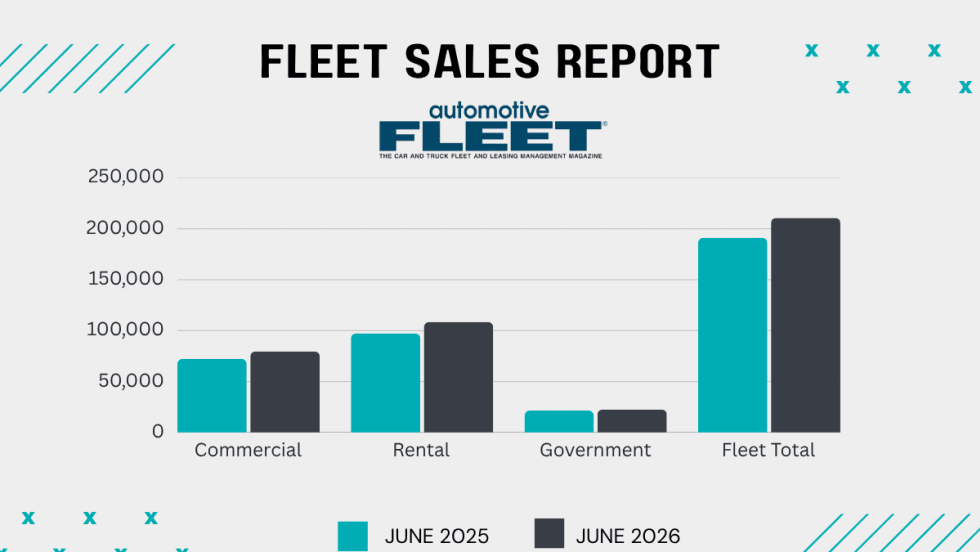
Commercial Fleet Sales Contribute To June, YTD Gains
The fleet sector has boosted its vehicle purchases at a reliable pace in the first half of this year compared with 1H 2025.
Read More →
Registration Opens for 2026 Fleet Forward Conference
Held on the East Coast for the first time, the Washington, D.C.-area event features expert-led education, a new IIHS Crash Test Experience, and collocation with the NAFA’s Fleet Safety Symposium.
Read More →
AP Fleet Management Expands Remarketing Program for Commercial Work Trucks
AP Fleet Management expanded its commercial vehicle remarketing program with dedicated resale services and an online marketplace for used work trucks.
Read More →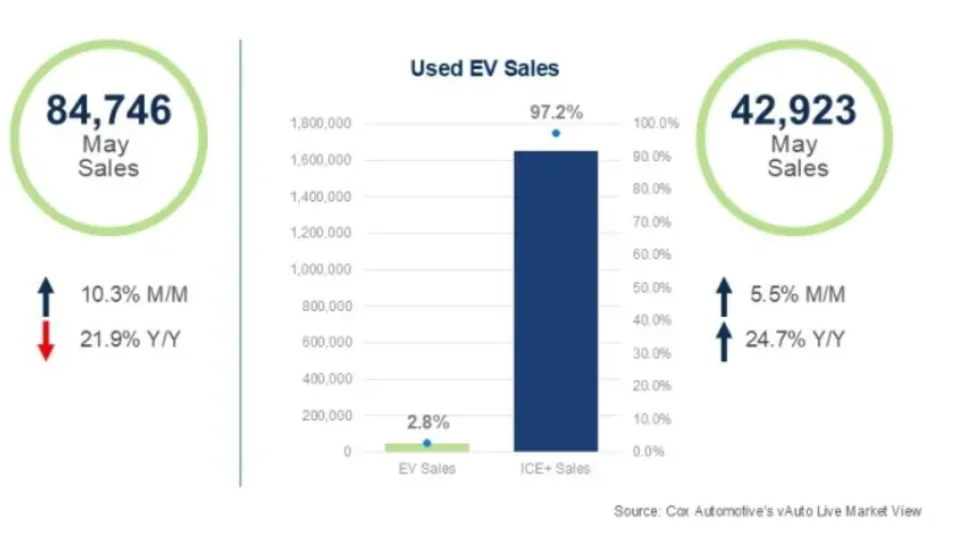
Used EVs Strengthen Overall Electric Vehicle Market
The latest sales data point to several reasons for the divergent trends in new and used EVs that can factor into fleet cycling decisions.
Read More →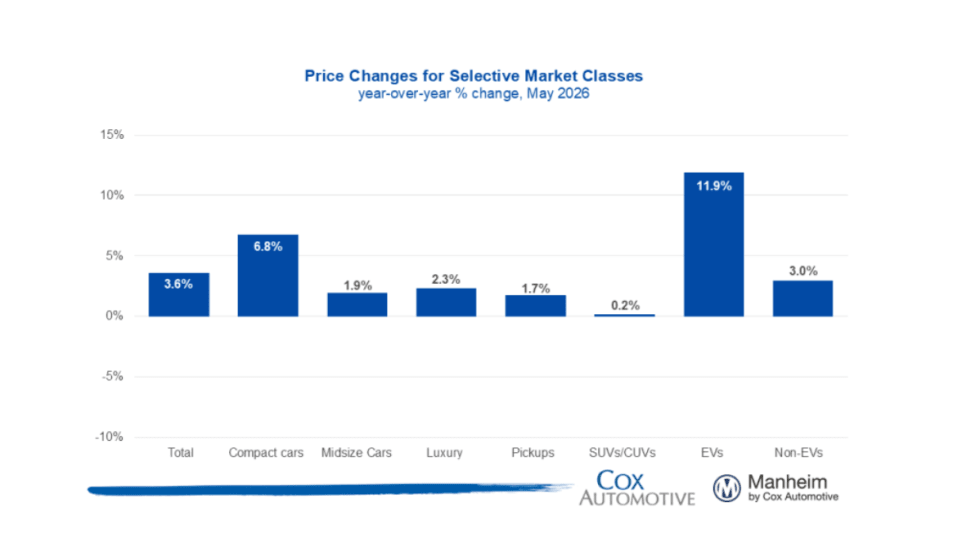
Wholesale Used Vehicle Market Sustains Moderate Rise In Values, Prices
Trends continue to normalize after a strong start to the year, as consumers contend with higher gas prices in the coming summer months.
Read More →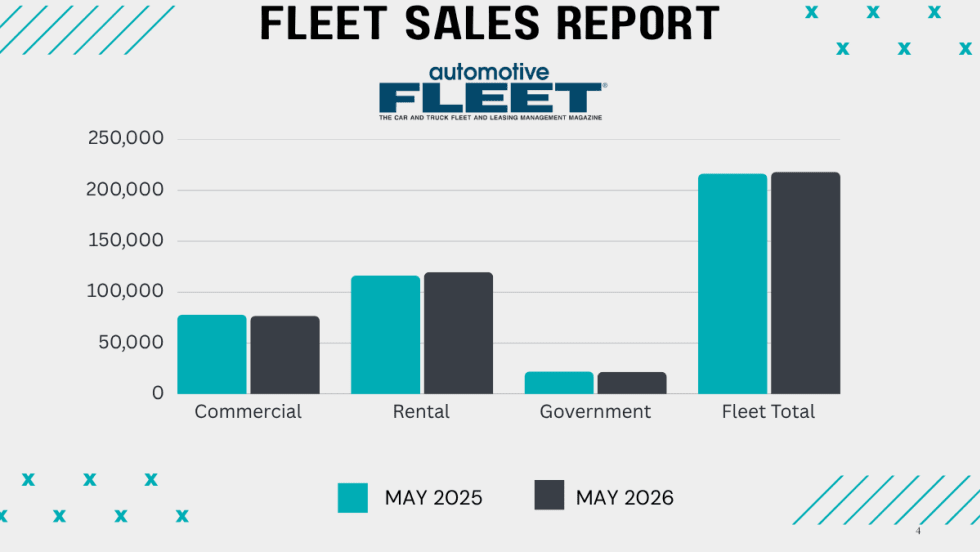
Commercial Fleet Sales Still Lead Sectors Despite May Mini Dip
The U.S. economy's continued growth and positive business investment are creating a favorable environment for fleet vehicle demand.
Read More →
The Data-Driven Haul: 5 Ways AI is Leveling the Playing Field in Auto Transport
Large and small transport fleets are becoming more competitive as predictive analytics and real-time data inform the logistics decision chain.
Read More →
Commercial Fleet Sales Show Healthy Gains
So far, the fleet sector is outshining government and rental fleet sales this year as economic growth spurs more business investment.
Read More →
CAR 2026 Recap Part 2: Closing the Gap Between Data & Remarketing Value
The second half of CAR 2026 examined how fleets can translate lifecycle strategy, vehicle data, and market shifts into higher real-world results.
Read More →