



Remarketing During the Pandemic Recovery
While the COVID-19 pandemic slowed remarketing efforts for some fleets and ramped them up for others over the past year, 2021 fleet remarketing is looking better for most everyone.

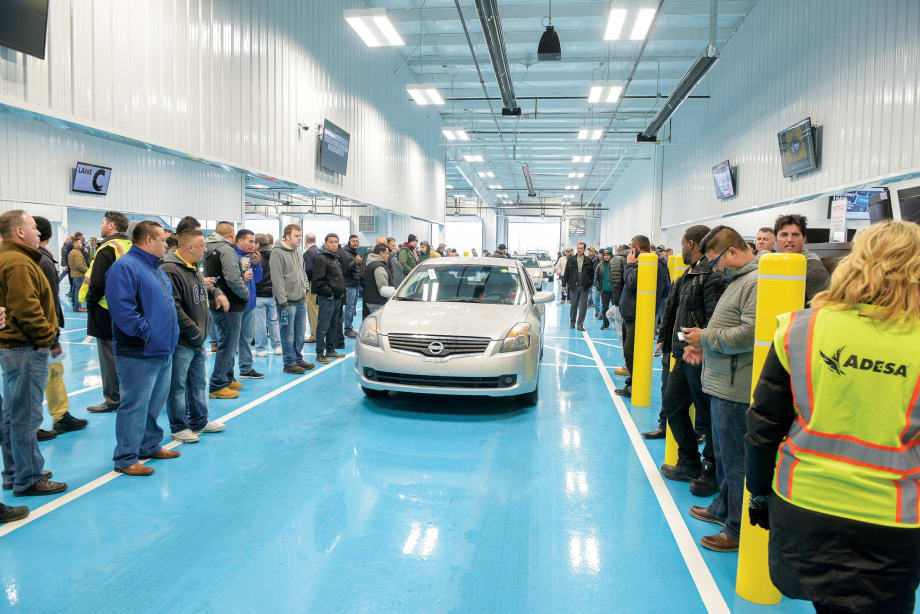
Photo courtesy of KAR Auction Services
While the COVID-19 pandemic slowed remarketing efforts for some fleets and ramped them up for others over the past year, 2021 fleet remarketing is looking better for most everyone.
That’s the outlook from Debbie Struna, national account manager for Fleet Street Remarketing (FSR), a Florida-based firm specializing in remarketing fleet vehicles for more than 30 years.

Debbie Struna of Fleet Street Remarketing
“In 2021, things seem to be turning around,” Struna observes. “Remarketing values, down over the past year, are rising. This past February was the best month of remarketing values in a while.”
The pandemic’s uneven impact has related to a company’s business sector, with delivery fleets predictably faring well, says Struna. In addition, some remarketing-dependent processes—vehicle registrations, titling, etc.—slowed significantly as government offices reduced staffing.
A native of Clarion, Pa., who holds a degree in Business Administration, Marketing, from Clarion University, Struna is a 13-year fleet veteran. Her background includes stints as manager of RiteAid’s 1,800-vehicle national fleet and western region sales representative for Volkswagen. She joined FSR in 2017.
24/7 Future: Fast, Customized
Noting that fleet remarketing is already a 24/7 process, Struna predicts it will continue to grow faster, easier and more customized. With digital sales open to as a wide an audience as desired, she advises working with a remarketing firm “that can handle this 24/7 reality.”
Fleet managers should also “look at more than the traditional remarketing options,” says Struna. She suggests exploring remarketing specialist firms that employ the latest advances and offer a well-developed direct-to-consumer platform.
As important, she believes are firms with “the human connection”— whose staff provide “quick, direct responses in person, not waiting for messages to be retrieved.”
Remarketing Best Practices
Struna offers several best vehicle remarketing practices to reduce days-to-sale and increase residuals.
● Lifecycles: Cycle vehicles at the right time to obtain maximum residual values. Research ways to improve vehicles’ end-of-cycle conditions. Driver safety programs and incentives for drivers to maintain vehicles in good condition can help improve the bottom line.
● Return on Investment (ROI): Bear in mind ROI in determining the value of a vehicle repair. Does the ROI on a new transmission, for example, justify the repair?
Similarly, use total cost of ownership (TCO) as the measure for decisions on replacement times, vehicle selection, etc.
● Right sizing: Always right-size the fleet and determine optimal replacement times, considering factors such as mileage and maintenance. Ask, “How will increased maintenance costs affect the vehicle’s TCO?” Consult OEMs, fleet management companies and remarketers for data and advice.
● Vehicle Selection: Consider vehicle makes and models that not only fit fleet needs, but also provide better resale. Examine the cost/needs relationship to TCO. Higher-cost, higher-residual models may offer better TCO than a lower-cost model. In addition, consumers increasingly want vehicle models offering next-generation technology, the newest “bells and whistles” and the latest in safety features. Fleet vehicles with these elements provide additional value when remarketed.
● Service Providers: Routinely benchmark service providers. Are fleet needs still being met? Have company circumstances, policies, procedures changed? Have standards of service remained acceptable?
Finally, avoid the “that’s the way it’s always been done” mindset. Consider alternative options, new service providers, and fresh approaches to improve the fleet budget bottom line.
Originally posted on Automotive Fleet
More Fleet

Acertus Acquires Fisher Shipping, CEO to Join Acertus
Fisher Shipping will retain its brand and team, while its customers gain access to Acertus’ transportation, storage, vehicle care, and title and registration services.
Read More →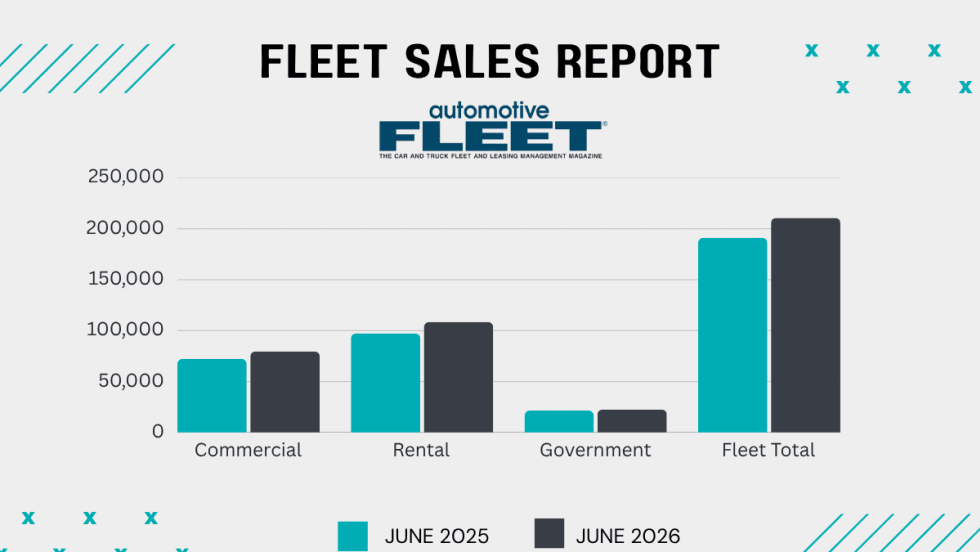
Commercial Fleet Sales Contribute To June, YTD Gains
The fleet sector has boosted its vehicle purchases at a reliable pace in the first half of this year compared with 1H 2025.
Read More →
Registration Opens for 2026 Fleet Forward Conference
Held on the East Coast for the first time, the Washington, D.C.-area event features expert-led education, a new IIHS Crash Test Experience, and collocation with the NAFA’s Fleet Safety Symposium.
Read More →
AP Fleet Management Expands Remarketing Program for Commercial Work Trucks
AP Fleet Management expanded its commercial vehicle remarketing program with dedicated resale services and an online marketplace for used work trucks.
Read More →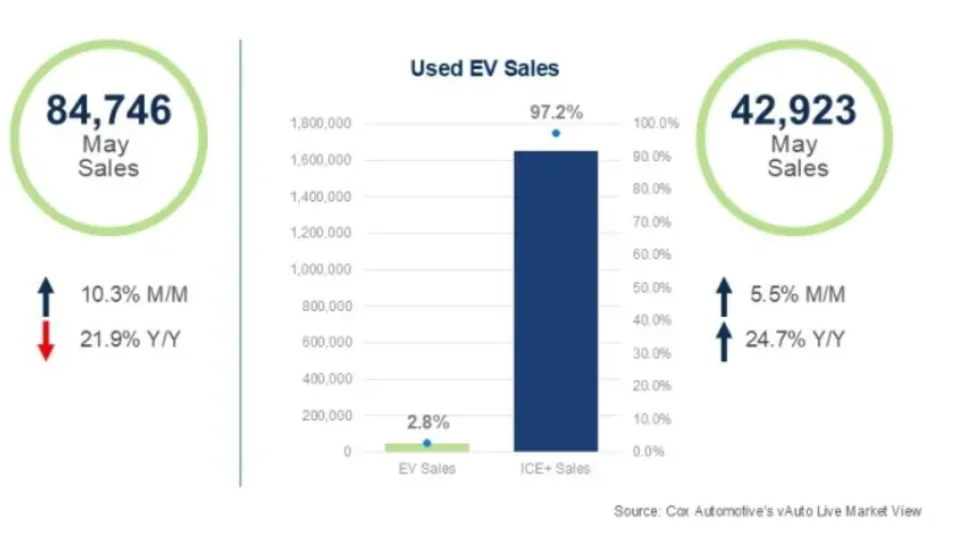
Used EVs Strengthen Overall Electric Vehicle Market
The latest sales data point to several reasons for the divergent trends in new and used EVs that can factor into fleet cycling decisions.
Read More →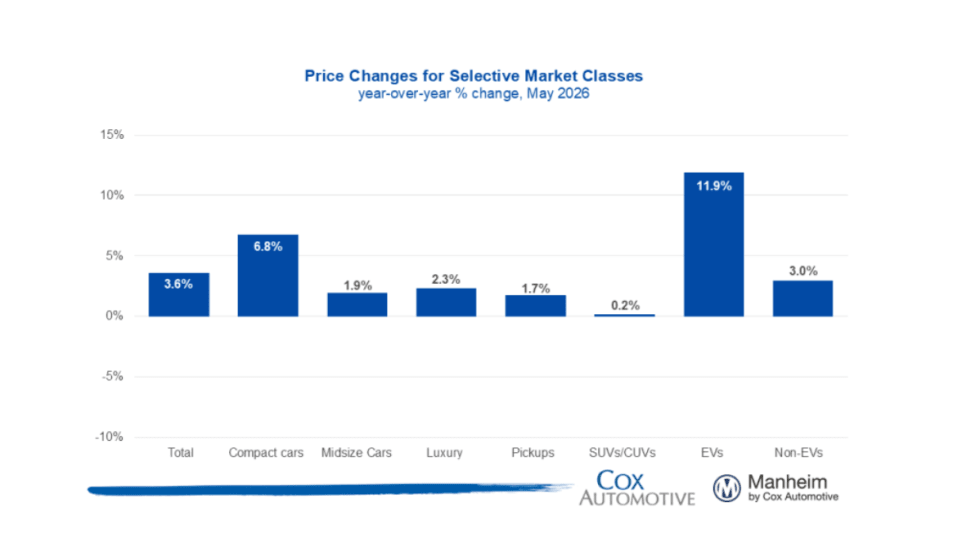
Wholesale Used Vehicle Market Sustains Moderate Rise In Values, Prices
Trends continue to normalize after a strong start to the year, as consumers contend with higher gas prices in the coming summer months.
Read More →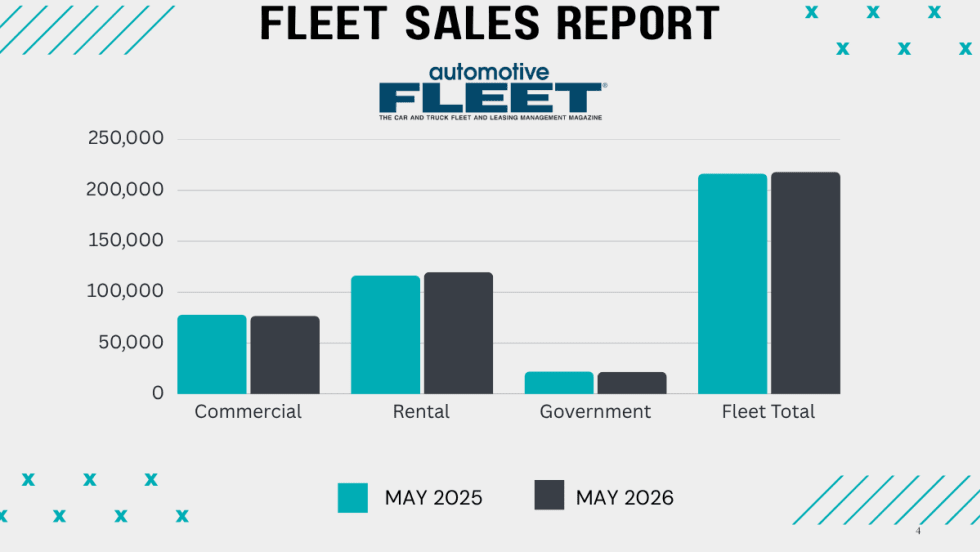
Commercial Fleet Sales Still Lead Sectors Despite May Mini Dip
The U.S. economy's continued growth and positive business investment are creating a favorable environment for fleet vehicle demand.
Read More →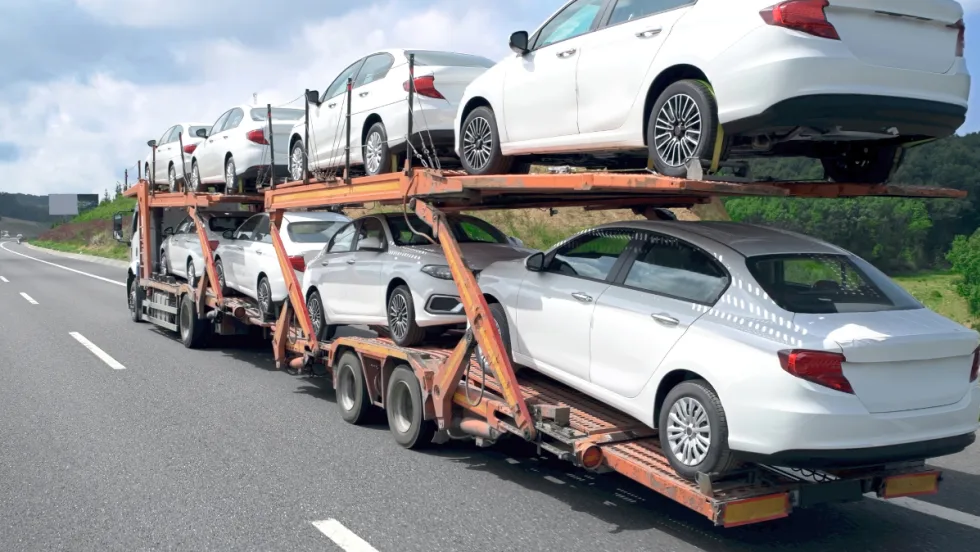
The Data-Driven Haul: 5 Ways AI is Leveling the Playing Field in Auto Transport
Large and small transport fleets are becoming more competitive as predictive analytics and real-time data inform the logistics decision chain.
Read More →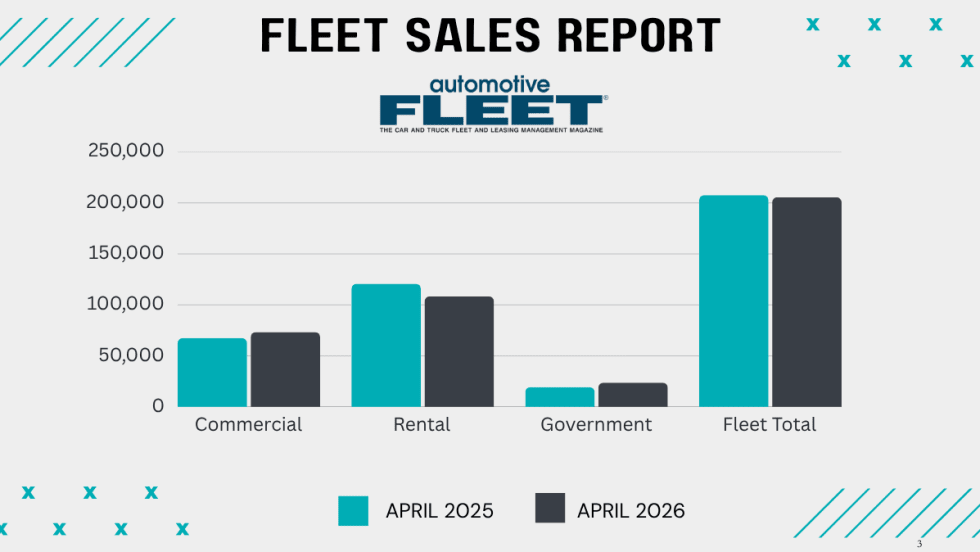
Commercial Fleet Sales Show Healthy Gains
So far, the fleet sector is outshining government and rental fleet sales this year as economic growth spurs more business investment.
Read More →
CAR 2026 Recap Part 2: Closing the Gap Between Data & Remarketing Value
The second half of CAR 2026 examined how fleets can translate lifecycle strategy, vehicle data, and market shifts into higher real-world results.
Read More →