



Related: PARS Ross Replaces Langness as VP of Sales and Client Relations
PARS Logistics App Provides Real-Time Innovation
PARS mobile driver app allows fleet managers and fleet management companies to see real-time order updates from the minute a vehicle is picked up or delivered.
by Daryl Lubinsky
February 1, 2018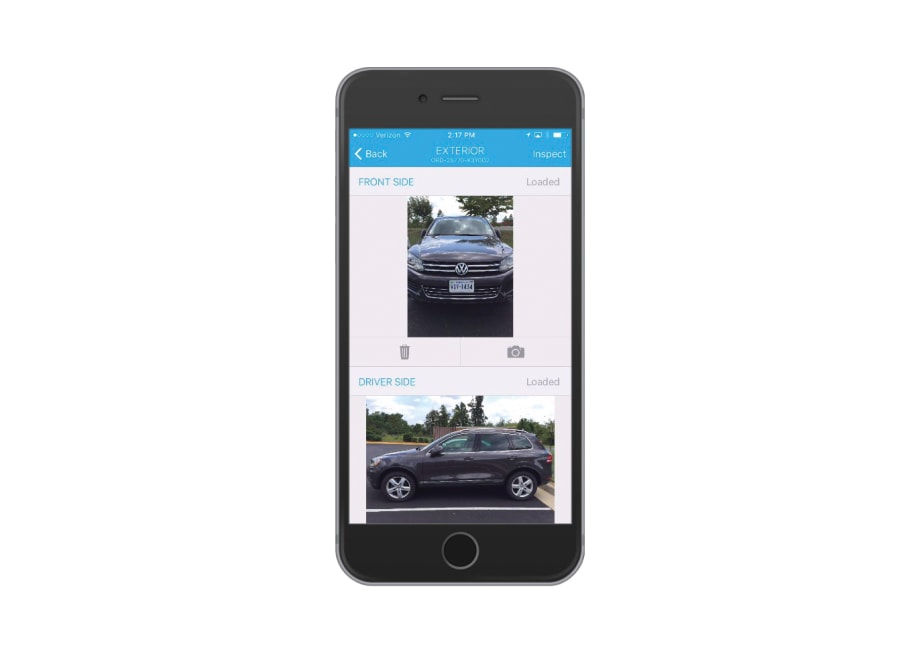
Photo courtesy of PARS
3 min to read
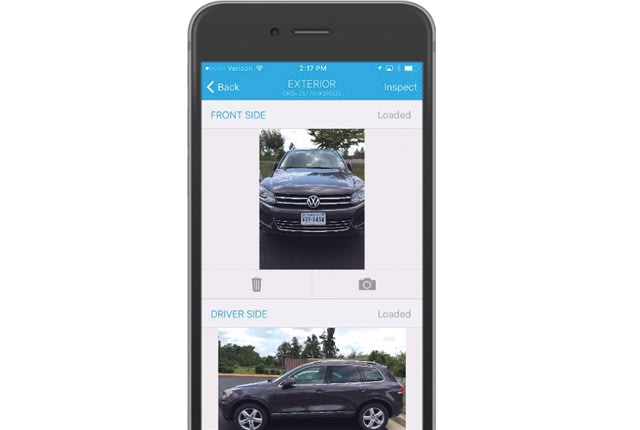
Photo courtesy of PARS
Consider the following situation: A fleet management company places an order to vehicle logistics provider PARS to pick up a car from a terminated employee of a fleet customer and to then deliver it to a new hire.
But, after the PARS driver uses the new PARS driver app to assess and document the car’s condition, the PARS customer service team immediately advises the fleet manager of the car’s condition and provides a copy of the signed pick-up condition report with extensive photos.
The fleet manager can see that the terminated employee did not take very good care of the vehicle, which showed numerous exterior blemishes.
“Now the fleet manager can decide, based on the pictures, ‘Do I want to get those blemishes fixed, or do they not look that bad where I could just thoroughly detail the car and deliver it to the new employee without any repairs?’” said Erik Rasmussen, director of strategic operations for PARS.
The above situation is fictitious, but Rasmussen likes to provide examples to show how the new app’s real-time features can benefit fleets. He notes that the app allows fleet managers and fleet management companies to see real-time order updates from the minute a vehicle is picked up or delivered. Never before have customers seen such thorough condition reports with photos standard and available real time, he said.
The New Tech
Previously, the process was paper-driven. PARS drivers would carry three-ply carbon copy bill of lading forms that included the vehicle pickup information, destination information, and a condition report that the PARS driver would fill out.
The problem was it wasn’t real-time, because the PARS driver had to call that information back to a PARS field office representative, and the representative might or might not immediately key it into the system.
“They may key order and vehicle in-formation at the end of the day,” Rasmussen said. “It was not real-time, not comprehensive, and we certainly didn’t capture pictures like we do with the PARS driver app today.”
The new PARS driver app has been about three years in the making. PARS’ previous IT system for vehicle delivery worked well, but in 2014 the company began looking to improve it in areas such as more integration with fleets and fleet management companies’ vehicle management systems. PARS considered whether to rebuild its existing system or start from scratch.
“Ultimately, we decided to start from scratch,” Rasmussen said. The company adopted a customer relationship management (CRM) product that PARS customized for its logistical needs. The system houses all of PARS’ customer and order data and marketing information. The company at the same time implemented a new customer portal and web site.
“And we knew from the beginning that mobile was going to be part of it,” he said.
Evolution of the APP
In early 2016, after the new order management system was stable and functional, PARS’ focus immediately shifted to a mobile app. The result is an app with features such as real-time updates to orders available through the PARS customer portal regarding pickup and delivery; and detailed electronic condition reports that provide photos, damage documentation, confirmation of glovebox contents, and capturing of pickup and delivery signatures.
Rasmussen came up with another fictitious example to show how the new app’s real-time features can benefit fleets. The scenario would involve PARS picking up a vehicle from a terminated employee, with the vehicle showing body damage that the termi-nated employee failed to report. In some cases, fleet management companies and fleet managers are now using the information in the PARS app report to charge the terminated employee for the damages he or she failed to report.
“They have the pictures and the detailed condition reporting with the signature, too,” said Rasmussen. “The pickup party and the delivery party both sign these condition reports, so it’s a document they can use in the case of going back and charging separated employees for unreported damage.”
Originally posted on Automotive Fleet
Subscribe to Our Newsletter
More Operations
CAS Automotive Launches Remarketing Service for Damaged, Surplus Equipment
Damaged Equipment expands CAS Automotive’s vehicle remarketing model to commercial equipment, targeting fleet operators, insurers, equipment dealers, and rental companies.
Read More →
Fleet Sales Hold Steady as Commercial Gains Offset Rental Decline
Commercial and government fleet sales increased through July 2026, offsetting most of the decline in rental volume and leaving combined comparable fleet sales 0.5% above the same period last year.
Read More →
Personnel Update: BrickHouse GPS, PRO-VISION, Auto Driveaway, and Proaction
Check out the latest must-know fleet personnel updates from the last couple of months.
Read More →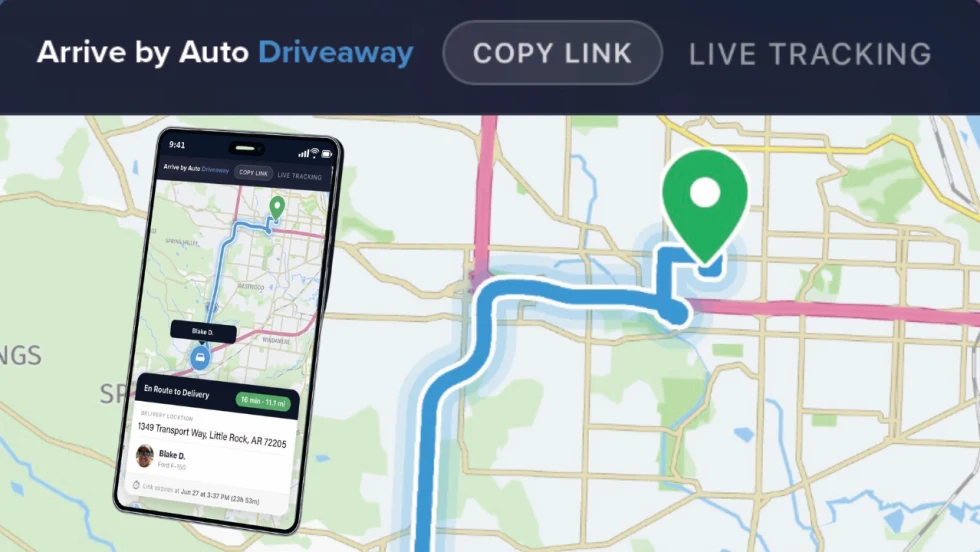
What Comes Next for Auto Driveaway?
A new Auto Driveaway feature called Arrive provides recipients with live location updates and ETAs during the final hour of a vehicle move, while fleet customers continue to have end-to-end shipment visibility through the company's customer portal.
Read More →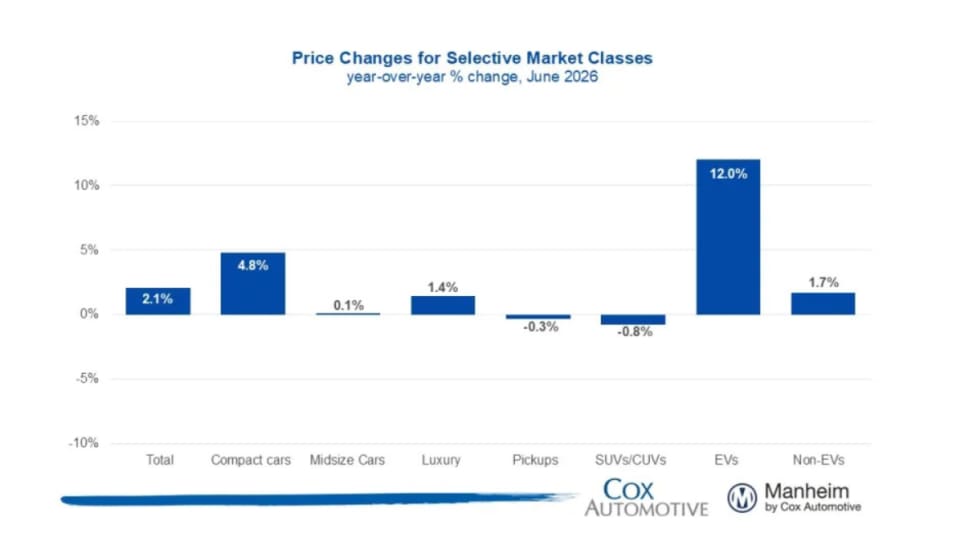
Manheim Index Shows Used-Vehicle Wholesale Prices Up 2.1% in June
The market is seeing stronger appreciation in older used vehicles this year, and the most affordable segments have been among the year’s best performers.
Read More →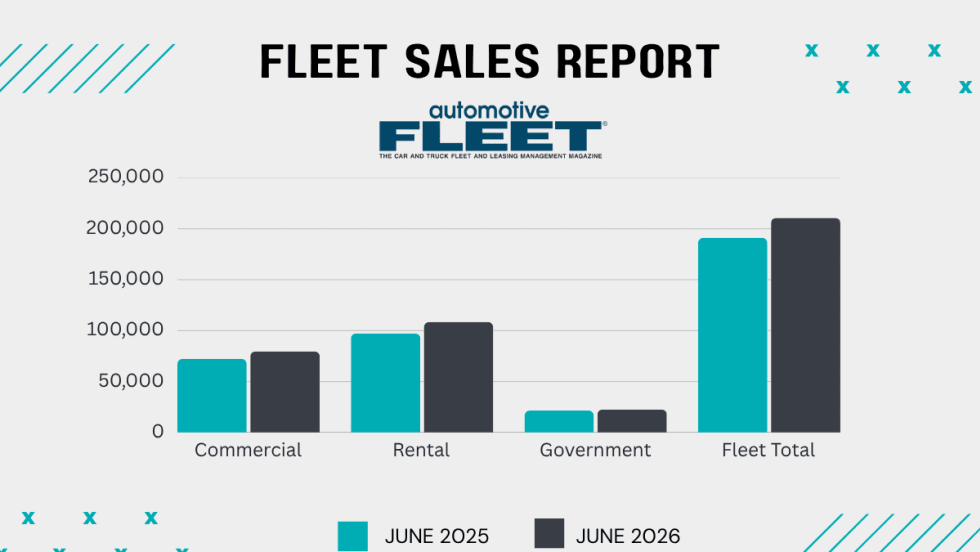
Commercial Fleet Sales Contribute To June, YTD Gains
The fleet sector has boosted its vehicle purchases at a reliable pace in the first half of this year compared with 1H 2025.
Read More →
Stop Remarketing Electric Vehicles Like Gas Cars
The advantages and attributes of electric vehicles are upending the traditional remarketing cycle, requiring fleet sellers to rely on new factors and approaches detailed below.
Read More →
AP Fleet Management Expands Remarketing Program for Commercial Work Trucks
AP Fleet Management expanded its commercial vehicle remarketing program with dedicated resale services and an online marketplace for used work trucks.
Read More →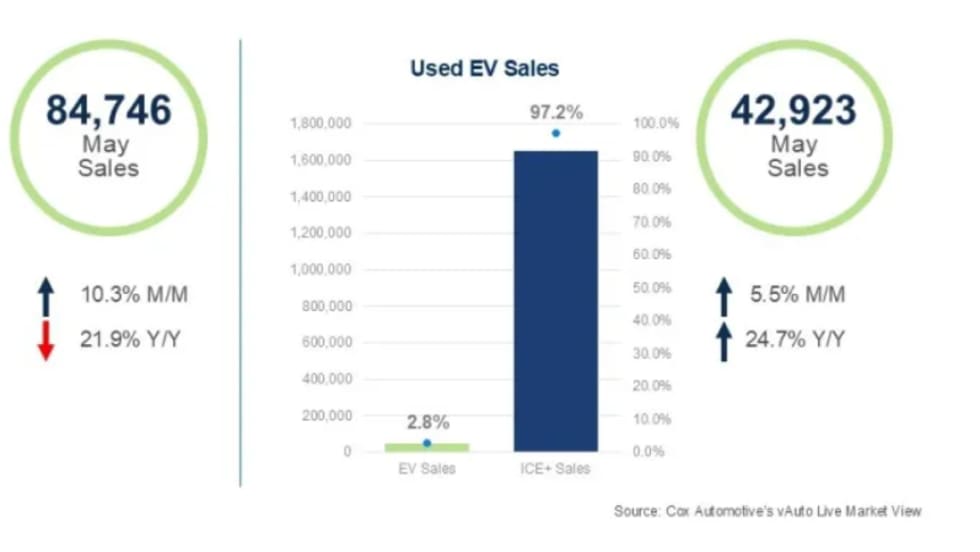
Used EVs Strengthen Overall Electric Vehicle Market
The latest sales data point to several reasons for the divergent trends in new and used EVs that can factor into fleet cycling decisions.
Read More →
The Data-Driven Haul: 5 Ways AI is Leveling the Playing Field in Auto Transport
Large and small transport fleets are becoming more competitive as predictive analytics and real-time data inform the logistics decision chain.
Read More →