



Related: PARS Headquarters Tour
PARS Celebrates 20 Years in Fleet
The company’s continuous investment in technology has heavily driven success in the company’s business as of late.

Andy Lundin・Former Senior Editor

Lori Rasmussen, president and CEO of PARS Inc., has worked in the fleet industry for more than 14 years, beginning her time at vehicle location company, PARS, in 2004.
Photo by Mike Antich.
3 min to read
PARS just celebrated the completion of its 20th anniversary, and one of the biggest takeaways the organization has observed from reflecting on its time serving the fleet industry is both its consistency and willingness to adapt to the changing times.
Looking back, Lori Rasmussen, CEO of PARS, noted that her father, Jim, who founded the company in 1998, was looking to serve a specific niche in the fleet industry, which it continues to do, and more.
Jim, whose fleet career began with General Motors, saw with PARS an opportunity to offer a unique, professional approach to help corporations and fleet management companies relocate their vehicles. The company began humbly by simply moving vehicles from one location to the next, but as the industry changed, Jim knew that certain unique challenges would arise.
“So, he raised the bar for transport excellence by delivering tailored solutions that fit customers’ unique requirements,” said Rasmussen. “To deliver on that promise, he hired and trained the best people as transport specialists. He also invested early on in systems and technology to drive the business’ unique approach.”
Today PARS serves customer needs related to customer transport, storage, titling, repair, project management and more.
How PARS Evolved
There are three major components that have kept PARS a driving force in the fleet industry to this day, according to Rasmussen, which included being early adopters of turnkey and logistics services; establishing a larger presence in the U.S.; and continuous investment in technology.
PARS was first-to-market in turnkey transportation and logistics services, and also added in-transit and temporary plates, license and title services, DOT services, reconditioning and make-ready, maintenance, recall checks, and vehicle storage, Rasmussen said. Doing so ensured a broader scope of servicing customer needs.
PARS also recently moved to a much larger HQ in Gainesville, Va., due to business growth, and now has 13 offices across the nation. She added the company now has more than 60 employees in its offices and has traveled millions of miles over the past 12 months, and served 900 clients, including most of the fleet management companies.
The company’s continuous investment in technology has also recently driven success in the company’s business, including via its driver mobile app, which connects PARS with hundreds of its drivers and customers, and has enhanced its strategic partnerships.
“Our customized technology solution helps us build and strengthen customer relationships, a customer portal that gives our customers unprecedented control and real-time decision-making capability, our driver app for detailing every aspect of every vehicle we move, repair, license, or store, our auto recall capability,” said Rasmussen.
The Future of PARS: Today and Tomorrow
An area of significant improvement over the years for the company has been with its project management capabilities.
“Our project management team will begin with a walk-thru of the situation with the customer. Is the project the result of a close-out, a re-assignment, a storage need, or all of these issues and more? No matter how complex, our team will recommend the best solution and manage it through completion,” she said.
The company will continue expanding customer project complexity and improving performance expectations. Its aforementioned driver app is helping drive this future.
“Today, our driver application is being used to manage more than 95% of our moves,” she said. “Its advantages point to an ongoing trend for even more detailed and timely information.”
PARS continues to invest in its future to make it a driving force in the industry.
“The end-users’ primary goals - today and tomorrow — are and will be saving time and money,” said Rasmussen. “Our future projects will entail investments in both human and technological resources that keep us at the forefront of the transport and logistics industry.
Originally posted on Automotive Fleet
Subscribe to Our Newsletter
More Operations

CAS Automotive Launches Remarketing Service for Damaged, Surplus Equipment
Damaged Equipment expands CAS Automotive’s vehicle remarketing model to commercial equipment, targeting fleet operators, insurers, equipment dealers, and rental companies.
Read More →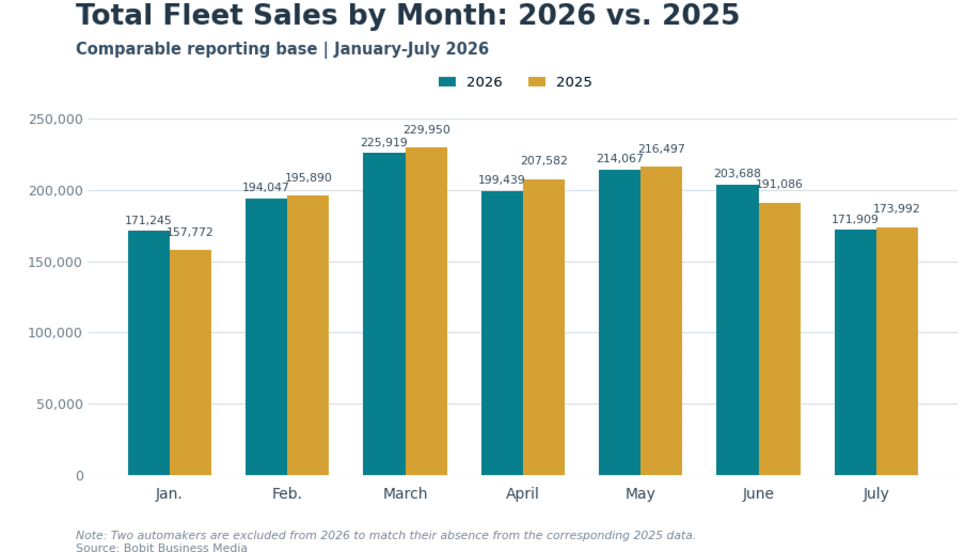
Fleet Sales Hold Steady as Commercial Gains Offset Rental Decline
Commercial and government fleet sales increased through July 2026, offsetting most of the decline in rental volume and leaving combined comparable fleet sales 0.5% above the same period last year.
Read More →
Personnel Update: BrickHouse GPS, PRO-VISION, Auto Driveaway, and Proaction
Check out the latest must-know fleet personnel updates from the last couple of months.
Read More →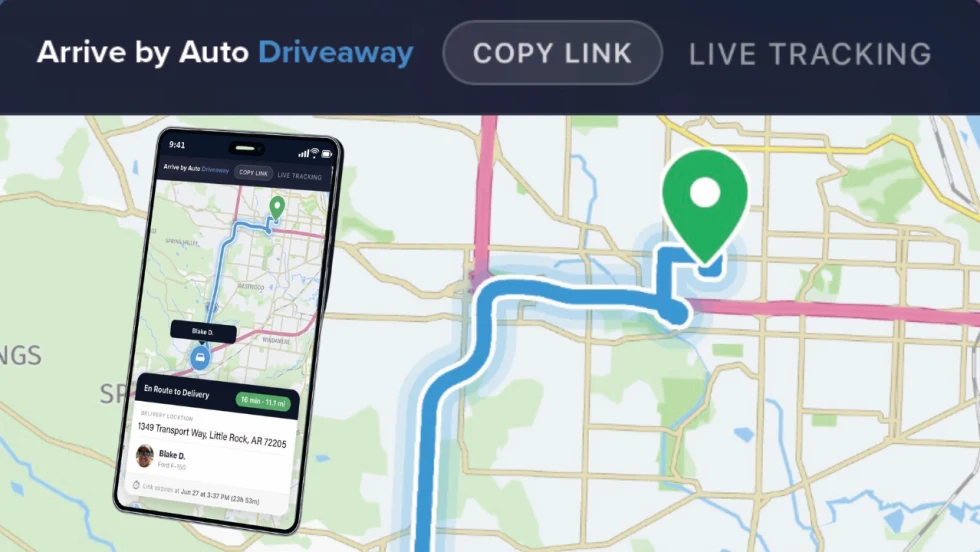
What Comes Next for Auto Driveaway?
A new Auto Driveaway feature called Arrive provides recipients with live location updates and ETAs during the final hour of a vehicle move, while fleet customers continue to have end-to-end shipment visibility through the company's customer portal.
Read More →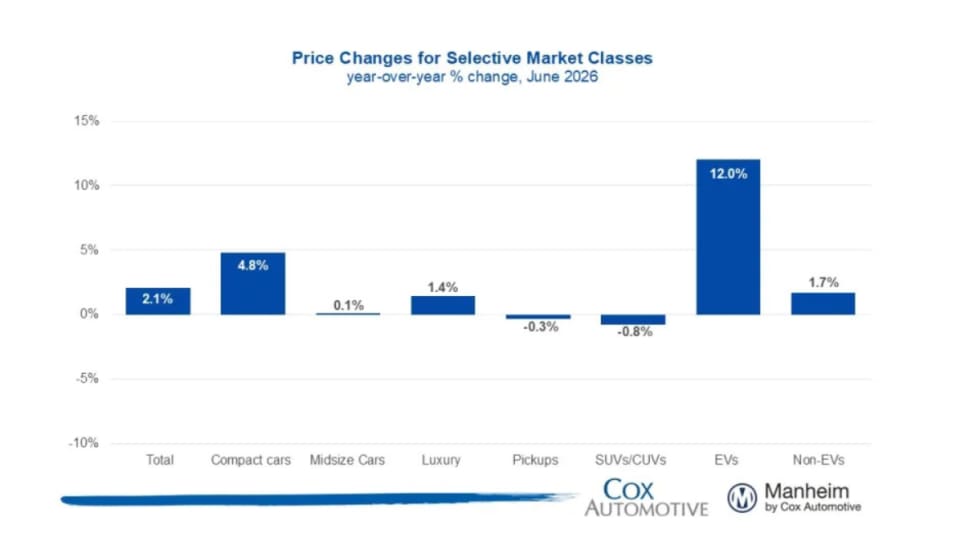
Manheim Index Shows Used-Vehicle Wholesale Prices Up 2.1% in June
The market is seeing stronger appreciation in older used vehicles this year, and the most affordable segments have been among the year’s best performers.
Read More →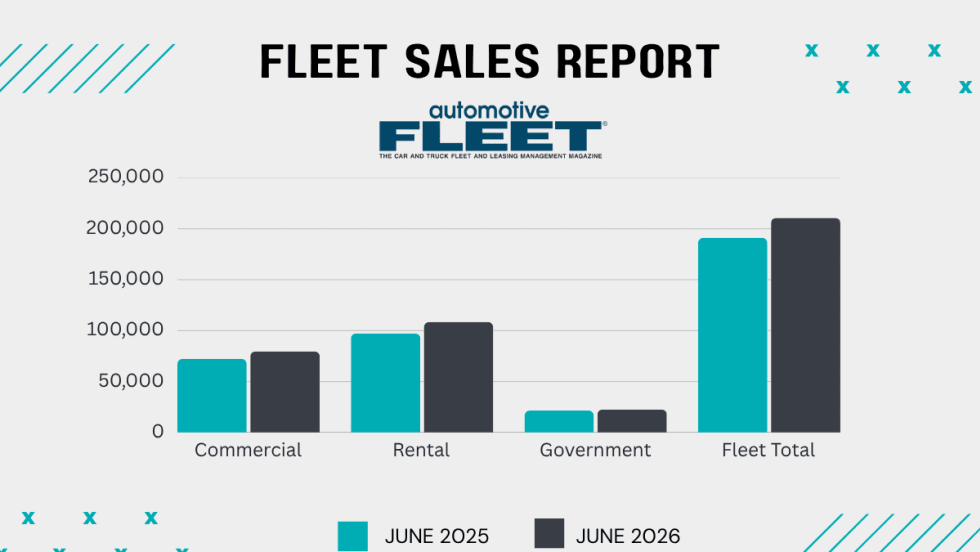
Commercial Fleet Sales Contribute To June, YTD Gains
The fleet sector has boosted its vehicle purchases at a reliable pace in the first half of this year compared with 1H 2025.
Read More →
Stop Remarketing Electric Vehicles Like Gas Cars
The advantages and attributes of electric vehicles are upending the traditional remarketing cycle, requiring fleet sellers to rely on new factors and approaches detailed below.
Read More →
AP Fleet Management Expands Remarketing Program for Commercial Work Trucks
AP Fleet Management expanded its commercial vehicle remarketing program with dedicated resale services and an online marketplace for used work trucks.
Read More →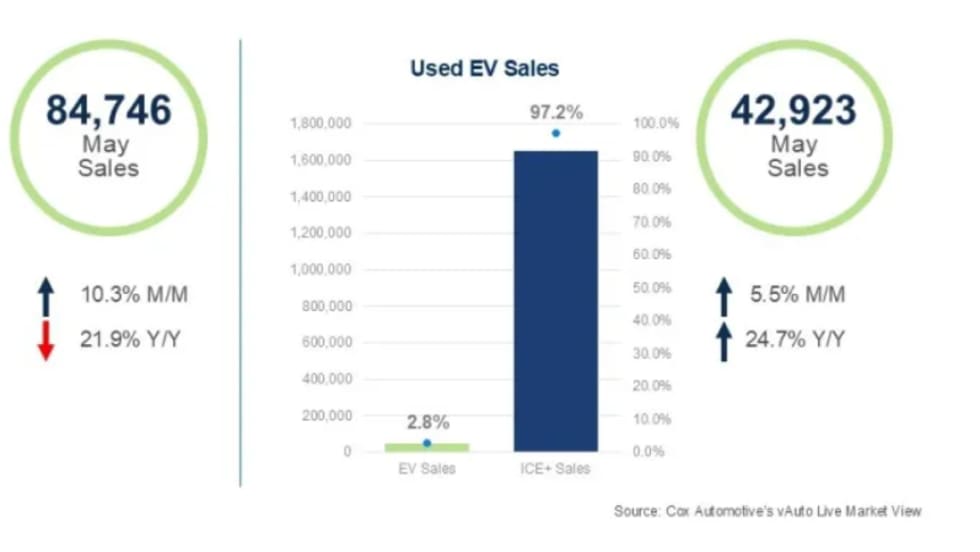
Used EVs Strengthen Overall Electric Vehicle Market
The latest sales data point to several reasons for the divergent trends in new and used EVs that can factor into fleet cycling decisions.
Read More →
The Data-Driven Haul: 5 Ways AI is Leveling the Playing Field in Auto Transport
Large and small transport fleets are becoming more competitive as predictive analytics and real-time data inform the logistics decision chain.
Read More →