



How To Build An Enduring Data And AI Culture
These six best practices can help automotive companies and operations embrace and gradually adjust to a data-driven, AI-informed business model.


Allen Levenson, director of data and analytics at AutoMobility Advisors and a former General Motors executive, took the audience through the steps needed to build a successful data and AI-driven organization.
Photo: Ross Stewart / Stewart Digital Media
The terms data, analytics, and AI are being tossed around in ways that can intimidate as well as enlighten businesses looking to upgrade their operations.
When united into a unified approach or plan, data and AI-driven analysis tools can push an operation to more breakthroughs and better results, said a speaker at the 2025 Conference of Automotive Remarketing in March.
Allen Levenson, director of data and analytics at AutoMobility Advisors and a former General Motors executive, took the audience through the steps needed to build a successful data and AI-driven organization. He shared from decades of experience across OEMs, dealers, and consultancies to inform automotive- related businesses and services on how to get the most out of a digital-data economic wave.
While he spoke to an audience of mostly vehicle consignors, auction operators and managers, and dealers, the principles can apply to any company trying to develop coherent data oversight and usage.
Why Data Culture Matters Now
The culture of AI and data starts at the top of any organization, not with the CEO or the C-suite, but with the owners and board of directors.
"The rationale for a successful data and analytics function is sound," Levenson said. "Our industry is going through more change than it has in 100 years. With digital transformation and AI, we're talking a lot about connected vehicles and autonomy. Data is the foundation necessary to bring all of these to life. If done well and figured out, the success is there in higher revenues, better profits, and much better customer service."
He said data now undergirds all innovation, such as fleet electrification, onboard vehicle connectivity, and digital online marketplaces. Yet many companies struggle to achieve strong returns.
"Companies that are truly data driven and have built this data culture are more successful; they acquire customers, retain them at a much higher rate, and are more profitable," Levenson said.
Quoting an Economist article, he added, "Data, not oil, is now the world's most valuable resource." Mining that resource presents challenges, however. "There’s a lot of money going into data but most of these investments are not generating the return people want.," he said. "Less than a third of data investors are happy with the ROI they’re getting."
6 Pillars of Data Practices
To align a culture, organization, and technology with a data-driven business model, Levenson outlined six core areas an operation can strengthen and improve:
1] Investing in People and Technology
Creating a modern data and analytics function requires deep and ongoing investment. The right talent — data scientists, engineers, and architects — can be expensive and hard to recruit, especially in traditional non-digital industries like automotive.
Companies must consider flexible work environments, including remote roles, and sometimes even equity-based compensation to attract top-tier data talent. GM, for instance, offered stock options to mid-level analytics hires and built global partnerships with firms like EXL to tap into offshore talent.
For technological investments, companies must adopt a modern cloud-based tech stack to handle vast datasets from connected vehicles and digital platforms. Tech tools should enable low-code analytics workflows to empower non-programmers and broaden internal capability.
“What I hear at all the conferences and all the companies I go to is that 80% of the challenge is data — finding it, cleaning it, governing it, and combining it,” Levenson said. “Then you spend a little bit of time analyzing it to get the insights and do the things you want. So much of the effort is the data side.”
2] Fostering a Focused Data Culture
At its core, a data-driven culture means leadership must “walk the walk,” Levenson said. Senior executives should base decisions on dashboards and analytics, not instinct alone. This ethos must cascade throughout the organization.
He mentioned three different kinds of analytics: The basic descriptive analytics, such as Excel reporting and dashboards, and then the two more advanced predictive and prescriptive analytics.
At GM, Levenson’s team introduced executive scorecards that centralized key performance indicators (KPIs) from across departments. They moved away from Excel-based, siloed analysis and toward shared, real-time data dashboards using platforms. They als cultivated a commercial mindset within the analytics team — one focused on delivering measurable business value.
“You have to build up all of this foundational work early to get your data set, and there's always pressure to deliver value,” Levenson said. “You do have to do that foundational work. At GM, we made these investments and pushed hard at having everyone be focused on not what they think and not just their intuition, but what does the data show us?”
3] Finding the Best Company Structure
Data and analytics need to be overseen at a high level within a company or operation, Levenson said.
"Data and analytics, by being newer, doesn't clearly fit within an organization. Where do data and analytics go? Does it report into the IT area? Does it report into marketing? Many companies have struggled, and they've made changes in trying to figure that out. My sense is I don't have one answer. I think it could differ for each company.”
The key is proximity to the C-suite, he said. Data oversight cannot be decentralized into different divisions.
Organizationally, GM adopted a hybrid model. A centralized data team managed core infrastructure and governance, while embedded analytics teams — called business-facing teams — worked within functions like sales, marketing, and after-sales. This allowed for deep alignment with business needs while maintaining technical rigor and efficiency, Levenson said.
“If you want to succeed, you need to get your people trained as much as possible.”
4] Develop Strong Data Governance and Privacy Practices
Levenson warned that even the most innovative data programs can quickly become liabilities without rigorous governance.
He cited a 2024 New York Times investigation that accused GM of sharing customer driving data without consent, allegedly leading to insurance penalties for drivers with no accidents or tickets. [Levenson was not at GM during this period].
He underscored the need for ethical data practices.
“Beyond legal, you must think about what's ethical and what's [acceptable] from a public relations standpoint. Even if you have legal approval, will your customers be comfortable with it? Especially with geo location data you get into a lot of spook factor knowing where the vehicle is.”
Levenson recommended a new “Data Monetization 2.0” model where customers maintain complete control over their data. Companies must build clear, transparent frameworks for consent, cybersecurity, and compliance — such as when dealing with geolocation and behavioral data.
“At the senior level, do your risk assessment, ask the questions, and make sure that you're doing this properly,” he said.
5] Adopting AI Responsibly
“Everybody in this room needs to be thinking about AI and thinking about it hard,” said Levenson, stressing that this transformative technology is no longer optional.
He compared the AI wave to the advent of public access to the internet in the early 1990s. “Many jobs will get done in a much more automated way. There are many good use cases, and the adoption has been unbelievably quick.”
As with the early internet era of new dot.coms, AI is spurring many start-ups and companies that will come and go, he said.
Companies designate chief AI officers or equivalent roles, supported by dedicated AI committees at the board level.
Generative AI offers legitimate use cases — such as automated trend analysis, content generation, predictive maintenance, and customer service chatbots — but only when underpinned by high-quality data, Levenson said.
Connected vehicle data is one area where AI can be most useful by providing more insights and predicting automotive repairs. “Many fleets and commercial companies see big opportunities in predictive maintenance.”
6] Using Data for Social Good
The final pillar Levenson discussed was using data to make the world better. At GM, this ethos took shape in its mission to achieve zero crashes, zero emissions, and zero congestion — goals that depend on advanced data analysis, Levenson said.
Examples included using connected vehicle data to detect potholes and notify municipalities of faster repairs or streamlining urban traffic flows to reduce emissions. While smaller companies may lack the resources for such programs, Levenson said every organization has a role in promoting ethical and beneficial data use.
In sum, Levenson said that applying AI to data is necessary for automotive companies and operations that collect electronic information.
To stay competitive, operations must deploy tools and technologies while establishing data-centric leadership, culture, structure, and ethics.
He advised businesses new to AI and data analysis to:
Start small
Focus on real business problems
Build a modern foundation
Look at the big picture
Whether you’re a startup, dealer, or multinational OEM, the path to value lies in aligning employees, processes, and purpose around data.
Originally posted on Automotive Fleet
More Operations

CAS Automotive Launches Remarketing Service for Damaged, Surplus Equipment
Damaged Equipment expands CAS Automotive’s vehicle remarketing model to commercial equipment, targeting fleet operators, insurers, equipment dealers, and rental companies.
Read More →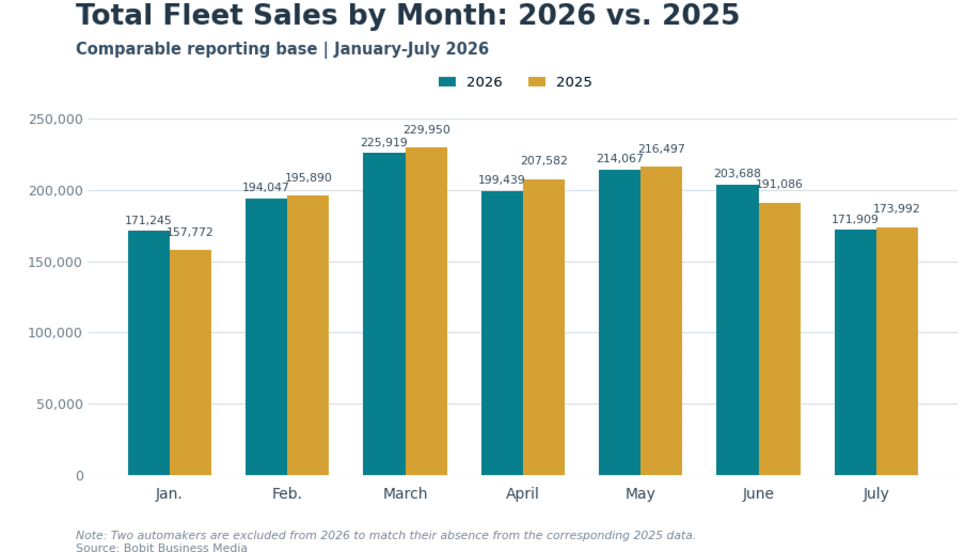
Fleet Sales Hold Steady as Commercial Gains Offset Rental Decline
Commercial and government fleet sales increased through July 2026, offsetting most of the decline in rental volume and leaving combined comparable fleet sales 0.5% above the same period last year.
Read More →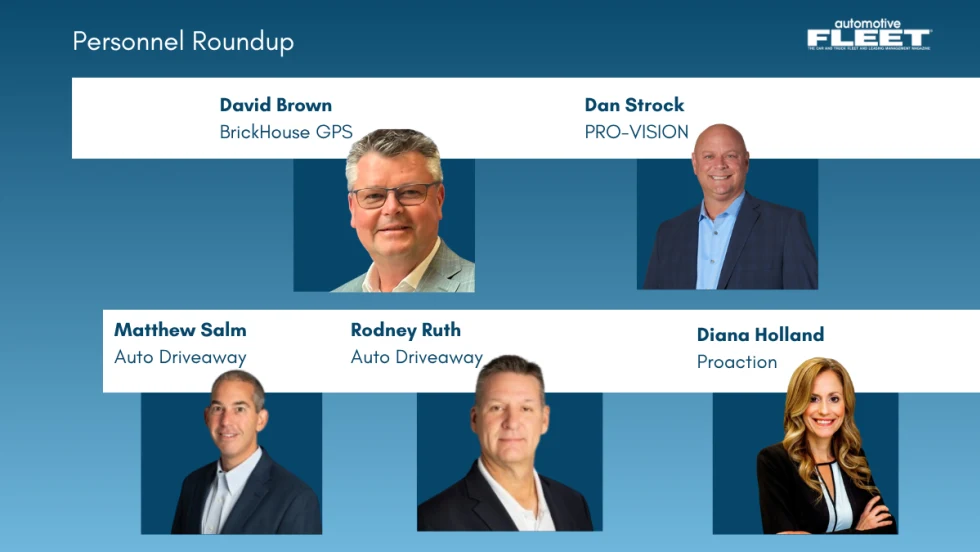
Personnel Update: BrickHouse GPS, PRO-VISION, Auto Driveaway, and Proaction
Check out the latest must-know fleet personnel updates from the last couple of months.
Read More →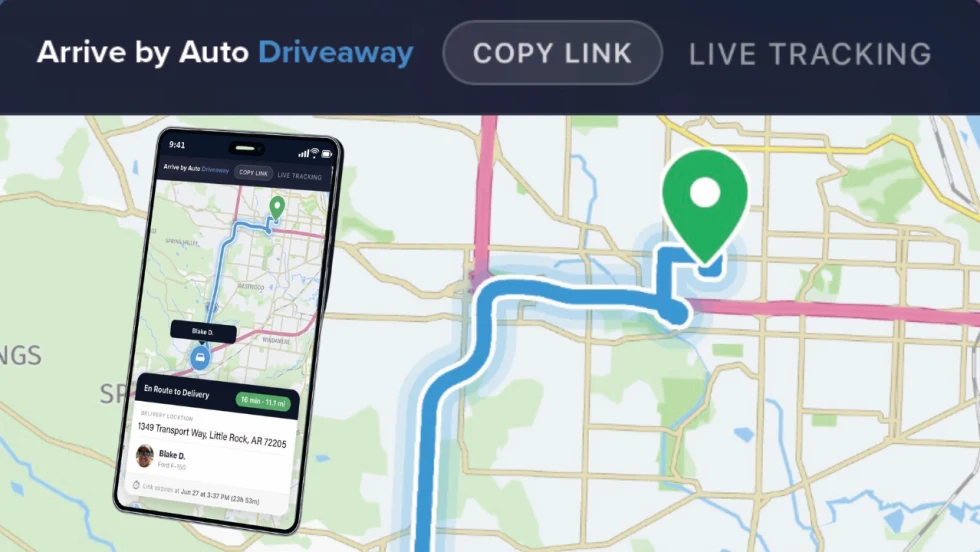
What Comes Next for Auto Driveaway?
A new Auto Driveaway feature called Arrive provides recipients with live location updates and ETAs during the final hour of a vehicle move, while fleet customers continue to have end-to-end shipment visibility through the company's customer portal.
Read More →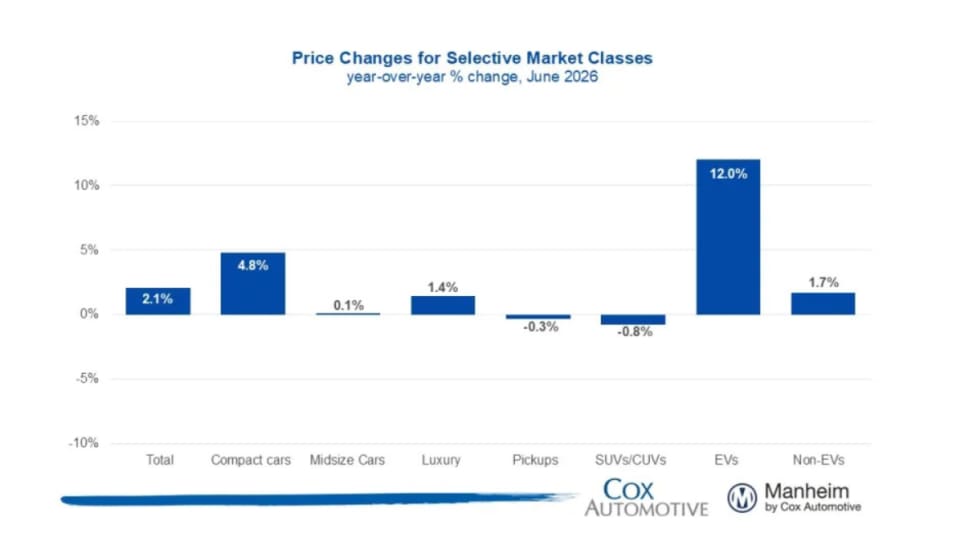
Manheim Index Shows Used-Vehicle Wholesale Prices Up 2.1% in June
The market is seeing stronger appreciation in older used vehicles this year, and the most affordable segments have been among the year’s best performers.
Read More →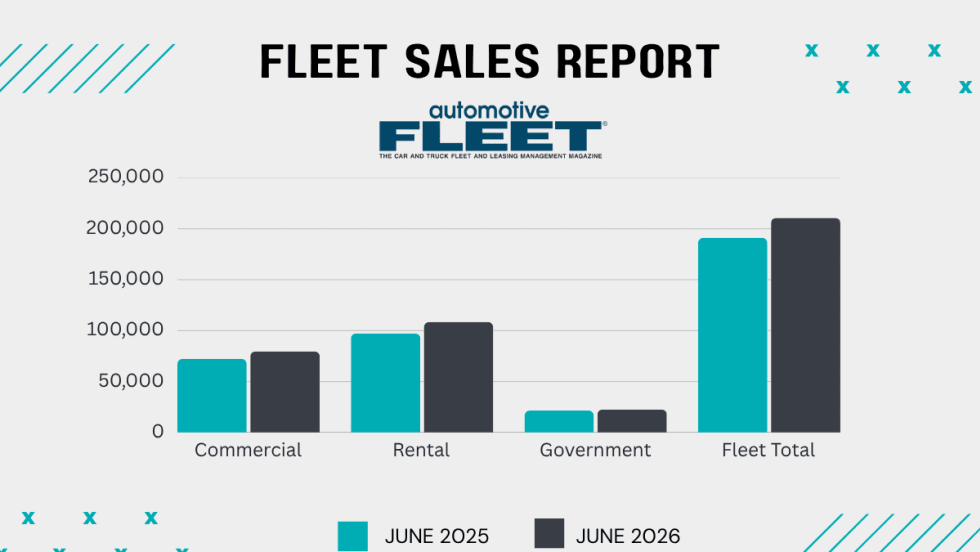
Commercial Fleet Sales Contribute To June, YTD Gains
The fleet sector has boosted its vehicle purchases at a reliable pace in the first half of this year compared with 1H 2025.
Read More →
Stop Remarketing Electric Vehicles Like Gas Cars
The advantages and attributes of electric vehicles are upending the traditional remarketing cycle, requiring fleet sellers to rely on new factors and approaches detailed below.
Read More →
AP Fleet Management Expands Remarketing Program for Commercial Work Trucks
AP Fleet Management expanded its commercial vehicle remarketing program with dedicated resale services and an online marketplace for used work trucks.
Read More →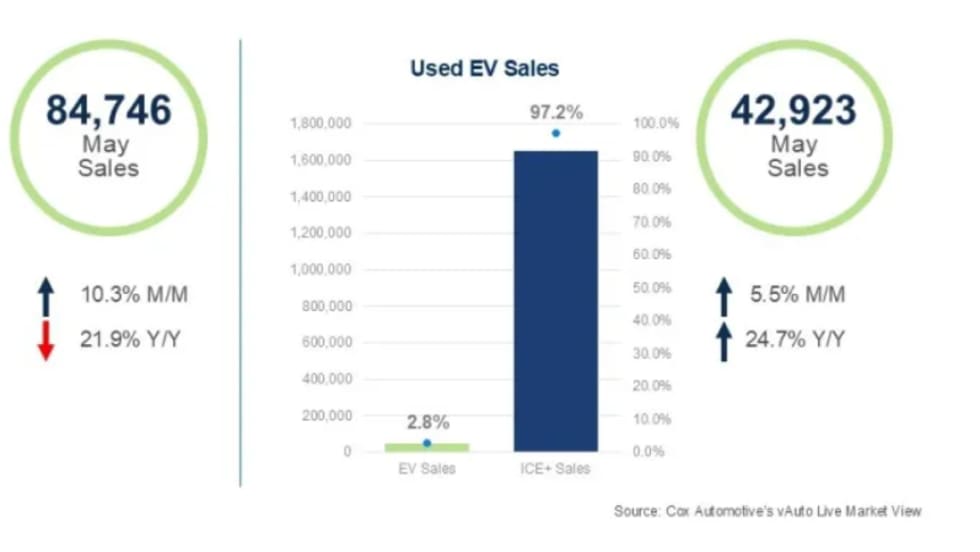
Used EVs Strengthen Overall Electric Vehicle Market
The latest sales data point to several reasons for the divergent trends in new and used EVs that can factor into fleet cycling decisions.
Read More →
The Data-Driven Haul: 5 Ways AI is Leveling the Playing Field in Auto Transport
Large and small transport fleets are becoming more competitive as predictive analytics and real-time data inform the logistics decision chain.
Read More →