



How Do You Maximize Retained Value on Truck Replacement?
When is the right time to replace your light trucks and vans? That's a question we posed recently during a roundtable discussion with four of the most knowledgeable fleet managers in the business.
When is the right time to replace your light trucks and vans? That's a question we posed recently during a roundtable discussion with four of the most knowledgeable fleet managers in the business.
They are: George Weimer, director of transportation services for Continental Telecom in Atlanta (his 8,000-vehicle fleet includes 5,100 light trucks); Robert Whitfield, corporate fleet administrator for Brown & Williamson Tobacco Corp of Louisville, KY (1,750 vehicles including 900 vans); George Denick, automotive fleet manger in the corporate services department of Texaco, Inc. in New York (8,400 vehicles including 3,200 light trucks); and E. Pierce Walsh, director of fleet management for IC Industries, Inc. of Chicago (4,500 vehicles including 1,500 light trucks and vans).
Weimer: My replacement policy for light trucks and vans is four years or 70,000 miles. I'm trying to get that used trucks out on the market with something left on it to sell. And in my experience the truck will take more miles than a car will take when you go to sell it.
Walsh: For our vans, the replacement policy is 60,000 miles or three years. For the light trucks, it's four to five years and 70,000 to 100,000 miles.
Denick: Our trade-cycle policy for light trucks is currently three years and 65,000 miles. Or, if you run 100,000 miles before three years, we'll replace it. We've had some of those.
Whitfield: For our plant vehicles, for the trucks that haul the forklifts and so forth, the replacement policy is unlimited, really. Some of them are as much as 10 years old. But the majority of my vans are with the sales force, and those are on a three year/600,000-mile cycle. That's because I have a demand for my used vehicles.
The purchased can cut a window in, put a seat in, and they have created a recreational vehicles. Therefore, I am maximizing my retained value. Going out there with 60,000-70,000 miles on them is not a problem, because with some modification these vans become an inexpensive R.V. But for the plant vehicles, again, it's whenever I remind the braches to review their vehicles and to figure replacement expenses in their yearly budget.
Weimer: Do you tell them which vehicles they ought to be considering? Do you say, 'Here is the fleet; based on the mileage and the age, you should consider replacing this vehicle this year?
Whitfield: Yes, our computer puts that together on the basis of age and mileage. Then we tell them which vehicles are going to be replaced.
Denick: I'm within six months of implementing a system like that; that's the direction I want to go.
Whitfield: It's a work tool. And it helps us to maximize that retained value.
Denick: The biggest part of our job when you get right down to it is the used market. We're just starting to recognize that! I tell my management: 'I'm acquiring $20 million worth of vehicles, but I'm going to sell $7 million worth of used equipment for you.'
This is an area of opportunity that we have just begun to explore. This exploration goes beyond the traditional disposal methods of employee-sale, wholesalers, and auctions. We have had great success with employee-auctions held at lunchtime in one of our office buildings.
Originally posted on Automotive Fleet
More Fleet
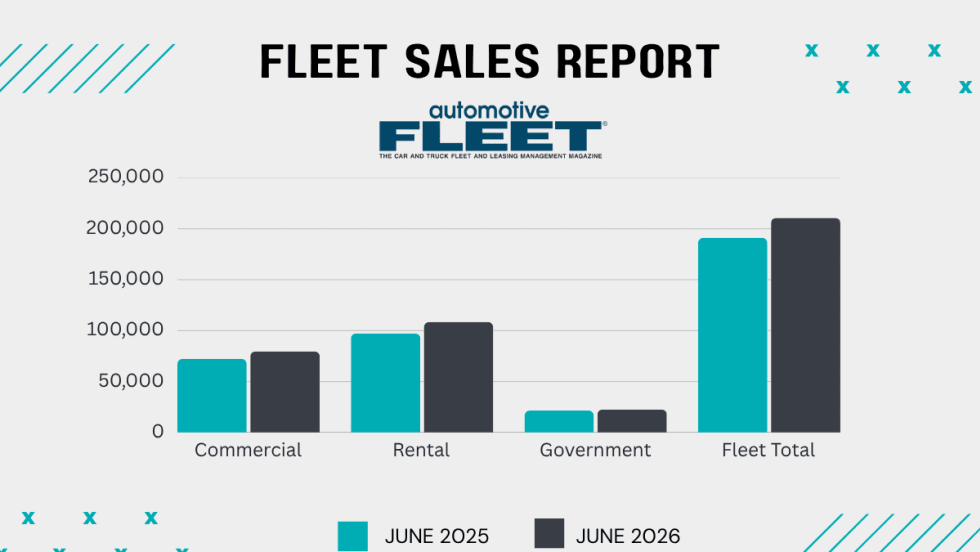
Commercial Fleet Sales Contribute To June, YTD Gains
The fleet sector has boosted its vehicle purchases at a reliable pace in the first half of this year compared with 1H 2025.
Read More →
Registration Opens for 2026 Fleet Forward Conference
Held on the East Coast for the first time, the Washington, D.C.-area event features expert-led education, a new IIHS Crash Test Experience, and collocation with the NAFA’s Fleet Safety Symposium.
Read More →
AP Fleet Management Expands Remarketing Program for Commercial Work Trucks
AP Fleet Management expanded its commercial vehicle remarketing program with dedicated resale services and an online marketplace for used work trucks.
Read More →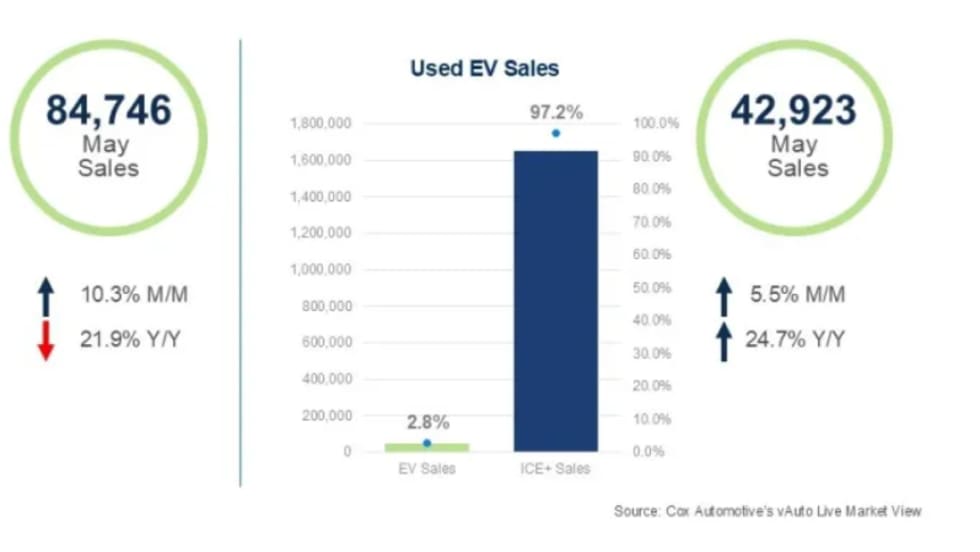
Used EVs Strengthen Overall Electric Vehicle Market
The latest sales data point to several reasons for the divergent trends in new and used EVs that can factor into fleet cycling decisions.
Read More →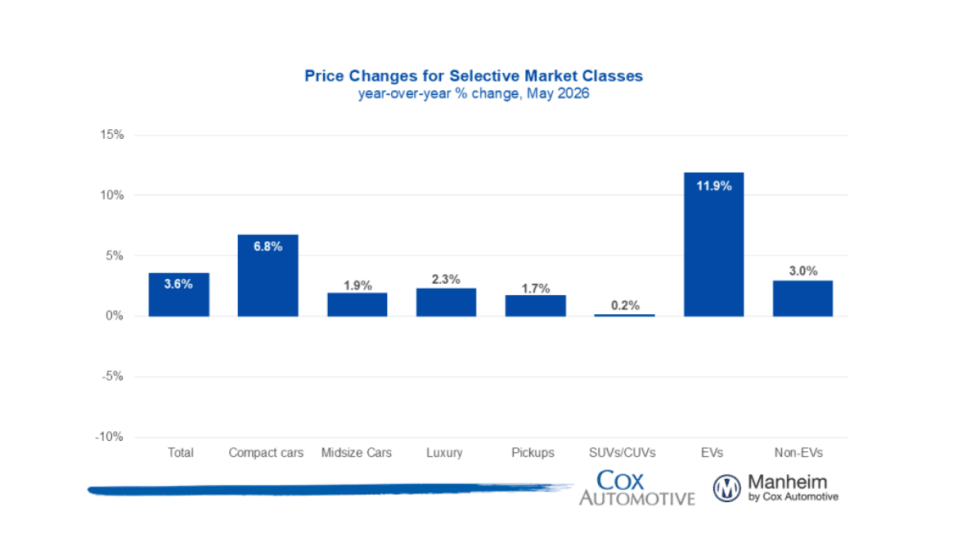
Wholesale Used Vehicle Market Sustains Moderate Rise In Values, Prices
Trends continue to normalize after a strong start to the year, as consumers contend with higher gas prices in the coming summer months.
Read More →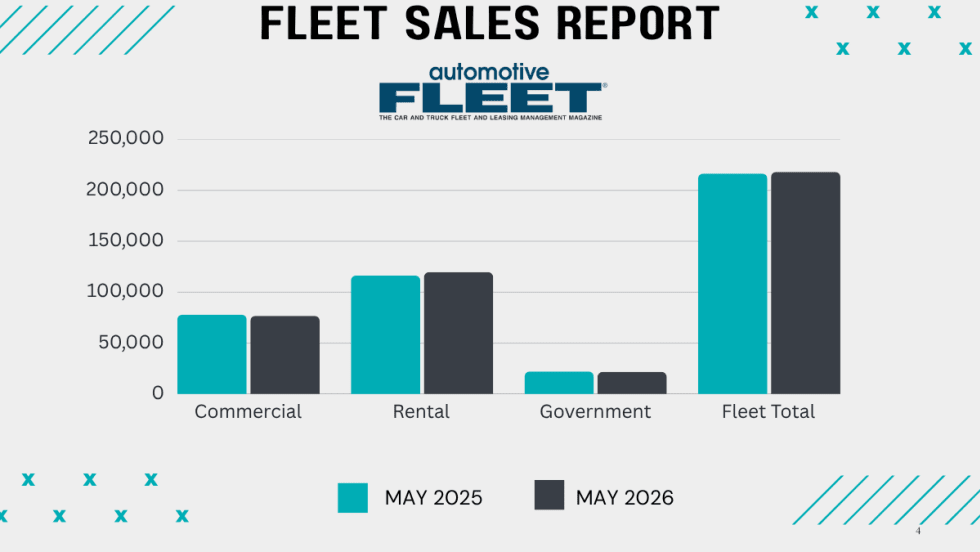
Commercial Fleet Sales Still Lead Sectors Despite May Mini Dip
The U.S. economy's continued growth and positive business investment are creating a favorable environment for fleet vehicle demand.
Read More →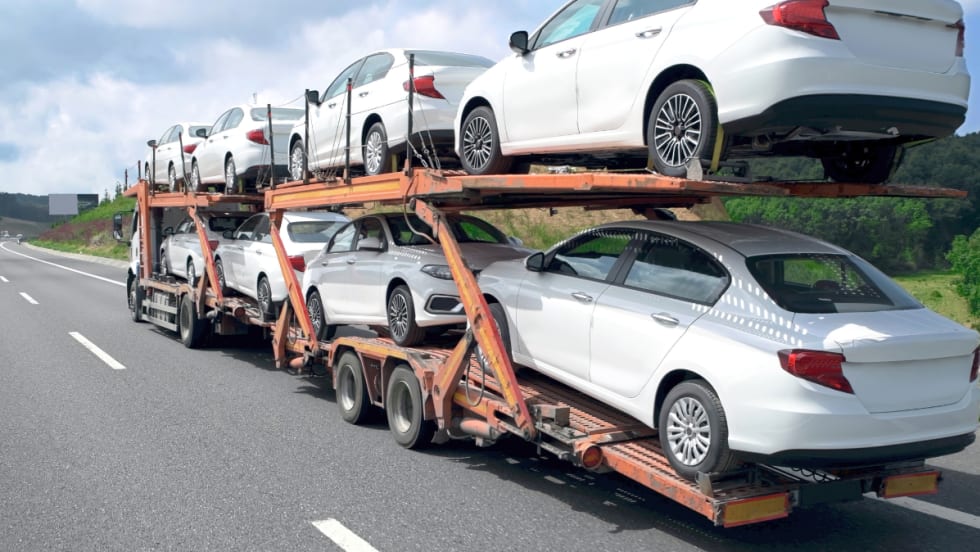
The Data-Driven Haul: 5 Ways AI is Leveling the Playing Field in Auto Transport
Large and small transport fleets are becoming more competitive as predictive analytics and real-time data inform the logistics decision chain.
Read More →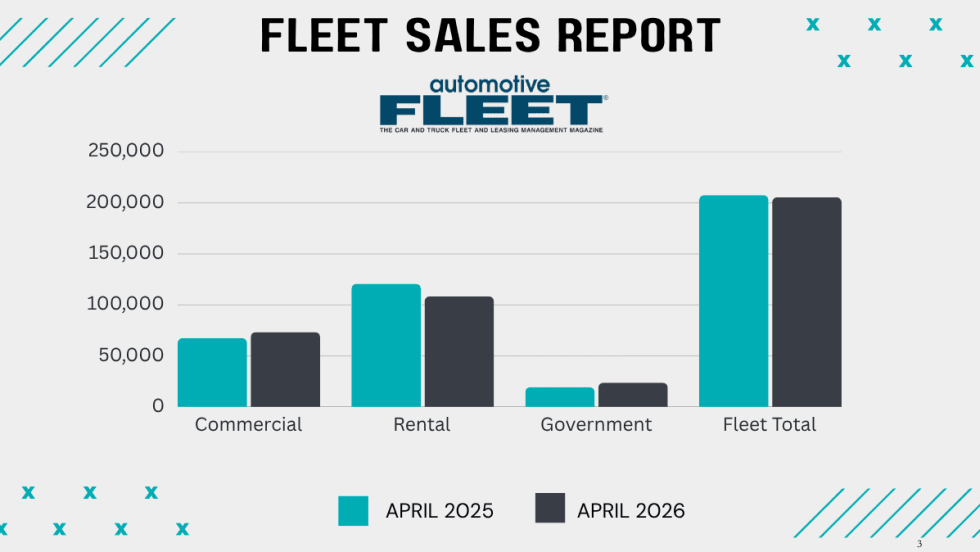
Commercial Fleet Sales Show Healthy Gains
So far, the fleet sector is outshining government and rental fleet sales this year as economic growth spurs more business investment.
Read More →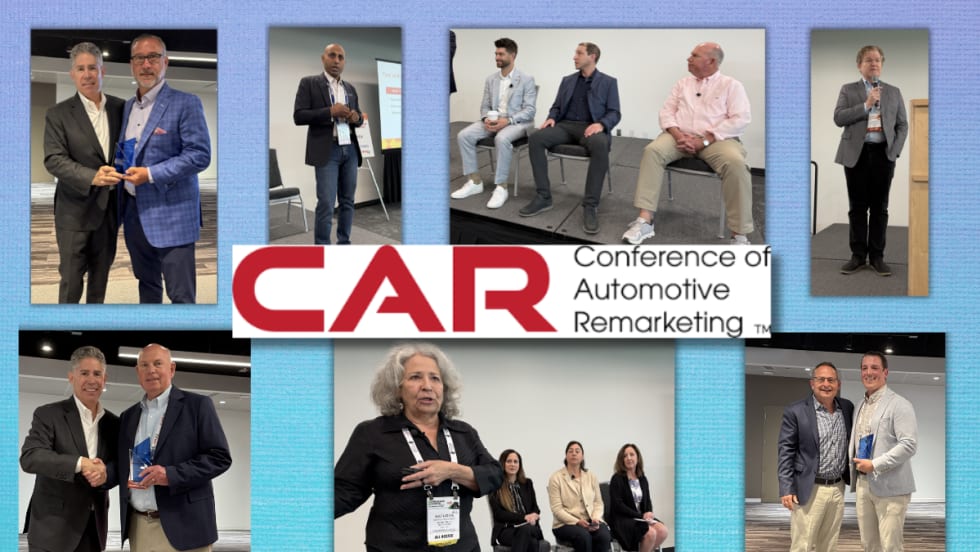
CAR 2026 Recap Part 2: Closing the Gap Between Data & Remarketing Value
The second half of CAR 2026 examined how fleets can translate lifecycle strategy, vehicle data, and market shifts into higher real-world results.
Read More →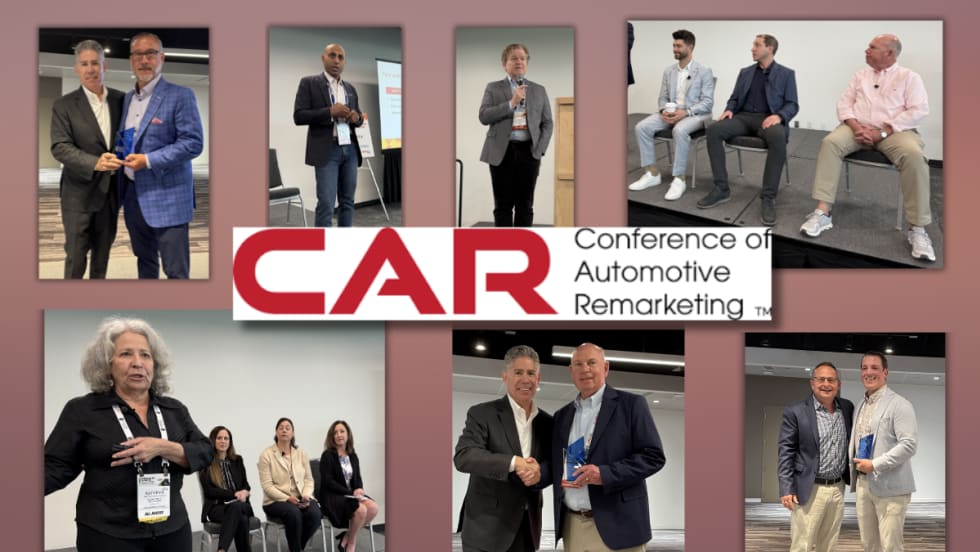
CAR2026 in Two Words: Velocity, Value (Part 1)
The 2026 Conference of Automotive Remarketing convened with a mandate to involve a new constituency — fleet managers — and an updated mission to demonstrate unrealized value in de-fleeted vehicles.
Read More →