




Related: Pickups and SUVs Drive Up New Car Prices in November
New Vehicle Prices Grew 3% in 2018
The average transaction price for a new vehicle in the U.S. was $37,577 in December 2018, a 1.3% increase from the same time in 2017.
January 3, 2019
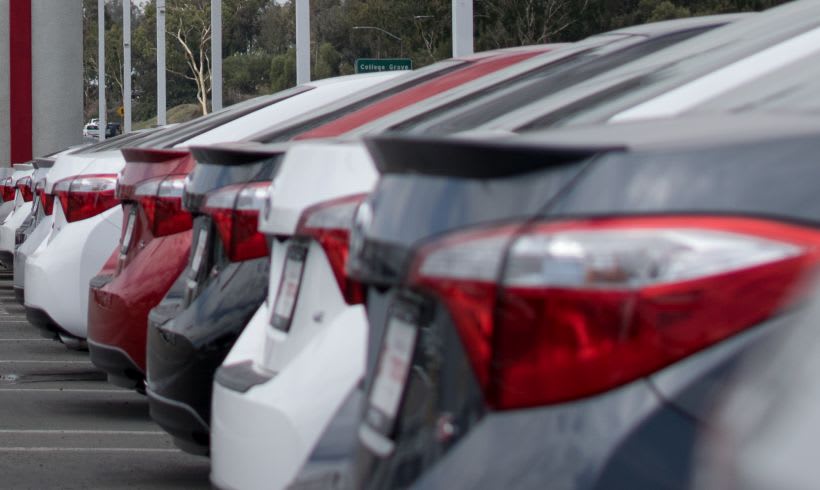
The average price for a new car in 2018 was $36,000, which represented a 3% increase year-over-year.
Photo by Eric Gandarilla.
1 min to read
The average transaction price for a new vehicle in the U.S. was $37,577 in December 2018, a 1.3% increase from the same time in 2017, according to a Kelley Blue Book report.
The increase seen in December was a continuation of the gains seen through most of 2018, noted KBB Analyst Tim Fleming.
The average price for a new car in 2018 was $36,000, which represented a 3% increase year-over-year. This rise in average transaction price is particularly noteworthy due to the fact that it comes at a time when interest rates are rising and incentives amounts are plateauing in the U.S.
Factors driving the increase in transaction price are tax reform, low unemployment, and a ramp up in higher-priced Tesla vehicle production, according to Fleming.
The OEMs that saw the biggest rise in average transaction price on a year-over-year basis were Fiat Chrysler and Subaru. The continuing strength of the SUV and truck segment was a main contributor for the success of these two OEMs, according to KBB, as SUV models typically carry a higher price tag than car models, driving up average transaction prices.
More Used Vehicle Values
Peterbilt Introduces Enhancements to Red Oval Certified Pre-Owned Program
Peterbilt adds a Red Oval certification tier with warranty coverage included and expands extended warranty options for pre-owned trucks.

J.D. Power Launches Data Platform Combining Used-Vehicle, Residual Value Insights
J.D. Power's new intelligence platform brings used-vehicle operations, residual values, and other automotive performance data into one centralized hub.

When Should a Fleet Repair Vehicle Damage Before Remarketing?
Not every dent, scratch, or mechanical issue is worth fixing before selling a fleet vehicle. Learn how to weigh repair costs, resale value, market demand, and downtime to determine when reconditioning pays off and when selling as-is makes more sense.
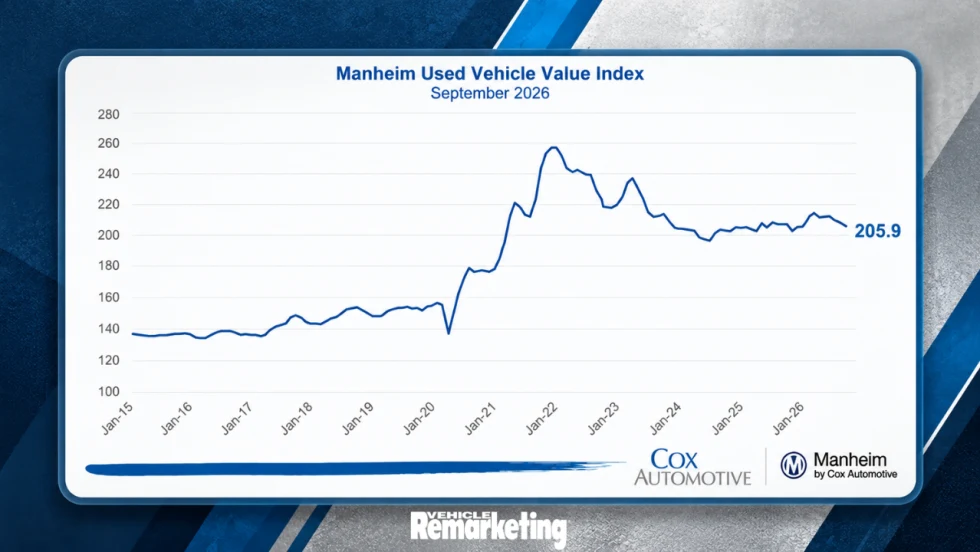
Wholesale Used-Vehicle Values Fall as Cox Automotive Cuts 2026 Forecast
Wholesale used-vehicle prices declined in September as depreciation accelerated, prompting Cox Automotive to lower its year-end forecast.

Ford Pro Launches Certified Pre-Owned Program for Commercial Vehicles
Ford Pro Advantage will offer certified pre-owned Class 1-7 commercial vehicles through more than 700 Ford Pro Commercial Vehicle Centers.
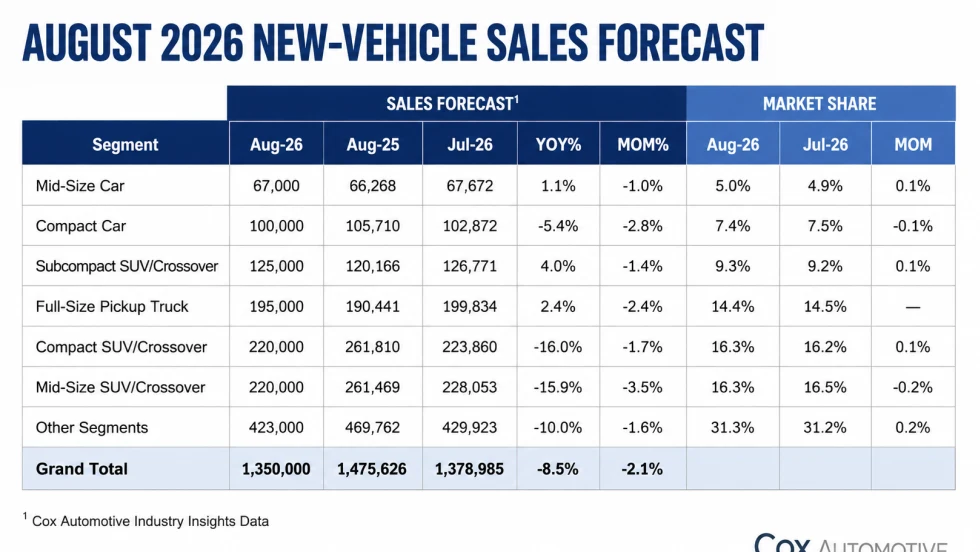
August New-Vehicle Sales Pace Forecast to Hold Above 16 Million
Despite an expected 8.5% year-over-year decline in August volume, Cox Automotive forecasts a 16.3 million SAAR, with full-size pickups outperforming several major crossover segments.

Trade Strategy Now Starts Long Before Turn-In
The strongest trade values aren't built at turn-in. Discover how maintenance, lifecycle planning, and shared risk protect truck resale value.

What Happens When Residual Values Meet Real-World Markets
A truck's trade value isn't determined on turn-in day. Learn how market cycles, maintenance, and timing shape the gap between residuals and reality.
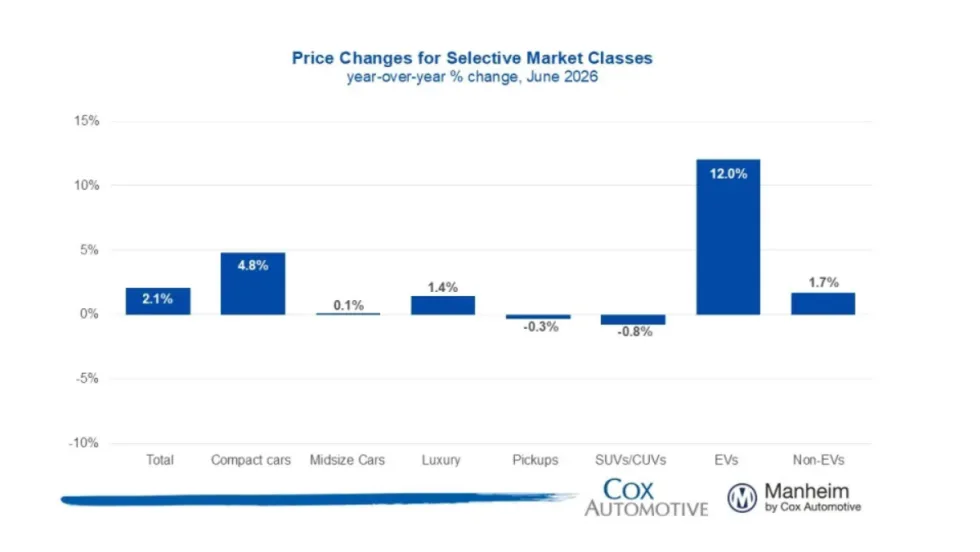
Manheim Index Shows Used-Vehicle Wholesale Prices Up 2.1% in June
The market is seeing stronger appreciation in older used vehicles this year, and the most affordable segments have been among the year’s best performers.

Stop Remarketing Electric Vehicles Like Gas Cars
The advantages and attributes of electric vehicles are upending the traditional remarketing cycle, requiring fleet sellers to rely on new factors and approaches detailed below.