



Big Changes Ahead for Used-Vehicle Transport
Analysis: When it comes to transporting electric vehicles, there are questions on all sides about weight, safety, and hauling.
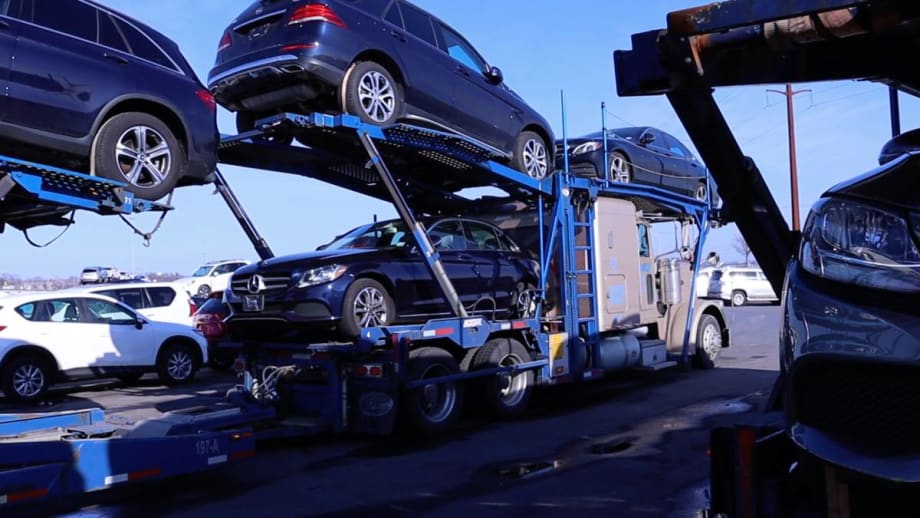
Car buyers today are demanding a more digital experience, including the expectation that the vehicle will show up like any other package: in their driveway.
Photo: Manheim
After years of steady state in vehicle logistics, the sector is now evolving at light speed. And while this increased pace means new challenges for shippers, carriers and brokers, the good news is that technology-driven solutions are advancing just as rapidly.
I recently had the chance to speak about these trends during the Q1 Manheim Used Vehicle Value Index call, focusing on two of the biggest changes we see for logistics in the near future: how consumer expectations are shaping the future of vehicle transport, and how dramatically EVs will impact the way vehicles are moved. Each represents a turning point — and a landmark opportunity.
And how do we know? Because Cox Automotive touches more vehicle moves than anyone. Our Central Dispatch brand, which hosts the largest logistics marketplace used by 31,000 subscribers, helped move more than 13 million vehicles in 2023. That same year, our white glove service transportation service, Ready Logistics, moved an additional 1.2 million vehicles. That’s over 14 million vehicle moves last year alone, giving us an unmatched understanding of what’s going on in the vehicle transport space.
Transporting Vehicles in the Digital Age
B2B transport has been — and will remain — vital in vehicle logistics. Dealers had their big push to digital during the pandemic years, when the percentage of digital purchases in wholesale jumped from around half pre-pandemic to nearly two-thirds today.
Today, Simulcast buyers purchase vehicles from over 350 miles away from their dealerships on average. That’s a long way away and a key indicator that B2B transport is here to stay.
However, there’s a new trend emerging — and it is what you have become accustomed to on Amazon.
The consumer retail experience has been forever changed by ecommerce. Expectations for digital buying experiences are high — and they’re changing the way vehicles are moved.
Car buyers today are demanding a more digital experience, including the expectation that the vehicle will show up like any other package: in their driveway. But vehicles aren’t packages, and that kind of transport brings with it a need for speed (hours vs. days), information sharing (real-time tracking), and more detailed reporting that hasn’t yet been required for B2B transport. At Cox Automotive, we are working to deliver on each of those.
Moving Electric Vehicles Gets More Complex
You can’t talk about the future of automotive without mentioning EVs. Used EV sales at Manheim grew to almost 18,000 units last quarter, up 86% year over year, according to data shared in the latest Manheim Used Vehicle Value Index call. We’ve seen more makes and models enter the market, and we expect that to continue. That’s why brands across Cox Automotive — including our Logistics brands — have been investing in and preparing for a more electric future.
When it comes to transporting EVs, there are questions on all sides.
There’s the policy side: how much of a charge should an EV have before being loaded onto a carrier?
Who should be responsible for that?
Then there’s the practical side: EVs weigh significantly more than ICE vehicles. How will that impact load building and routing?
And how will the push toward electrification of heavy trucks, like carriers, affect vehicle logistics?
Certainly, how far, or not, car haulers can travel between charges will add up quickly. At a minimum, planning and optimization tools for routes and loads will be paramount to solving some of these challenges, especially in a market that has struggled recently with carrier capacity.
Technology Is Key
At Cox Automotive, we firmly believe that technology is the key to meeting this transformative moment in the industry — for consumers, EVs, and beyond. That’s why we committed over $100 milloion to transform Central Dispatch from a matchmaking service into a logistics marketplace driving our clients’ businesses.
We’re delivering more integrated capabilities to forge stronger connections between shippers, brokers, and carriers to help them increase efficiency, fuel trust, and improve transparency. And we’re leaning into data and insights to optimize pricing, improve delivery speed, and help them generate more profitability.
Joe Kichler is vice president of Logistics at Cox Automotive.
Originally posted on Automotive Fleet
More Operations
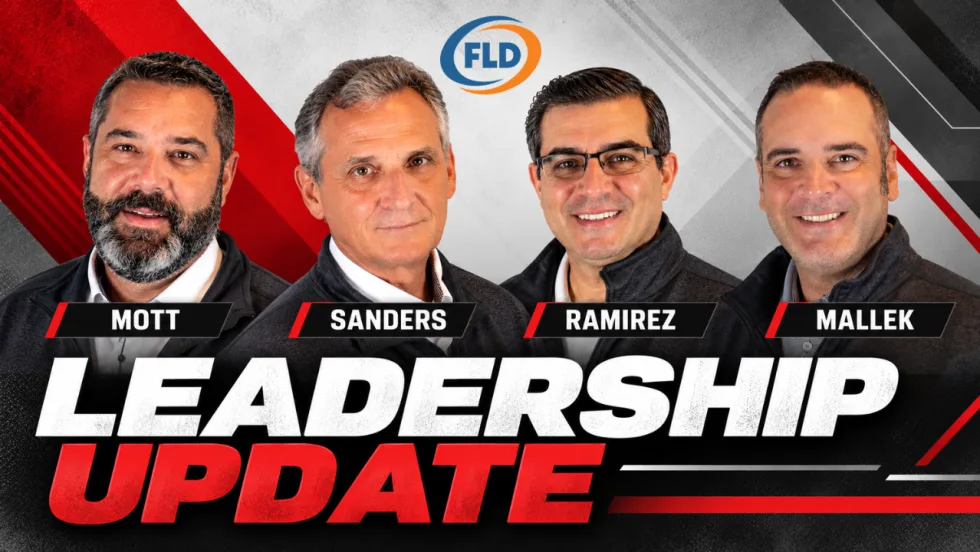
FLD Promotes Three Executives in Leadership Changes
FLD has promoted three longtime executives, naming Gary Mott CEO, Richard Mallek president, and Ron Sanders managing partner.
Read More →
CAS Automotive Launches Remarketing Service for Damaged, Surplus Equipment
Damaged Equipment expands CAS Automotive’s vehicle remarketing model to commercial equipment, targeting fleet operators, insurers, equipment dealers, and rental companies.
Read More →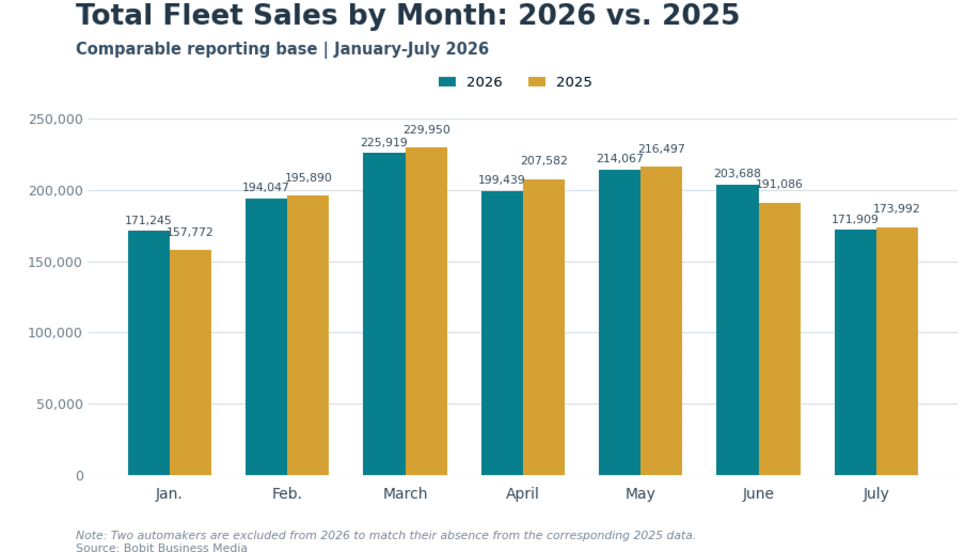
Fleet Sales Hold Steady as Commercial Gains Offset Rental Decline
Commercial and government fleet sales increased through July 2026, offsetting most of the decline in rental volume and leaving combined comparable fleet sales 0.5% above the same period last year.
Read More →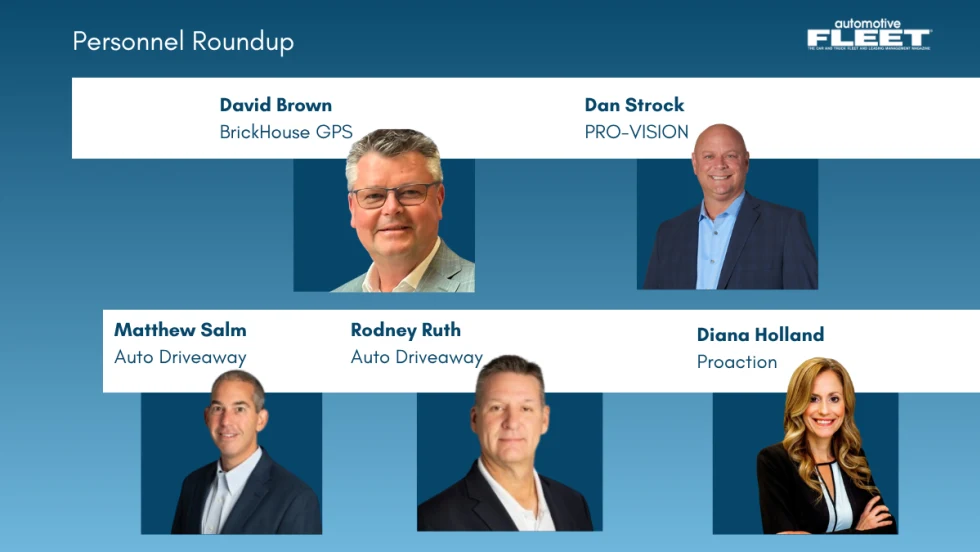
Personnel Update: BrickHouse GPS, PRO-VISION, Auto Driveaway, and Proaction
Check out the latest must-know fleet personnel updates from the last couple of months.
Read More →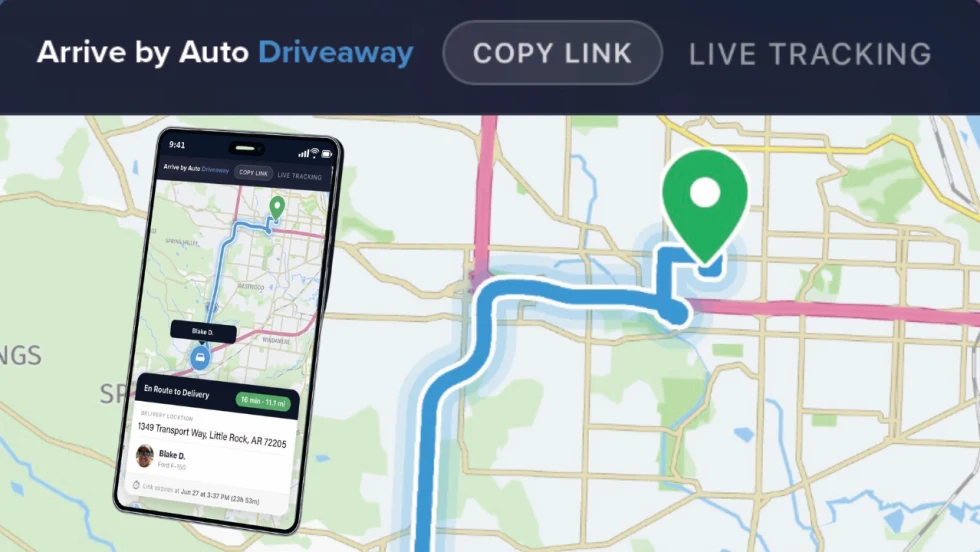
What Comes Next for Auto Driveaway?
A new Auto Driveaway feature called Arrive provides recipients with live location updates and ETAs during the final hour of a vehicle move, while fleet customers continue to have end-to-end shipment visibility through the company's customer portal.
Read More →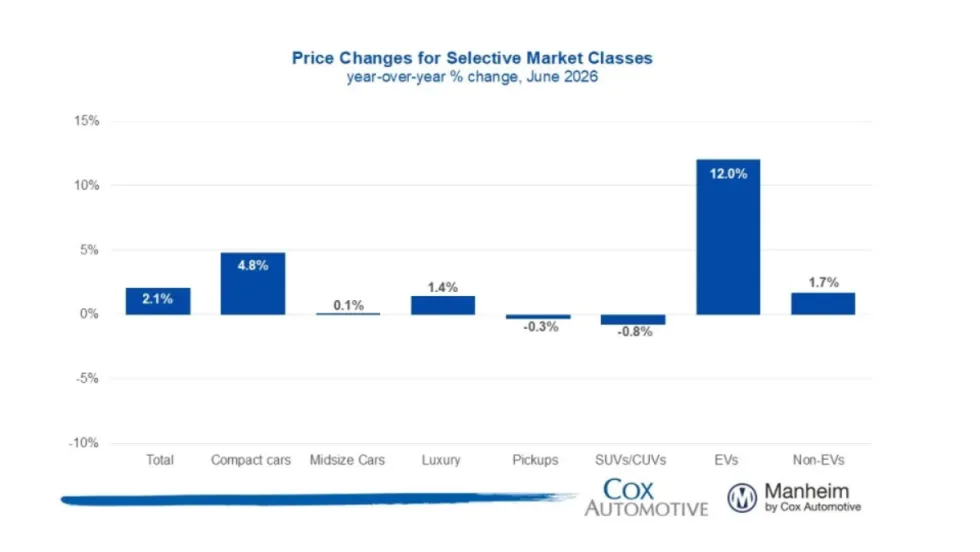
Manheim Index Shows Used-Vehicle Wholesale Prices Up 2.1% in June
The market is seeing stronger appreciation in older used vehicles this year, and the most affordable segments have been among the year’s best performers.
Read More →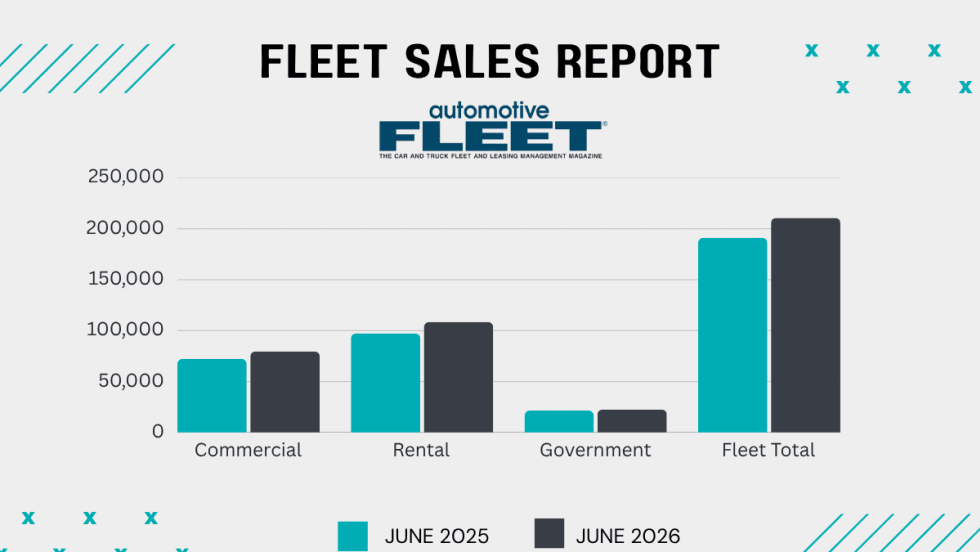
Commercial Fleet Sales Contribute To June, YTD Gains
The fleet sector has boosted its vehicle purchases at a reliable pace in the first half of this year compared with 1H 2025.
Read More →
Stop Remarketing Electric Vehicles Like Gas Cars
The advantages and attributes of electric vehicles are upending the traditional remarketing cycle, requiring fleet sellers to rely on new factors and approaches detailed below.
Read More →
AP Fleet Management Expands Remarketing Program for Commercial Work Trucks
AP Fleet Management expanded its commercial vehicle remarketing program with dedicated resale services and an online marketplace for used work trucks.
Read More →
Used EVs Strengthen Overall Electric Vehicle Market
The latest sales data point to several reasons for the divergent trends in new and used EVs that can factor into fleet cycling decisions.
Read More →