




Download the Cox Automotive Mobility white paper now!
Red Flags Emerge on the Way to Electric Vehicle Adoption
A Cox Automotive Mobility white paper delves into "a perfect storm of bottlenecks" for vehicle electrification as supply chain and economic pressures mount.
October 5, 2022
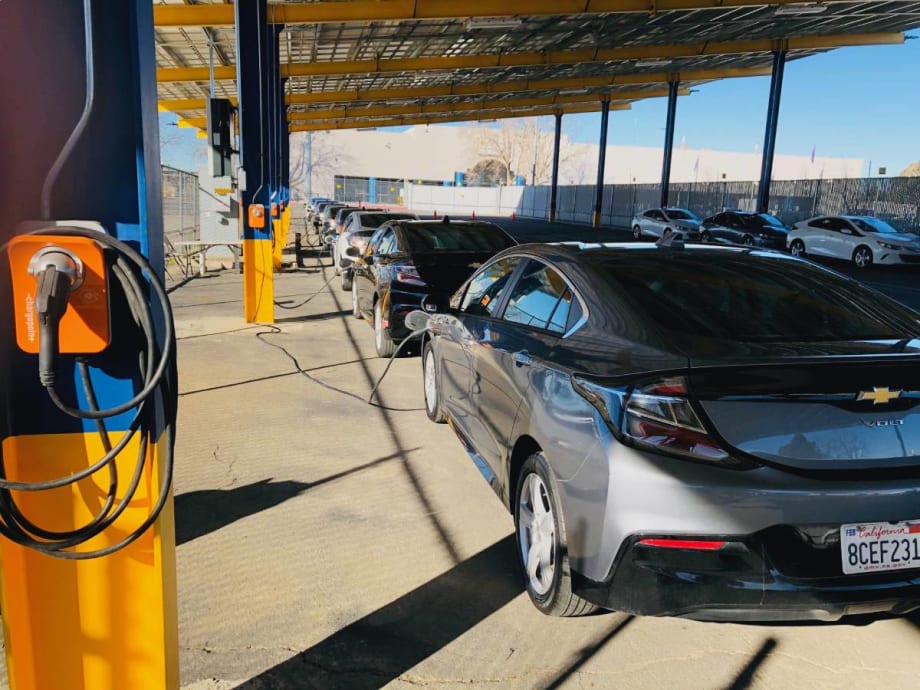
The U.S. lacks enough domestically supplied materials to keep up with consumer demand, so innovations in battery chemistry, materials substitution and recycling will be key to the transition to EVs, according to a recent Cox Automotive Mobility white paper.
Photo: Manheim
3 min to read
While vehicle electrification makes progress, the lingering effects of the pandemic, the soaring cost of raw materials and geopolitical challenges have contributed to supply chain disruptions that have slowed widespread electric vehicles (EV) growth in the U.S.
This perfect storm of bottlenecks outlined in Cox Automotive Mobility’s latest EV white paper titled – “Supply Chain Challenges Impacting Electric Vehicle Adoption” – is driving automakers to reshape their EV businesses and exert greater control over EV battery composition, manufacturing and recycling to secure the resources needed for widespread electrification.
EVs Now Face Supply Challenges and Transitions
Cox Automotive Mobility’s detailed EV white paper offers the company’s perspective on the following core themes:
State of EV Adoption: Americans are buying EVs at a record pace despite rising prices and long waits for delivery. The fleet industry is also taking note with fleet operators highly motivated to replace their gas-powered fleets with EVs to achieve sustainability goals, drive efficiency and reduce total cost of ownership.
Price Parity in Driving Adoption: The electric segment has been hit by the tide of inflation affecting the overall auto industry since the spring of 2021. Tax incentives available as part of the Inflation Reduction Act of 2022 will be critical to consumer adoption, helping offset the cost of pricey EVs.
Supply Chain Constraints Threaten EV Growth: Global computer chip and material shortages are limiting production, raising the price of new and used vehicles, and contributing to long waits to buy new EV models.
Building a Robust EV Supply Chain in the U.S.: The U.S. has a vulnerable EV supply chain heavily reliant on imports for semiconductor chips, raw materials and EV batteries. The country is in a sprint to produce its own EV components to increase economic competitiveness and energy independence.
Role of Technology: The U.S. doesn’t have enough domestically supplied materials to keep up with consumer demand, so innovations in battery chemistry, materials substitution and recycling will be key to the transition to EVs.
“This convergence of factors shines an even brighter light on the importance of end-to-end EV battery lifecycle management,” said Lea Malloy, assistant vice president of EV battery solutions for Cox Automotive Mobility, in a news release. “Coupled with government policy support, EV battery first life extension is paving the way for meaningful progress in protecting the planet while accelerating the uptake of EVs in a challenging environment.”
Taking Charge of the Battery Life to Sustain More EV Usage
Cox Automotive Mobility and Spiers New Technologies are extending the EV battery life cycle through a closed loop system that reduces the environmental impact of metals mining and supports the extension of EV battery first lives and end-of-life reuse and recovery treatments.
Information:Watch video on EV battery options
Originally posted on Charged Fleet
More Auctions

Copart to Acquire ACV in $1.9 Billion Deal
The acquisition would expand Copart beyond its traditional salvage business into dealer-to-dealer wholesale remarketing while adding ACV’s vehicle data, inspection, and valuation technology.
Read More →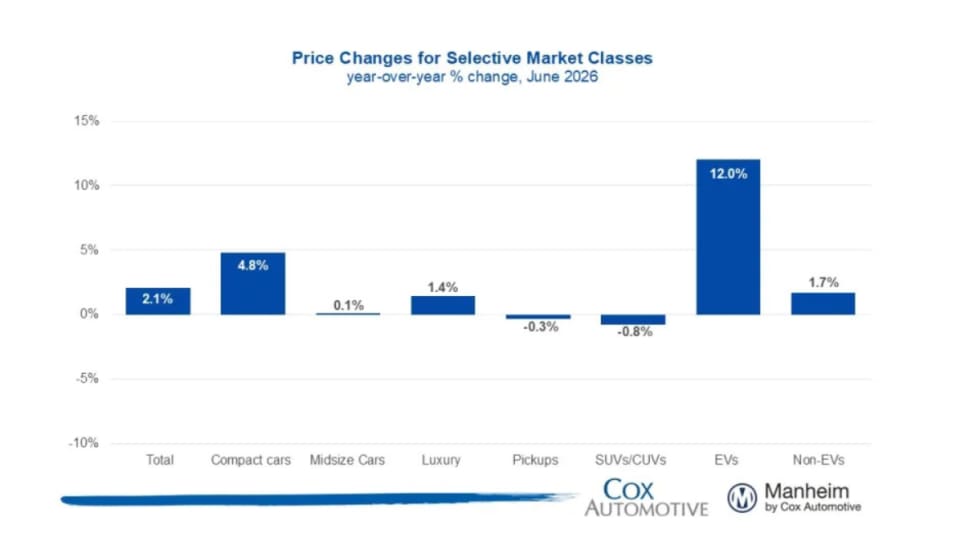
Manheim Index Shows Used-Vehicle Wholesale Prices Up 2.1% in June
The market is seeing stronger appreciation in older used vehicles this year, and the most affordable segments have been among the year’s best performers.
Read More →
Stop Remarketing Electric Vehicles Like Gas Cars
The advantages and attributes of electric vehicles are upending the traditional remarketing cycle, requiring fleet sellers to rely on new factors and approaches detailed below.
Read More →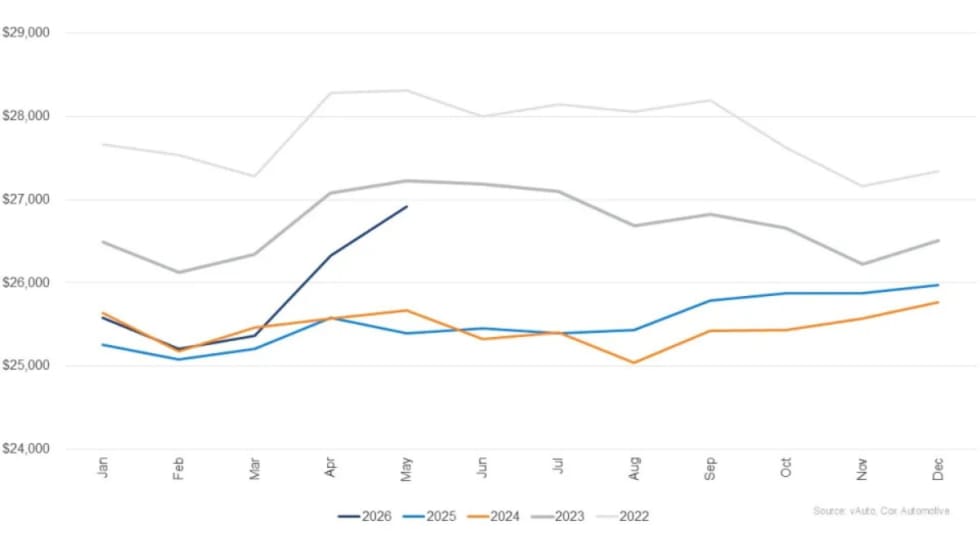
Used Vehicle Prices Climb Higher As Sales Pace Slows
The higher prices at used retail reflect strong wholesale values earlier in the spring, particularly for older, more affordable vehicles.
Read More →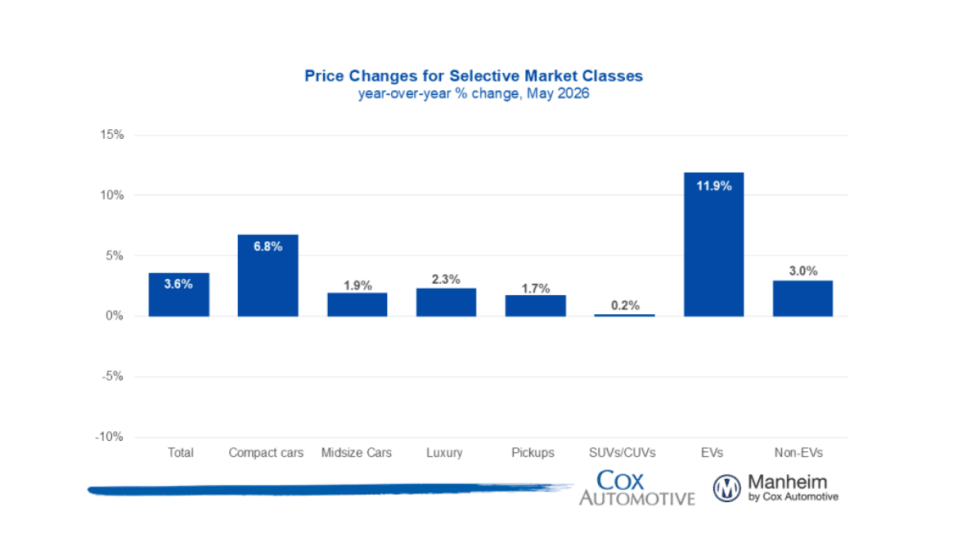
Wholesale Used Vehicle Market Sustains Moderate Rise In Values, Prices
Trends continue to normalize after a strong start to the year, as consumers contend with higher gas prices in the coming summer months.
Read More →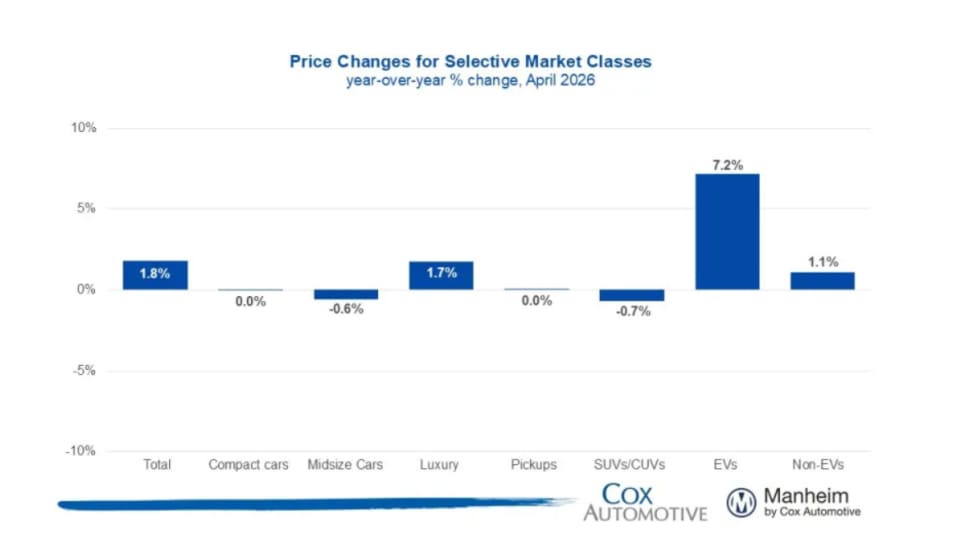
Wholesale Used Vehicle Prices Slightly Up In April
The Iranian conflict and rising gas prices inject much uncertainty into the future wholesale used vehicle markets, as higher gas prices soak up spendable income from vehicle buyers.
Read More →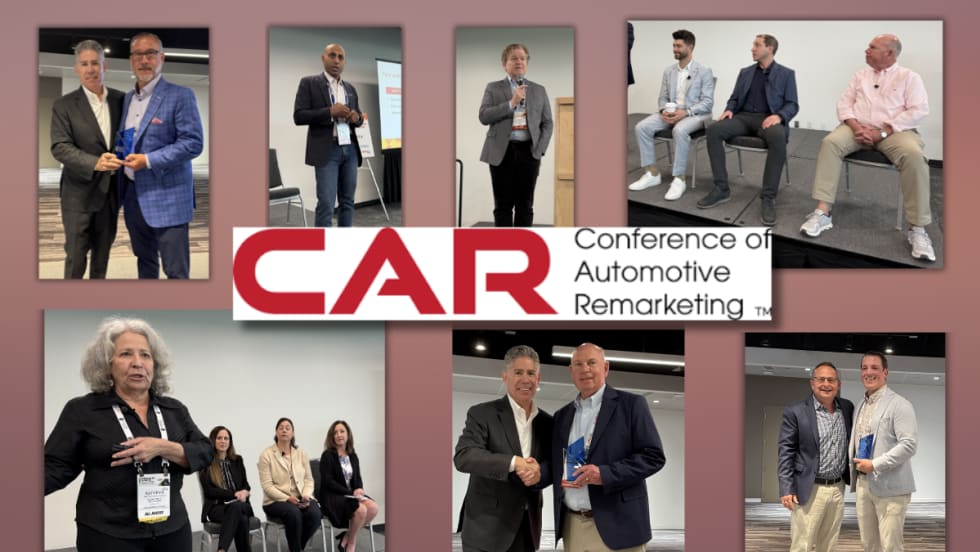
CAR2026 in Two Words: Velocity, Value (Part 1)
The 2026 Conference of Automotive Remarketing convened with a mandate to involve a new constituency — fleet managers — and an updated mission to demonstrate unrealized value in de-fleeted vehicles.
Read More →
CAR 2026 Session to Uncover the Missing Data That's Costing Fleets at Disposal
Work trucks lose value at remarketing, not because they aren't worth more, but because the data to prove it rarely makes it to the auction.
Read More →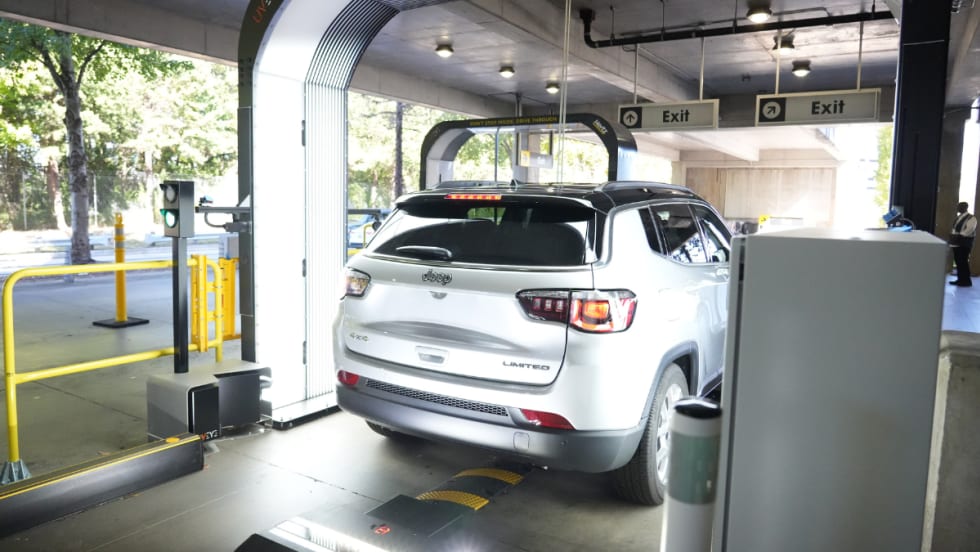
TSD Mobility, UVeye Partner On Automated Vehicle Inspections
The enhanced technology allows rental car operations, dealerships, and auctions to compare a vehicle’s condition at pickup and drop-off within the same rental or loaner record.
Read More →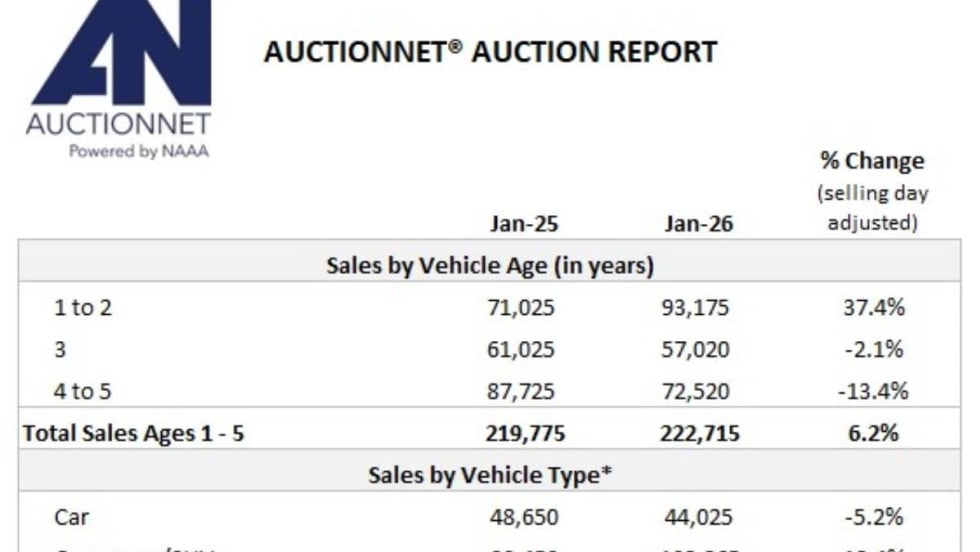
Auction Sales Kick Off 2026 In High Step
Winter snowstorms and frosty freeze-overs could not slow down the hot vehicle auction action nationwide in January.
Read More →