



Cox Enterprises and Manheim Reduce Water Usage in Georgia
Cox Enterprises and its Manheim Georgia auction operation celebrated the fifth anniversary of its Water Conservation Center. The event was attended by company leadership, local officials, and representatives from environmental nonprofits.
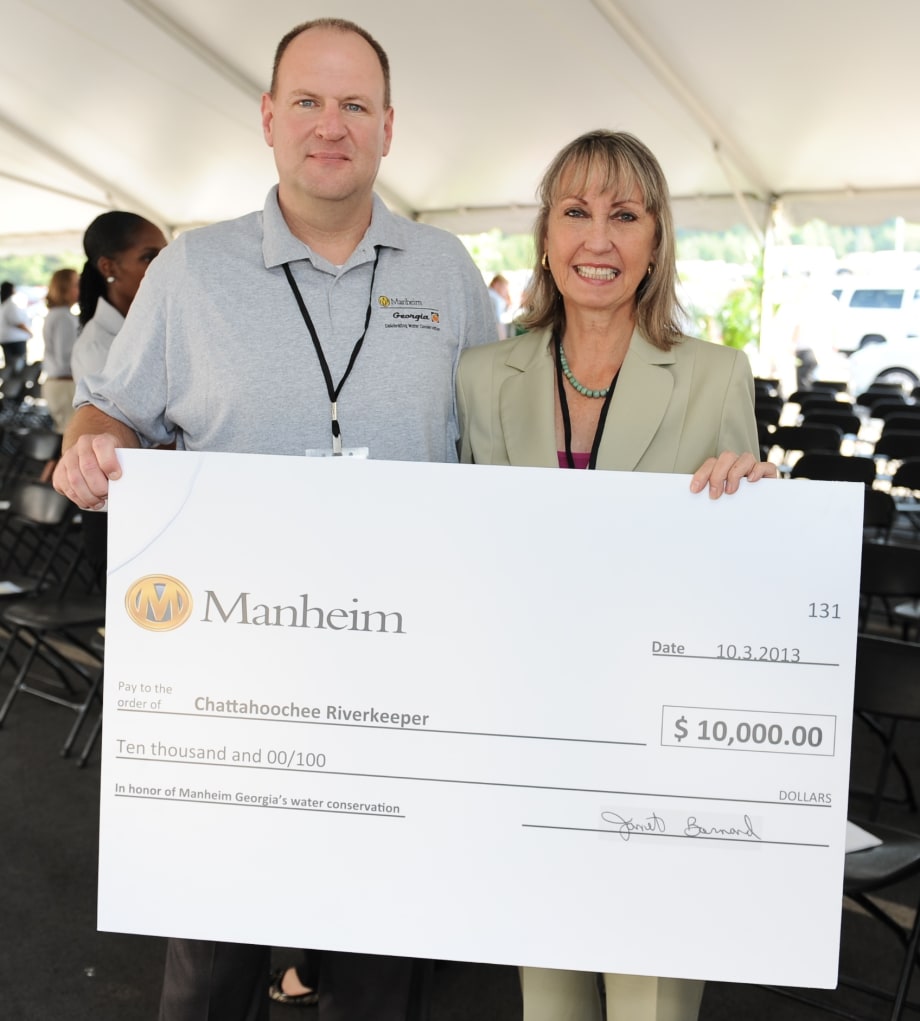
As part of the anniversary celebration Manheim made the donation to Chattahoochee Riverkeeper. Manheim Georgia General Manager Mike Benfield presents $10,000 donation check to Chattahoochee Riverkeeper Executive Director Sally Bethea, right.
Cox Enterprises and its Manheim Georgia auction operation celebrated the fifth anniversary of its Water Conservation Center. The event was attended by company leadership, local officials, and representatives from environmental nonprofits.
The Water Conservation Center opened in 2008 during the region’s historic drought. The Center continues to reduce the location’s daily water demand by reusing 60 percent of the treated water and returning the remaining 40 percent to the county.
As part of Cox Enterprises, Manheim participates in Cox Conserves, the company’s national sustainability program that focuses on reducing waste and energy consumption, as well as conserving water.
Manheim Georgia’s Water Conservation Center saves approximately 2 million gallons of water each year. Nationwide, Cox Enterprises’ companies save 32 million gallons of water annually, and through a partnership with American Rivers, Cox employees have removed more than 16 tons of trash at river cleanups in Ga., N.C., Ohio and Pa. Locally, the company partners with Chattahoochee Riverkeeper and is receiving the organization’s River Guardian award on Oct. 9 for conserving water through operations, employee volunteerism and media coverage.
“Water is a limited resource that we need to guard for tomorrow,” said Cox Enterprises’ Chief Operating Officer John Dyer. “At Cox, we pride ourselves on being prepared for the future. We should always be thinking about conservation and how we can make a positive impact on the environment.”
In addition to the Center, Manheim Georgia features eco-friendly fixtures that save one million gallons of water annually, as well as a solar thermal installation that prevents 25 tons of carbon from entering the environment each year. The location also moved from solvent to water-based paint to reduce carbon emissions.
As part of the anniversary celebration Manheim made the donation to Chattahoochee Riverkeeper. Manheim Georgia General Manager Mike Benfield presents $10,000 donation check to Chattahoochee Riverkeeper Executive Director Sally Bethea, right.
“I believe that the best businesses will also be the best caretakers of the resources given to them,” said Janet Barnard, Manheim’s executive vice president and chief operating officer. “Our conservation efforts at Manheim Georgia are examples of how our company is taking action to preserve our natural resources today and in the future.”
The Water Conservation Center features a four-step process:
Run-off water from vehicle washing flows into floor drains leading to a series of underground tanks where water is collected and equalized.
Water proceeds to the bioreactor tank where substances are separated and broken down to prepare for treatment.
Ultra-filtration separates the remaining solids not fully broken down.
Reverse osmosis membranes remove dissolved solids that remain, improving water quality to better than its original state.
More Operations
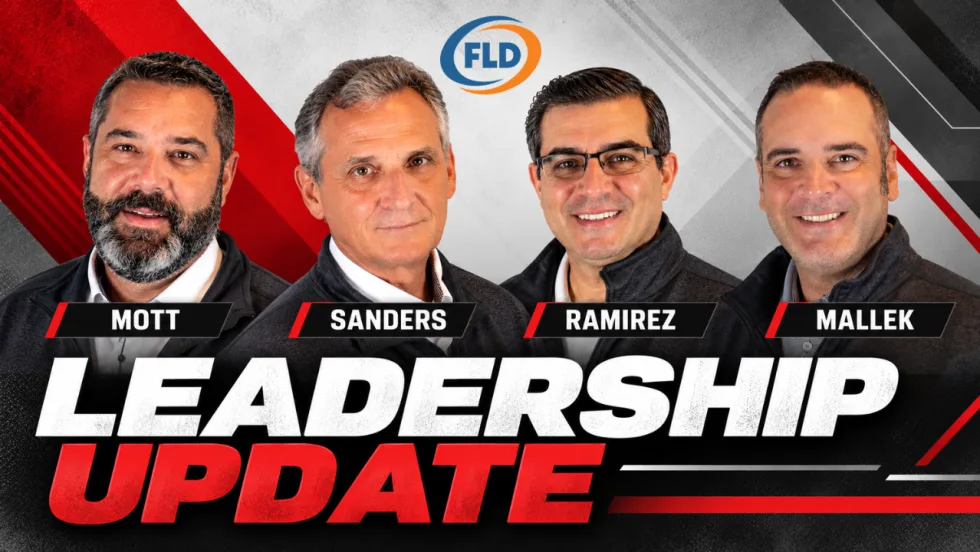
FLD Promotes Three Executives in Leadership Changes
FLD has promoted three longtime executives, naming Gary Mott CEO, Richard Mallek president, and Ron Sanders managing partner.
Read More →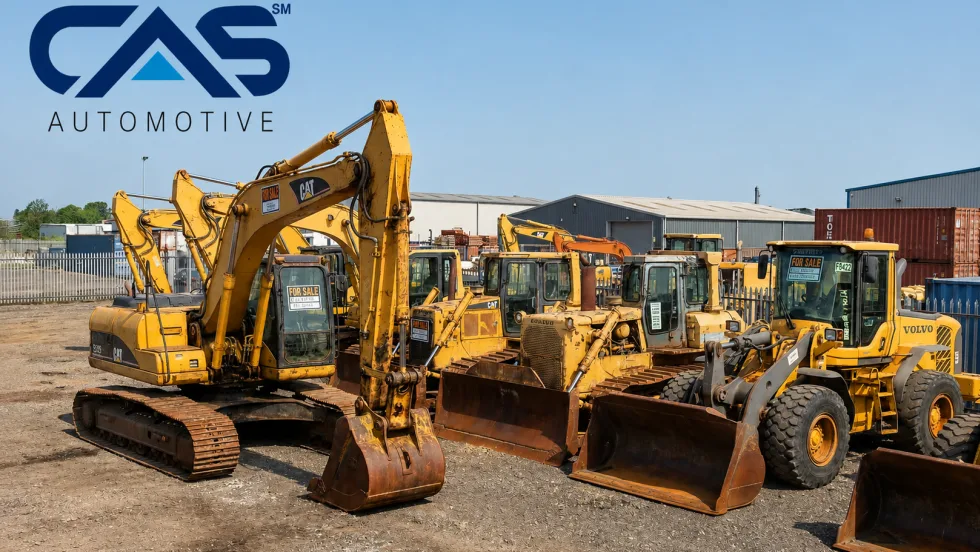
CAS Automotive Launches Remarketing Service for Damaged, Surplus Equipment
Damaged Equipment expands CAS Automotive’s vehicle remarketing model to commercial equipment, targeting fleet operators, insurers, equipment dealers, and rental companies.
Read More →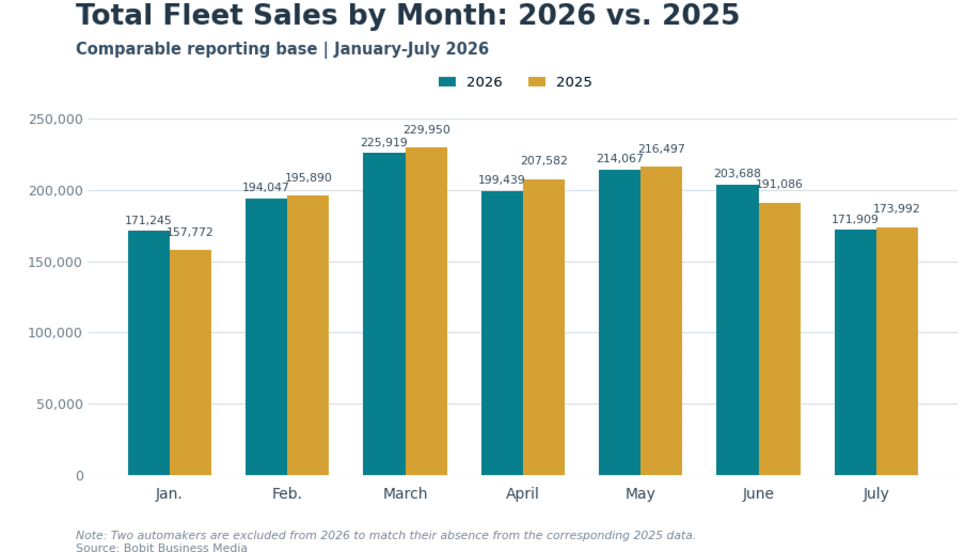
Fleet Sales Hold Steady as Commercial Gains Offset Rental Decline
Commercial and government fleet sales increased through July 2026, offsetting most of the decline in rental volume and leaving combined comparable fleet sales 0.5% above the same period last year.
Read More →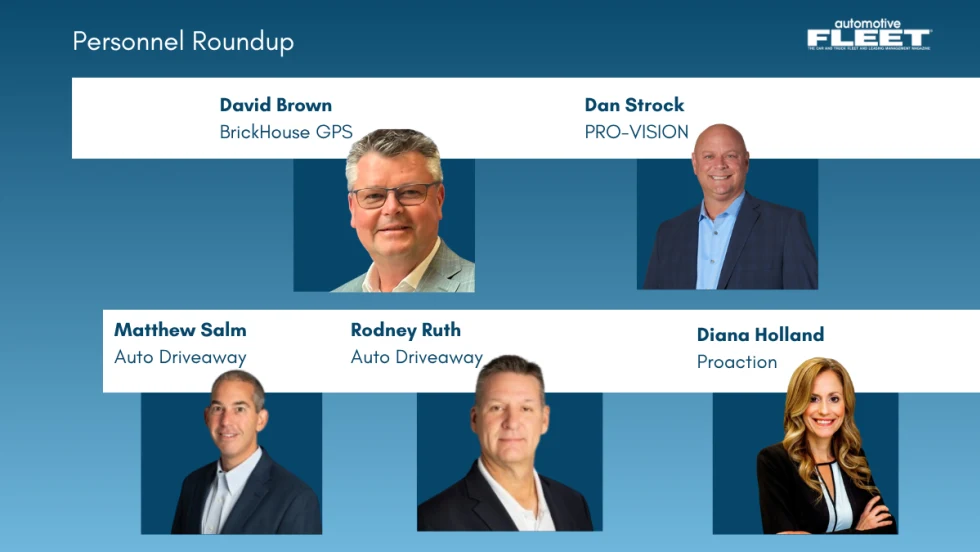
Personnel Update: BrickHouse GPS, PRO-VISION, Auto Driveaway, and Proaction
Check out the latest must-know fleet personnel updates from the last couple of months.
Read More →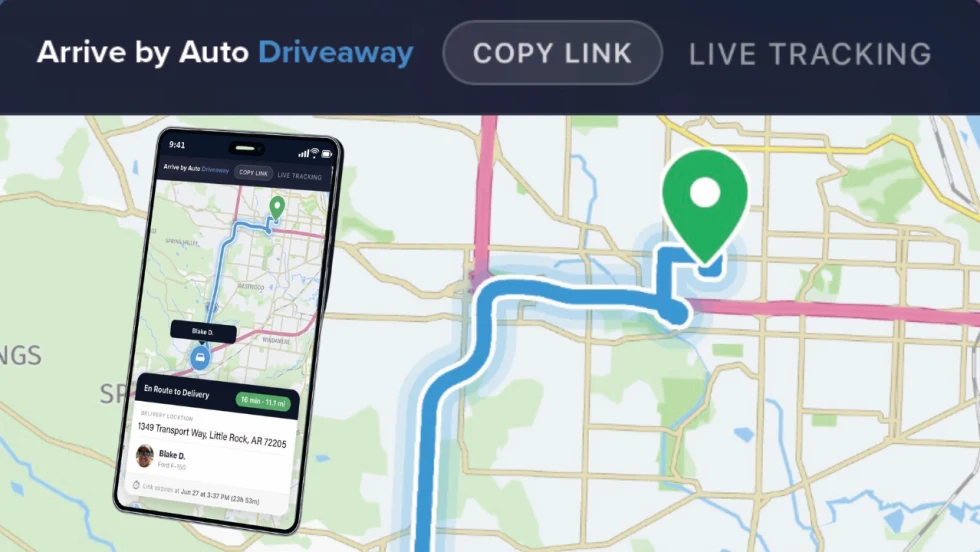
What Comes Next for Auto Driveaway?
A new Auto Driveaway feature called Arrive provides recipients with live location updates and ETAs during the final hour of a vehicle move, while fleet customers continue to have end-to-end shipment visibility through the company's customer portal.
Read More →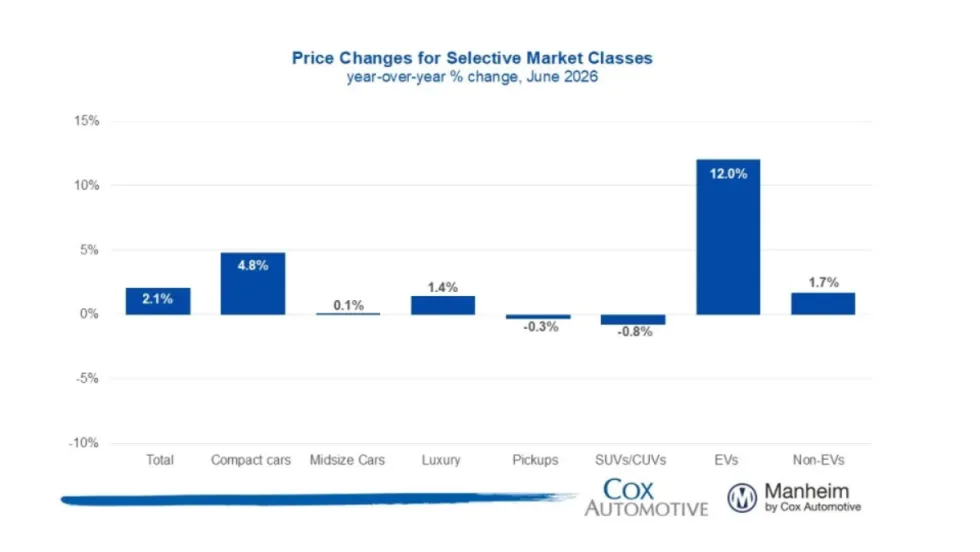
Manheim Index Shows Used-Vehicle Wholesale Prices Up 2.1% in June
The market is seeing stronger appreciation in older used vehicles this year, and the most affordable segments have been among the year’s best performers.
Read More →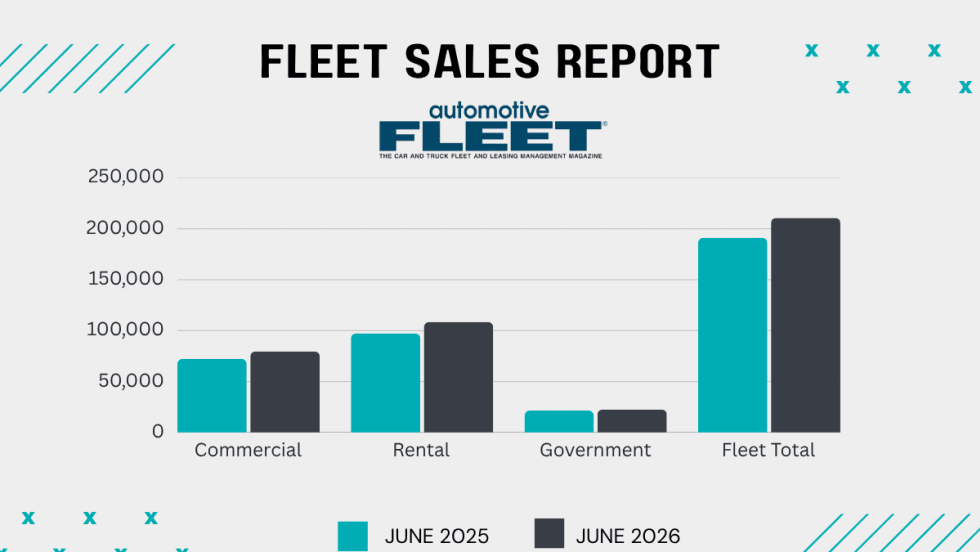
Commercial Fleet Sales Contribute To June, YTD Gains
The fleet sector has boosted its vehicle purchases at a reliable pace in the first half of this year compared with 1H 2025.
Read More →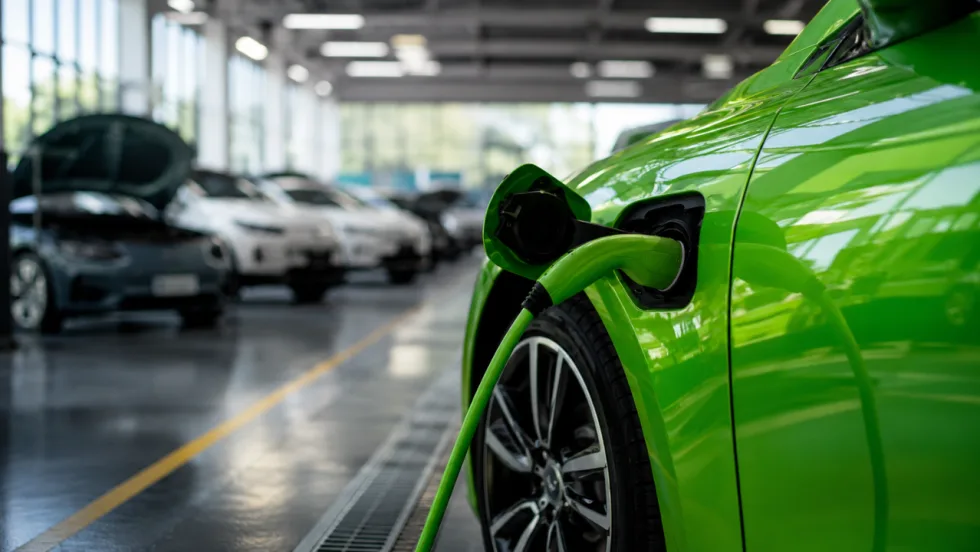
Stop Remarketing Electric Vehicles Like Gas Cars
The advantages and attributes of electric vehicles are upending the traditional remarketing cycle, requiring fleet sellers to rely on new factors and approaches detailed below.
Read More →
AP Fleet Management Expands Remarketing Program for Commercial Work Trucks
AP Fleet Management expanded its commercial vehicle remarketing program with dedicated resale services and an online marketplace for used work trucks.
Read More →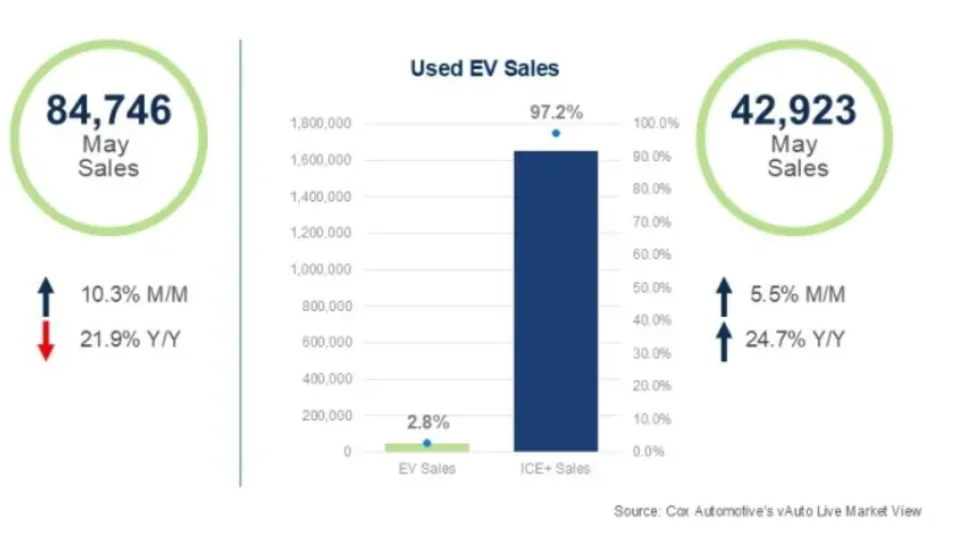
Used EVs Strengthen Overall Electric Vehicle Market
The latest sales data point to several reasons for the divergent trends in new and used EVs that can factor into fleet cycling decisions.
Read More →