



3 Ways AI Solves Bottlenecks in Vehicle Logistics
AI has unlocked the ability not just to cut time and cost, but to develop smarter workflows that can scale without sacrificing quality or control.
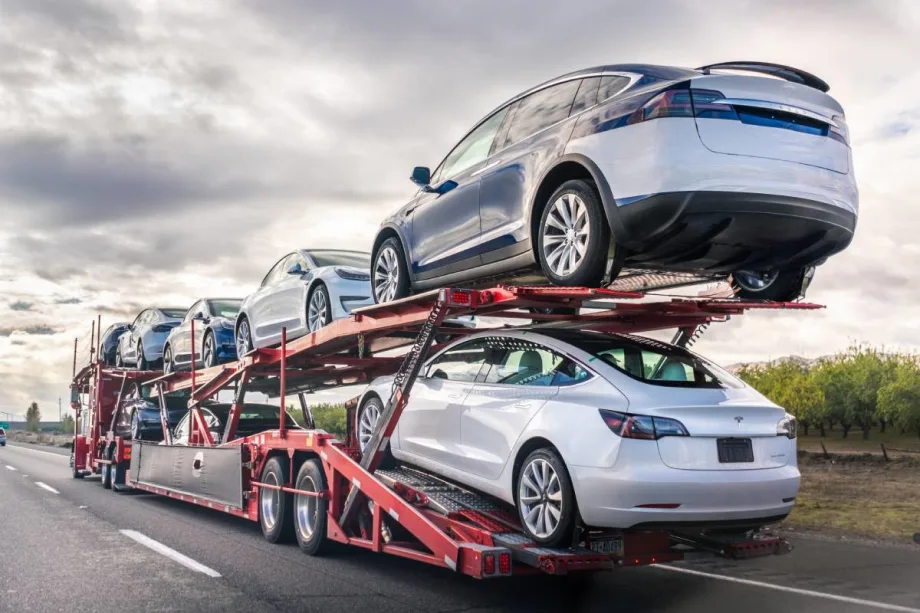
Inaccurate load data can result in missed pickup or delivery windows, empty miles for drivers, and strained relationships between logistics partners.
Photo: Getty Images
- AI enhances efficiency in vehicle logistics by reducing time and costs.
- Setting up AI leads to the development of smarter, scalable workflows in logistics.
- AI in vehicle logistics maintains quality and control even as operations scale up.
*Summarized by AI
Vehicle logistics has traditionally been slower to adopt new technologies than other parts of the supply chain.
Many shippers still rely on manual data entry, email and text-based communication, and outdated workflows that cannot keep up with modern volumes.
That creates friction with customers and inefficiencies that ripple through operations.
Artificial intelligence (AI) is emerging as a helpful tool for solving these bottlenecks, automating routine work, and improving accuracy to make growth more sustainable.
1. Automating Intake
Creating a load manually on average takes about three minutes, but for more complex shipments, that time can exceed five minutes.
When multiplied across hundreds or even thousands of orders per week, those minutes turn to hours that shippers spend parsing emails, texts, and PDFs to manually create these loads in their systems.
Those errors and delays happen more often than most teams realize.
Beyond the time investment, the process is vulnerable to human error. The industry average for data entry suggests a 95% accuracy rate with manual entry, leaving a 5% error rate. That seems decent, but that means for every 500 loads, 25 are prone to errors that can lead to negative customer outcomes.
AI-powered intake flips the script. These systems automatically extract details such as VINs, pickup and drop-off points, and dispatch notes from unstructured messages and draft loads, directly within the TMS. Shippers can then review and approve with just a single click.
This leads to faster load creation, reduced error rates, and a more seamless workflow. Most studies show that AI is at least 99% accurate in data entry, meaning of those 500 loads, just five might have an error.
2. Enhancing Accuracy and Transparency
Manual data entry doesn’t just slow things down; it introduces inconsistencies that continue far beyond the load creation. A single incorrect VIN or mistyped address can trigger a chain reaction across the supply chain, resulting in delays, additional calls, and rescheduling.
When errors occur, they often require additional communication among shippers, carriers, and dispatchers to correct the details. In the best case, that just means wasted time, but in the worst case, it results in missed pickup or delivery windows, empty miles for drivers, and strained relationships between logistics partners. And over time, repeated issues erode trust and reliability in those networks.
AI tools mitigate these risks by cross-checking extracted data against known fields, identifying inconsistencies, and flagging them for review before a load goes live. It’s a mix of AI precision with human oversight, giving teams both speed and control.
3. Enabling Scalable Growth and Future Integration
Perhaps the biggest advantage of AI is seen when you zoom out and look at the bigger picture. The U.S. auto transport sector includes thousands of businesses, most of which are small to mid-sized operators that rely on lean teams and legacy systems. As order volumes grow, manual processes become an operational ceiling.
AI integration within TMS platforms and load boards enables a connected, intelligent supply chain. Repetitive, low-value tasks — such as intake and verification — are handled automatically, allowing staff to focus on higher-impact activities such as invoicing customers, managing drivers, and driving growth for the business.
And this is just the basics. AI is already playing a significant role in vehicle shipments through AI-powered load matching that pairs drivers with loads tailored to their routes, equipment, capacity, and other preferences. Match that with predictive dispatching that optimizes routes to avoid predictable delays (like rush-hour traffic in Atlanta) and unfit routes with low tunnels or long detours. AI also has the power to forecast demand so carriers can align resources accordingly,
By adopting AI for load creation today, shippers are preparing for next-generation applications that extend beyond the screen as well.
Other industries have already introduced AI voice agencies to manage inbound and outbound calls. Since about 70% of calls from shippers are simple status checks, this technology will dramatically reduce time spent on manual phone updates, allowing both parties to stay focused on high-value work.
It’s the automatic text that every parent wants from their teenager when they arrive at their destination safely, or an update about an unexpected delay. Customers will be more satisfied while carriers are less burdened.
The vehicle logistics industry is at a pivotal moment. AI has unlocked the ability not just to cut time and cost, but to develop smarter workflows that can scale without sacrificing quality or control.
Vlad Kadurin is the chief product and operations officer at Ship.Cars
Originally posted on Auto Rental News
More Auctions

Copart to Acquire ACV in $1.9 Billion Deal
The acquisition would expand Copart beyond its traditional salvage business into dealer-to-dealer wholesale remarketing while adding ACV’s vehicle data, inspection, and valuation technology.
Read More →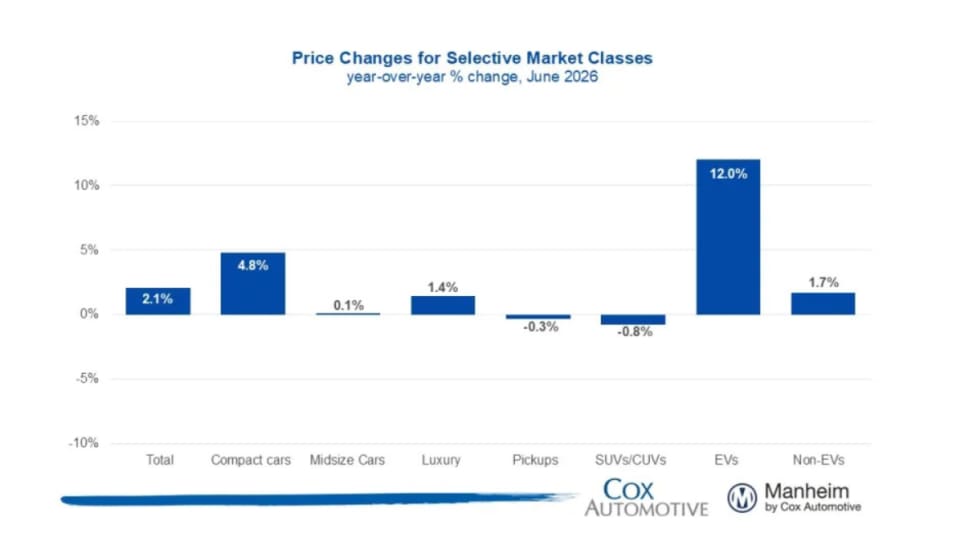
Manheim Index Shows Used-Vehicle Wholesale Prices Up 2.1% in June
The market is seeing stronger appreciation in older used vehicles this year, and the most affordable segments have been among the year’s best performers.
Read More →
Stop Remarketing Electric Vehicles Like Gas Cars
The advantages and attributes of electric vehicles are upending the traditional remarketing cycle, requiring fleet sellers to rely on new factors and approaches detailed below.
Read More →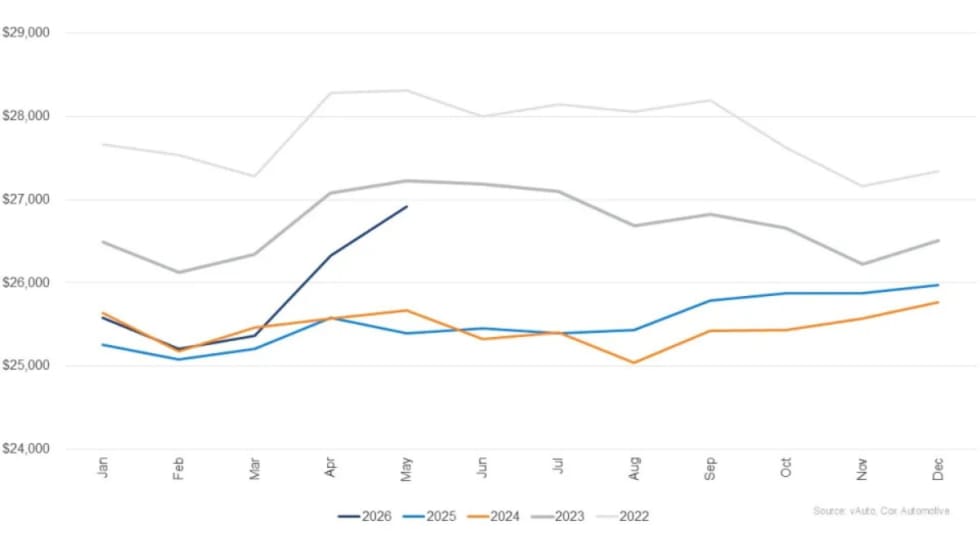
Used Vehicle Prices Climb Higher As Sales Pace Slows
The higher prices at used retail reflect strong wholesale values earlier in the spring, particularly for older, more affordable vehicles.
Read More →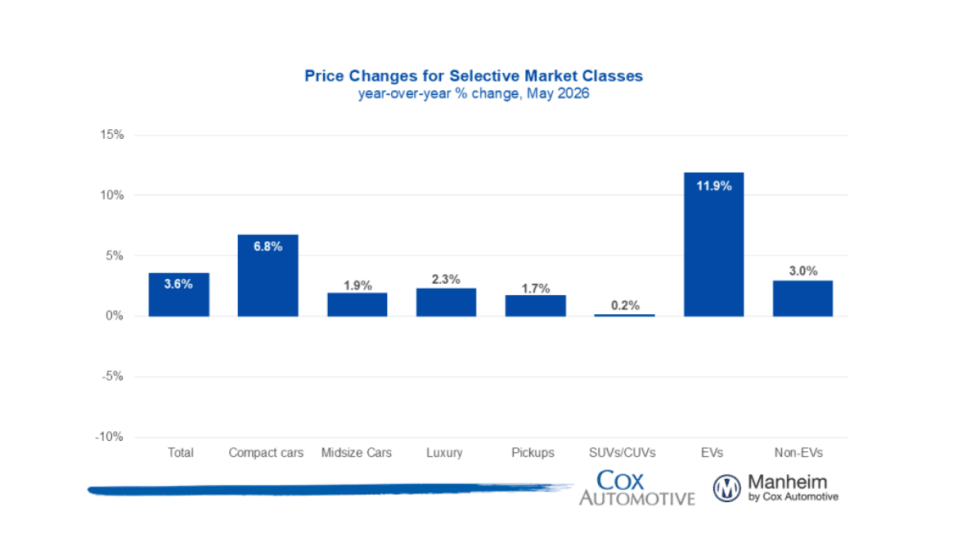
Wholesale Used Vehicle Market Sustains Moderate Rise In Values, Prices
Trends continue to normalize after a strong start to the year, as consumers contend with higher gas prices in the coming summer months.
Read More →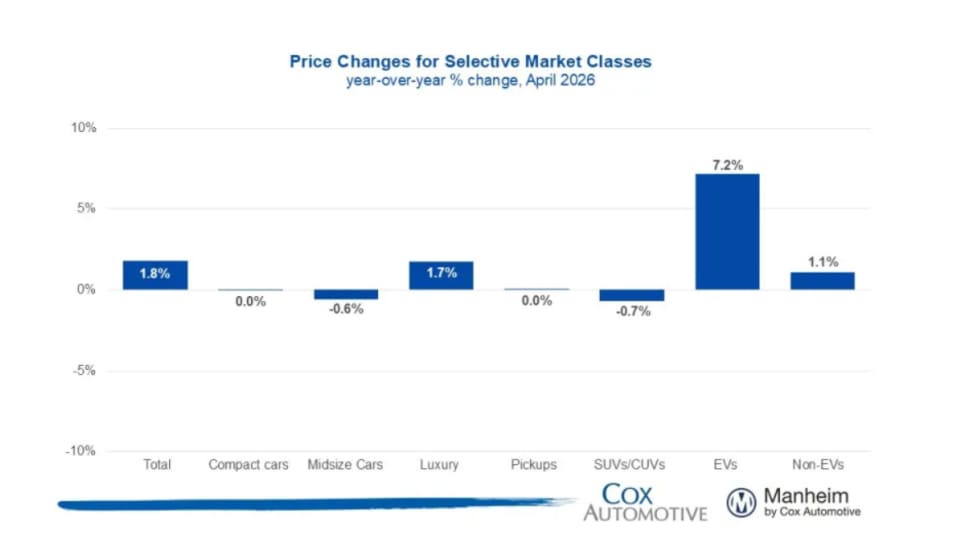
Wholesale Used Vehicle Prices Slightly Up In April
The Iranian conflict and rising gas prices inject much uncertainty into the future wholesale used vehicle markets, as higher gas prices soak up spendable income from vehicle buyers.
Read More →
CAR2026 in Two Words: Velocity, Value (Part 1)
The 2026 Conference of Automotive Remarketing convened with a mandate to involve a new constituency — fleet managers — and an updated mission to demonstrate unrealized value in de-fleeted vehicles.
Read More →
CAR 2026 Session to Uncover the Missing Data That's Costing Fleets at Disposal
Work trucks lose value at remarketing, not because they aren't worth more, but because the data to prove it rarely makes it to the auction.
Read More →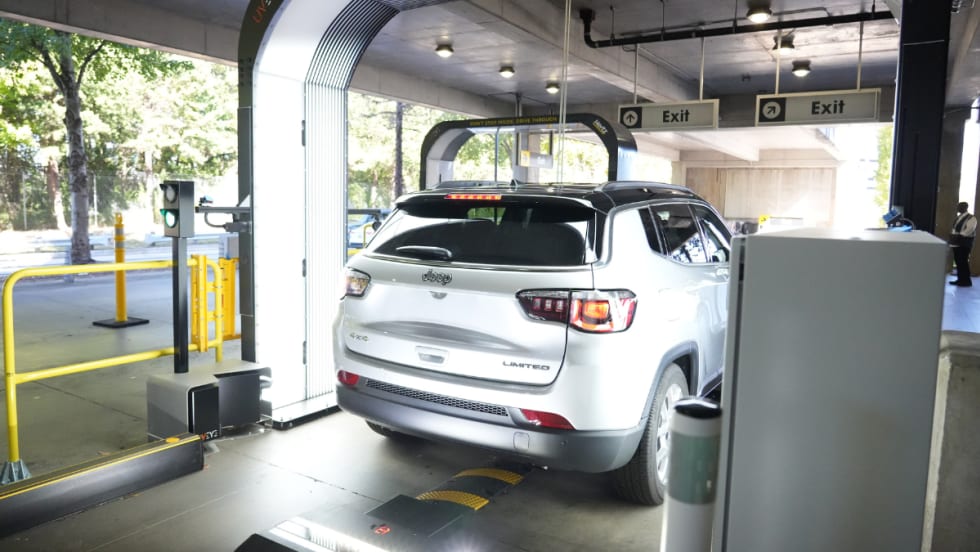
TSD Mobility, UVeye Partner On Automated Vehicle Inspections
The enhanced technology allows rental car operations, dealerships, and auctions to compare a vehicle’s condition at pickup and drop-off within the same rental or loaner record.
Read More →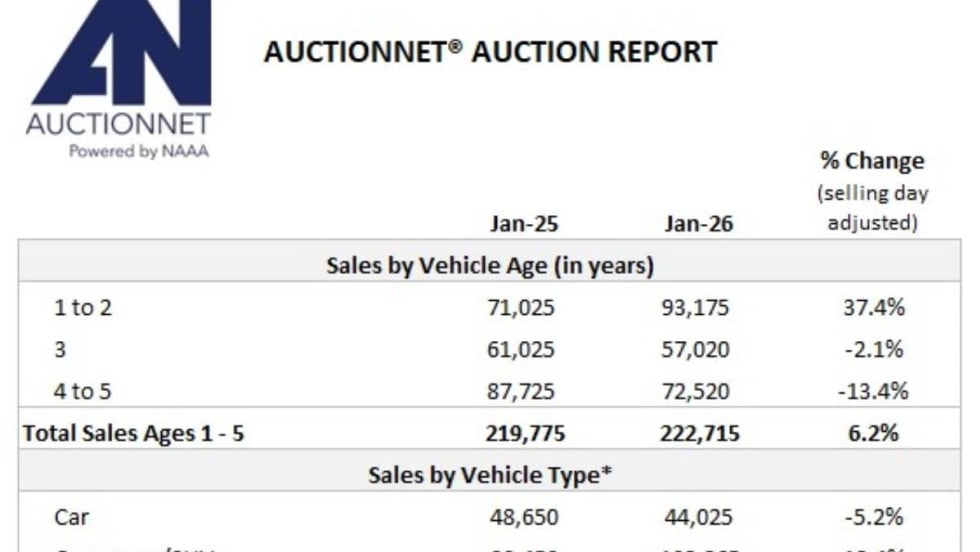
Auction Sales Kick Off 2026 In High Step
Winter snowstorms and frosty freeze-overs could not slow down the hot vehicle auction action nationwide in January.
Read More →