




Related: Bank of America Integrates Carvana into Digital Car Shopping Platform
Auto Loans Reach $1.14 Trillion
Average monthly payments for new-vehicle purchases ($530), new-vehicle leases ($430), and used vehicles ($381) all reached new highs, growing by 4% to 6% year-over-year. Auto loans now account for a full 8% of all outstanding consumer debt — up from 6% just a decade ago.
February 22, 2019

Auto loans now account for a full 8% of all outstanding consumer debt — up from 6% just a decade ago.
Photo by Eric Gandarilla.
2 min to read
Lending Tree has released the 2019 edition of “Auto Loan Statistics,” an annual snapshot of the U.S. auto finance industry. Analysts found the total of outstanding U.S. auto loan balances reached $1.14 trillion in September 2018, a 3.1% increase from the prior year and a 23% increase since 2013.
Accordingly, average monthly payments for new-vehicle purchases ($530), new-vehicle leases ($430), and used vehicles ($381) all reached new highs, growing by 4% to 6% year-over-year. Auto loans now account for a full 8% of all outstanding consumer debt — up from 6% just a decade ago.
The report finds members of Generation X are the most likely group to finance their purchase: Nearly 60% of all Americans age 54 to 74 are paying off an auto loan, and they own the highest-average balance with a median of $18,741. Millennials (54.5%) are the second-most likely age group to take out an auto loan and the youngest car buyers, members of Generation Z (36.2%), are the least likely.
Other highlights of the report include:
Dealers and finance sources originated a record 2.5 million auto loans in July 2018.
Average auto loan terms stretched to 68.5 months in Q3, two weeks longer than Q3 2017.
Average new-car loan amounts grew to $29,921, up $5,000 since 2008.
Loans falling to 90 days past due held steady at around 2.3% of outstanding debt.
“I think the data reinforces what car dealers already know: People with higher credit scores could probably take out larger loans than they do,” said Jenn Jones, a former F&I manager and the report’s author. “The challenge would be how to entice them to do so. One thing that could help might be to widen their finance sources and work directly with more credit unions and banks — prime lending institutions that offer competitive rates so that money which would have otherwise gone toward interest could go toward front-end products on both new and used cars.
“Of course, dealers should be mindful of chargebacks with the record-high number of auto loan defaults,” Jones added. “Instead of front- or back-loading loans of buyers who may be more risky, it could be more profitable in the long run to build a relationship with them and help them develop their credit and buying power.”
To read the report in its entirety, click here.
This story originally ran in F&I and Showroom, another Bobit Business Media publication.
More Banks and Credit Unions
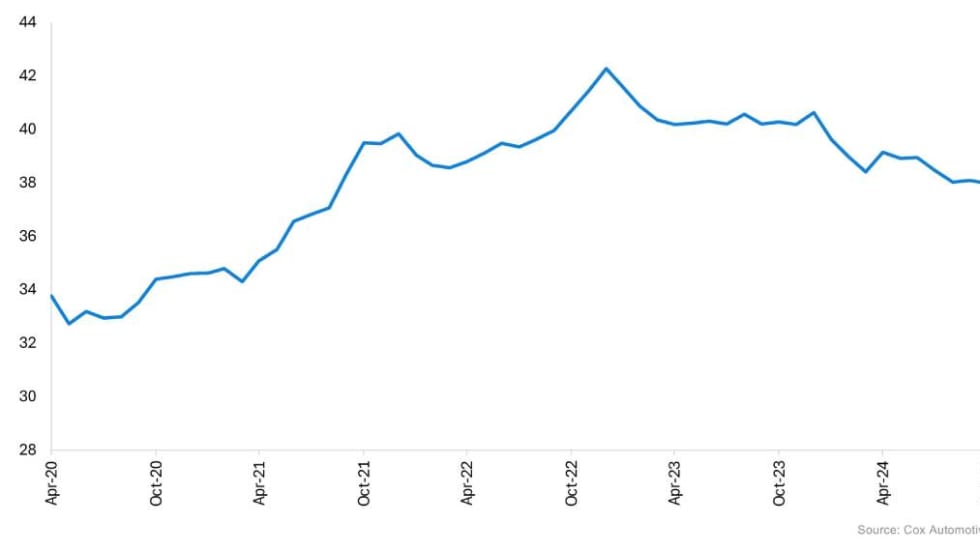
Tariff Burden Making New Vehicles Less Affordable
New-vehicle affordability declined in April to the worst level yet this year as the bite of higher prices and lower incentives reversed an improving trend.
Read More →
Strategic Remarketing Solutions Integrates with MeridianLink
The arrangement accesses cloud-based software designed to help financial institutions keep track of their vehicle and asset collections and limit repetitive clunky tasks.
Read More →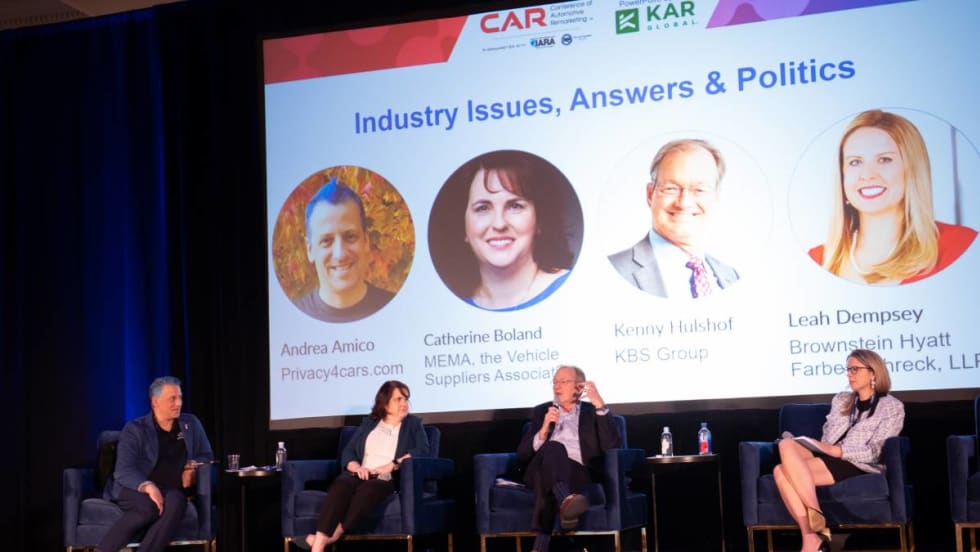
Why Business Groups Must Engage with Government
CAR 2023: Politics may be tough territory, but trade groups that build bridges in Washington, D.C. are less likely to get eaten at the regulatory table.
Read More →
Government ‘Rulapalooza’ Ready to Roll Out
Auto finance companies and remarketers should prepare to navigate a more active regulatory environment this year from the CFPB and FTC.
Read More →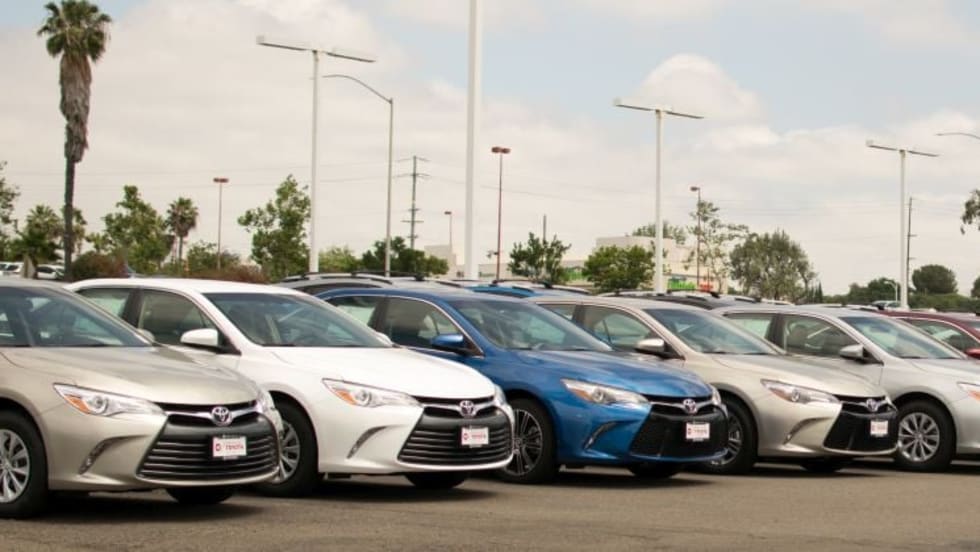
Used Vehicles Accounting for Larger Share of Auto Finance Market
Used financing increased 2.4% year-over-year and reached 55.15% in the third quarter of 2019.
Read More →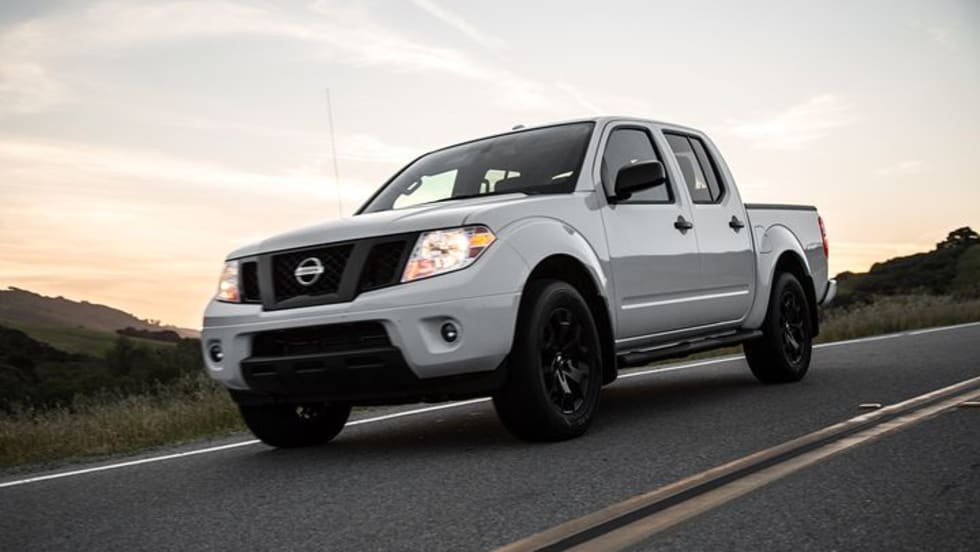
Frontier Leads Early Wave of Lease Price Drops
Several manufacturers offered attractive discounts and competitive pricing on compact cars and SUVs, while most luxury and full-size vehicle brands maintained their lease prices.
Read More →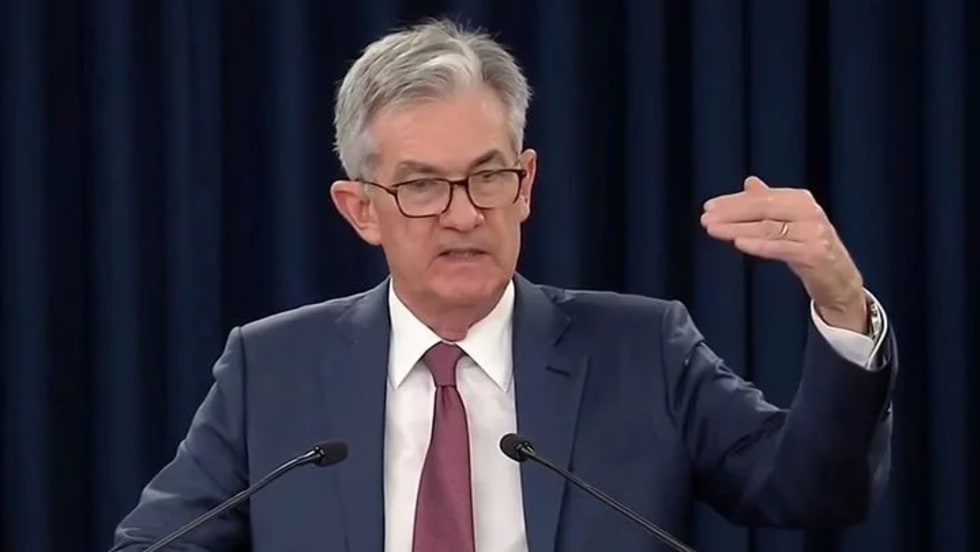
Fed Triggers Third Interest Rate Cut of 2019
The Federal Reserve announced a quarter-point interest rate reduction yesterday, its third such move this year. The target federal funds rate now stand at 1.5% after starting the year at 2.25%.
Read More →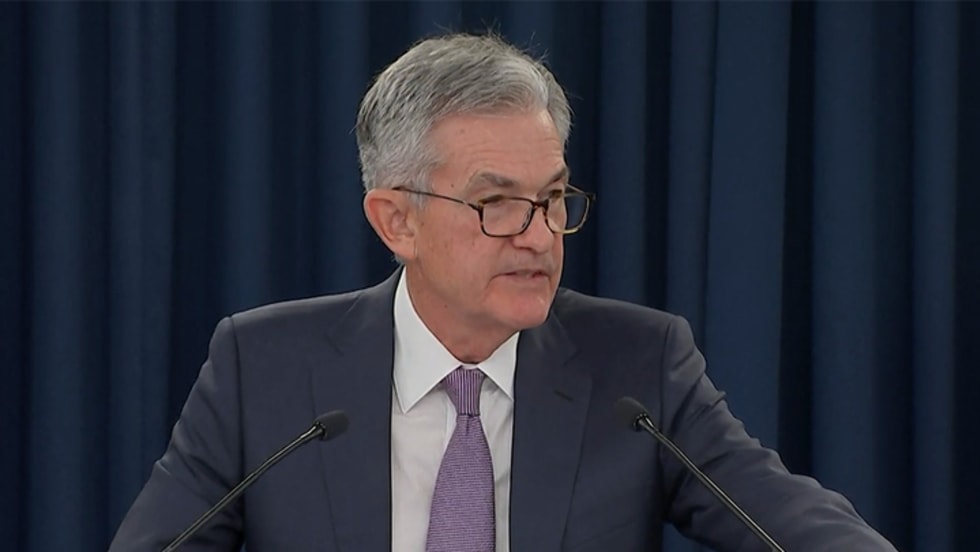
Auto Loans Likely Won't be Affected by Recent Interest Rate Cut
Cox Automotive’s chief economist, Jonathan Smoke, said he didn’t expect the Fed’s latest move to match the impact of the July cut for auto manufacturers or dealers.
Read More →
Lease Credit Approval Rates Rise to 69.1% in July
Swapalease.com, a car lease marketplace, reports car lease credit applicants registered a 69.1% approval rate in July, a rise from the June rate of 65%.
Read More →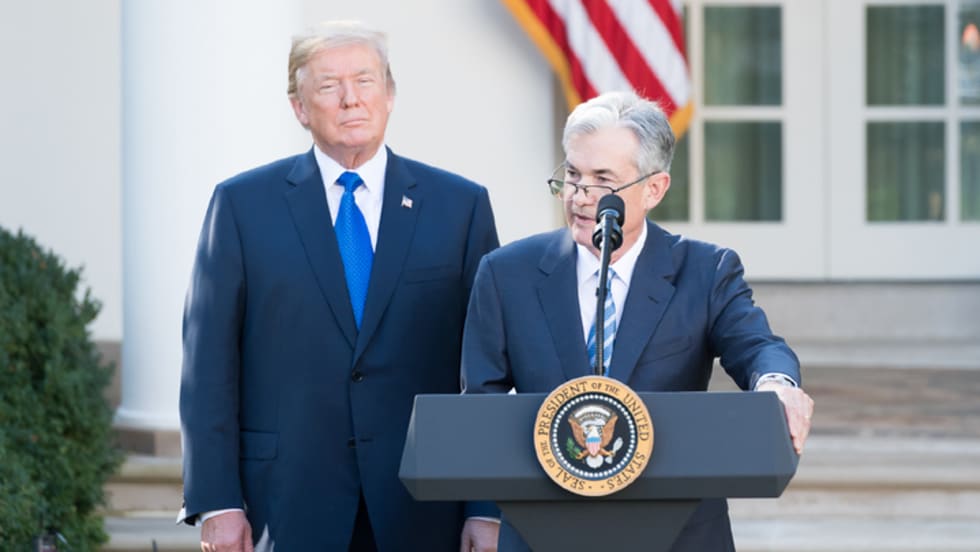
Fed Announces First Rate Cut in 11 Years
Federal Reserve Chairman Jerome Powell officially announced a widely expected cut to the federal funds rate yesterday, dropping the central bank's target by a quarter-point to 2%.
Read More →