



Related: Wholesale Truck Values Continue to Thrive, Luxury Cars Struggle
Vehicle Depreciation to Reach 17.8% in 2017
The vehicle depreciation rate will reach 17.8% in 2017 on 17 million new-vehicle sales, slightly higher than the 17.3% mark recorded in 2016, according to latest forecast from Black Book and Fitch Ratings. Prior to the Great recession, annual depreciation trended between 16% and 18%.
by Staff
February 27, 2017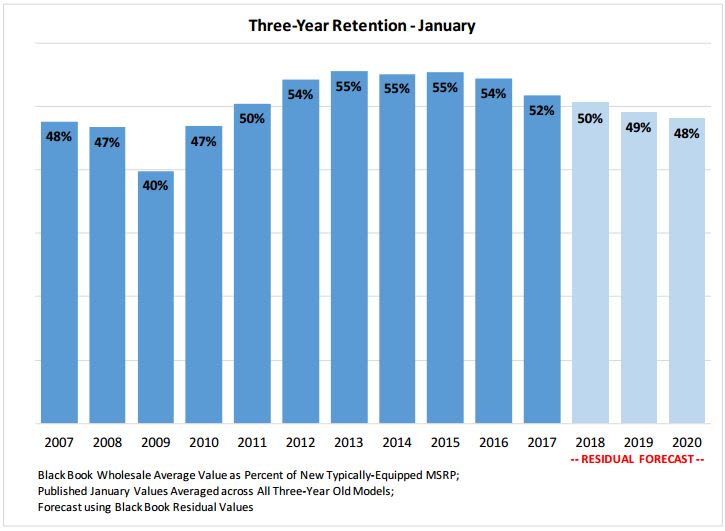
Chart courtesy of Black Book.
3 min to read
Chart courtesy of Black Book.
The vehicle depreciation rate will reach 17.8% in 2017 on 17 million new-vehicle sales, slightly higher than the 17.3% mark recorded in 2016, according to latest forecast from Black Book and Fitch Ratings. Prior to the Great recession, annual depreciation trended between 16% and 18%.
Between 2011 and 2016, average annual depreciation fell between 8.3% and 13.2%, driven mostly by low supply of in-demand pre-owned vehicle segments like trucks, crossovers and sport utility vehicles. Black Book added that it believes must of the pent-up demand that drove new- and used-vehicle sales has been spent, resulting in a rising level of vehicle depreciation expected in 2017.
“What’s more, a continued increase in lease activity along with higher incentives that began in 2016 spell more pressure on residual values, which are also expected to continue falling in 2017,” the firm stated.
The Black Book Wholesale Value Index, which is designed to provide an accurate view of the strength of used-vehicle wholesale market values, is expected to continue its slow decline in 2017 as the used-vehicle market loses strength, the firm said. In 2016, the index fell 6%.
Black Book forecasts a continual and gradual decline in residuals in the coming years. Currently, a two-year-old vehicle is averaging 52% of its original MSRP, and this is expected to decline to 48% by 2020. Black Book expects the market to reach a gradual normalization over the next three years. The biggest concerns include continuously increasing lease penetration leading to residual losses on the returns due to excess supply, higher levels of incentives on new vehicles pushing down used values, and longer loan terms leading to sustained negative equity.
“As we continue to move into the new year, several trends will continue to evolve and reshape the landscape for used vehicles,” said Anil Goyal, senior vice president of automotive valuation and analytics at Black Book. “Increased supplies from trade-ins and lease returns, coupled with a plateau in new sales activity will bring changes that can affect inventory strategies and profit potential.”
Fitch also offered its take on U.S. auto loan asset-back securities (ABS), noting that it doesn’t have major concerns despite expected weaker asset performance. “Fitch continues to have a positive rating outlook for prime auto loan asset-backed securities in 2017, despite higher losses expected this year,” said Hylton Heard, senior director of Fitch Ratings. “Auto ABS asset performance will continue to slow in 2017 as losses slowly rise to normalized levels similar to 2004-2006. Additionally, depreciation rates will creep up and recovery rates dip, which will drive loss severity and contribute to rising losses.
Fitch expects prime auto ABS annualized loss rates to move up to the 1% late in the year, but remain well within historical levels despite these negative trends. The historical average for the index is 0.91% going back to 2000, so current levels in early 2017 (December 2016: 0.73%) are comfortably tracking within our expectations.
Subprime auto ABS performance is pressured in 2017 due to softer performance in the 2013-2015 vintage securitizations, which have weaker credit quality pools. Fitch’s outlook for subprime asset performance is “weakening/stable” for 2017. “Our subprime annualized net loss index is predicted to range between 10%-12% during 2017, and could rise to peak levels recorded back in 2008-2009 of approximately 13%.”
Through January 2017, the ANL index stood at 10.3%.
The Black Book-Fitch vehicle depreciation report is a joint venture by the two companies utilizing Black Book’s used-vehicle depreciation data and Fitch’s U.S. Auto ABS indices data. For the full report, click here.
This story was originally published on F&I and Showroom, a sister publication of Vehicle Remarketing.
Originally posted on Automotive Fleet
More Operations
Fleet Sales Hold Steady as Commercial Gains Offset Rental Decline
Commercial and government fleet sales increased through July 2026, offsetting most of the decline in rental volume and leaving combined comparable fleet sales 0.5% above the same period last year.
Read More →
Personnel Update: BrickHouse GPS, PRO-VISION, Auto Driveaway, and Proaction
Check out the latest must-know fleet personnel updates from the last couple of months.
Read More →
What Comes Next for Auto Driveaway?
A new Auto Driveaway feature called Arrive provides recipients with live location updates and ETAs during the final hour of a vehicle move, while fleet customers continue to have end-to-end shipment visibility through the company's customer portal.
Read More →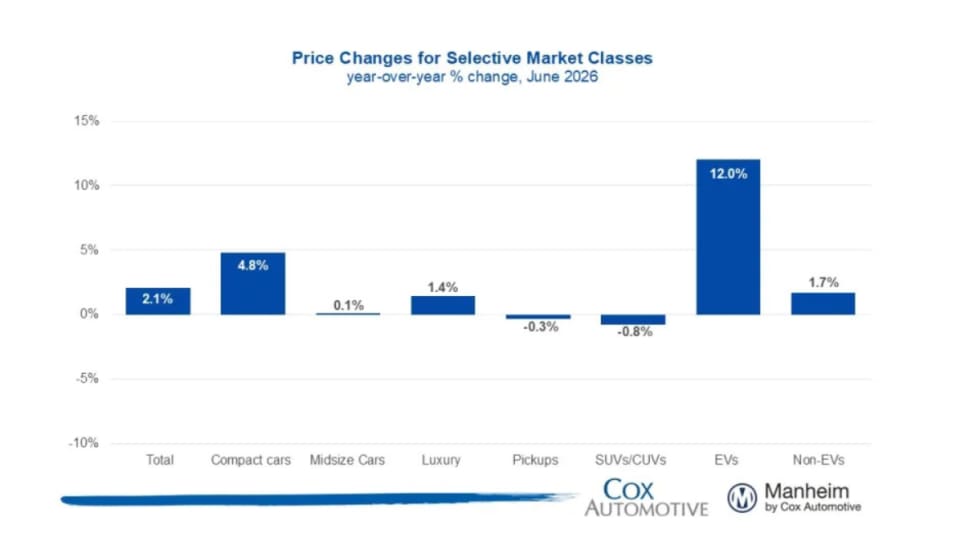
Manheim Index Shows Used-Vehicle Wholesale Prices Up 2.1% in June
The market is seeing stronger appreciation in older used vehicles this year, and the most affordable segments have been among the year’s best performers.
Read More →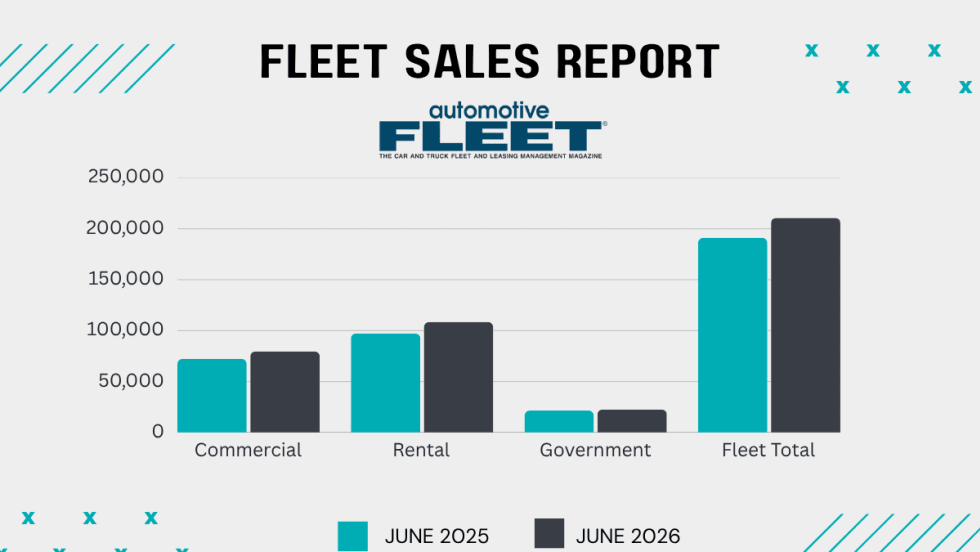
Commercial Fleet Sales Contribute To June, YTD Gains
The fleet sector has boosted its vehicle purchases at a reliable pace in the first half of this year compared with 1H 2025.
Read More →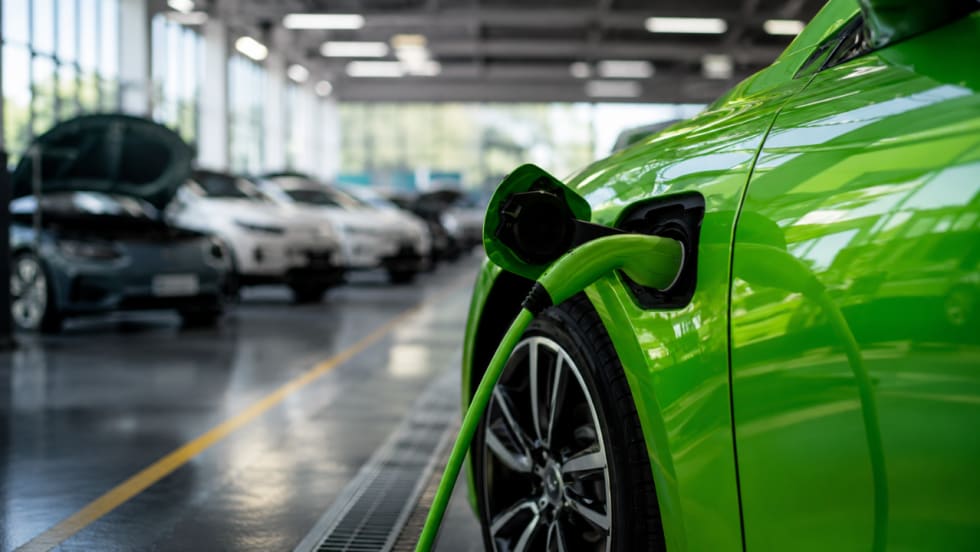
Stop Remarketing Electric Vehicles Like Gas Cars
The advantages and attributes of electric vehicles are upending the traditional remarketing cycle, requiring fleet sellers to rely on new factors and approaches detailed below.
Read More →
AP Fleet Management Expands Remarketing Program for Commercial Work Trucks
AP Fleet Management expanded its commercial vehicle remarketing program with dedicated resale services and an online marketplace for used work trucks.
Read More →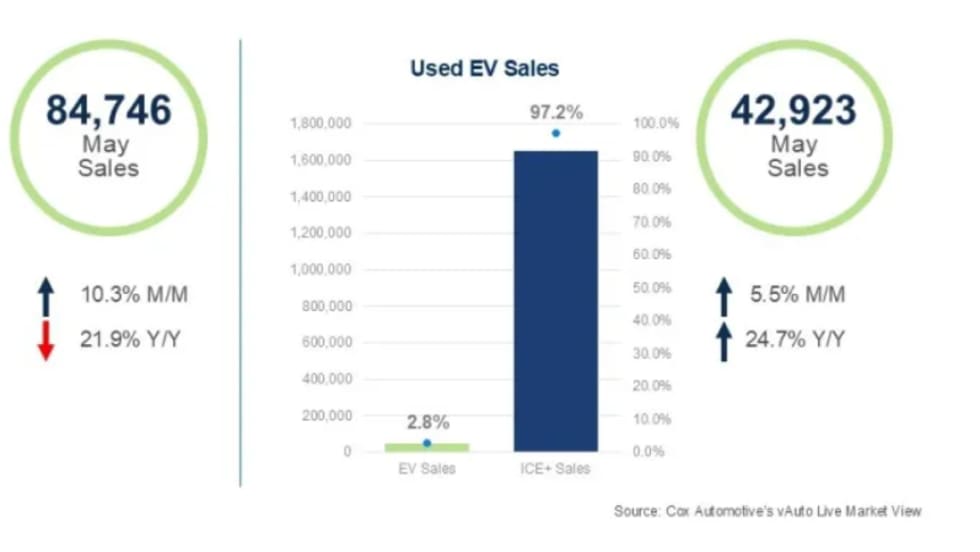
Used EVs Strengthen Overall Electric Vehicle Market
The latest sales data point to several reasons for the divergent trends in new and used EVs that can factor into fleet cycling decisions.
Read More →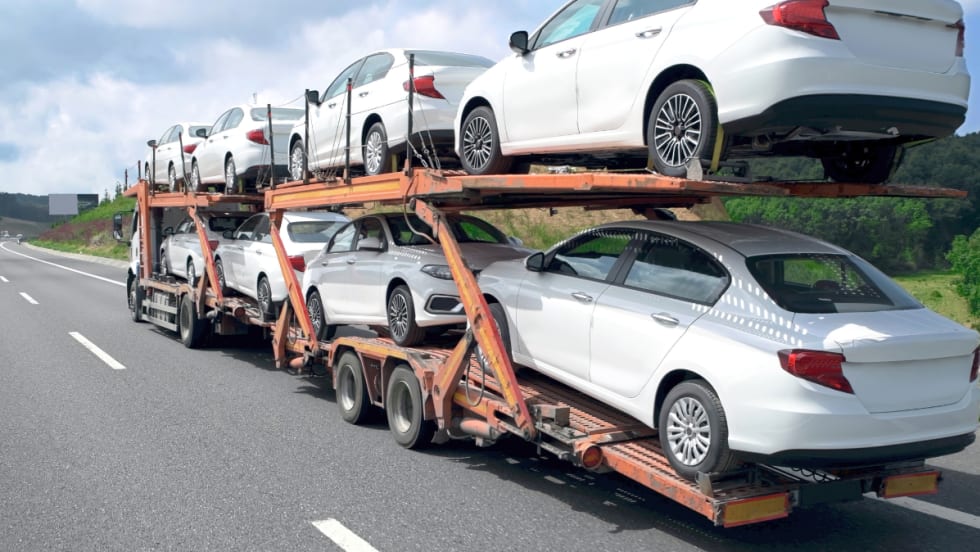
The Data-Driven Haul: 5 Ways AI is Leveling the Playing Field in Auto Transport
Large and small transport fleets are becoming more competitive as predictive analytics and real-time data inform the logistics decision chain.
Read More →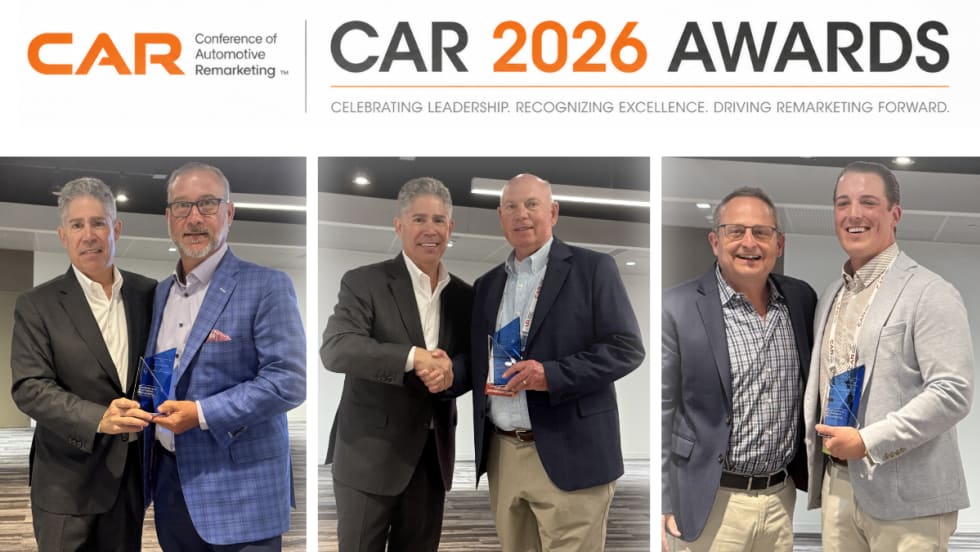
2026 CAR Awards Celebrate Industry Excellence
CAR’s annual Fleet Remarketing Awards opened a reimagined 2026 conference designed to bridge the worlds of fleet management and automotive remarketing.
Read More →