



January Retail Vehicle Sales Expected to Tumble
The industry is expected to sell 1.13 million new vehicles in January, a 3% decline over the same time last year, and a 33% decline from the month before, according to Kelley Blue Book, resulting in a seasonally adjusted annual rate (SAAR) of 17.4 million.
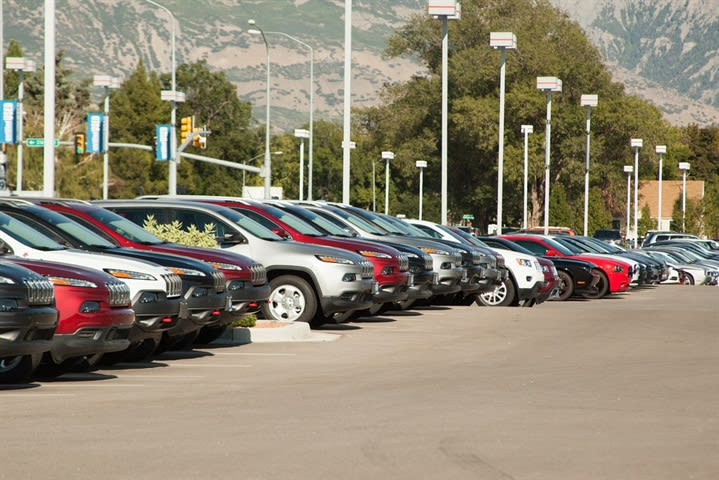
Photo courtesy of EveryCarListed via Flickr.
Photo courtesy of EveryCarListed via Flickr.
The industry is expected to sell 1.13 million new vehicles in January, a 3% decline over the same time last year, and a 33% decline from the month before, resulting in a seasonally adjusted annual rate (SAAR) of 17.4 million.
Of those sales, 79.2% will originate from retail sales while 20.8% are expected to come from fleet. This represents a slight decrease in percentage of retail sales from the same time last year, when 79.9% of sales originated from retail sales, the firm noted, according to Kelley Blue Book data.
"January is typically the weakest month of the year for sales, as winter weather sets in and consumers recover from big spending over the holiday season," said Alec Gutierrez, senior analyst for Kelley Blue Book. "In addition, many potential sales were likely pulled ahead into December as consumers opted to take advantage of the ample inventory and incentives available industry-wide."
Those incentives, KBB noted, are something the industry will have to look out for through 2017. In 2016, transaction prices reached some of their highest levels on record, but incentive spending rose about as much, counterbalancing the would-be profit. According to KBB, for the industry to see another record-year in 2017 would require undisciplined sales tactics driven by incentives, leasing and longer loan terms.
KBB is now forecasting vehicle sales by the end of the year at 16.8 to 17.3 million units, 1% to 4% less sales than 2016 produced.
Two manufacturers that Gutierrez expects to see sales grow in the first month of the year are Honda and Volkswagen. The KBB analyst expects Honda to realize an approximate 5% year-over-year growth primarily driven by sales of the brand’s CR-V and HR-V models.
And, demand for utilities won’t be constrained to just Honda, KBB noted. According to KBB, mid-size SUVs/ crossovers are expected to be the second highest volume segment in January. The title of top volume segment will belong to compact SUV/crossovers, and although the segment is expected to realize a slight year-over-year sales decline in January, it’s still expected to grow its share of overall sales. If demand for the segment continues on its current trajectory, KBB predicts that the Toyota RAV4 and Honda CR-V may unseat the Toyota Camry and Honda Civic as the highest-selling vehicles in the industry.
As for Volkswagen, the analyst sees the manufacturer putting the diesel scandal behind it to realize an approximate 17% year-over-year increase in sales.
"With multiple new products on the market and looking to put the diesel scandal in the past, Volkswagen Group should report large year-over-year increases, and start to gain back market share," said Gutierrez. "While new cars like the Volkswagen Golf Alltrack and redesigned Audi A4 are contributing to the automaker's growth this month, SUVs like the Tiguan and upcoming Atlas will have to become bigger players to help Volkswagen transition its sales mix toward the growing consumer preference for utilities."
Originally posted on Automotive Fleet
More Operations

CAS Automotive Launches Remarketing Service for Damaged, Surplus Equipment
Damaged Equipment expands CAS Automotive’s vehicle remarketing model to commercial equipment, targeting fleet operators, insurers, equipment dealers, and rental companies.
Read More →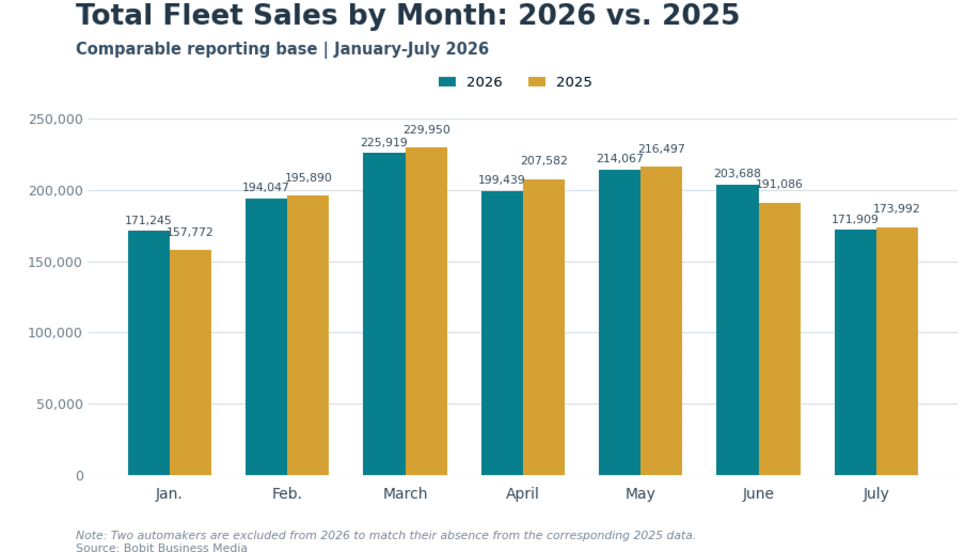
Fleet Sales Hold Steady as Commercial Gains Offset Rental Decline
Commercial and government fleet sales increased through July 2026, offsetting most of the decline in rental volume and leaving combined comparable fleet sales 0.5% above the same period last year.
Read More →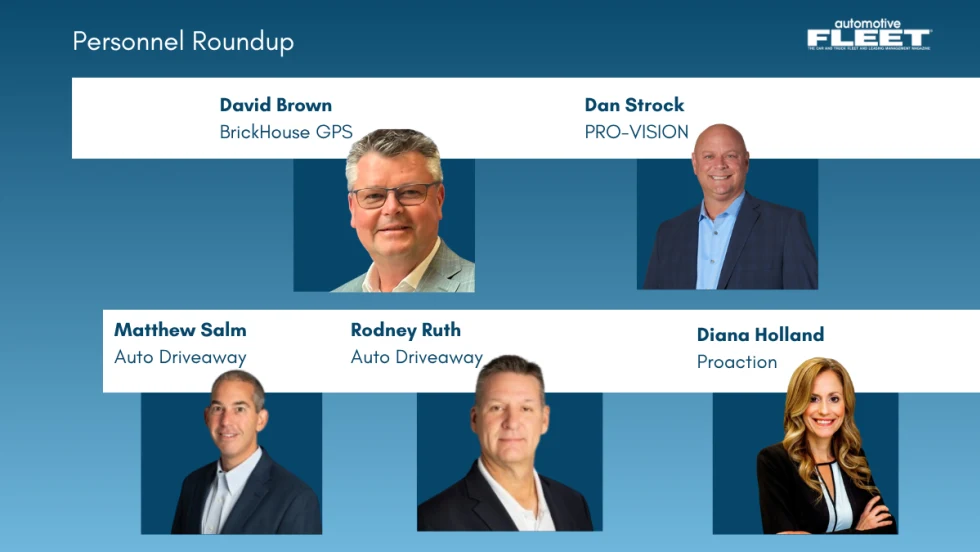
Personnel Update: BrickHouse GPS, PRO-VISION, Auto Driveaway, and Proaction
Check out the latest must-know fleet personnel updates from the last couple of months.
Read More →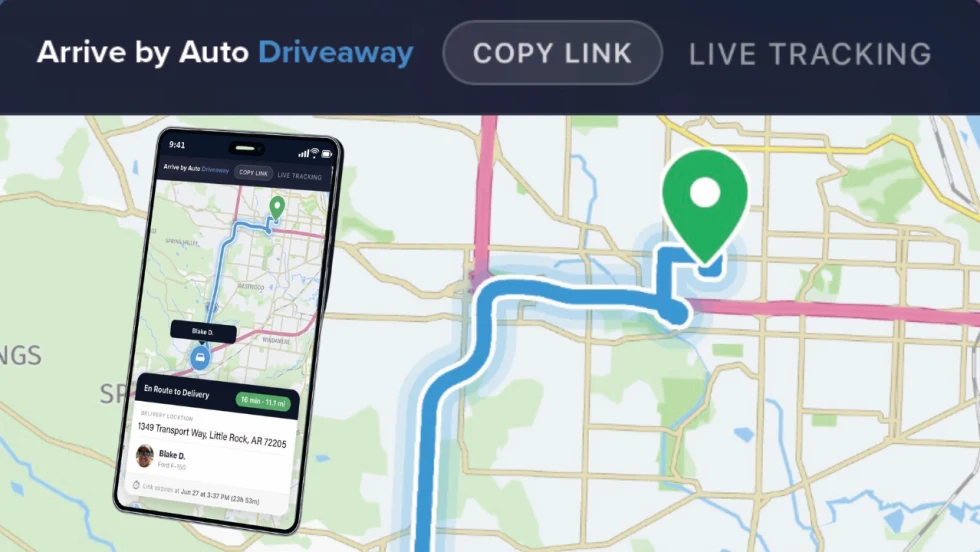
What Comes Next for Auto Driveaway?
A new Auto Driveaway feature called Arrive provides recipients with live location updates and ETAs during the final hour of a vehicle move, while fleet customers continue to have end-to-end shipment visibility through the company's customer portal.
Read More →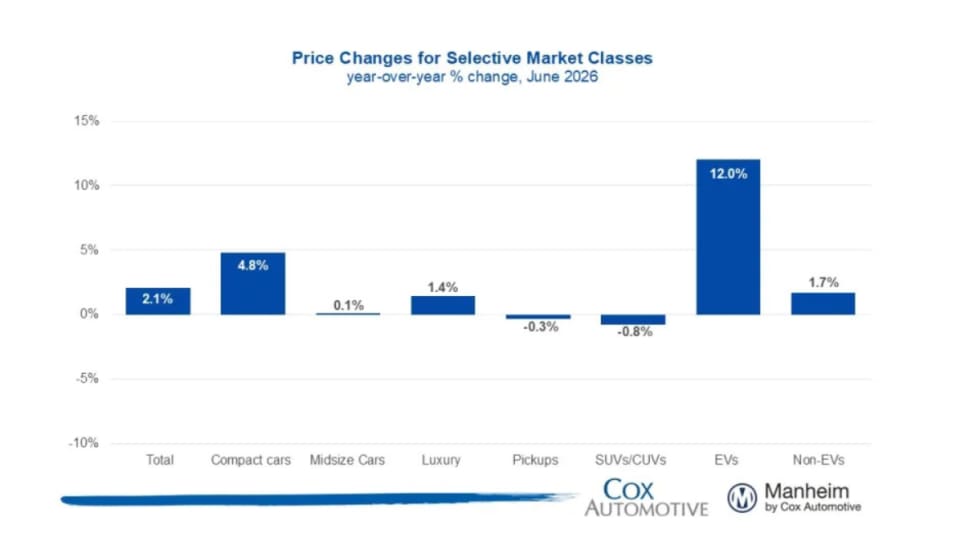
Manheim Index Shows Used-Vehicle Wholesale Prices Up 2.1% in June
The market is seeing stronger appreciation in older used vehicles this year, and the most affordable segments have been among the year’s best performers.
Read More →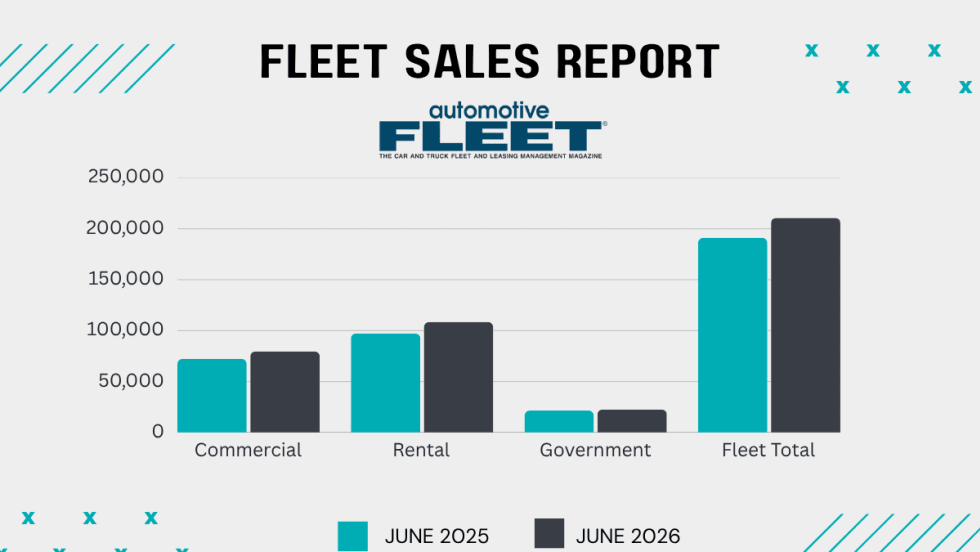
Commercial Fleet Sales Contribute To June, YTD Gains
The fleet sector has boosted its vehicle purchases at a reliable pace in the first half of this year compared with 1H 2025.
Read More →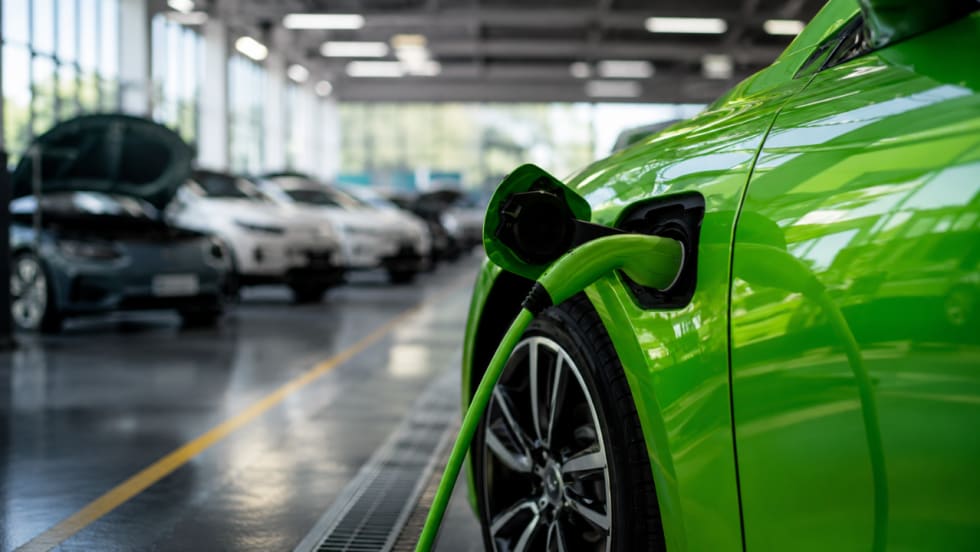
Stop Remarketing Electric Vehicles Like Gas Cars
The advantages and attributes of electric vehicles are upending the traditional remarketing cycle, requiring fleet sellers to rely on new factors and approaches detailed below.
Read More →
AP Fleet Management Expands Remarketing Program for Commercial Work Trucks
AP Fleet Management expanded its commercial vehicle remarketing program with dedicated resale services and an online marketplace for used work trucks.
Read More →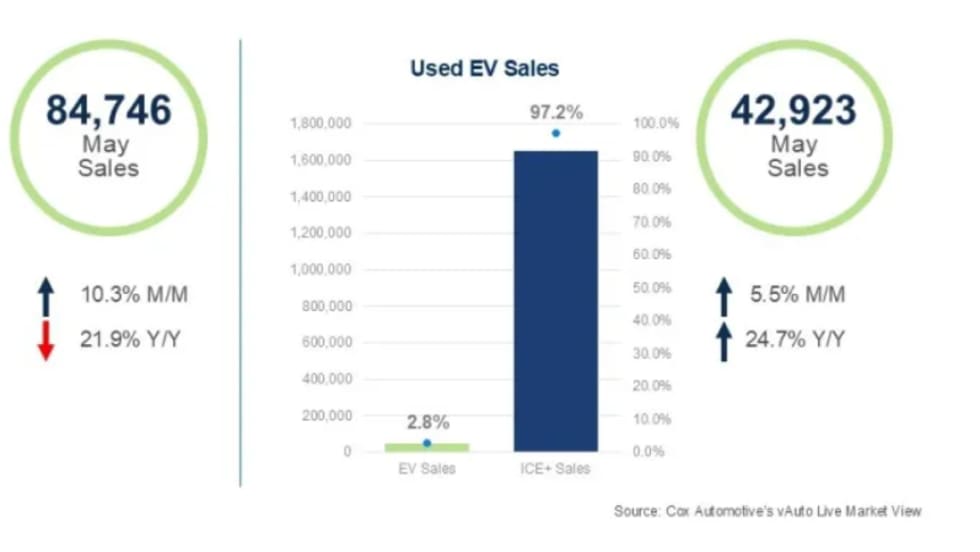
Used EVs Strengthen Overall Electric Vehicle Market
The latest sales data point to several reasons for the divergent trends in new and used EVs that can factor into fleet cycling decisions.
Read More →
The Data-Driven Haul: 5 Ways AI is Leveling the Playing Field in Auto Transport
Large and small transport fleets are becoming more competitive as predictive analytics and real-time data inform the logistics decision chain.
Read More →