



Related: New-Car Transaction Prices Rise Nearly 2% in November
New Vehicle Transaction Price Reaches Record in December
The estimated average transaction price for light vehicles reached an all-time record high of $35,309 in December.
by Staff
January 6, 20173 min to read
The estimated average transaction price for light vehicles in the United States reached an all-time record high of $35,309 in December.
This increase amounted to a 1.5% increase over the same time last year, according to Kelley Blue Book (KBB).
Virtually all vehicle OEM recorded increases in average transaction prices, with Fiat Chrysler, Ford Motor Co. and Nissan North America leading the way. However, KBB noted that just as new prices have grown, so have incentives.
“Even though transaction prices are at an all-time high, incentives have grown similarly to counterbalance the increased prices,” said Tim Fleming, analyst for Kelley Blue Book. “Higher average transaction prices are reflective of the rapid shift in consumer demand away from cars and into trucks and utility vehicles, which are more expensive. Should the sales mix of cars to SUVs reach a stable point in the near future, actual transaction price growth could match or fall just short of inflation.”
For Fiat Chrysler, average vehicle transaction prices rose 3.3%, driven primarily by the automaker's Chrysler, Dodge, and Jeep brands. The strength of the Pacifica minivan propelled average transaction prices for the Chrysler brand up 10%, as did fewer sales of the brand's 200 Sedan. The Dodge brand was up 5% on a lower mix of its compact car, the Dart, and strong performance from the Charger. The average for the Jeep brand was up 2% thanks to a strong month from the refreshed Grand Cherokee.
“December was an interesting month for FCA. Though the Jeep and Ram brands are up, incentives are high, and vehicles such as the Cherokee saw big drops. Jeep has to hope its 2017 redesigns can stem some of the bleeding and help reduce incentives,” said KBB analyst Akshay Anand. “Alfa Romeo and Fiat continue to be drags on FCA, with Alfa’s volume still next to nothing and Fiat continuing to decline in sales. The Pacifica was a great story for Chrysler, but the brand still needs more models in order to become a player.”
Essentially matching Fiat Chrysler’s growth rate, Ford Motor Co. realized a 3% rise in its average transaction price for December. The main drivers were the automaker's Explorer, Escape and Fusion, which saw their transaction prices climb by 11%, 3%, and 4%, respectively. The Lincoln brand's average transaction price rose 3% increase due to the Continental $57,156 average transaction price.
Nissan North America realized the biggest year-over-year increase among all the OEMs, with its average transaction price rising 5.9% over the same time last year, according to KBB. Michelle Krebs, senior analyst for AutoTrader, noted that the brand’s growth was driven in large part by the success of its Nissan Rogue sport utility, which benefited from the advertising tie-in with Rogue One: A Star Wars Story.
“Appealing products, incentives, and financing likely drove the industry to another record year in 2016. A three-peat is possible (if not probable) if Wall Street, consumer confidence, and the economy continue to respond favorably to the incoming administration. There are a lot of old cars on the road still and a lot of new technology awaiting shoppers in today's showrooms,” said Rebecca Lindland, senior analyst for Kelley Blue Book.
Editor's note: This story originally appeared on F&I Showroom, which is a Bobit Business Media publication.
More Operations
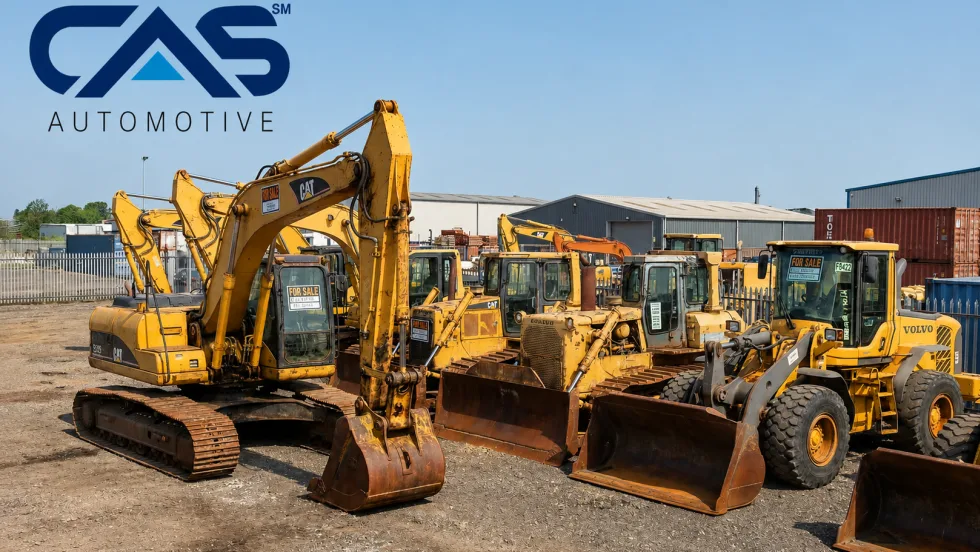
CAS Automotive Launches Remarketing Service for Damaged, Surplus Equipment
Damaged Equipment expands CAS Automotive’s vehicle remarketing model to commercial equipment, targeting fleet operators, insurers, equipment dealers, and rental companies.
Read More →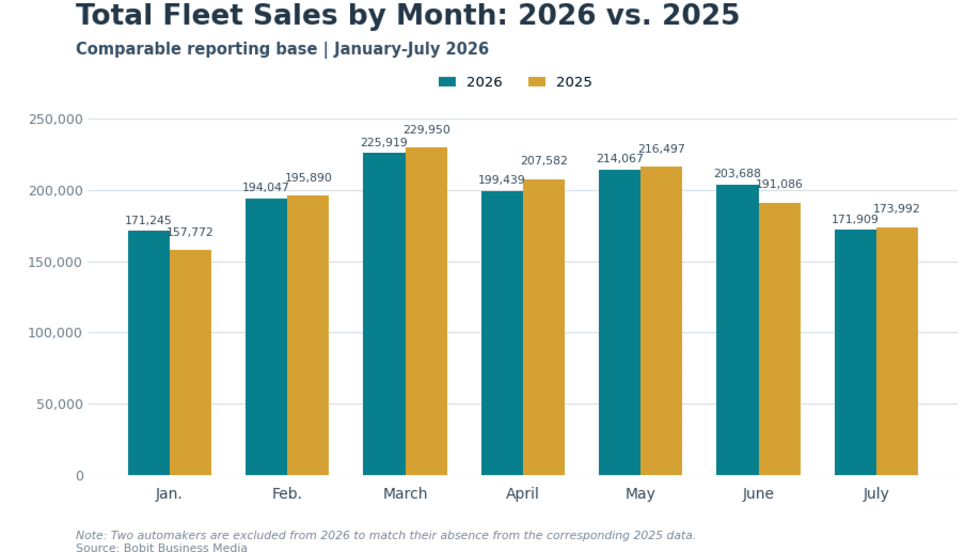
Fleet Sales Hold Steady as Commercial Gains Offset Rental Decline
Commercial and government fleet sales increased through July 2026, offsetting most of the decline in rental volume and leaving combined comparable fleet sales 0.5% above the same period last year.
Read More →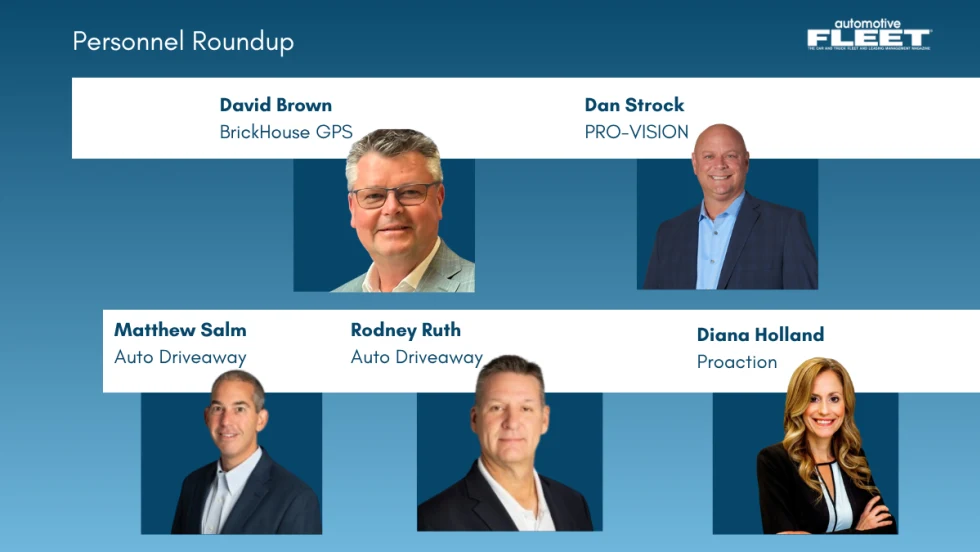
Personnel Update: BrickHouse GPS, PRO-VISION, Auto Driveaway, and Proaction
Check out the latest must-know fleet personnel updates from the last couple of months.
Read More →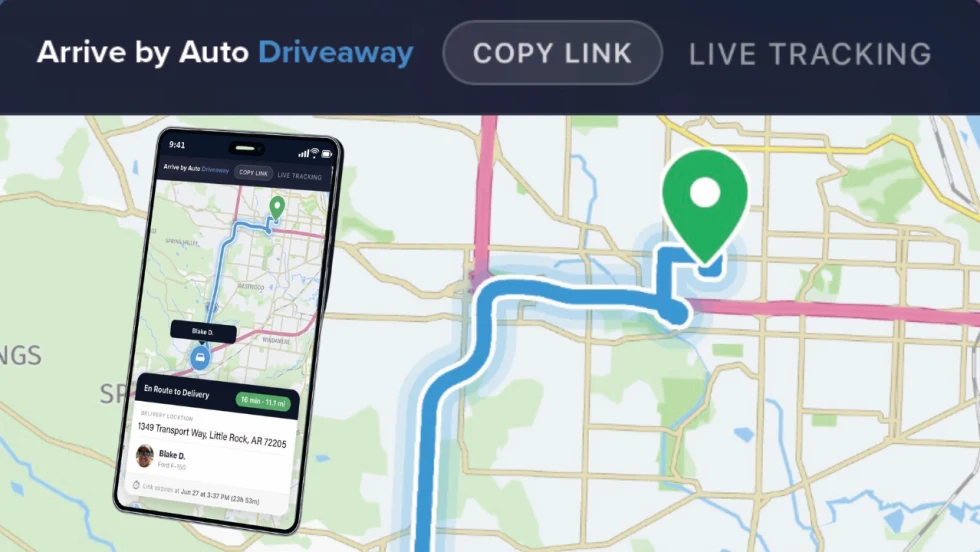
What Comes Next for Auto Driveaway?
A new Auto Driveaway feature called Arrive provides recipients with live location updates and ETAs during the final hour of a vehicle move, while fleet customers continue to have end-to-end shipment visibility through the company's customer portal.
Read More →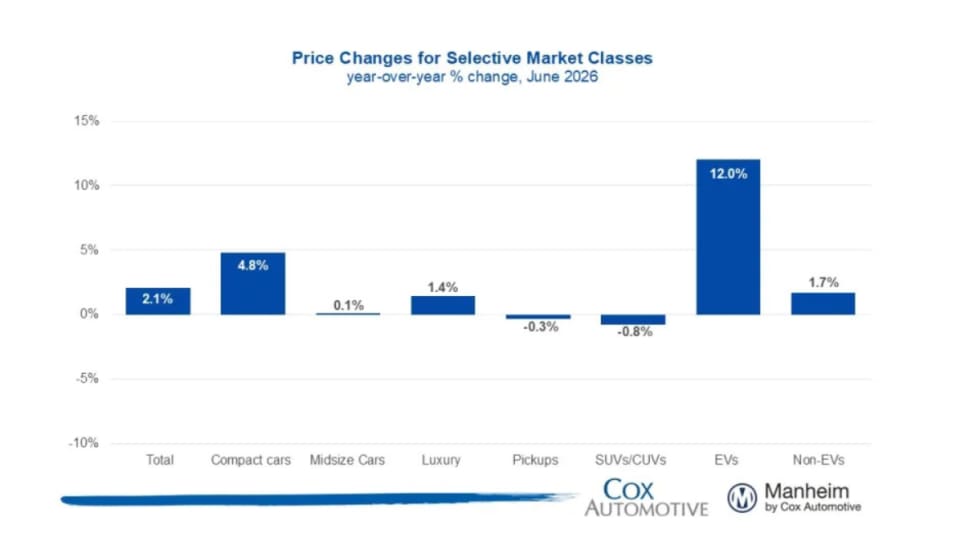
Manheim Index Shows Used-Vehicle Wholesale Prices Up 2.1% in June
The market is seeing stronger appreciation in older used vehicles this year, and the most affordable segments have been among the year’s best performers.
Read More →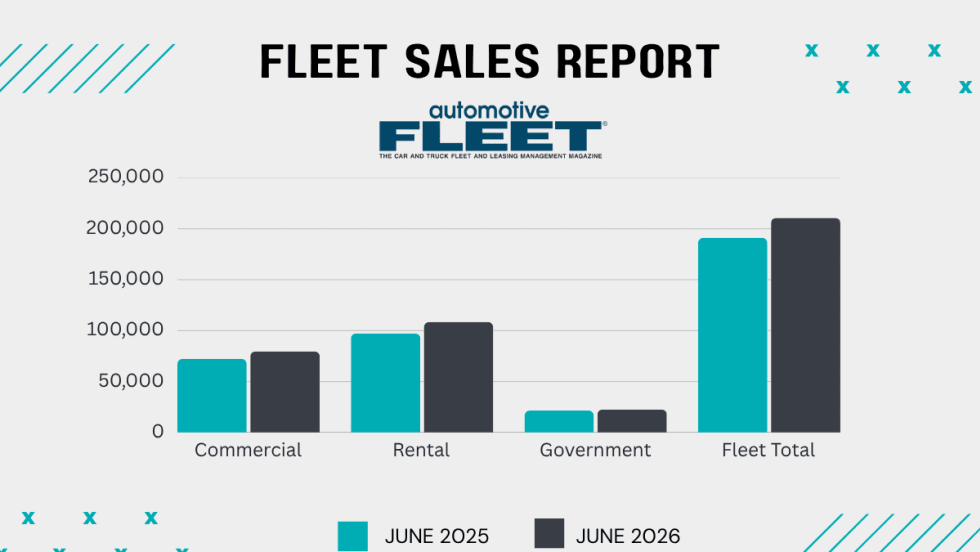
Commercial Fleet Sales Contribute To June, YTD Gains
The fleet sector has boosted its vehicle purchases at a reliable pace in the first half of this year compared with 1H 2025.
Read More →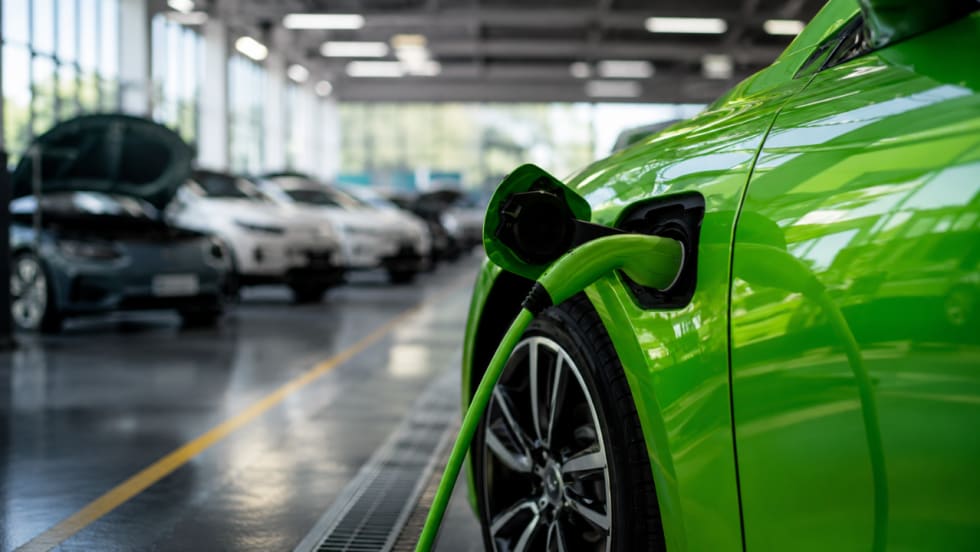
Stop Remarketing Electric Vehicles Like Gas Cars
The advantages and attributes of electric vehicles are upending the traditional remarketing cycle, requiring fleet sellers to rely on new factors and approaches detailed below.
Read More →
AP Fleet Management Expands Remarketing Program for Commercial Work Trucks
AP Fleet Management expanded its commercial vehicle remarketing program with dedicated resale services and an online marketplace for used work trucks.
Read More →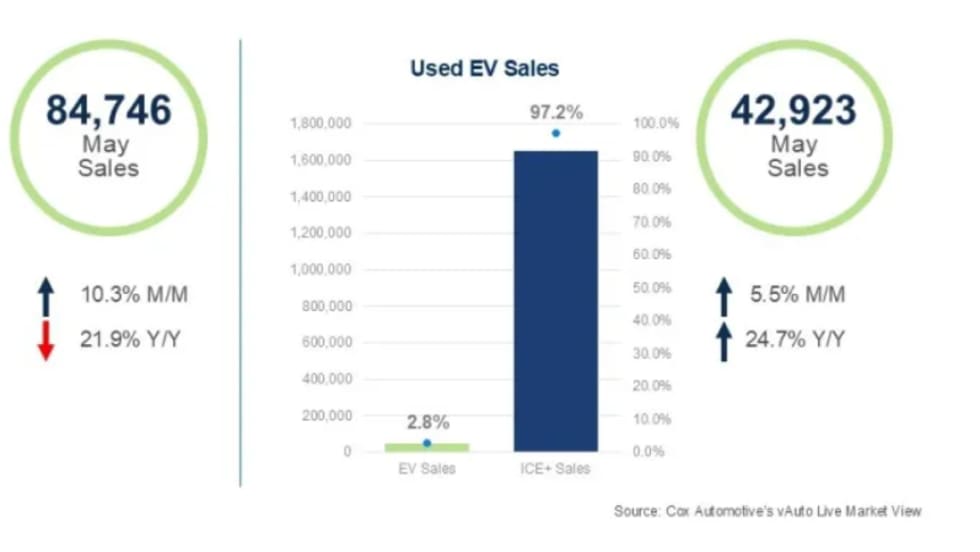
Used EVs Strengthen Overall Electric Vehicle Market
The latest sales data point to several reasons for the divergent trends in new and used EVs that can factor into fleet cycling decisions.
Read More →
The Data-Driven Haul: 5 Ways AI is Leveling the Playing Field in Auto Transport
Large and small transport fleets are becoming more competitive as predictive analytics and real-time data inform the logistics decision chain.
Read More →