



How to Tell Whether a Car Has Been Flood Damaged
While flooding can happen almost anywhere at almost any time, because of the storms that hit the Eastern U.S. in the fall of 2005, there is a chance that unscrupulous parties will attempt to sell cars that have been under water.
Water can be a friend to a car. Cool, clear water is the best thing for washing the exterior finish. Clear water with special solvents in it is just what the windshield washer system needs to keep the glass clear. And clear water mixed with anti-freeze in the cooling system will keep the engine running happily.
But clear water is not a friend to a car if the car is submerged in it. It starts the demon rust working in areas that are not protected from it. It shorts out parts of the electrical system. It grows mold in upholstery. And, finally, it creates mechanical problems that may show up long after the submersion.
It’s much easier to deal with a car that has been submerged in salt water, such as from a coastal storm surge. A car that has been under salt water is a total loss. It can be parted out, and some usable parts retained, but salt water reacts so severely with the electrical system that there is no hope of making the car drivable again.
So, if a dealer is offering a real bargain on a late model used car, how can you tell that it has or hasn’t been in for an involuntary swim?
Check the History
You need to find out where the car came from, where it’s been. There are services that can track down the registration history of a vehicle through its serial number. However, this “title history” will not indicate flood damage. It can, however, indicate that the car came from a place and time where flood damage might have occurred.
Check for Odors
One clue that is relatively easy to follow is the odor of the interior. If there is a musty smell, even if everything looks dry, it is possible that the interior was sufficiently damp enough to cause mold or mildew to grow. To get rid of these, almost all the upholstery has to be replaced, as well as the under backing and padding. If the seller is looking to turn a quick buck, it’s likely that only the surface has been cleaned.
If the carpets and/or headliner have been recently shampooed or replaced, that should also be a strong signal. Carpets and headliner can usually go for nearly 20 years or more before needing serious cleaning or replacement.
Check for Dirt and Corrosion
If the car passes the other tests, but you still have suspicions, look for water and grit inside the car and inside the engine compartment as signs of a potential submersion. Check under the dashboard for dried mud or residue and be sure to lift the trunk mats and check for signs of water, grit, mud, or residue of any kind.
Be concerned if you notice excessive dirt, mud, or water stains in or around areas of the vehicle that aren't normally exposed to the elements.
Don't forget to look for unusual or excessive moisture in the car's gauges. Condensation inside the speedometer or other instruments is not normal, and extremely difficult to remove.
Look for rust on the inside of the car and under interior carpeting. Also, check for rust on screws inside the console or other areas of the car where water simply wouldn't reach had the car not been submerged and, finally, don't forget to check for surface rust under the trunk mats.
If the car passes all these inspections and tests, you may be getting a good deal. But it’s better to pass up on an “iffy” car and be safe than it is to take a chance and get shot down in the end.
More Operations
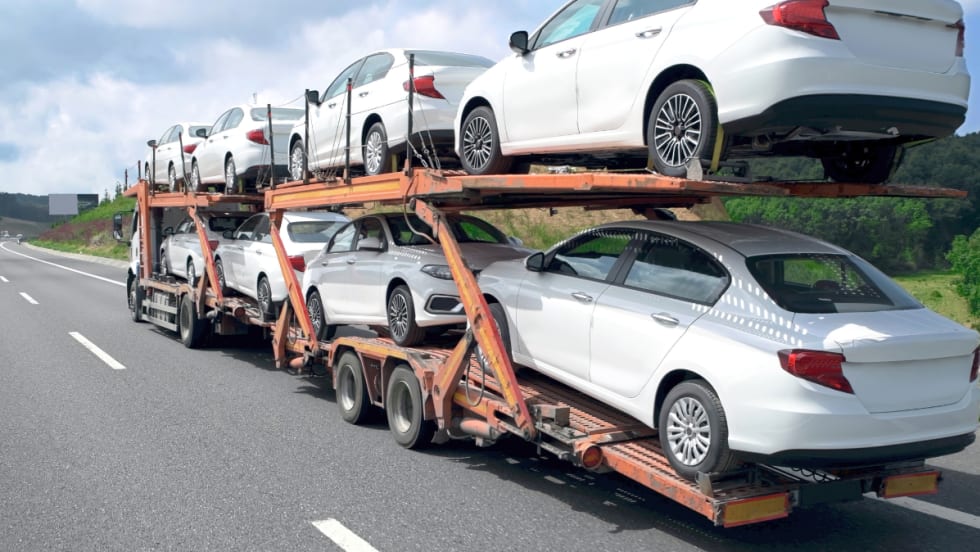
The Data-Driven Haul: 5 Ways AI is Leveling the Playing Field in Auto Transport
Large and small transport fleets are becoming more competitive as predictive analytics and real-time data inform the logistics decision chain.
Read More →
How to Speak the Same Language on Fleet Safety
Drivers, supervisors, and data often speak different safety “languages.” Getting on the same page will drive better results.
Read More →
2026 CAR Awards Celebrate Industry Excellence
CAR’s annual Fleet Remarketing Awards opened a reimagined 2026 conference designed to bridge the worlds of fleet management and automotive remarketing.
Read More →
The Predictive Pivot: How AI and Data Are Redefining Auto Logistics in 2026
AI is no longer a luxury but the baseline for profitability in 2026. Auto haulers that adopt these tools now will quickly outpace those using manual workflows and taking a wait-and-see approach.
Read More →
The Predictive Pivot: How AI and Data Are Redefining Auto Logistics in 2026
AI is no longer a luxury but the baseline for profitability in 2026. Auto haulers that adopt these tools now will quickly outpace those that use manual workflows or take a wait-and-see approach.
Read More →
CAR 2026 Recap Part 2: Closing the Gap Between Data & Remarketing Value
The second half of CAR 2026 examined how fleets can translate lifecycle strategy, vehicle data, and market shifts into higher real-world results.
Read More →
CAR2026 in Two Words: Velocity, Value (Part 1)
The 2026 Conference of Automotive Remarketing convened with a mandate to involve a new constituency — fleet managers — and an updated mission to demonstrate unrealized value in de-fleeted vehicles.
Read More →
CAR 2026: Get the Wall Street Update on the Key Players in Remarketing
From a Wall Street analyst's take on remarketing's key players to whether fleets need their own version of Carfax, CAR 2026's afternoon roundtables will answer key operational and industry questions.
Read More →
CAR 2026 Session to Uncover the Missing Data That's Costing Fleets at Disposal
Work trucks lose value at remarketing, not because they aren't worth more, but because the data to prove it rarely makes it to the auction.
Read More →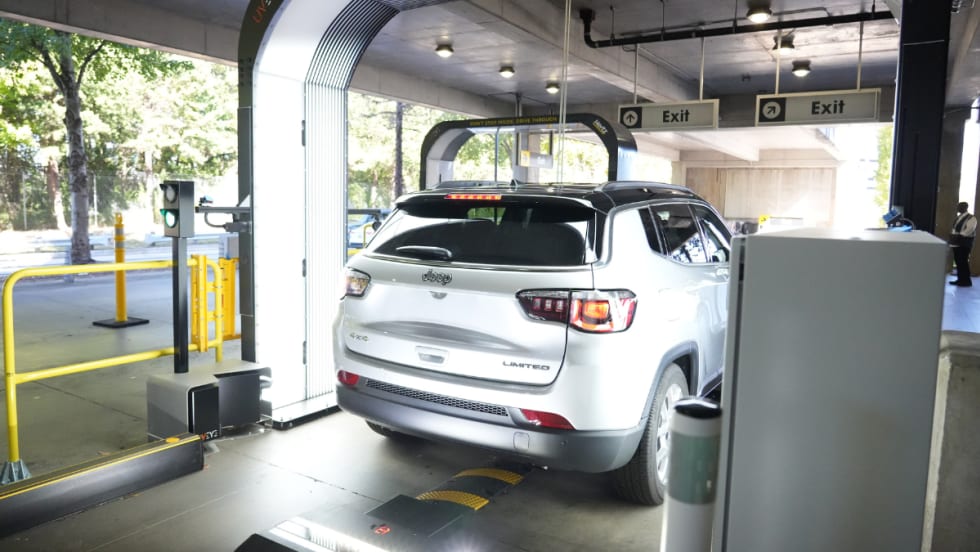
TSD Mobility, UVeye Partner On Automated Vehicle Inspections
The enhanced technology allows rental car operations, dealerships, and auctions to compare a vehicle’s condition at pickup and drop-off within the same rental or loaner record.
Read More →