



The Details in a Detail Make the Difference
A well-detailed vehicle brings more money on the auction block and provides more value to the buyer by reducing sale turnaround time and improving the overall presentation of a vehicle on a dealer’s lot. For auctions, it means repeat business from buyers and sellers.
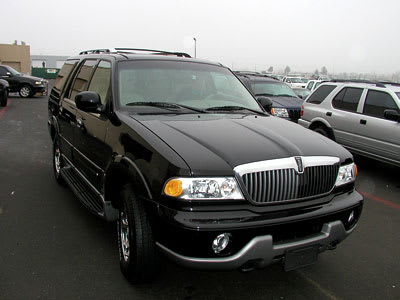
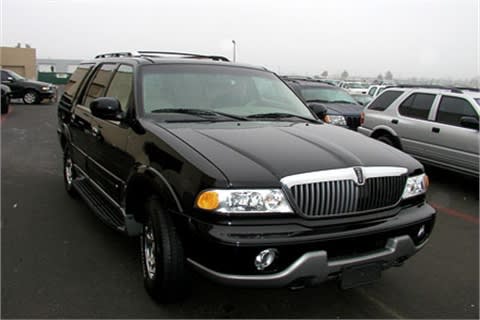
As a three-time winner of Ford’s prestigious Golden Gavel Award, placing first in the Auction Quality Program, Brasher’s Sacramento Auto Auction has set the bar high in setting goals for the many departments that make up a full-service auction facility. And no department has higher standards than its Reconditioning Department, which scores consistently superior marks on the quality of the details it produces day in and day out. This amounts to as many as 210 detailed cars and trucks a day, an average of 1,300 vehicles a month, more than 67,000 vehicles a year.
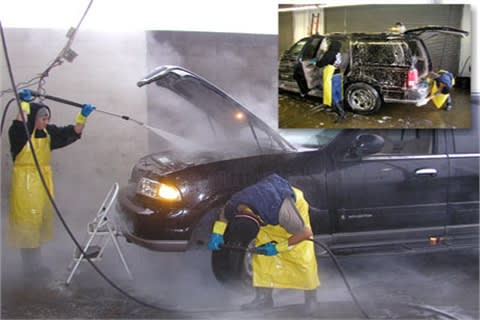
The process a vehicle goes through in being detailed at Brasher’s Sacramento Auto Auction probably isn’t very different from that at any other recon facility. It starts with a steam clean and a wash; then the interior is “de-littered” and cleaned. After the car is waxed and polished, the windows are cleaned inside and out, and the vehicle moves into the inspection area where it is thoroughly checked before being moved to its spot on the auction lot.
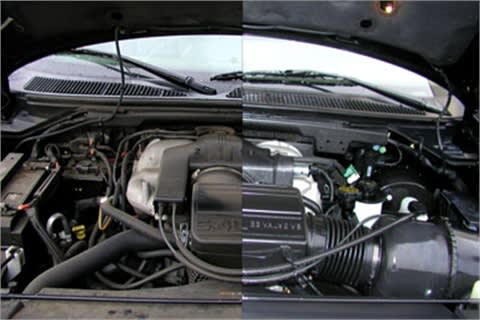
At Brasher’s, the detail’s “morning” crew gets started at 4 a.m., working on four lanes in the shop; the “night” crew takes over at 1 p.m. on three lanes. The detail process takes between 45 minutes and an hour per vehicle, depending on how dirty a car is, and its color (dark-colored exteriors, particularly black, require additional attention in the wax and polish stage to buff out the swirl marks). The final stage in the process is a vital one, when an inspector goes over the vehicle with a critical eye to make sure every car meets the standard consistently. With a polishing cloth and brush in hand, the inspector makes sure the corner of every window sparkles and the last vestiges of polishing compound are removed from the moldings and trim. If something is missed, the inspector sends the car back through the detail line to be corrected.
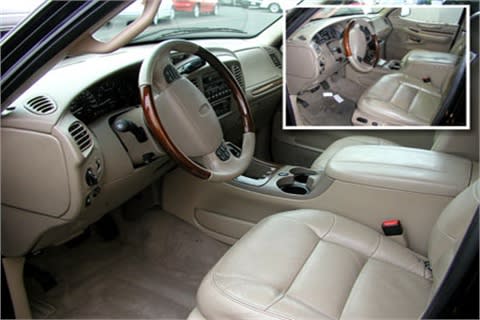
“Ford’s philosophy is that an expertly-reconditioned car will bring more money across the block, so we emphasize the quality of the detail,” explains Mat Rossman, area manager for Ford Motor Co., who has an office on-site to oversee the operations of the Ford Factory and Ford Credit sales at Brasher’s. He works closely with Lot Operations Manager Enver Sevic and Recon Manager Juan Mendoza to make sure Ford’s standards are met.
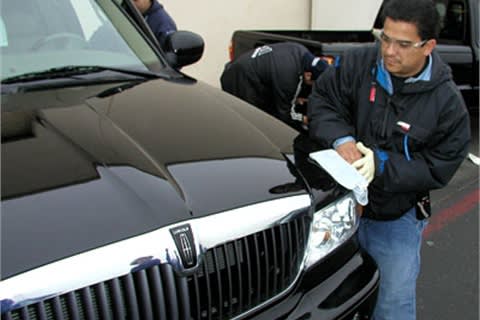
After all is said and done, well-detailed vehicles mean more value to the buyers, who return week after week to purchase vehicles at the auction.
“When you buy a car that has been well detailed, you have a hands-on advantage over the competition when you show that car on your lot,” explains Carl White, general sales manager at Phil Waterford’s Manteca Ford in Manteca, CA. “A good detail impacts your turnaround time, the dollars you have to spend after purchase, and the overall presentation on your lot.”
More Operations
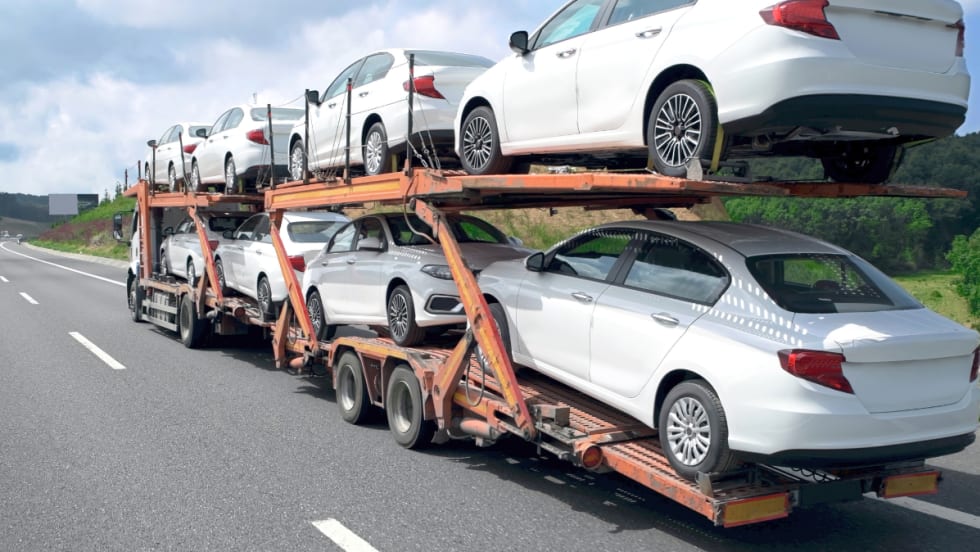
The Data-Driven Haul: 5 Ways AI is Leveling the Playing Field in Auto Transport
Large and small transport fleets are becoming more competitive as predictive analytics and real-time data inform the logistics decision chain.
Read More →
How to Speak the Same Language on Fleet Safety
Drivers, supervisors, and data often speak different safety “languages.” Getting on the same page will drive better results.
Read More →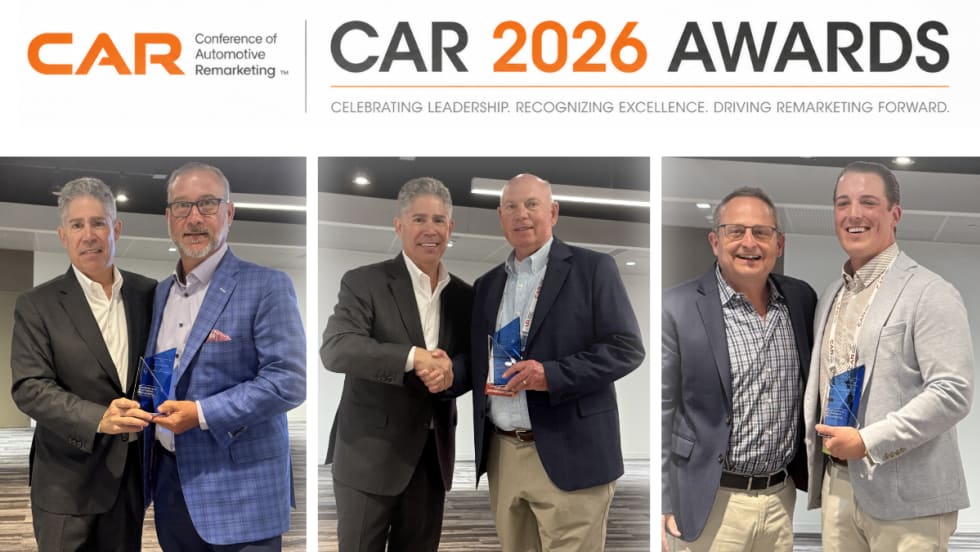
2026 CAR Awards Celebrate Industry Excellence
CAR’s annual Fleet Remarketing Awards opened a reimagined 2026 conference designed to bridge the worlds of fleet management and automotive remarketing.
Read More →
The Predictive Pivot: How AI and Data Are Redefining Auto Logistics in 2026
AI is no longer a luxury but the baseline for profitability in 2026. Auto haulers that adopt these tools now will quickly outpace those using manual workflows and taking a wait-and-see approach.
Read More →
The Predictive Pivot: How AI and Data Are Redefining Auto Logistics in 2026
AI is no longer a luxury but the baseline for profitability in 2026. Auto haulers that adopt these tools now will quickly outpace those that use manual workflows or take a wait-and-see approach.
Read More →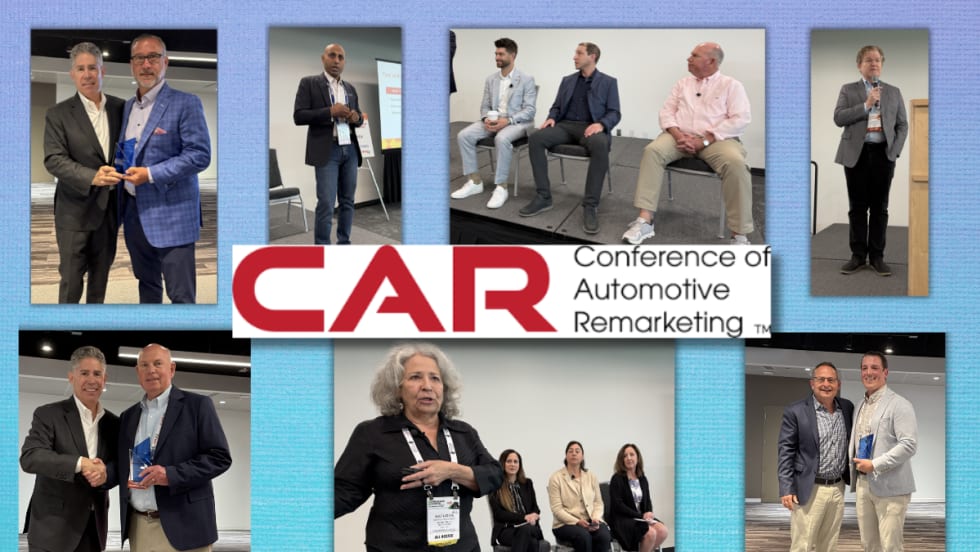
CAR 2026 Recap Part 2: Closing the Gap Between Data & Remarketing Value
The second half of CAR 2026 examined how fleets can translate lifecycle strategy, vehicle data, and market shifts into higher real-world results.
Read More →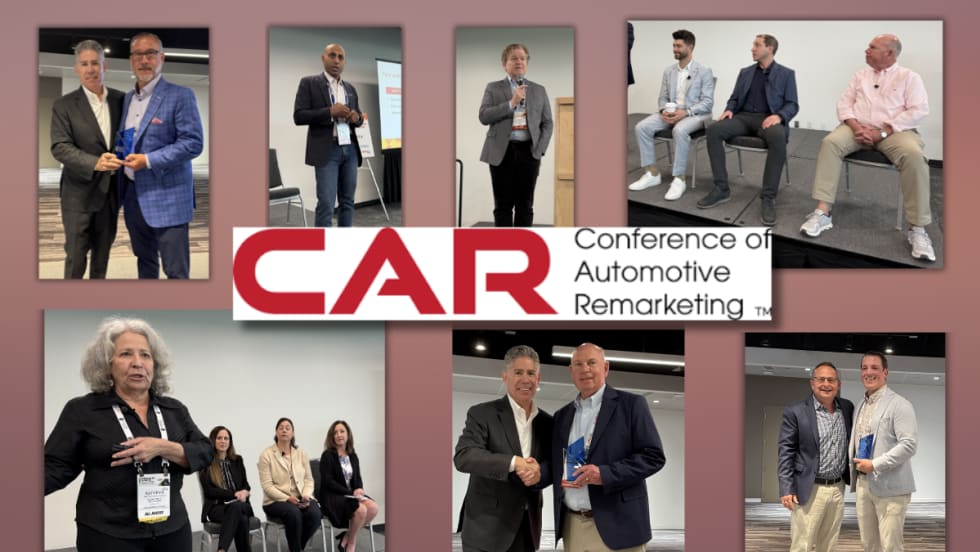
CAR2026 in Two Words: Velocity, Value (Part 1)
The 2026 Conference of Automotive Remarketing convened with a mandate to involve a new constituency — fleet managers — and an updated mission to demonstrate unrealized value in de-fleeted vehicles.
Read More →
CAR 2026: Get the Wall Street Update on the Key Players in Remarketing
From a Wall Street analyst's take on remarketing's key players to whether fleets need their own version of Carfax, CAR 2026's afternoon roundtables will answer key operational and industry questions.
Read More →
CAR 2026 Session to Uncover the Missing Data That's Costing Fleets at Disposal
Work trucks lose value at remarketing, not because they aren't worth more, but because the data to prove it rarely makes it to the auction.
Read More →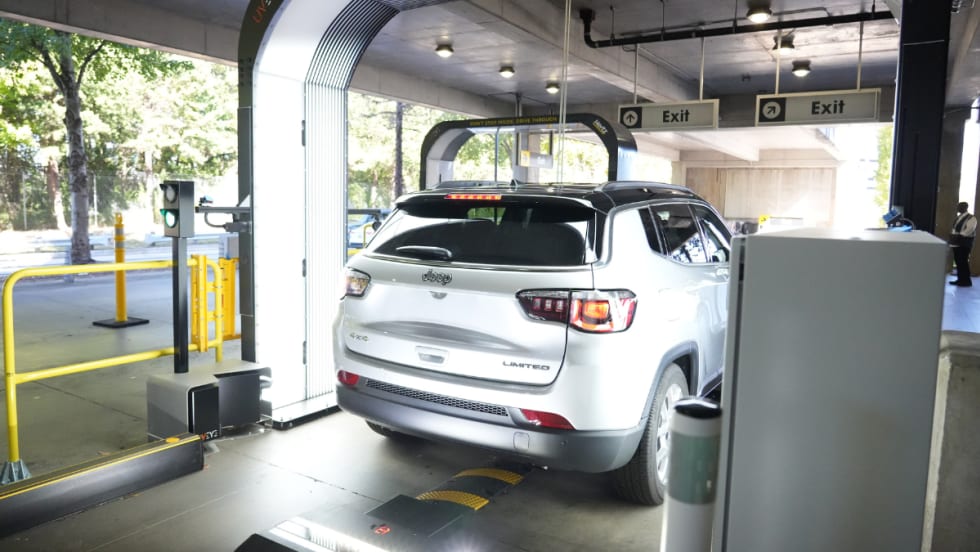
TSD Mobility, UVeye Partner On Automated Vehicle Inspections
The enhanced technology allows rental car operations, dealerships, and auctions to compare a vehicle’s condition at pickup and drop-off within the same rental or loaner record.
Read More →