



Manheim: Used-Car Reports Signal Stability
While wholesale used-vehicle prices declined by 0.5% in March, the Manheim Used Vehicle Value Index — a measure of wholesale prices adjusted for mix, mileage and season — came to a reading of 124.1. This is an increase of 1.3% from a year ago.
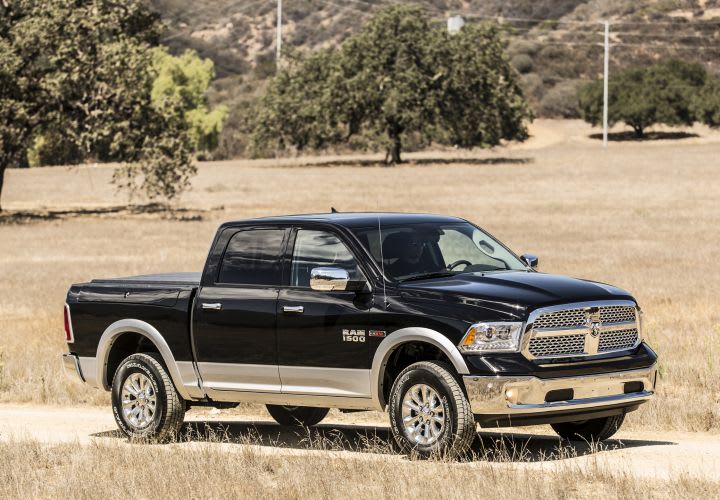
Photo of 2014 Ram 1500 courtesy of FCA.
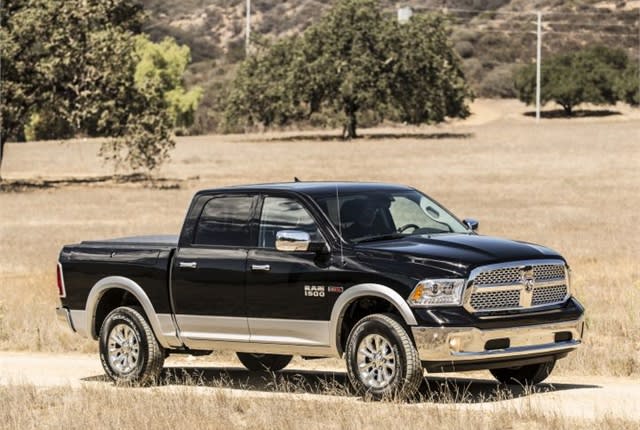
Photo of 2014 Ram 1500 courtesy of FCA.
Analysis of first-quarter sales reports signals stability in used-car values heading into the second quarter of 2017, according to Manheim. While wholesale used-vehicle prices declined by 0.5% in March, the Manheim Used Vehicle Value Index — a measure of wholesale prices adjusted for mix, mileage and season — came to a reading of 124.1. This is an increase of 1.3% from a year ago.
“While used-vehicle values have declined in five of the last six months, it has not been the collapse that many analysts have warned [of] for more than a year due to increasing wholesale supplies,” said Tom Webb, chief economist for Cox Automotive. “On the contrary, the used-vehicle market remains healthy while any weakness we’ve witnessed is overall due to an excessive new-vehicle inventory — not used.”
Pointing to the continued stability of the market regarding used-vehicle retail sales, total used retail sales in January and February — including private-party transactions — were up 5%. Growing on this strength, franchised dealer sales were up 6% and independent sales were up 7%, according to the National Automobile Dealers Association (NADA). Additionally, the credit and lending environment remains favorable.
Despite the continued overall stability, the new-vehicle environment continues to pressure used-vehicle values, and franchise dealers started both February and March with more than four million new units in stock. A variety of major incentives were applied to that inventory in February and the industry achieved a seasonally adjusted annual selling rate (SAAR) of 17.5 million. Available incentives were just as large in March, but sales slowed and resulted in a SAAR of 16.5 million — the lowest in just over two years.
For used-vehicle pricing trends, all car segments — except for truck segments — were down from a year ago. First quarter wholesale pricing for all vehicle segments included:
Compact car prices, typically one of the weakest segments, experienced some relative strength in comparison to the other car classes and were down a modest 0.9%.
Midsize cars once again surfaced as one of the weaker segments compared with last year and had a decline of 1.6%.
SUVs and CUVs increased 1.4% from last March and again remain weaker than the overall market.
Pickups had the most significant increase of all car classes with an increase of 6.7% over a year ago, while vans saw a more modest increase of 3.9%.
Luxury cars represented the biggest decrease of all classes, dipping 1.8% over last year.
A straight average of auction pricing for rental risk units in March was up 3.5% from a year ago, reflecting a better mix of market classes and lower mileage. Representing a 10% decrease from this time last year, average mileage came in at 33,600 for rental risk units. SUVs and CUVs accounted for 33% of rental risk sales in March versus only 25% last year. The share accounted for compact cars fell from 29% to 25%.
“Even when compared to last year’s high level, rental risk volumes sold at auction in the first quarter were up considerably,” Webb said. “This year’s off-rental volume was primarily due to fleet rationalization unlike last year’s high number of new units entering the fleet and, as such, off-rental auction volumes may weaken later in the year.”
Originally posted on Automotive Fleet
More Operations

CAS Automotive Launches Remarketing Service for Damaged, Surplus Equipment
Damaged Equipment expands CAS Automotive’s vehicle remarketing model to commercial equipment, targeting fleet operators, insurers, equipment dealers, and rental companies.
Read More →
Fleet Sales Hold Steady as Commercial Gains Offset Rental Decline
Commercial and government fleet sales increased through July 2026, offsetting most of the decline in rental volume and leaving combined comparable fleet sales 0.5% above the same period last year.
Read More →
Personnel Update: BrickHouse GPS, PRO-VISION, Auto Driveaway, and Proaction
Check out the latest must-know fleet personnel updates from the last couple of months.
Read More →
What Comes Next for Auto Driveaway?
A new Auto Driveaway feature called Arrive provides recipients with live location updates and ETAs during the final hour of a vehicle move, while fleet customers continue to have end-to-end shipment visibility through the company's customer portal.
Read More →
Manheim Index Shows Used-Vehicle Wholesale Prices Up 2.1% in June
The market is seeing stronger appreciation in older used vehicles this year, and the most affordable segments have been among the year’s best performers.
Read More →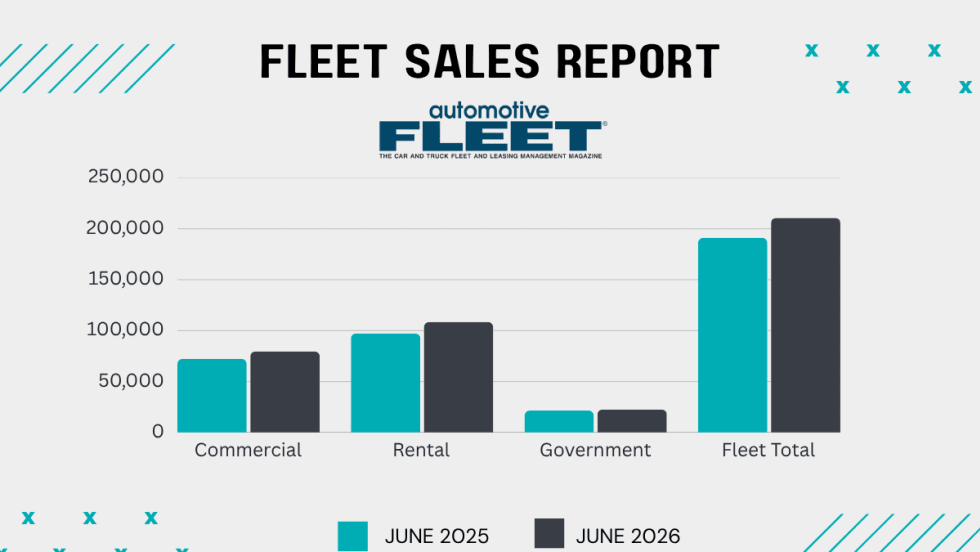
Commercial Fleet Sales Contribute To June, YTD Gains
The fleet sector has boosted its vehicle purchases at a reliable pace in the first half of this year compared with 1H 2025.
Read More →
Stop Remarketing Electric Vehicles Like Gas Cars
The advantages and attributes of electric vehicles are upending the traditional remarketing cycle, requiring fleet sellers to rely on new factors and approaches detailed below.
Read More →
AP Fleet Management Expands Remarketing Program for Commercial Work Trucks
AP Fleet Management expanded its commercial vehicle remarketing program with dedicated resale services and an online marketplace for used work trucks.
Read More →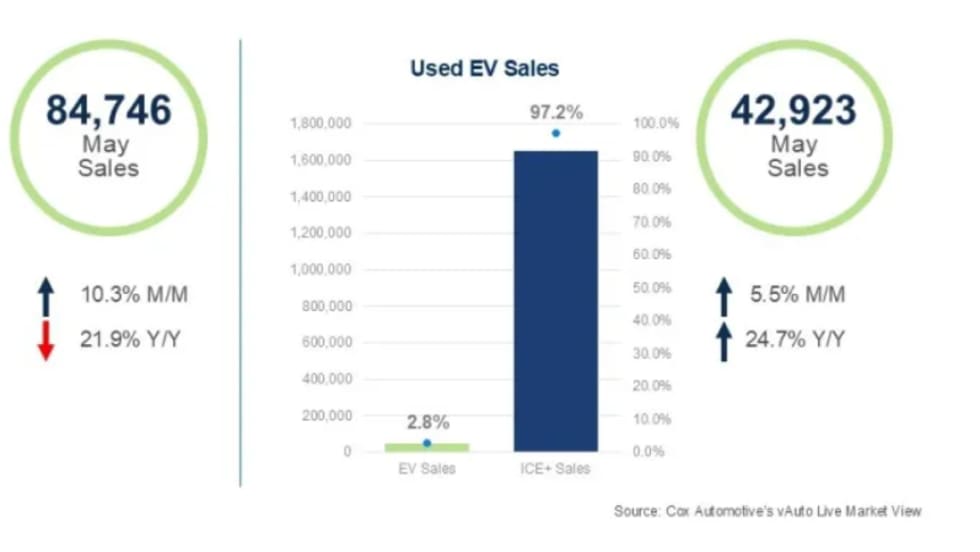
Used EVs Strengthen Overall Electric Vehicle Market
The latest sales data point to several reasons for the divergent trends in new and used EVs that can factor into fleet cycling decisions.
Read More →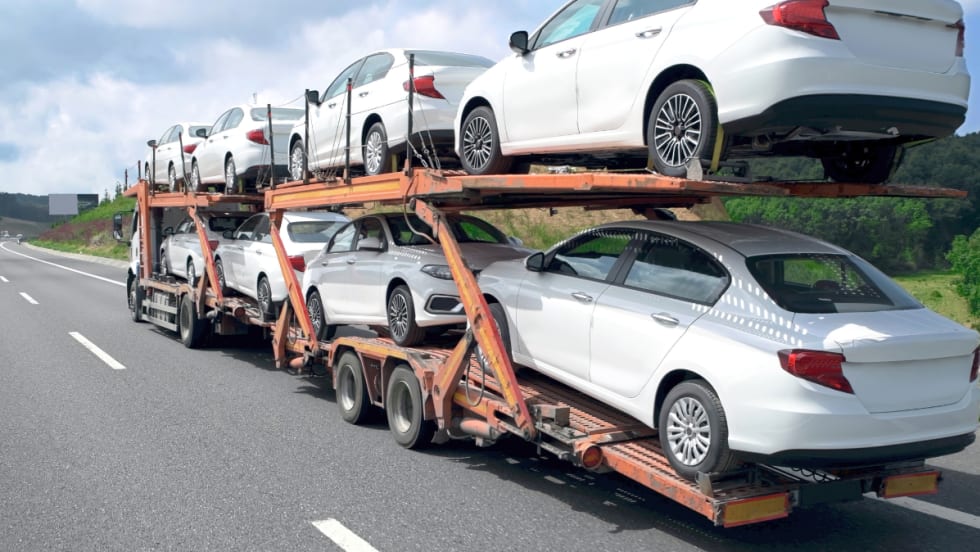
The Data-Driven Haul: 5 Ways AI is Leveling the Playing Field in Auto Transport
Large and small transport fleets are becoming more competitive as predictive analytics and real-time data inform the logistics decision chain.
Read More →