



Related: Used Pickups, Vans Start 2017 Strong
Used Vehicle Volume Grew 6% in '16
The National Auto Auction Association (NAAA) estimates that its members sold 9.9 million vehicles in 2016, a 6% improvement over the year before, according to Manheim’s 2017 Used Car Market Report.
by Staff
February 9, 2017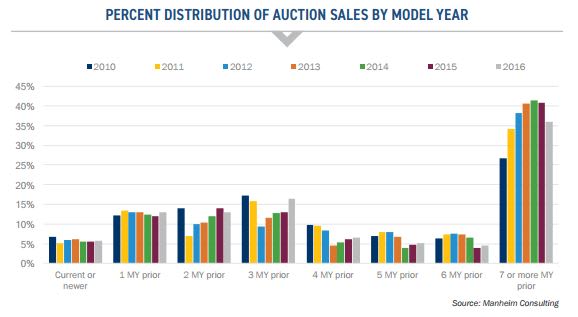
Chart courtesy of Manheim.
3 min to read
The National Auto Auction Association (NAAA) estimates that its members sold 9.9 million vehicles in 2016, a 6% improvement over the year before, according to Manheim’s 2017 Used Car Market Report.
Due to retail activity keeping dealer consignment volumes high, business fleet purchases creating higher commercial consignment, and the influx of off-lease vehicles expected later this year, the association also expects that sales volume will continue to grow in 2017 and 2018.
“For the remarketing industry, 2016 confirmed the wisdom of past investments in technology, partnerships, and organizational restructuring. The industry was able to scale efficiently. So, although commercial consignment surged, dealer consignment was not pushed aside as it so often was in past cycles,” the report read.
As a result of commercial consignment sales accounting for a bigger share of total sales in 2016, the number of vehicles sold at auction seven years or older went down, according to Manheim’s report. However, even with this drop, vehicles in that age range still accounted for over 35% of all auction sales in 2016. Given the fact that the average age of a vehicle in operation remains above 11 years old, vehicle ages are expected to remain high, the firm added.
Three-year-old vehicles saw the biggest increase to its share of sales. In 2015, three-year-old vehicles accounted for roughly 13% of sales at auction and in 2016, those vehicles accounted for roughly 17% of sales.
And it’s not just vehicle age that looks to be trending downward, the average odometer reading for all vehicles sold at auction has also been on the decline since 2013, according to the Manheim Report.
Chart courtesy of Manheim.
Looking at 2016 as a whole, overall, mix-, mileage- and seasonally adjusted wholesale prices grew slightly. Prices were higher at the start of the year and tapered off toward the end, during the month of December, wholesale prices were down 0.6% compared to the same time the year before.
“Wholesale prices declined in the final quarter of the year — due partly to higher wholesale supplies and partly to a more aggressive incentive spend in the new vehicle market. Given that the captive lessors have a residual exposure on some 10 million lease contracts outstanding, it is important that they balance future new vehicle volume objectives against the potential impact on used vehicle values,” according to the Manheim report.
As a whole, wholesale prices have been stable for the past four years, according to the report. However, there have been extreme fluctuations between different vehicle segments. Wholesale prices for pickups have risen 28% in the last four years, according to the report. Wholesale prices for compact cars have not been as fortunate, falling 14% during the same time period due to consumer preference shifting away from sedans and toward crossovers.
Originally posted on Auto Rental News
More Operations

CAS Automotive Launches Remarketing Service for Damaged, Surplus Equipment
Damaged Equipment expands CAS Automotive’s vehicle remarketing model to commercial equipment, targeting fleet operators, insurers, equipment dealers, and rental companies.
Read More →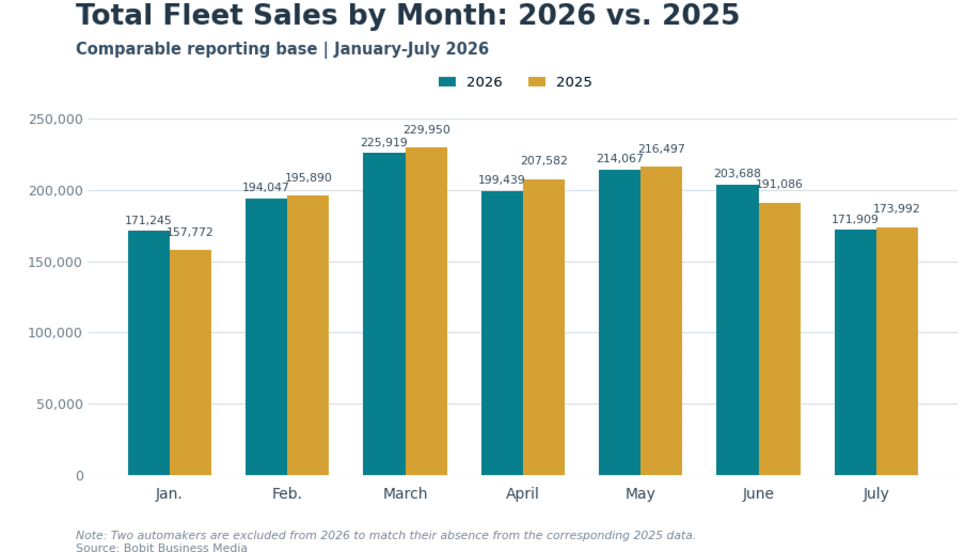
Fleet Sales Hold Steady as Commercial Gains Offset Rental Decline
Commercial and government fleet sales increased through July 2026, offsetting most of the decline in rental volume and leaving combined comparable fleet sales 0.5% above the same period last year.
Read More →
Personnel Update: BrickHouse GPS, PRO-VISION, Auto Driveaway, and Proaction
Check out the latest must-know fleet personnel updates from the last couple of months.
Read More →
What Comes Next for Auto Driveaway?
A new Auto Driveaway feature called Arrive provides recipients with live location updates and ETAs during the final hour of a vehicle move, while fleet customers continue to have end-to-end shipment visibility through the company's customer portal.
Read More →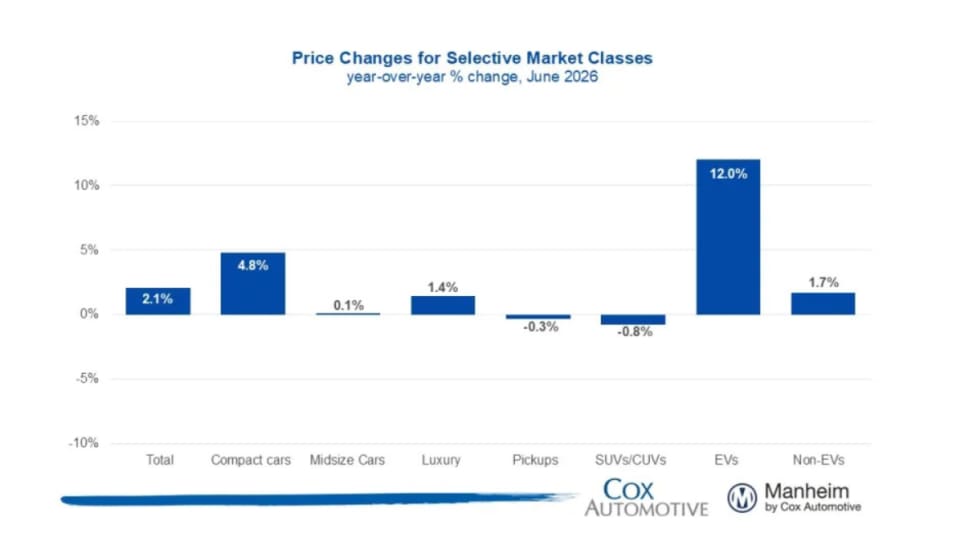
Manheim Index Shows Used-Vehicle Wholesale Prices Up 2.1% in June
The market is seeing stronger appreciation in older used vehicles this year, and the most affordable segments have been among the year’s best performers.
Read More →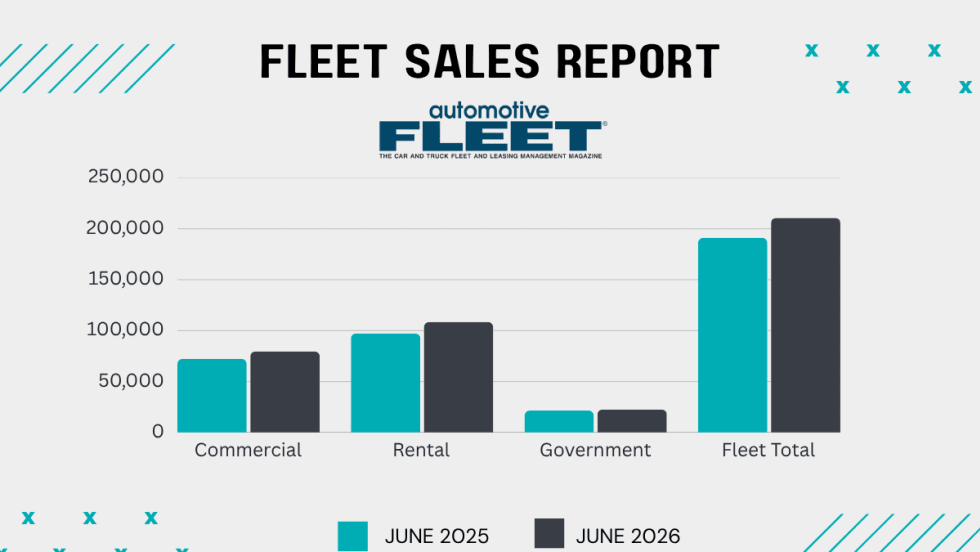
Commercial Fleet Sales Contribute To June, YTD Gains
The fleet sector has boosted its vehicle purchases at a reliable pace in the first half of this year compared with 1H 2025.
Read More →
Stop Remarketing Electric Vehicles Like Gas Cars
The advantages and attributes of electric vehicles are upending the traditional remarketing cycle, requiring fleet sellers to rely on new factors and approaches detailed below.
Read More →
AP Fleet Management Expands Remarketing Program for Commercial Work Trucks
AP Fleet Management expanded its commercial vehicle remarketing program with dedicated resale services and an online marketplace for used work trucks.
Read More →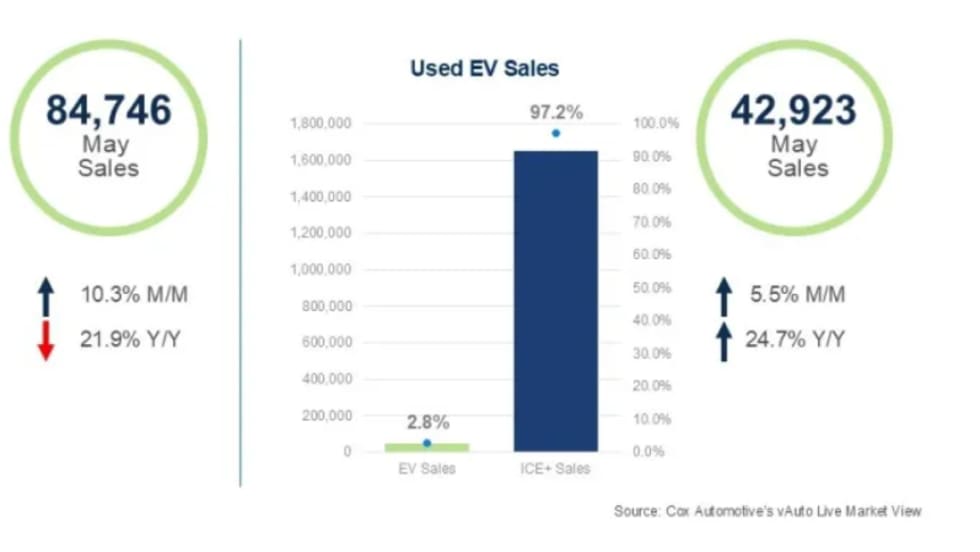
Used EVs Strengthen Overall Electric Vehicle Market
The latest sales data point to several reasons for the divergent trends in new and used EVs that can factor into fleet cycling decisions.
Read More →
The Data-Driven Haul: 5 Ways AI is Leveling the Playing Field in Auto Transport
Large and small transport fleets are becoming more competitive as predictive analytics and real-time data inform the logistics decision chain.
Read More →